The best bulgur for salads and pilafs is the one that matches the dish you are actually making. Fine bulgur disappears into tabbouleh, soaking up lemon and herbs in minutes without ever seeing a hob. Coarse bulgur holds its shape in a pilaf, staying separate and nutty beside roasted vegetables or grilled meat. Pick the wrong grind and the dish never quite sings. Bulgur is a forgiving food, but it rewards the cook who buys the right bag.
Bulgur is cracked wheat that has been parboiled, dried, and cracked into different sizes, and that parboiling is the reason it cooks so fast. Most of the cooking has already been done before the wheat ever reaches your kitchen. At home you are only rehydrating it and finishing it. That is why fine bulgur needs only hot water and ten minutes, and why even the coarsest grind is ready in about twenty. It also keeps for a year or more on the shelf.
Key Takeaways
- Fine bulgur soaks in ten minutes with no cooking; medium simmers in about twelve; coarse takes fifteen to twenty.
- Bulgur has about 8 grams of fibre per cooked cup, more than brown rice, quinoa, or couscous.
- Tabbouleh needs fine bulgur and a heavy hand with parsley, lemon, and olive oil.
- Pilafs need coarse or medium bulgur, toasted first, then simmered in stock until fluffy.
- Cooked bulgur keeps five days in the fridge and freezes well for three months.
What Bulgur Actually Is
Bulgur begins as whole wheat berries. The berries are parboiled, dried, then cracked into pieces of different sizes. The result is a grain that is already cooked on the inside and only needs water and a little time to finish. It is one of the oldest prepared foods in the world, still the foundation of tabbouleh, kibbeh, and pilafs across the Middle East and the Mediterranean.
Nutritionally, bulgur is one of the strongest grains in the pantry. A cooked cup gives around 150 calories, about 6 grams of protein, and about 8 grams of fibre, roughly double brown rice and four times couscous. It scores low on the glycaemic index, so it keeps you full for hours. The honest limitation is gluten. Bulgur is wheat, so it is not suitable for anyone with coeliac disease or a wheat allergy. If your household needs gluten-free, quinoa is the closest substitute in salads.
Fine, Medium, and Coarse Bulgur
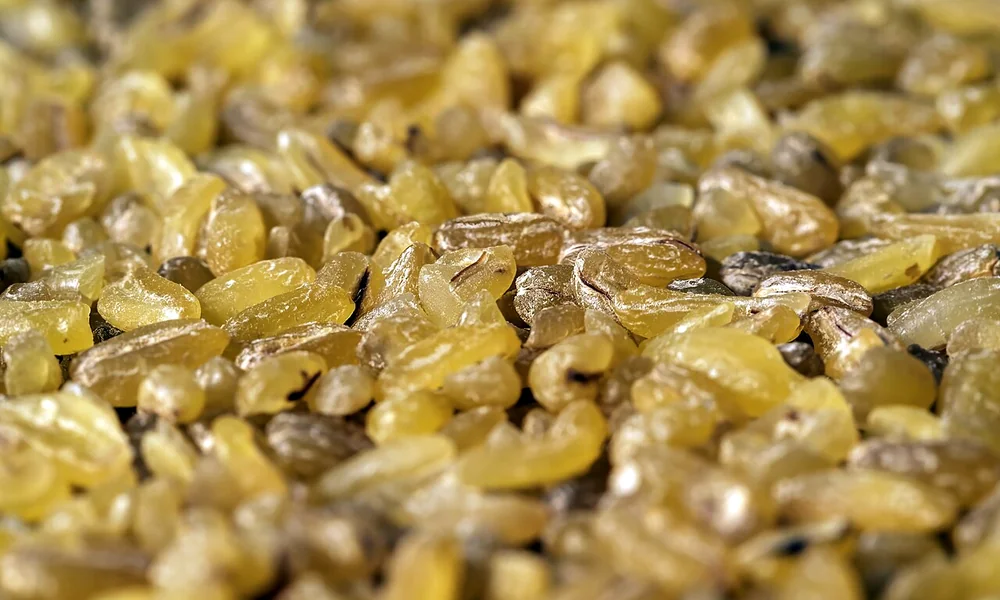
The grind is everything with bulgur, and the packets are not always labelled clearly, so it pays to know what you are looking at. Fine bulgur, sometimes labelled number one, looks like coarse sand. It is the grind for tabbouleh and for salads where the grain should almost disappear into the herbs. It needs no cooking: cover it with boiling water, leave it for ten minutes, and drain any excess. Medium bulgur, labelled number two, is about the size of small lentils. It is the all-rounder for salads and pilafs. It simmers for about twelve minutes.
Coarse bulgur, labelled number three or four, looks like cracked wheat kernels the size of small peas. It is the grind for pilafs, stuffings, and hearty side dishes, and it needs fifteen to twenty minutes of simmering. It holds its shape beside saucy dishes without turning to mush. If a packet is simply labelled bulgur with no number, it is usually medium, which is a safe default. Buy fine for tabbouleh, coarse for pilafs, and medium when you only want one bag in the cupboard. White bulgur is the mildest; wholegrain bulgur is darker, nuttier, and higher in fibre.
Soaking Fine Bulgur for Salads
Fine bulgur for salads should be soaked, not boiled. Boiling it turns it soft and sticky, while soaking leaves the grains distinct and slightly chewy, which is exactly what a salad needs. Cover one cup of fine bulgur with one cup of boiling water and leave it for ten minutes. Then uncover, fluff with a fork, and spread it on a plate to cool. If there is any excess water, tip the bulgur into a fine sieve and press it gently to drain. The grains should be tender but separate.
The most common mistake is using too much water. Fine bulgur absorbs roughly its own volume, so equal parts bulgur and water is the right ratio. The second mistake is dressing the bulgur while it is still hot. Hot bulgur absorbs dressing unevenly and turns soggy, while cooled bulgur takes up the dressing gradually and stays distinct. Let it cool to room temperature before you add lemon juice, olive oil, and herbs.
Tabbouleh: The Salad Bulgur Was Made For
Tabbouleh is the dish that shows bulgur at its best, and it is also the dish most people get wrong. Real Lebanese tabbouleh is a parsley salad with a little bulgur in it, not a bulgur salad with a little parsley. The parsley should dominate: several large bunches, finely chopped, with the bulgur there to add body and soak up the dressing. Start with a cup of chopped parsley, half a cup of chopped mint, a few chopped tomatoes, a little spring onion, and only a third of a cup of soaked fine bulgur.
The dressing is simple: lemon juice, good olive oil, and salt. Whisk them together, pour them over the salad, and toss gently. The lemon should be bright and noticeable. Serve it within an hour, since the parsley wilts and the tomato releases juice. The same method works for other bulgur salads: fine bulgur, soaked and cooled; herbs in generous quantities; a sharp lemon dressing.
Cooking a Bulgur Pilaf
A bulgur pilaf is a different dish from a soaked salad, and it needs a pot, heat, and a little patience. The method starts with one extra step that matters: toasting. Soften a chopped onion in a tablespoon of olive oil or butter for five minutes. Add one cup of coarse or medium bulgur and stir for two minutes until it smells nutty and a few grains turn golden. Then add two cups of hot stock, bring it to a boil, turn the heat to the lowest setting, cover tightly, and simmer for fifteen minutes for medium or twenty for coarse.

Do not lift the lid while it simmers: every peek lets the steam out and adds minutes. When the time is up, take the pan off the heat and leave it covered for five more minutes. Then uncover, fluff with a fork, and season. The grains should be tender, separate, and lightly glossy from the oil. If it is wet, return it to a low heat uncovered; if dry, sprinkle over hot water and rest it covered. Stock makes a richer pilaf than water; stir in toasted pine nuts, dried fruit, or fresh herbs at the end.

Bulgur Compared: The Grains at a Glance
Bulgur wins on fibre and speed together, and the table below shows why it earns its place beside the other pantry grains. No other grain combines a fifteen-minute cook with eight grams of fibre per cup.
| Grain | Time | Protein per cup | Fibre per cup | Best for |
|---|---|---|---|---|
| Fine bulgur | 10 minutes soaked | 6 g | 8 g | Tabbouleh, cold salads |
| Coarse bulgur | 15 to 20 minutes | 6 g | 8 g | Pilafs, stuffings |
| Quinoa | 15 minutes | 8 g | 5 g | Protein-rich bowls |
| Brown rice | 40 to 45 minutes | 5 g | 4 g | Grain bowls, stir-fries |
| Couscous | 5 minutes | 6 g | 2 g | Quick salads, under stews |
| Oats | 5 to 10 minutes | 5 g | 4 g | Porridge, baking |
The fibre figure is the one worth remembering. Eight grams per cup is a meaningful share of a day’s fibre from a single side dish, and it is the reason bulgur keeps you full long after the meal. Oats are the other fibre star of the pantry, and they deserve a place in the same weekly rotation, though they belong at breakfast and in baking rather than in salads. For a full survey of the pantry, our guide to the rice varieties worth stocking your pantry with covers the slower grains that bulgur replaces on busy nights.
What to Look for When Buying Bulgur
Bulgur is cheap, and the differences between brands are smaller than for pasta or rice, but a few checks still help. First, check the grind through the packet. The pieces should be fairly even in size, with little dust at the bottom of the bag. A lot of powder means the bulgur will cook unevenly and turn mushy. Second, check the colour. Good bulgur is a warm golden brown, not pale and not grey. Pale bulgur takes longer to soften; grey bulgur may be old.
Third, buy the grind you need, not the one that happens to be on the shelf. If the shop only stocks medium, it will work for both salads and pilafs, but it will not be as good as fine for tabbouleh or as good as coarse for pilafs. Middle Eastern grocers usually stock all three grinds at lower prices. Storage is straightforward: keep bulgur in a sealed jar in a cool, dry cupboard, away from strong smells, and it lasts for a year or more unopened. Cooked bulgur keeps five days in the fridge and freezes well for three months.
Checklist: Bulgur That Works Every Time
- Match the grind to the dish: fine for tabbouleh, medium for salads, coarse for pilafs.
- Soak fine bulgur in equal parts boiling water for ten minutes; never boil it for salads.
- Toast coarse and medium bulgur in oil for two minutes before adding stock for pilafs.
- Do not lift the lid while a pilaf simmers, and rest it covered for five minutes after cooking.
- Cool soaked bulgur to room temperature before dressing it, and season again after ten minutes.
- Refrigerate cooked bulgur within two hours, use within five days, or freeze in portions.
Frequently Asked Questions
Is bulgur the same as cracked wheat?
Bulgur is cracked wheat that has been parboiled and dried before cracking, while plain cracked wheat is raw and takes much longer to cook. The parboiling is what makes bulgur fast, so do not substitute it in a bulgur recipe.
Do you need to rinse bulgur before cooking?
No. Bulgur does not need rinsing, and rinsing fine bulgur makes it soggy. Just measure it, soak or simmer it as the grind requires, and drain any excess water through a fine sieve if needed.
Why is my tabbouleh soggy?
Soggy tabbouleh usually comes from too much water in the soak, dressing the bulgur while it is hot, or using medium bulgur instead of fine. Use equal parts bulgur and boiling water, and cool the bulgur before dressing.
Can you cook bulgur in a rice cooker?
Yes. Use one part medium or coarse bulgur to two parts water or stock, and cook it on the white rice setting.
How long does cooked bulgur last in the fridge?
Cooked bulgur keeps for five days in a sealed container in the fridge. Cool it quickly after cooking, refrigerate within two hours, and reheat until steaming hot.
Is bulgur healthier than rice?
Bulgur has roughly double the fibre of brown rice and four times the fibre of white rice, with a lower glycaemic index, so it keeps you fuller for longer. It is one of the healthiest everyday grains you can buy.
The Bottom Line
The best bulgur for salads and pilafs is the right grind for the job: fine bulgur soaked in ten minutes for tabbouleh and cold salads, coarse bulgur toasted and simmered in stock for pilafs that stay separate and nutty. Buy the grind you need, soak or simmer it properly, season it generously, and bulgur becomes the fastest high-fibre grain in the pantry, ready for a week of salads and pilafs.