
A callus remover is the fastest way to turn rough, hard heels soft again at home, and the best callus removers of 2026 do it in minutes instead of weeks. A callus remover is a tool made to take the dead, thickened skin off the soles and heels. The modern version is usually a small electric device with a spinning roller, but manual shavers and softening gels belong to the same family. This guide covers the types on sale and how to choose one that leaves your feet smooth.
Key Takeaways
- Electric rollers are the easiest choice for most people: fast, low-effort, and ideal for regular maintenance.
- Match grit to the job: coarse for thick, neglected heels, fine for smoothing and weekly upkeep.
- Always work on dry, clean feet, use light pressure, and stop while the skin feels smooth.
- Manual shavers and gels are cheaper, but they demand more care and risk taking off too much skin.
- Clean the roller after every use, replace it when the grit wears smooth, and moisturise afterwards.
What Is a Callus Remover?
A callus remover is any tool made to remove calluses, the thick patches of dead skin that form where the feet take repeated pressure, usually the ball of the foot and the heel. A callus is the skin’s defence, thickening to protect the tissue underneath. Left alone it grows harder and drier, and it can crack and catch on socks.
A callus remover works by abrasion or by softening. Electric rollers spin a rough cylinder against the skin and lift the dead layer away as dust. Manual files and shavers do the same job by hand. Chemical gels use urea or a mild acid to loosen the dead skin so it can be wiped away. The method matters less than the control: a good remover takes the dead layer off evenly and stops there.
Callus removers differ from the other foot-care tools on the shelf. A pumice stone is volcanic rock used wet in small circles, for gentle, regular smoothing rather than fast removal. A foot file is a manual paddle with a metal, glass or emery surface, worked by hand on dry feet. An electric callus remover adds a motor to that idea: the roller spins, so your hand only has to guide it. That is why the buying questions differ: battery life, roller grit and motor speed matter here in a way they never do for a stone or a file.
The Main Types of Callus Removers
Electric Roller Removers
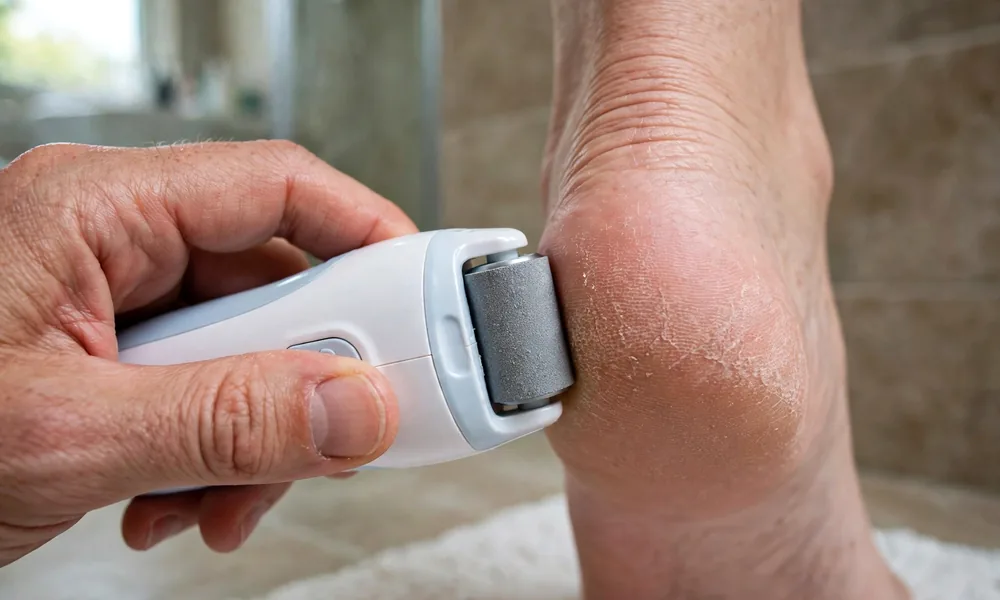
The electric roller is the type most people picture, and the best starting point for almost everyone. A small handle holds a cylindrical roller covered in rough mineral grit, and a motor spins it at high speed. Switch it on, touch the roller lightly to the dry heel, and move it slowly across the rough patch. A neglected heel takes about five minutes instead of the twenty a manual file needs.
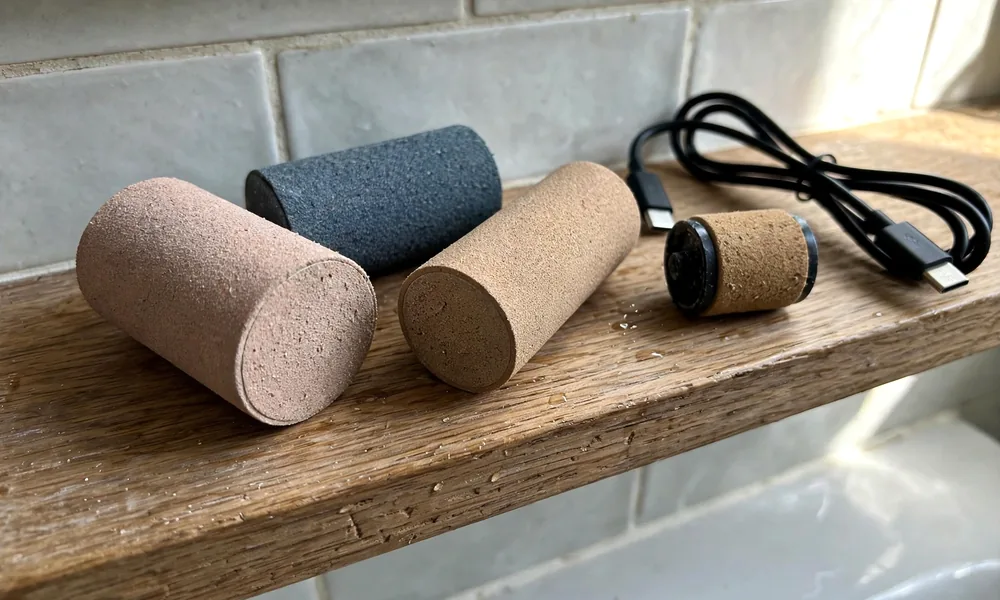
Most devices ship with two grits: coarse for thick calluses and fine for smoothing and finishing. The coarse roller is the workhorse for neglected heels; the fine roller takes over once the worst is gone. Buy a device with interchangeable rollers, because the roller is a consumable and the grit wears smooth over time.
Most modern devices run on a rechargeable USB battery with about forty minutes of run time, enough for six or seven sessions. Avoid disposable-battery models: they slow as the batteries drain and the roller stalls under light pressure. A good remover holds its speed when it touches the skin, which is the key difference between a cheap device and a good one.
Manual Callus Shavers
A manual callus shaver is a handle with a small, sharp blade, drawn across the callus to slice thin layers of dead skin away. It is the fastest manual method, and also the riskiest: a blade removes skin far faster than a roller, and it is easy to take off too much. Shavers suit people who know their feet well and want a cheap, battery-free tool, but they are not the right first callus remover for most buyers. Choose a guarded blade and a non-slip handle, use it only on dry skin with almost no pressure, and never on cracked heels or broken skin. People with diabetes or poor circulation should not use a bladed shaver at all.
Chemical Gels and Creams
Chemical callus removers are gels, creams or foot peels that soften the dead skin so it comes away on its own. The active ingredients are usually urea, which draws moisture into the hard skin, or a mild acid such as salicylic or lactic acid, which breaks the bonds between dead cells. Apply the product, leave it for the time on the packet, then rinse or wipe the softened skin away. Gels are the gentlest option, with no friction and no blade, but also the slowest: a foot peel can take days to shed, and a urea cream needs daily use for a week or two. They suit mild calluses and sensitive skin, and pair well with an electric roller: soften first, then finish with the fine roller.
Callus Removers at a Glance
| Best for | Remover type | Speed | Standout strength |
|---|---|---|---|
| Best overall | Electric roller, rechargeable | Fast | Quick, even removal with little effort |
| Best for thick heels | Electric roller, coarse grit | Fast | Cuts through neglected calluses in minutes |
| Best for maintenance | Electric roller, fine grit | Moderate | Gentle smoothing for weekly upkeep |
| Best budget choice | Chemical gel or urea cream | Slow | Cheapest start, no friction or blades |
| Best for tidy use | Vacuum dust-capture roller | Fast | Catches most of the dust as you work |
| Best for experienced users | Manual bladed shaver | Very fast | Quickest manual removal, needs a careful hand |
How to Use a Callus Remover Properly
Technique matters more than the tool: the commonest mistakes are pressing too hard and going on too long. Start with clean, dry feet, because dry dead skin lifts cleanly while wet skin clogs the roller. Sit with a towel underneath to catch the dust.
Switch the device on and touch the roller to the heel with almost no pressure, letting the device’s weight do the work. Move it slowly across the rough patch in one direction, lifting between passes. Check the skin every twenty seconds: when it feels smooth, stop. A session should take three to five minutes per foot, and two or three a week is plenty for thick calluses; once the worst is gone, one short weekly session keeps the heels in shape.
After every session, moisturise while the skin is still warm. A thick foot cream with urea does the heavy lifting on heels, and cotton socks worn over it at night keep the cream in place. With the dead layer gone, cream can finally reach the living skin underneath, which is what makes the smoothness last. Our guide to the best pedicure kits for salon feet at home covers the tools that pair with a callus remover, from nail care to finishing creams.
Choosing the Right Grit and Power
Grit is the first buying decision. Coarse rollers, usually dark grey and visibly rough, are for thick calluses built up over months. Fine rollers are for maintenance and finishing. A device that ships with both grits is the sensible buy, because feet need coarse work at the start and fine work ever after. If it ships with one roller, make it coarse for thick heels or fine for mild roughness, and buy the other grit as a spare.
Motor speed is the second decision, where cheap devices show their weakness. A good motor lifts skin on a light touch and holds its speed against resistance. A weak motor slows and stalls, forcing you to press harder, which is when the skin gets hurt. Read reviews for the word stalling: if several buyers say the roller stops under pressure, move on. Two speeds are useful, but a single strong speed beats two weak ones.
Safety: When to Stop and When to Skip
A callus remover is safe for healthy feet used gently. Stop straight away if the skin turns pink, feels hot, or hurts: those are signs you have reached living skin. Never use one on cracked, bleeding or broken skin, or over a blister, a wart or unusual-looking skin. If a heel is deeply cracked and painful, a remover will not fix it, and a foot specialist is the right next step.
Some people should not remove calluses at home at all. Anyone with diabetes, poor circulation, or numbness in the toes should ask a doctor first, because a small cut can heal slowly and turn serious. The same applies after foot surgery or during treatment for a skin condition. For everyone else: light pressure, short sessions, moisturiser afterwards.
Keeping Your Callus Remover Clean
A callus remover holds dead skin in its roller, so cleaning is not optional. After every use, switch it off, remove the roller, and tap the dust out over the bin. Rinse a waterproof roller under warm water with a drop of soap, then let it dry completely. Never store it with a damp roller inside: it will smell within days.
Replace the roller when the grit wears smooth, usually after two or three months. A worn roller causes friction without results and tempts you to press harder. Keep a spare in the drawer, bought from the same brand, because rollers are rarely interchangeable.
Checklist: Buying and Using a Callus Remover
- Choose an electric roller with coarse and fine rollers included for thick skin and maintenance.
- Check the motor holds its speed under pressure, and avoid any device reviewers say stalls.
- Work on clean, dry feet with light pressure, in one direction, checking the skin every twenty seconds.
- Stop while the skin feels smooth, and never use a remover on cracked, bleeding or painful skin.
- Moisturise after every session, and wear cotton socks over thick cream at night.
- Clean the roller after every use, let it dry fully, and replace it when the grit wears smooth.
Frequently Asked Questions
Are electric callus removers safe?
Yes, for healthy feet used gently: light pressure on dry skin, stop when the skin feels smooth, never on cracked skin. People with diabetes or poor circulation should ask a doctor first.
How often should I use a callus remover?
Two or three short sessions a week is enough for thick calluses, and one a week keeps smooth heels in shape. Daily use makes the skin grow back thicker.
Should I use a callus remover on wet or dry feet?
Dry feet for an electric roller: dry dead skin lifts cleanly, wet skin clogs the roller. Pumice stones are the exception, working best on warm, soaked skin.
What is the difference between a callus remover and a foot file?
A foot file is a manual paddle worked by hand, while an electric callus remover spins a roller with a motor, so it works faster with less effort. Both remove dead skin by abrasion, but the powered roller suits thick calluses.
Do callus remover gels work?
Yes, but slowly: urea and mild-acid gels soften dead skin over days or weeks, suiting mild calluses and sensitive skin. For thick heels, an electric roller shows results in one session.
How long does a callus remover roller last?
About two to three months of regular use. Replace it when the grit feels smooth or it slides instead of gripping, and keep a spare from the same brand.
The Bottom Line
The best callus removers in 2026 are rechargeable electric rollers with coarse and fine grits, a motor that holds its speed, and a roller that is easy to clean and replace. Work on dry feet with a light touch, stop while the skin is smooth, and moisturise afterwards. Gels suit mild calluses and sensitive skin; bladed shavers suit only a careful, experienced hand. The test is simple: smooth heels, no soreness, and a routine you will actually keep.


