
The best candles in 2026 do far more than make a room smell nice. A good candle changes the feel of a home: it softens the light in the evening, marks the end of the working day, and turns an ordinary Tuesday night into something a little calmer. The trouble is that the candle aisle has never been more crowded, and the difference between a candle you will burn to the last drop and one that tunnels, smokes, or smells of nothing is rarely obvious from the jar.
This guide to the best candles of 2026 cuts through that confusion. We looked at wax types, burn time, scent throw, wick quality, and real value for money, and we compared candles across every room of the house, from small bedrooms to open-plan living spaces. Whether you want a clean-burning soy candle for the evening, a rich beeswax pillar for the dining table, or a gift-worthy jar candle for a new home, you will find a clear answer here.
Key Takeaways
- Soy, beeswax, and coconut wax burn cleaner and more evenly than plain paraffin, and they are the safest default choice for most homes.
- Match the candle size to the room: a small jar suits a bedroom, while a large jar or a pair of candles suits an open-plan living room.
- A candle should fill its room with scent within twenty minutes of lighting; if it does not, the fragrance load is too weak for the space.
- Trim the wick to about five millimetres before every burn to stop smoking, sooting, and oversized flames.
- Burn a candle for one hour per inch of its diameter on the first burn, so the wax melts evenly across the whole surface.
How to Choose the Best Candle for Your Home
Choosing a candle starts with the room, not the scent. A bedroom needs a gentle, calming fragrance and a modest flame, because the space is small and you will be breathing the air for hours. A living room can take a stronger scent and a larger candle, especially if the room is open-plan. A bathroom suits a fresh, clean scent that cuts through steam and humidity. A dining room needs care: a strong fragrance can overpower food.
Once the room is settled, think about when the candle will be lit. Evening candles should help you wind down, so lavender, cedar, sandalwood, and amber are reliable choices, while daytime candles can be brighter: citrus, green fig, or fresh linen. If the candle is a gift, pick a scent that most people like rather than a bold personal favourite. Warm vanilla, soft amber, and light florals are safe territory, and candles are among the best gift ideas for a new home in 2026.
What to Look For Before You Buy
Check the wax first. Soy wax is the most common clean-burning option and holds fragrance well. Beeswax burns the longest and has a natural honey scent of its own. Coconut wax throws scent well, though it is usually blended with soy. Plain paraffin is cheaper, but it can produce more soot and a weaker scent. Also check the wick: cotton wicks are standard, while wooden wicks crackle softly.
The Best Candle Wax Types Compared
Wax is the single biggest factor in how a candle performs. Two candles can smell identical in the shop and behave completely differently at home, simply because one is soy and the other a cheap paraffin blend. In short: soy is the best all-rounder, beeswax is best for long burns, and coconut wax is best for scent throw.

Soy Wax: The Best All-Rounder
Soy wax is made from soybean oil, and it has become the default for good candles for good reason. It burns slowly and evenly, holds fragrance well, and cleans up easily with soap and water if it spills. A soy candle in a medium jar will usually burn for forty to sixty hours, which is enough for several weeks of evening use. Soy also comes in the widest range of scents and prices. Its one weakness is scent throw in very large rooms, where a bigger jar may be needed.
Beeswax: The Longest Burn
Beeswax is the oldest candle wax of all, and it still burns longer than any other. A beeswax pillar can last for eighty hours or more, and it gives off a warm, natural honey scent even when it is unscented. It burns with a bright, steady flame and very little soot, which is why it is a favourite for dining tables and fireplaces. It costs more than soy, and strongly scented versions are rare, because the honey note competes with added fragrance.
Coconut Wax and Blends: The Strongest Scent
Coconut wax is soft and slow-burning, and it carries fragrance better than almost any other wax. Most coconut candles are actually blends, usually coconut mixed with soy, because pure coconut wax is too soft to hold its shape. A good blend gives you the clean burn of soy and the strong scent throw of coconut, which is ideal for large rooms. They cost a little more, but the difference is noticeable from the first burn.
Paraffin: Cheap, but With Compromises
Paraffin is the cheapest candle wax and the most widely used in mass-market candles. It holds scent well and comes in every colour, but it burns faster than soy or beeswax and can produce more soot, especially in larger candles. Paraffin is fine for occasional or outdoor use, but for a candle you light every evening, soy or beeswax is better value, because it lasts longer and burns cleaner.
Best Candles by Room
The right candle depends on where it will burn: a bedroom candle can be far too weak for a living room, and a living-room candle can overwhelm a small bathroom.
Best Candles for the Bedroom
Bedroom candles should be gentle. Lavender, chamomile, sandalwood, and soft amber are the most reliable scents, because they calm rather than stimulate. Choose a small or medium jar, around 200 grams, and burn it for an hour before bed rather than all night; never fall asleep with a candle lit. If you want a deeper comparison of bedroom-specific options, our guide to the best scented candles for bedrooms in 2026 breaks down the strongest picks by scent and burn time.
Best Candles for the Living Room
Living rooms can take bigger, bolder candles. A large jar of 400 grams or more, or a pair of medium jars on opposite sides of the room, will fill the space evenly. Woody scents such as cedar, oud, and smoked amber suit living rooms well, and a wooden wick adds a soft crackle. A wide jar burns most evenly when lit for several hours.
Best Candles for the Bathroom and Dining Table
Bathrooms need a fresh scent that works in a small, steamy space. Eucalyptus, mint, sea salt, and clean linen are all good choices, because they cut through humidity rather than adding to it.
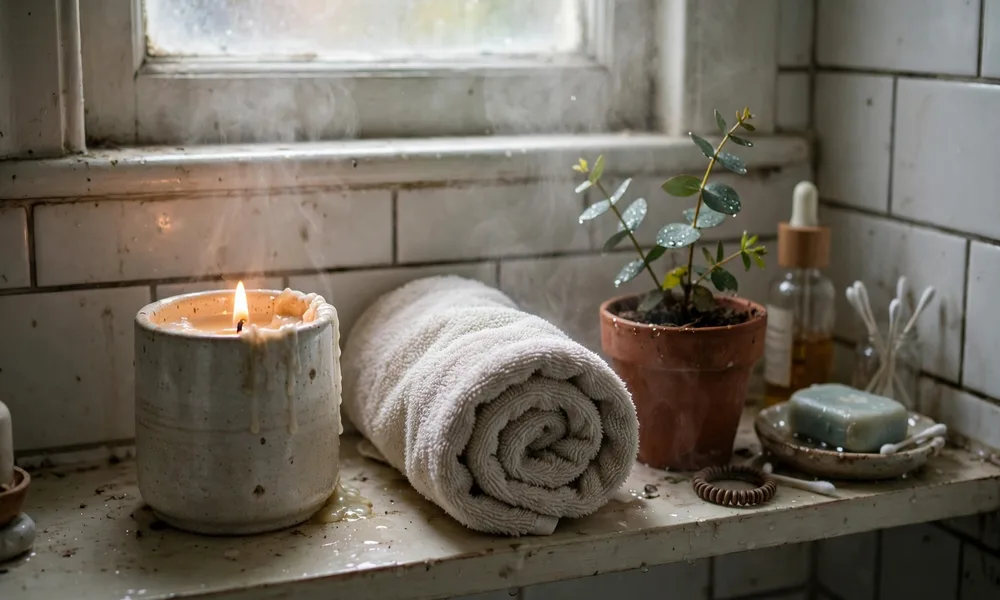
A small jar or tin is usually enough. Dining tables call for restraint: an unscented beeswax taper or pillar gives the glow without competing with the food, or choose a very light scent such as fig leaf.
Burn Time, Scent Throw, and Getting Your Money’s Worth
A candle’s value is its price per hour of burning: a twenty-pound candle that burns for sixty hours costs about thirty-three pence per hour, while a ten-pound candle that burns for fifteen hours costs twice as much per hour for a worse candle. Always divide the price by the stated burn time before you buy.
How to Make a Candle Last Longer
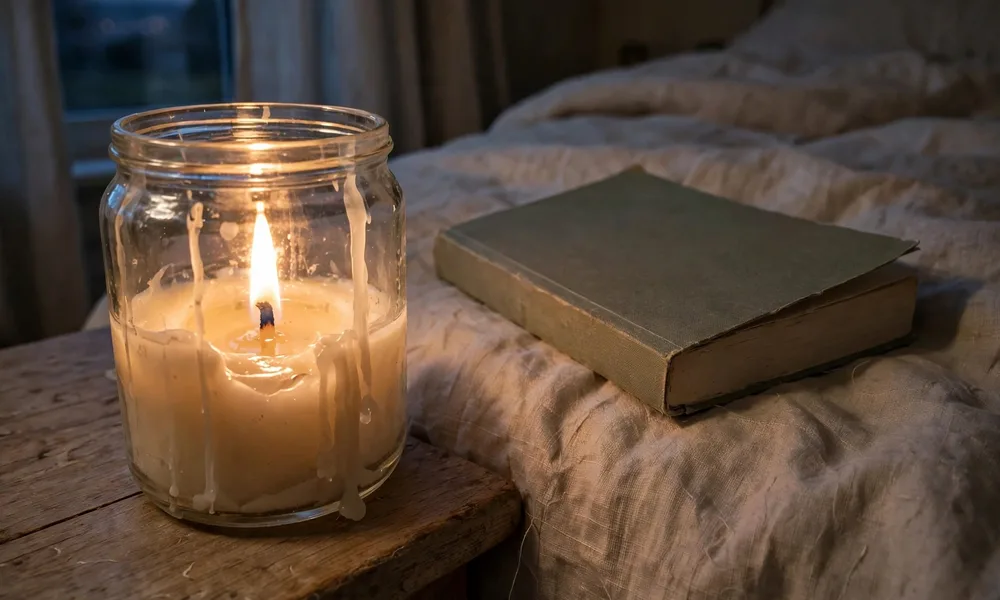
The first burn matters most: let the wax melt to the edges of the jar, about an hour per inch of diameter, or the candle will tunnel and leave a ring of wasted wax. After that, keep burns to three or four hours, trim the wick before each lighting, and keep the candle away from draughts.
Why Some Candles Smell of Nothing
A candle that smells wonderful in the shop but faint at home usually has one of three problems: it is too small for the room, its fragrance load is too low, or it has not reached a full melt pool, which takes twenty minutes or more. If it still smells weak after half an hour in a room of the right size, the fragrance load is the problem, and a different candle is the answer. If you are weighing candles against other ways to scent a home, our candle versus diffuser comparison sets out the running costs and the rooms where each one wins.
Best Candles 2026 Compared
| Candle Type | Best For | Typical Burn Time | Scent Throw | Price per Hour |
|---|---|---|---|---|
| Soy jar candle, medium | Bedrooms and everyday use | 40–60 hours | Moderate, even | Low to medium |
| Beeswax pillar | Dining tables, long evenings | 70–90 hours | Gentle, natural honey | Medium |
| Coconut-soy blend, large jar | Open-plan living rooms | 60–80 hours | Strong, fills large rooms | Medium |
| Paraffin jar candle | Occasional or outdoor use | 20–35 hours | Moderate, fades faster | Low upfront, higher per hour |
| Wooden-wick soy candle | Cosy living rooms | 45–65 hours | Moderate, with a soft crackle | Medium |
| Small tin candle | Bathrooms and travel | 15–25 hours | Light, suits small rooms | Low |
Candle Buying Checklist
- Choose the wax first: soy for everyday use, beeswax for long burns, coconut blend for large rooms.
- Match the candle size to the room, and buy a bigger jar for open-plan spaces.
- Check the stated burn time and work out the price per hour before you buy.
- Pick a scent that suits the room and the time of day, not just the one you like in the shop.
- Trim the wick to about five millimetres before every burn.
- Let the first burn melt the wax to the edges of the jar to prevent tunnelling.
Frequently Asked Questions
What is the best candle wax?
Soy wax is the best all-round choice: it burns cleanly, holds scent well, and is widely available. Beeswax burns longer and suits unscented candles, while coconut-soy blends give the strongest scent throw in large rooms. Plain paraffin is cheaper but burns faster and produces more soot.
How long should a candle burn for?
Burn a candle for about one hour per inch of its diameter on the first burn, so the wax melts evenly to the edges, then keep burns to three or four hours. Much longer burns can overheat the jar, while very short burns cause tunnelling.
Why does my candle tunnel?
Tunnelling happens when the first burn is too short, so the wax only melts in a small circle around the wick. Prevent it by letting the first burn reach a full melt pool, and fix a tunnelled candle by wrapping foil around the top of the jar and burning it for an hour.
Are scented candles safe to burn every day?
Yes, good-quality candles made from soy, beeswax, or coconut wax are safe for daily use, as long as you never leave a burning candle unattended, keep it away from curtains and draughts, and trim the wick before each burn.
How do I make a candle smell stronger?
Choose a candle sized for the room, let it burn for at least twenty minutes so the wax pool forms fully, and keep it out of draughts. If the scent is still weak, the candle’s fragrance load is low, and a coconut-soy blend or a larger jar will work better.
What is the best candle for a small bedroom?
A small or medium soy jar candle in a calming scent such as lavender, chamomile, or sandalwood is best for a small bedroom. Burn it for an hour before bed, then blow it out before you sleep; a 200-gram jar is usually enough.
The Bottom Line
The best candles in 2026 are not the most expensive ones or the prettiest jars on the shelf. They are the candles that burn cleanly, smell right for the room, and last long enough to be worth the price. Start with the wax, match the size to the room, and choose a scent that suits the time of day.


