A candle is the cheapest way to change how a home feels, and the easiest purchase to get wrong. A good one fills the room with a gentle scent within twenty minutes of lighting, burns down evenly to the last drop, and turns an ordinary evening into something a little calmer. A bad one tunnels down the middle, smokes, smells of nothing, or smells of something cheap and chemical that was nowhere near the jar when you bought it.
The difference between the best and the worst candles in 2026 is rarely about price or brand. It comes down to the wax, the wick, and how much fragrance the maker actually put in. The best candles match the room they are burned in, release their scent steadily, and burn cleanly from the first light to the last. The worst rely on a strong smell in the cold jar to sell themselves, then disappoint the moment they are lit. This comparison puts both sides head to head, so you can tell them apart before you buy. If you want a guide that focuses only on the winning side, our guide to the best candles of 2026 compares wax types, burn time, and scent throw across every room of the house.
Key Takeaways
- Soy, beeswax, and coconut wax burn cleaner and more evenly than plain paraffin, and they are the safest default choice for most homes.
- Match the candle size to the room: a small jar suits a bedroom, while a large jar or a pair of candles suits an open-plan living room.
- A candle should fill its room with scent within twenty minutes of lighting; if it does not, the fragrance load is too weak for the space.
- Trim the wick to about five millimetres before every burn to stop smoking, sooting, and oversized flames.
- Burn a candle for one hour per inch of its diameter on the first burn, so the wax melts evenly across the whole surface and never tunnels.
What Makes a Candle Good or Bad
Wax is the single biggest factor in how a candle performs. Two candles can smell identical in the shop and behave completely differently at home, simply because one is soy and the other a cheap paraffin blend. Soy wax is the most common clean-burning option: it burns slowly and evenly, holds fragrance well, and cleans up easily with soap and water. Beeswax burns the longest of all and has a natural honey scent of its own, which makes it the best choice for unscented pillars and dining candles. Coconut wax throws scent well, though it is usually blended with soy to keep it firm. Plain paraffin is cheaper, but it can produce more soot and a weaker scent, and it is the wax behind most of the worst candles on the shelf.
The wick matters almost as much as the wax. Cotton wicks are the standard, and a good one is centred, straight, and sized to the jar, so the melt pool reaches the edges of the container. Wooden wicks crackle softly as they burn and suit larger jars, though they need a longer first burn to get going. A wick that is too small for its jar will never melt the wax to the edges, so most of the fragrance stays locked in solid wax and the candle tunnels down the middle. A wick that is too large burns too hot, smokes, and leaves black soot on the rim of the jar and on the wall behind it.

The Best Candles of 2026
The best candles of 2026 share a simple quality: they do what they promise, quietly, for the whole life of the candle. The scent arrives within twenty minutes and stays steady rather than fading after an hour. The wax melts evenly across the whole surface, so nothing is wasted. The flame stays small and steady, the jar stays clean, and the candle burns to the last drop without smoking or sooting.
Jar candles are the most versatile type, and a good soy jar candle is the best all-rounder in most homes. A small jar of 150 to 200 grams suits a bedroom or a bathroom, while a large jar of 400 grams or more suits a living room, especially if the room is open-plan. Pillars are the best choice for dining tables and fireplaces, because they burn for hours, need no container, and look good unlit as well as lit. Beeswax pillars burn the longest and the cleanest, and a pair of them on a dining table gives a steadier, warmer light than any overhead bulb. Taper candles in brass or glass candlesticks are the classic choice for a dinner party, and the best ones drip very little and burn evenly without bending.
Scented candles work best when the scent matches the room and the moment. Evening candles should help you wind down, so lavender, cedar, sandalwood, and amber are reliable choices, while daytime candles can be brighter: citrus, green fig, or fresh linen. A bathroom suits a fresh, clean scent that cuts through steam and humidity, while a dining room needs care, because a strong fragrance can overpower food and ruin a meal. Unscented candles have their own place, and the best ones are the ones you forget are burning until you notice how much better the room looks.

Candle Types Compared
Choosing between candle types is mostly a question of where the candle will burn and how long it will burn for. A tea light is cheap and cheerful, but it burns for only a few hours and throws almost no scent, so it suits a lantern or a table decoration rather than scenting a room. A votive is a step up, and a pair of them in glass holders gives a pleasant glow on a bathroom shelf. A jar candle is the workhorse: it contains its own wax, it is safe on most surfaces, and a good one scents a whole room. A pillar needs a plate or a tray beneath it, but it burns far longer than a jar of the same weight, and it is the best choice for a fireplace or a dining table.
Diffusers and candles are often bought for the same job, and they suit different moments. A candle gives light as well as scent; a diffuser gives scent without a flame, which suits homes with small children or pets. The two are not rivals: the best homes use both. Scent is also a matter of strength, and strength is a matter of room size. A light candle suits a small room, while an open-plan space needs a larger jar or two candles, and a candle that seems to vanish may still be there: your nose adapts in minutes, so ask someone walking into the room for the honest verdict.
The Worst Candles of 2026
The worst candles fail in ways that are easy to spot once you know what to look for, and the first sign is usually the smell. A candle that smells wonderful in the shop and weak at home is failing the hot throw test: its cold smell, the scent it gives off unlit, is strong, but its burning smell is faint, because the maker used too little fragrance oil or a wick too small to melt a proper pool. Our guide on how to pick a scented candle that actually smells good in 2026 explains the difference between cold throw and hot throw, and the twenty-minute test that tells you more than any label.
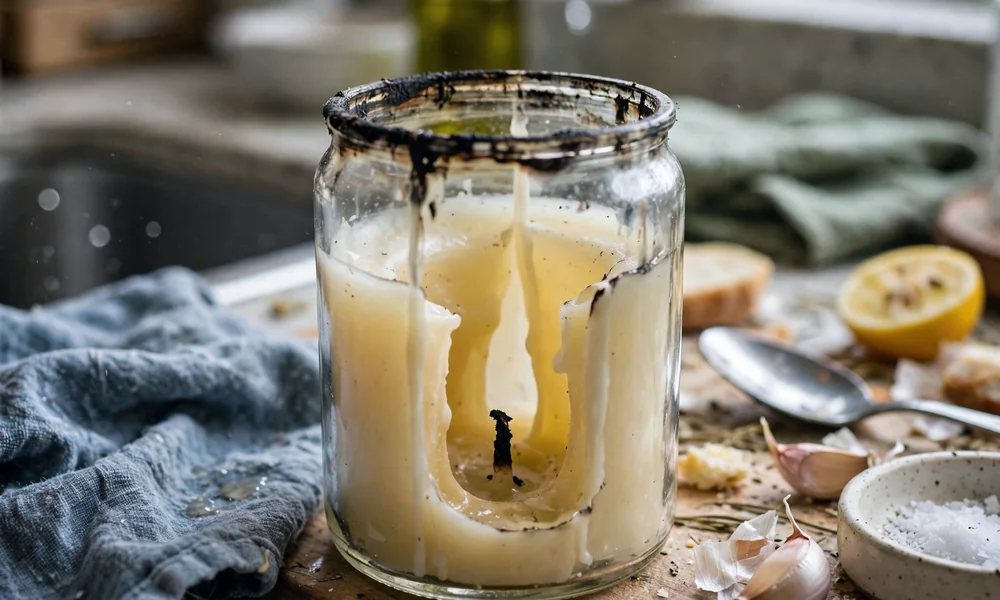
Tunnelling is the second great failure. A candle that is burned for only ten minutes at a time never melts its wax to the edges, so it burns a narrow hole down the middle and leaves a thick wall of wasted wax around it. The fault is partly the burner’s, and partly the maker’s: a good candle recovers from a short burn, while a bad one tunnels on its very first light and never comes back. Sooting is the third failure, and the most visible. A candle that leaves black marks on the rim of its jar, on the wall behind it, or on the ceiling above it is burning too hot, usually because the wick is too large or the wax is cheap paraffin. Soot is not just ugly: it is a sign that the candle is burning incompletely, and it settles on everything in the room.
The worst candles of all are the ones that are unsafe. A candle in a thin glass jar that cracks as the wax level falls, a candle with a wick that leans against the glass, a candle left burning in a draught that makes the flame dance and smoke: these are the candles that cause the accidents. Never leave a burning candle unattended, never burn one near curtains or paper, and never burn a candle all the way to the bottom of its jar. The last centimetre of wax is where jars crack and flames grow, and a candle that is finished is finished.
How to Get the Most From Every Candle
Good burning habits make a good candle better and a mediocre candle bearable. Trim the wick to about five millimetres before every burn, and do it while the wax is cool. A long wick makes a large, smoky flame; a trimmed wick makes a small, steady one. Give the first burn enough time: one hour per inch of the candle’s diameter, so the wax melts evenly across the whole surface. After that, two to three hours per burn is the sweet spot, long enough to enjoy the scent and short enough that the jar never gets dangerously hot.
Keep candles away from draughts, because moving air makes the flame flicker, smoke, and burn unevenly. Keep the wax pool clean, and fish out any burnt wick trimmings or matches before you light the candle again, because debris in the pool makes the flame flare. Store candles in a cool, dark place, because heat and sunlight fade the scent and soften the wax. And remember that scent is only one way to make a home smell good. Ventilation comes first, and a room that is aired for ten minutes a day needs far less help from candles and sprays alike. Our comparison of the best and worst air fresheners of 2026 covers the other half of the job, from plug-ins and reed diffusers to the sprays that only mask a smell for an hour.
The Verdict
The best candles of 2026 are the ones that burn evenly, smell steady, and finish cleanly: soy and beeswax jars for everyday rooms, beeswax pillars for the dining table, and tapers for a dinner party. The worst are the cheap paraffin jars that tunnel, soot, and smell of nothing twenty minutes after lighting. Choose the wax first, match the size to the room, trim the wick, and give the first burn its full hour per inch. A candle chosen that way is a small purchase that makes a home feel cared for every single evening.