
A car wax is one of the few products you buy that you then trust with your paint every time you use it. It sits on the clear coat through rain, sun, bird droppings, and road salt, and the difference between a good one and a bad one shows up in the shine, the water beading, and the condition of the paint months later. A good wax leaves paint deep, smooth, and protected; a bad one leaves it hazy, streaky, and more exposed than before.
The gap between the best and the worst car waxes in 2026 is wider than the price tags suggest. Two waxes can look almost identical on the shelf, with the same bold claims and the same glossy bottle, yet one will still be beading water three months later while the other has washed off in the first rain. The difference is in the formula, the durability, and how it behaves on real paint, and it only shows up once you have lived with it for a few weeks. This guide puts the two ends of the market side by side, so you can tell them apart before you spend anything. It is about waxes only, not the whole detailing shelf: wash shampoos, cloths, tyre dressings, and compounds are a different comparison, and our guide to the worst car detailing products covers those separately.
Key Takeaways
- The best car waxes use a real protective formula, apply thinly and evenly, and keep beading water for months; the worst wash off in weeks.
- Buy the right type for the time you actually have: a paste wax for a weekend detail, a liquid wax for regular use, a spray wax for a quick top-up.
- Durability matters more than the first-day shine: judge a wax after a month of rain, not after an hour in the garage.
- Cheap waxes haze on dark paint, streak in the sun, and can leave white residue on plastic trim.
- A wax that cannot be removed cleanly is not a bargain, whatever the price.
Pick the Right Type First
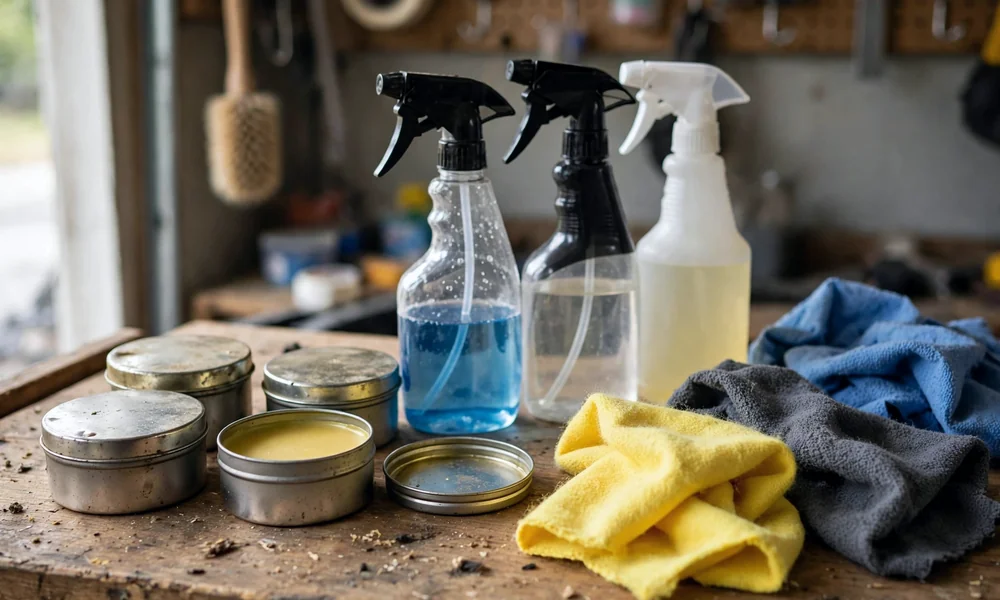
Before looking at any single wax, decide what kind of protection you actually need. A paste wax is the traditional choice: a solid wax in a tin, usually based on carnauba, applied thinly by hand with a foam pad and buffed off with a soft cloth. It gives the deepest, warmest shine, especially on dark paint, but it takes the most time and effort, and it rarely lasts more than two or three months.
A liquid wax is the sensible default for most drivers in 2026. It spreads easily, cures faster than a paste, and is easier to apply evenly over a whole car. It does not quite match a good paste for depth of shine, but it is far more practical for someone who waxes four times a year. A spray wax is different again: it is a quick top-up, sprayed on after a wash and wiped off in minutes, and it is ideal for maintaining protection between full waxes, not for replacing them.
What the Best Car Waxes Get Right
The best car waxes are not the most expensive ones. They are the ones where every part of the formula has been tested on real paint, in real weather, by people who actually wash their cars. You can feel the difference the moment you apply one: it spreads thinly, hazes evenly, and buffs off without a fight.
Formulas That Protect Instead of Just Shining
A good wax starts with an honest formula, and the three common bases each have a clear character. Carnauba wax gives the warmest, deepest shine, and it is the classic choice for a show car or a dark-coloured car on a dry weekend. Synthetic sealants are tougher and longer-lasting, shrugging off rain and road salt for months, though their shine is cooler and more glassy than warm. Ceramic-infused products sit between the two, adding durability to a wax base, though their real lifespan depends on the preparation underneath.
Application That Is Thin, Even, and Forgiving
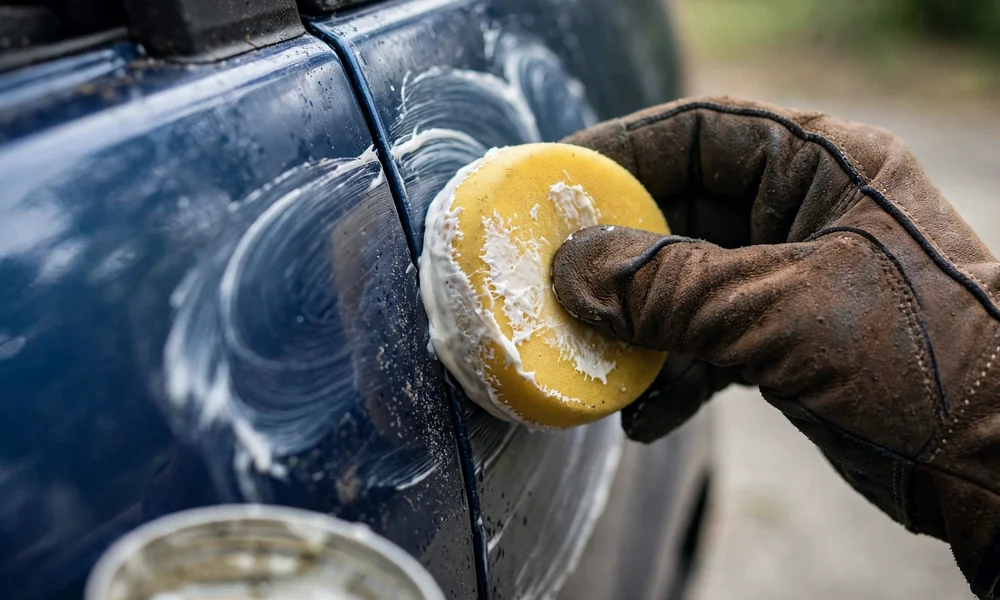
Application is the part of waxing you do most, and it is where good and bad waxes part company fastest. A good wax applies in a thin, even film, with a foam pad that glides rather than drags, and it hazes evenly across the panel. The amount matters far less than the evenness: a thin coat of a good wax will outlast a thick coat of a cheap one, and a thick coat is harder to remove and more likely to haze.
Durability You Can Measure in Months
Durability is the real test of a wax, and it deserves more attention than most buyers give it. The best waxes in 2026 keep water beading tightly for two to six months, depending on the type and the weather, and the paint still feels smooth to the touch after a wash. The beading test is simple: spray water on the bonnet a month after waxing, and watch whether it forms tight round beads or spreads into a flat sheet.
A Finish That Suits Your Paint
Finish is the most underrated part of a wax. A good wax suits the colour and condition of your paint: a warm carnauba deepens a dark blue or black car, while a synthetic sealant suits a silver or white car that needs protection more than depth. The wax should also be safe on the trim around the paint, and it should not stain black plastic or rubber seals.
The Paint Underneath: Preparation Matters
No wax can fix dirty or damaged paint, and preparation is where most wax jobs go wrong. A wax applied over grit, tar, or old wax will bond poorly and fail early, whatever the quality of the product. Wash the car properly first, dry it with a large soft towel, and make sure the paint is cool and out of direct sun before you start.
There is also the question of what else your car needs. A wax protects the paint, but the inside of the car needs its own care, and our guide to the best car vacuums of 2026 covers the models that clean a cabin properly. For the paint itself, the rule is simple: clean first, then protect, and never wax a dirty car.
What the Worst Car Waxes Get Wrong
The worst car waxes share the same pattern: they are designed to look good on the shelf and to impress in the first hour, not to protect the paint for months. Everything about them is slightly too thin, slightly too harsh, or slightly too vague, and the problems only appear once you are committed, with the wax already on the car and the sun coming out.
Haze, Streaks, and Residue That Will Not Shift
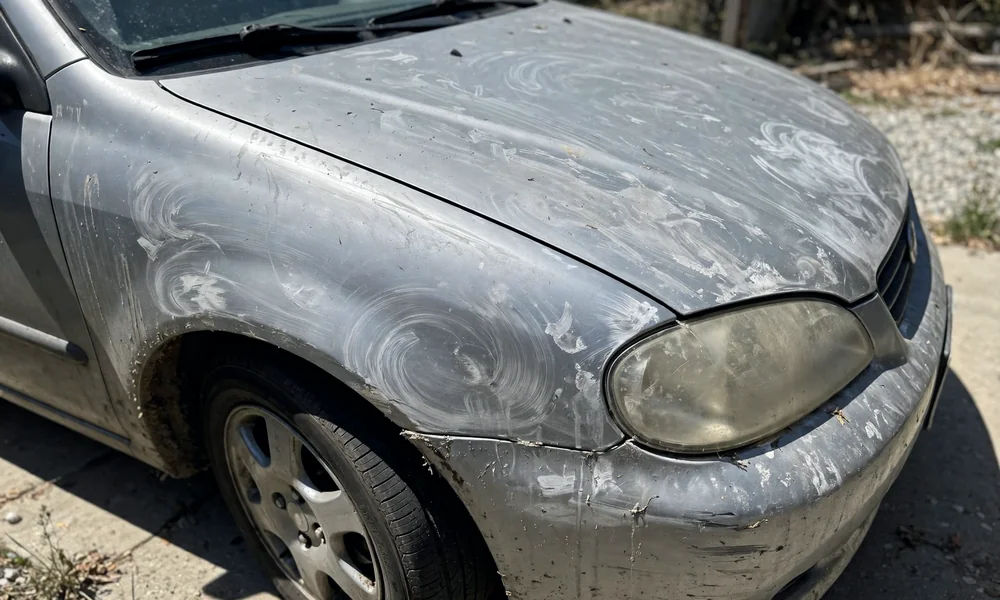
The most common failure in a bad wax is a finish that looks worse than the paint underneath. A cheap wax can haze on dark paint, leaving a milky film that no amount of buffing removes. It can streak in direct sun, where it dries too fast and bonds unevenly, and it can leave white residue on black trim that takes a separate cleaner to remove.
Protection That Washes Off in the First Rain
Bad waxes do not usually fail all at once. They bead beautifully on the day you apply them, and they wash off in the first heavy rain, when the thin film of protection simply dissolves. They promise months and deliver weeks, and by the time you realise the protection has gone, you have probably blamed your washing technique and bought another bottle from the same shelf.
Bad waxes fail in the same quiet way on the glass too. A wax that smears across the windscreen will haze in low sun and make night driving unpleasant, and a wax that gets onto the wipers will streak every time it rains. Keep wax off the glass, and if you do get it there, clean it properly: our guide to the best and worst glass cleaners of 2026 covers the products that leave glass genuinely clear.
Claims That Outrun the Formula
The worst waxes make the biggest claims. A spray bottle that promises a year of ceramic protection for the price of a sandwich is selling a word, not a coating. Most such products are simply sealants with a little silicon dioxide added, and they may bead water nicely for a few weeks, but they will not last for a year. Judge them as what they are: a decent short-term top-up at best.
Best vs Worst: The Head-to-Head
Put the two sides next to each other and the comparison is stark. A good wax costs more up front, but it protects for months, and every wash in between is easier because dirt slides off the protected paint. A bad wax costs less, but it often lasts a few weeks, and every wash after it is harder, because the paint is unprotected and the residue is still there. Over a year, the cheap wax that gets applied six times costs more, in money and in time, than the good wax applied twice.
The differences are practical, not cosmetic. Good waxes bead water for months, apply thinly, and wipe off cleanly. Bad waxes do none of these things reliably, and the failures compound: a hazy finish makes you wax again sooner, and waxing again sooner puts more residue on the trim.
Who Each Side Is For
The best car waxes suit anyone who washes their own car more than once a month, anyone who parks outside, and anyone who has ever watched a cheap wax wash off in the rain. Daily drivers, weekend detailers, and owners of dark-coloured cars all benefit from the same things: real durability, a clean finish, and an easy removal.
Before You Buy: A Short Checklist
Use this checklist on every wax you consider, and do not skip a step because the price is good. First, read the type. A paste, a liquid, and a spray are different tools, and the right one depends on the time you have. Second, check the durability claim and ask how it was measured; a claim of a year needs more evidence than a claim of three months. Third, test it on one panel first, and check the finish in sunlight before you do the whole car. Fourth, check that it is safe on your trim and your paint colour.
Then think about the rest of the routine. A wax is the last step, not the first, and it only works on paint that is clean and dry. For the wax itself, the rule is simple: buy the most honest formula you can afford, apply it thinly, and judge it after a month of rain, not after an hour in the garage.
The Verdict
The best car waxes of 2026 are not the ones with the biggest claims or the brightest bottles. They are the ones with an honest formula, a thin even application, durability measured in months, and a finish that suits your paint. The worst car waxes look like a bargain and protect like a rumour: hazy, streaky, and gone after the first rain.
So buy slowly, test on one panel first, and choose the wax for the time you actually have and the paint you actually own. Choose well, and your car will still be beading water, quietly and reliably, months after the bargain waxes have washed away.


