Walk into any car care aisle and the shelves promise the same thing: a showroom shine in minutes, with no effort. The worst car detailing products live on that promise. They are cheap, loud, and everywhere, and they sell because we want to believe a ten-pound bottle can replace good technique and good tools.
The truth is less convenient. A bad detailing product does not simply fail to clean your car. It can leave swirl marks in soft paint, strip the protection you already paid for, stain plastic trim, and smear glass so badly that night driving becomes unpleasant. The worst car detailing products cost you twice: once at the till, and again when you pay someone to undo the damage.
This guide names the products that waste your money and harm your paint, and shows what to use instead. You do not need a professional studio or a shelf full of bottles, just a short list of honest products and a sensible method.
Key takeaways
- All-in-one wash-and-wax products clean poorly and protect barely at all.
- Cheap cloths and sponges cause more swirl marks than almost any chemical.
- Silicone-heavy tyre dressings look good for a day, then attract dust and stain everything they touch.
- Spray-on ceramic coatings that promise years of protection for a few pounds are almost always exaggerating.
- A small kit of proven products, used in the right order, beats a cupboard full of gimmicks.
Why So Many Detailing Products Disappoint
Car detailing is a market built on hope. Most buyers wash their car a few times a year, cannot compare products side by side, and judge a product by how it looks in the first hour. Manufacturers design for that first hour: heavy silicones for instant gloss, strong fragrance, and bold claims no one will test.
The result is a shelf full of products optimised for the shop, not for your car. A shampoo that foams dramatically may contain harsh detergents that strip wax. A spray wax that beads beautifully in a photograph may wash off in the first rain. A leather cleaner that smells like a new car may leave a sticky film.
The First-Hour Trap
Most bad detailing products impress immediately and fail slowly. A tyre dressing that slings oily residue will not show its worst side until you drive. A glass cleaner that leaves a haze will not reveal itself until low sun hits the windscreen. A polish that fills swirl marks with oils will look flawless until the first proper wash removes the fillers.
That delay is the business model. By the time you realise a product has failed, you have probably blamed your technique and bought something else from the same shelf. Break the cycle by judging products over weeks, not minutes.
The Worst Car Detailing Products to Avoid
These are the repeat offenders: products that show up in complaints, in detailers’ warning lists, and in the experience of anyone who has tried to save money in the wrong place.
All-in-One Wash-and-Wax Shampoos
The wax in these shampoos is so diluted by wash water that it offers almost no lasting protection. What you get is a shampoo weaker at cleaning than a plain one, because part of its formula is busy being a poor wax. Some also leave a film that interferes with a proper sealant applied later, so you skip the real protection step. Use a dedicated shampoo for washing and a dedicated product for protection.
Cheap Microfibre Cloths and Sponges
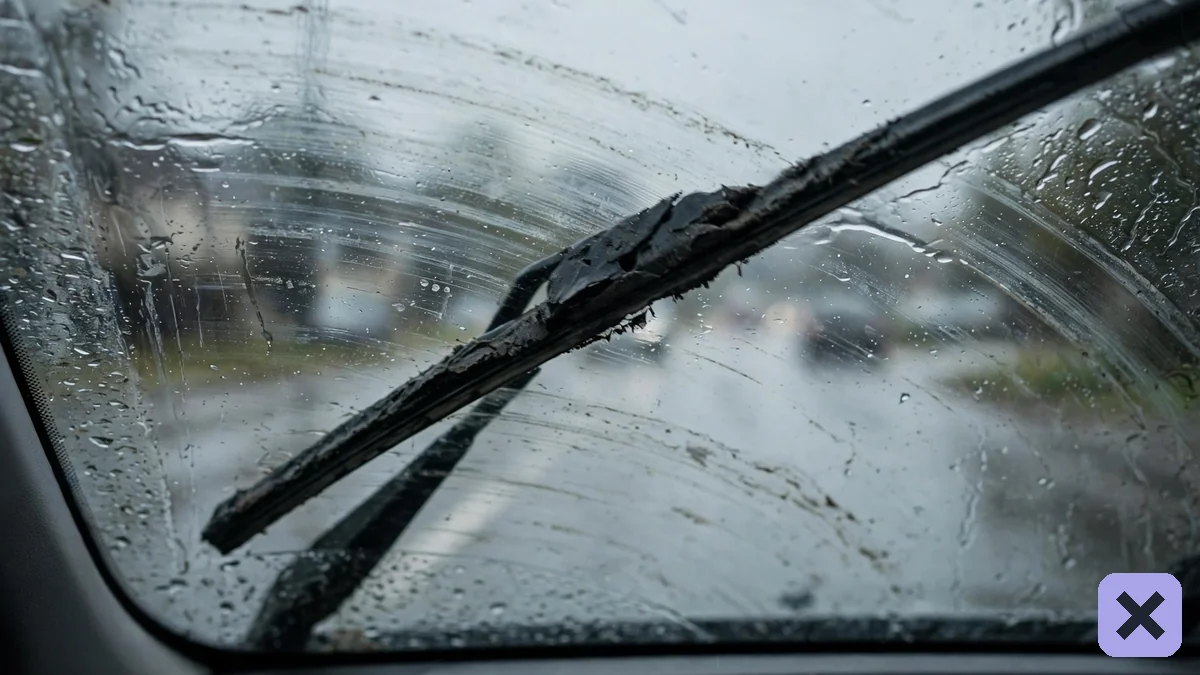
The most damaging item in many car care kits is not a chemical at all. It is the cloth. Bargain microfibre cloths often have short, rough fibres and edges that scratch. Cheap sponges are worse: their flat faces trap grit against the paint and drag it across the surface. Swirl marks, those fine scratches visible in sunlight, are usually caused by exactly this. A good wash mitt costs little more than a bad sponge.
Silicone-Heavy Tyre Dressings
A good tyre dressing should make tyres look clean and dark without turning them into mirrors. The worst ones are thick, greasy, silicone-heavy gels that shine like wet plastic, attract dust within hours, and sling brown residue up your doors the moment you drive. Water-based dressings, applied thinly and left to dry before driving, give a far more natural finish.
Bargain Cutting Compounds and Scratch Removers
A compound that promises to erase scratches by hand in minutes is either too mild to do anything, or aggressive enough to haze the paint around the scratch. Either way, you lose: the scratch stays, or the clear coat is dulled and thinned. Real paint correction removes a tiny, controlled amount of clear coat with a machine polisher, which a hand-applied compound cannot replicate. A deep scratch needs a professional, not a miracle tube.
Spray-On Ceramic Coatings That Promise Years
Genuine ceramic coatings are applied by professionals after hours of preparation, and they cost accordingly. The spray bottles that borrow the word ceramic and promise years of protection for the price of a sandwich are selling a word, not a coating. Most are simply sealants with a little silicon dioxide added. They may bead water nicely for a few weeks, but they will not last for years. Judge them as what they are: a decent short-term sealant at best.
How Bad Products Damage Your Paint
Paint damage from detailing products is rarely dramatic. It arrives gradually, as dullness, fine scratches, and stains you notice one sunny afternoon and cannot explain. The clear coat on a modern car is thin, often thinner than a sheet of paper, and the damage is cumulative. You cannot wash swirl marks away. You can only polish them out, which removes more clear coat.
Swirl Marks and Micro-Scratches
Swirl marks come from dirt dragged across paint by a dirty wash mitt, a rough drying cloth, or a gritty sponge. Prevention is simple. Rinse the car before touching it, use two buckets with grit guards, wash in straight lines rather than circles, and dry with a large, soft towel instead of dragging a chamois across the surface.
Chemical Etching and Stripped Protection
Some cleaners are simply too strong for the job. Household detergents, washing-up liquid, and aggressive all-purpose cleaners strip wax and sealant, dry out rubber seals, and can etch paint if left to dry in the sun. They clean well, which is the trap: the car looks clean, and the damage is invisible until the next wash. Never let any detailing chemical dry on the car in direct sunlight. Repeated damage like this is how small mistakes grow into the car features that add most to repair costs.
| Product type | Main problem | What to use instead |
|---|---|---|
| All-in-one wash-and-wax | Cleans weakly, protects barely | Dedicated shampoo plus a separate sealant |
| Cheap sponges and cloths | Swirl marks and scratches | Wash mitt and soft drying towel |
| Silicone tyre dressing | Greasy sling and dust magnet | Water-based dressing, applied thinly |
| Bargain scratch remover | Hazing and thinned clear coat | Professional correction for real scratches |
| Spray ceramic, years promised | Exaggerated durability claims | Honest sealant, reapplied regularly |
What Actually Works Instead
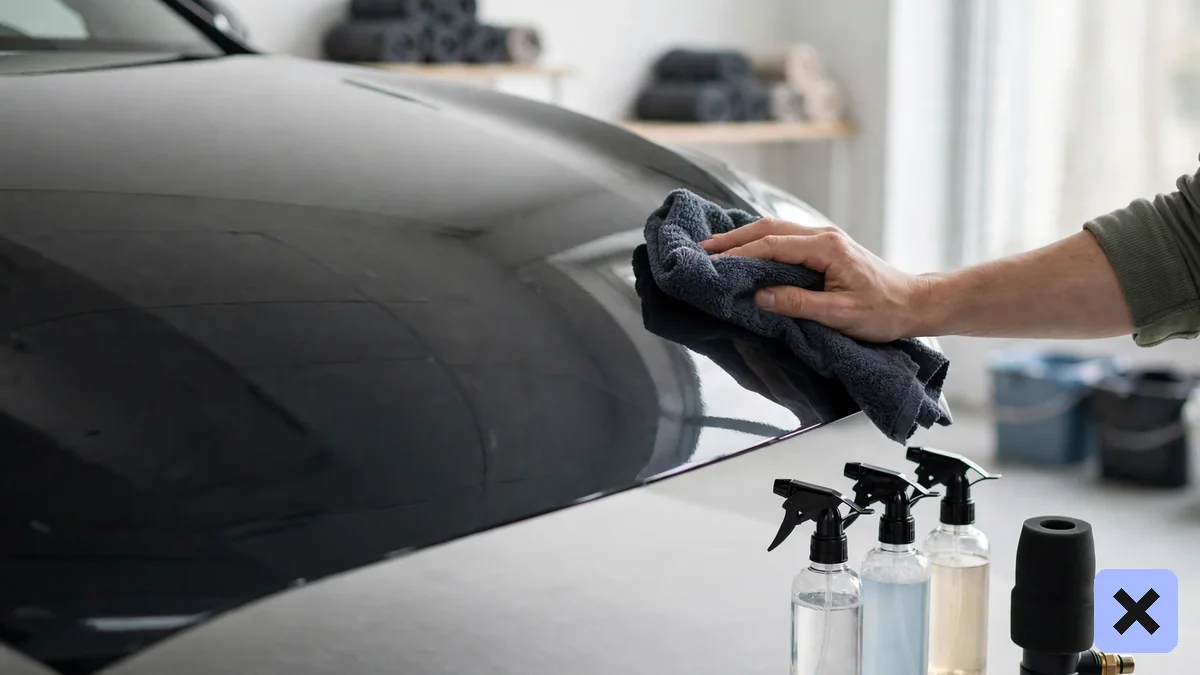
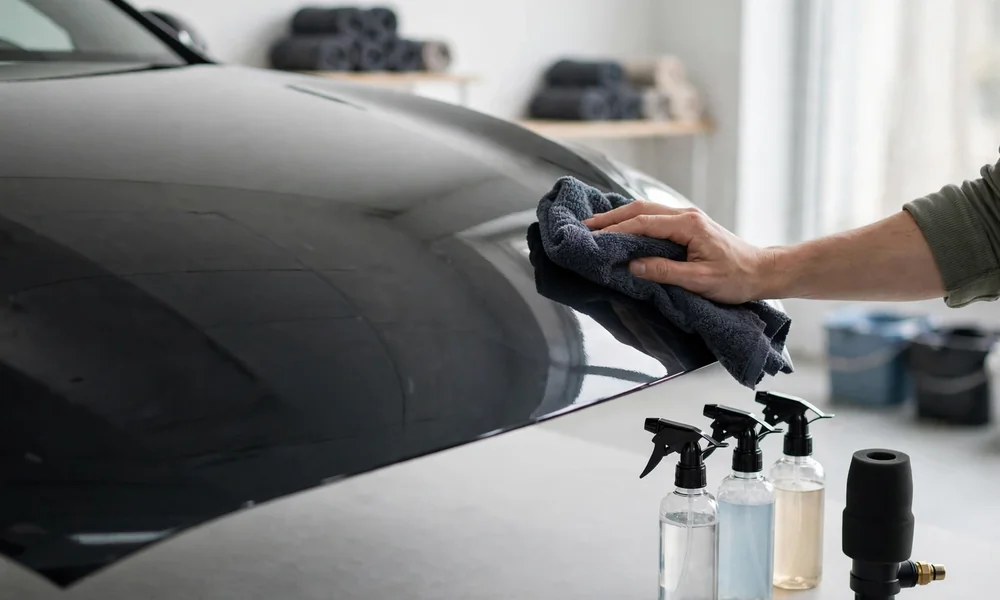
A proper detailing kit is small, affordable, and lasts for months. You do not need a trolley full of bottles. You need a handful of honest products, used in the right order. Start with the wash, because that is where most damage happens. A pH-neutral shampoo, two buckets, a wash mitt, and a drying towel are the foundation.
A Safe Wash Routine
Rinse the car thoroughly before touching it. Wash from the top down, rinsing the mitt in a separate bucket before reloading it with shampoo. Work in the shade, one section at a time, and rinse each section before the shampoo dries. Dry with a large microfibre towel laid flat and patted, rather than dragged. This routine takes ten minutes longer than a careless wash. If your current routine feels harsh, compare it with the worst car washes for paint damage before your next wash.
Protection That Earns Its Keep
Protection means a wax or sealant applied to clean, dry paint and buffed off properly. A sealant typically lasts longer than a natural wax, while a wax often gives a warmer look. Either is fine. What matters is that it is a real protection product, applied on its own. Reapply every few months, or when water stops beading.
Interior Care Without the Grease
Interiors need less product than exteriors, not more. Vacuum first, then wipe surfaces with a damp microfibre cloth. Use a mild interior cleaner only where there is actual dirt, and a dedicated leather cleaner and conditioner on leather seats, applied sparingly and buffed off. Glass deserves its own cleaner and cloth. A clean interior should smell of nothing much at all.
How to Spot a Bad Detailing Product Before You Buy
You can filter out most of the worst products just by reading the label with a sceptical eye. They share a set of tells: impossible promises, vague ingredients, and marketing that talks about miracles instead of method. Watch for claims of years of protection from a spray, scratches erased in minutes, or a single bottle that washes, polishes, waxes, and protects.
Price is a clue, but not a rule. Some cheap products are excellent, and some expensive ones are marketing. The better test is specificity: does the label explain the job, the surfaces, and the method? If it only promises shine, put it back. The same scepticism applies beyond the detailing shelf, since plenty of add-ons belong on the list of the worst car accessories that waste money.
Detailing Checklist: Buy Smart, Wash Safe
- Choose a dedicated pH-neutral shampoo, and keep washing-up liquid out of the bucket entirely.
- Use two buckets with grit guards, a proper wash mitt, and a large soft drying towel.
- Apply protection as a separate step on clean, dry paint, and reapply when water stops beading.
- Apply tyre dressing thinly, let it dry before driving, and avoid greasy gels that sling.
- Keep interior products mild and matte, and never let them create glare or sticky film.
- Ignore miracle claims on labels, and judge every product over weeks.
Frequently Asked Questions
What is the worst detailing mistake most owners make?
Washing with the wrong tools. A dirty sponge or a rough cloth causes more swirl marks than any chemical. A proper mitt, two buckets, and a soft drying towel prevent most paint damage.
Are expensive detailing products always better than cheap ones?
No. Price is a weak guide in car care. Some affordable shampoos, sealants, and cloths perform as well as premium brands, while some expensive bottles are mostly marketing. Judge a product by its results over time, not its price tag.
Can washing-up liquid really damage car paint?
Yes, over time. Washing-up liquid strips grease from dishes, and it strips wax and sealant from paint just as effectively. Used once, it will not destroy your car, but used regularly it leaves paint unprotected and dries out rubber.
Do spray-on ceramic coatings work at all?
Most work as short-term sealants, giving a few weeks of water beading and gloss. They do not provide the years of hard protection a professional ceramic coating offers. Treat them as a convenient sealant and reapply regularly.
How do I remove white stains from black plastic trim?
Start with a dedicated trim cleaner on a microfibre cloth, and work gently. For stubborn stains, a trim restorer applied thinly can darken the plastic again. Prevention is easier: mask trim before polishing.
How often should I wax or seal my car?
Every two to four months is sensible for most cars. The water-beading test is your best guide: when water stops beading and starts sheeting flat, it is time to reapply.
The bottom line: The worst car detailing products are not the cheapest ones, they are the ones that promise miracles and deliver damage: all-in-one shortcuts, rough cloths, greasy dressings, and spray coatings that borrow a professional name. Skip them, and your car will look better for longer.