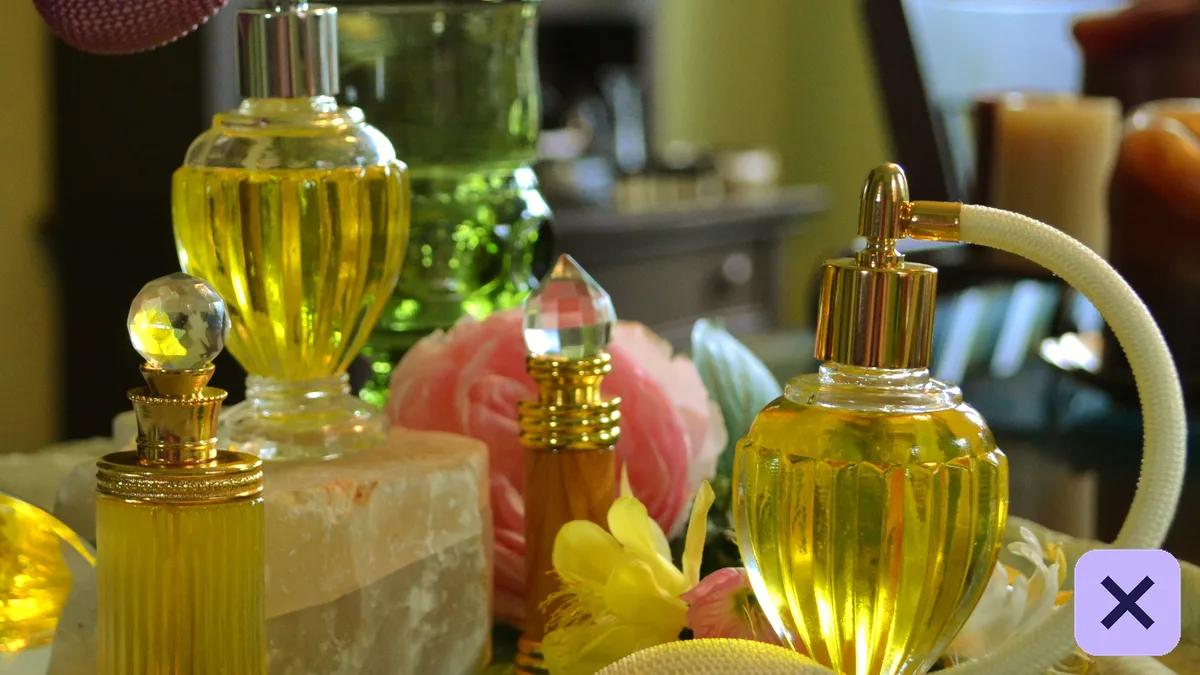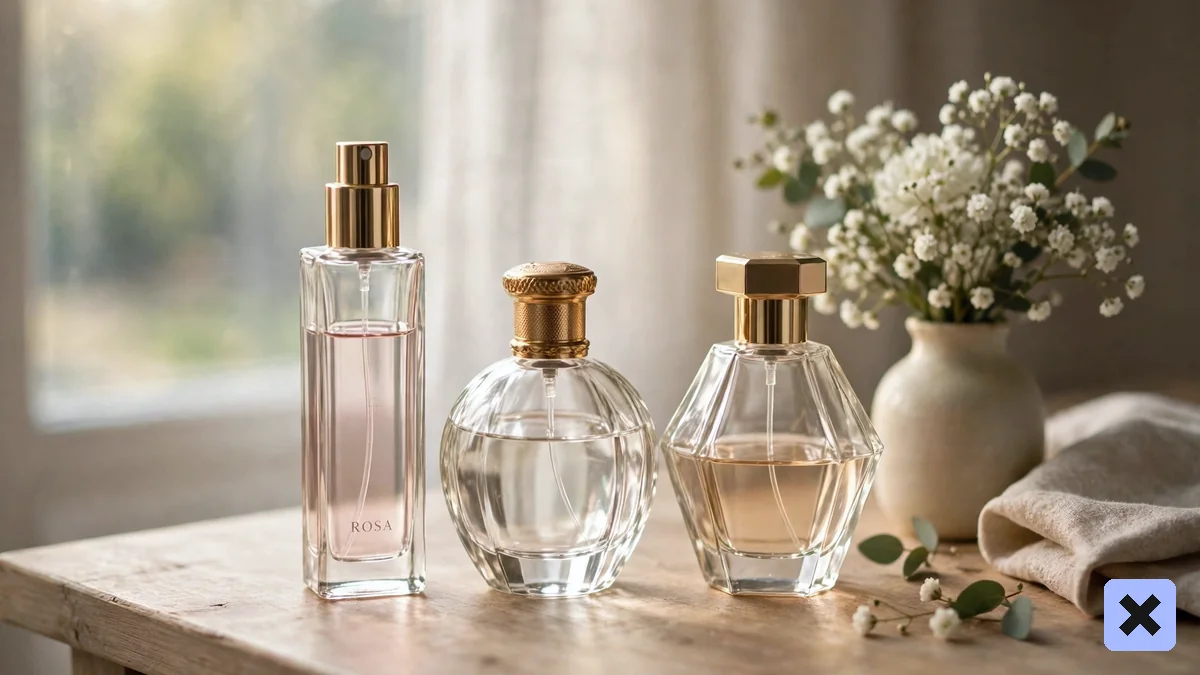
Perfume is the most personal thing you can wear, and the hardest to buy well. A good perfume smells like you on your best day: it opens bright, settles into something warm and interesting, and is still there hours later when someone leans in close. A bad one smells loud in the shop and wrong by lunchtime, or fades within an hour and leaves nothing but a faint chemical sweetness. The difference is rarely the price on the bottle. It is the quality of the ingredients, the balance of the blend, and whether the scent suits your skin and your life. This guide sorts the best perfumes from the worst in 2026, so you can find one worth wearing every day instead of a bottle that gathers dust.
Buying perfume is difficult because you cannot judge it from a list of notes or a pretty bottle. The same perfume smells different on two people, and different again in summer and winter. A scent that is lovely on a paper strip can turn sharp or flat on warm skin, and the first spray tells you almost nothing about how it will smell after an hour. That is why the best way to choose is slowly: spray it on your wrist, walk away, and come back to it later.
What makes a perfume good
A good perfume has structure. It opens with light top notes, usually citrus or green herbs, that catch your attention for the first twenty minutes. Then the heart appears, often floral or spicy, and that is the character you will live with for most of the day. Finally the base notes arrive: woods, musk, amber or vanilla, which give the scent its warmth and staying power. When those three stages flow into each other, the perfume feels like one thing rather than three separate smells. When they do not, the scent falls apart, and you notice the joins.
Longevity and sillage are the practical tests. Longevity is how long the scent lasts: a good eau de parfum should still be noticeable after six to eight hours, and a good eau de toilette after four or five. Sillage is the trail it leaves behind you, and here restraint is a virtue. A good perfume is noticed when someone is close to you, not when you enter a room. If a scent fills a lift or tires your own nose within an hour, it is too loud for daily wear.
Quality of ingredients matters more than the name on the bottle. Real citrus oils, natural florals and good woods smell rounded and alive, while cheap synthetic copies often smell thin, harsh or oddly sweet. Most modern perfumes mix natural and synthetic ingredients, and some of the finest rely on synthetics for notes that cannot be taken from nature. What matters is the balance: a well-made perfume smells smooth from the first spray to the last hour, with no single note shouting over the rest.
The best perfumes of 2026
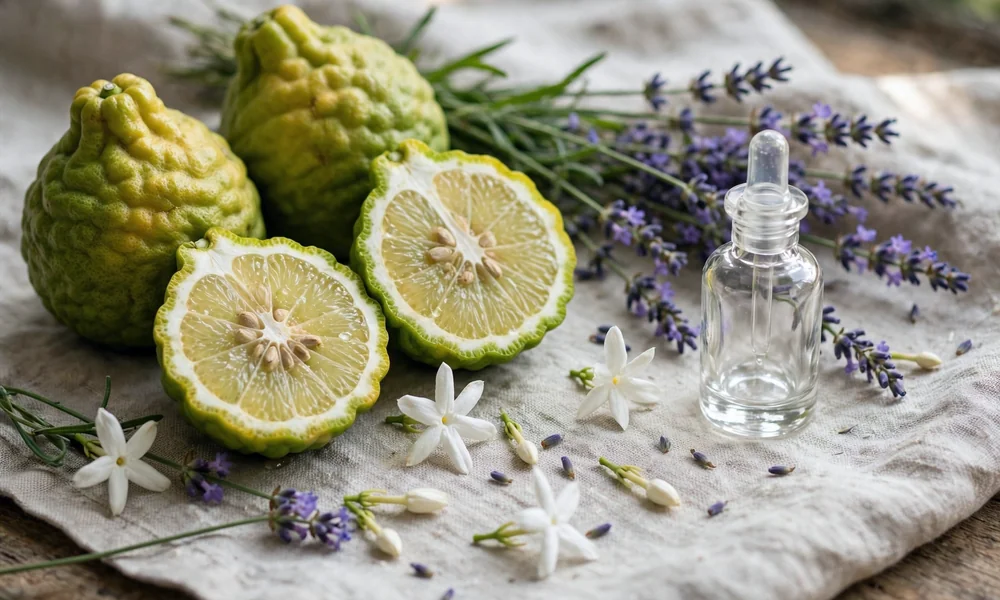
The best fresh perfumes of 2026 are built on citrus done properly. Bergamot, grapefruit, lemon and neroli give a bright, clean opening that feels like fresh air, and the best of them keep that freshness for hours instead of vanishing in ten minutes. A good fresh perfume suits the office, warm weather and anyone who wants to smell clean rather than perfumed. Look for one where the citrus is supported by a gentle herbal or woody base, so the scent has somewhere to go as the top notes fade.
Floral perfumes earn their place when the flowers smell real. A good rose smells like a garden rose, soft and a little green, not like rose-scented soap. A good jasmine is warm, not shrill, and a good lavender is herbal and calm rather than medicinal. The best floral perfumes layer two or three flowers with a warm base, so the scent has depth instead of smelling like a single note turned up too loud. They suit spring and summer, weddings and daytime wear.
Warm and woody perfumes are the best choice for evenings and cold weather. Sandalwood, cedar, vetiver and amber give a scent weight and comfort, and the best ones feel like a good coat: present, warm and quietly confident. The woods should be softened with spice, vanilla or a touch of citrus, so the scent stays smooth. These are the perfumes that last longest, often eight hours or more. Spray lightly, though: woody scents grow stronger with body heat, and two sprays are often enough.
Finally, the best clean and skin-like perfumes deserve a place on the list. These are the quiet ones: soft musk, a little iris, a hint of soap and warm skin, smelling less like perfume and more like someone who simply smells good. They are the hardest to make well, because there is nowhere to hide a cheap ingredient. They suit anyone who dislikes strong scent, works close to other people, or wants a perfume for every day rather than special occasions.
The worst perfumes of 2026
The worst perfumes of 2026 are the loud ones: sweet, heavy scents that hit you all at once and never change. They often open with a blast of synthetic fruit or candy, then collapse into a flat, sugary base that smells the same on everyone and lingers on clothes for days. They are usually cheap, heavily advertised, and sold in bottles that look far more expensive than the juice inside. After an hour the sweetness turns cloying, and by the afternoon they smell stale.
Then there are the perfumes that fade almost immediately. A weak eau de toilette or a thin body spray can smell delightful for ten minutes and then disappear completely. Some of this is honest: a light citrus cologne is never going to last eight hours. But a perfume sold as long-lasting that vanishes by mid-morning is a poor buy, and spraying more only makes the opening louder without fixing the dry-down. Check reviews for longevity before you buy.
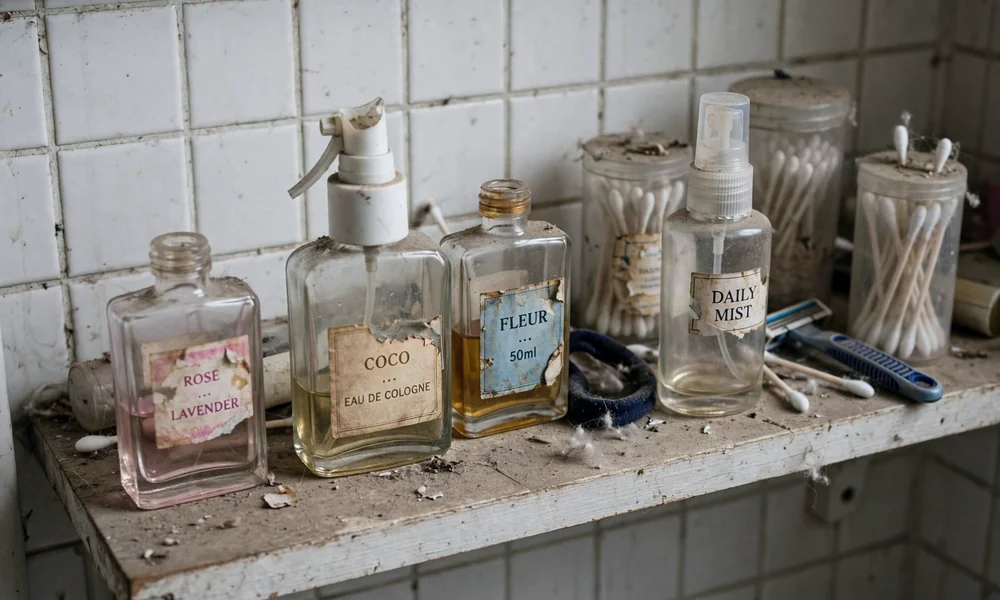
The third group on the worst list is the faded and the fake. Perfume goes off: heat, light and air break it down, and a bottle left on a sunny windowsill or in a hot bathroom will turn sour within a year or two. If a perfume smells sharp, vinegary or oddly flat compared with how you remember it, it has turned. Counterfeits are the other risk: a bottle bought far below the usual price from an unknown seller is often watered down or entirely fake, and it can irritate the skin. Buy from proper shops and store your bottles somewhere cool and dark.
Concentrations and scent families
Understanding concentration saves money and disappointment. Eau de toilette is lighter, usually five to fifteen per cent perfume oil, and suits daytime and warm weather. Eau de parfum is stronger, fifteen to twenty per cent, lasts longer and suits evenings and cold weather. Parfum, or extrait, is the strongest and most expensive, and a single drop can last all day. Body mists and sprays are the lightest of all and fade within an hour or two. None of these is better in itself: the right choice depends on when and where you will wear it. A heavy parfum at the gym is as wrong as a light mist at a winter wedding.
Scent families give you a map. Fresh scents are citrus, green and aquatic; florals are rose, jasmine and lily; woods are sandalwood, cedar and vetiver; orientals are amber, vanilla and spice. Most people love one family and tolerate the rest, and knowing yours narrows the search enormously. Your skin also has a say: warm skin amplifies sweet and woody notes, while cool skin holds fresh notes longer, so the same perfume can feel like two different scents on two people.
Seasons matter more than most people think. Light citrus and green scents shine in spring and summer, when heat lifts them off the skin, while heavy woods, amber and vanilla need cold air to stop them becoming overwhelming. A perfume you love in December can feel suffocating in July, and a summer favourite can vanish in January. Owning two perfumes, one light and one warm, is more useful than owning ten that all smell alike. Rotate them with the weather, and each will smell better for being worn at the right time of year.
Choosing, wearing and storing your perfume
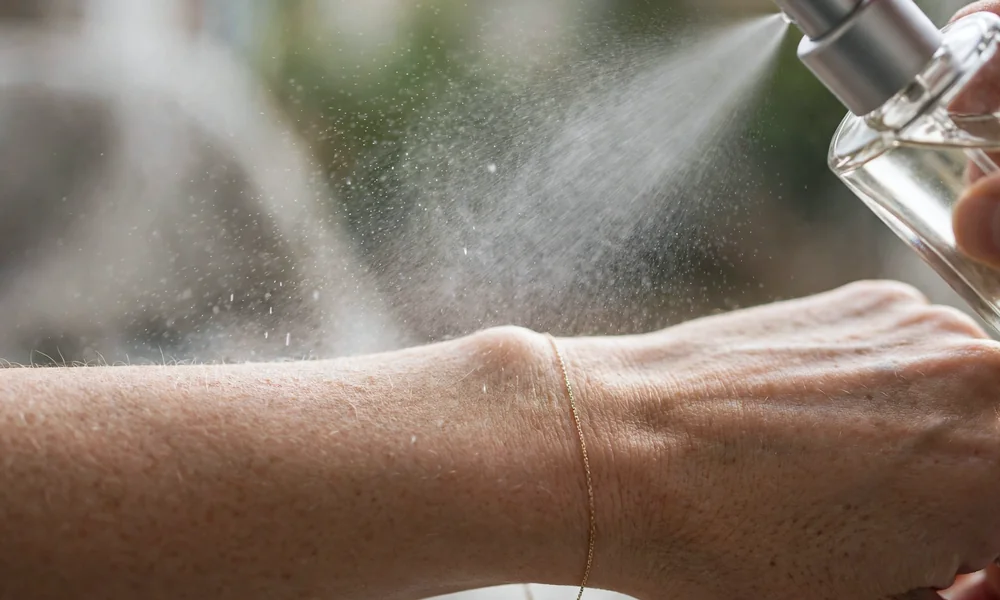
Choose slowly and on your own skin. Spray one perfume on each wrist, no more than two at a time, and leave the shop. Live with them for a few hours and see which one you still like at the end of the day. Do not rub your wrists together: it crushes the top notes and changes the scent. Do not decide from a paper strip alone. A good shop will offer a small sample to take home, and a sample worn for a full day tells you more than an hour in the shop ever will.
Wear it lightly and in the right places. Two or three sprays are enough: one on each wrist or behind the ears, and one on the chest or the back of the neck. Spraying your clothes makes a scent last longer, but test it first, since some perfumes stain light fabrics. Never spray perfume into the air and walk through it; most of it lands on the floor. And remember that you stop noticing your own perfume after a while. If you cannot smell it any more, that does not mean it has gone, so resist the urge to spray more.
Storage is simple but important. Keep bottles in a cool, dark place, away from windows and radiators, and keep the caps on. A bedroom drawer or a wardrobe shelf is ideal; a bathroom shelf is not, because steam and heat age perfume quickly. The same care that keeps a home smelling pleasant applies here, and our guide to the best and worst candles of 2026 makes the same point about scent and storage: fragrance, whether on skin or in a room, fades fastest when it is left in heat and light. A well-stored bottle can stay good for years, while a neglected one can turn in months. Scent belongs in the home as well as on the skin, and our comparison of the best and worst diffusers of 2026 shows how a good home fragrance can carry the same notes as your perfume through the rooms you live in. For lighter days, when a full perfume feels like too much, a fresh room scent can do the same job more gently, as our guide to the best and worst air fresheners of 2026 explains.
The verdict
The best perfume of 2026 is the one that suits your skin, your season and your life: a bright citrus for warm days, a real floral for spring, a warm wood for cold evenings, or a quiet musk for every day. The worst perfume is one that shouts, fades in an hour, or has already turned on a sunny shelf, whatever it cost. Test on your skin, give it a full day, buy from a proper shop, and store it cool and dark. Wear it lightly, and let people notice it when they come close, not when you walk in.