
Top Canned Green Beans for Quick, Easy Sides in 2026
Canned green beans are the tin most cooks reach for when dinner needs a vegetable in five minutes and the fridge is empty. A good tin opens onto beans that are tender but still have a little bite, bright green, and ready to warm with butter, garlic or a squeeze of lemon. The best canned green beans in 2026 are the right tin for the dish you are making. This guide explains how canned green beans are made, how cut and French-style beans differ, and how to read a label so you can tell a crisp, well-packed tin from a salty, limp one.
Key Takeaways
- Cut green beans are the most versatile style: short pieces that warm quickly, take seasoning well, and work in casseroles, stir-fries and simple buttered sides.
- French-style beans are cut lengthwise into thin strips, so they cook faster and look more delicate, which makes them the pick for salads and lighter side dishes.
- Read the sodium before the price. The best tins stay under 300 mg per serving, and a quick rinse cuts the salt further.
- Green beans should be the first and nearly only ingredient. A tin with added sugar or a long list of flavourings usually means dull beans.
- Drain canned green beans well, heat them briefly, and season them yourself rather than buying a tin that is already flavoured.
What Canned Green Beans Actually Are
Canned green beans are fresh green beans that have been washed, trimmed, cut, packed in water or a light brine, and sealed in a tin before being heated to make them shelf-stable. A bean canned at its greenest can taste better in January than a tired fresh bean shipped out of season, because the canning happens within hours of picking, when the beans are at their sweetest.
The heating that makes the tin safe also cooks the beans, which is why canned green beans are always softer than fresh ones. That softness is not a flaw; it is the nature of the food. Canning preserves the flavour that was there and cannot add flavour that was not, so a tin from a good harvest tastes grassy and sweet, while a tin from a poor one tastes of salt water and metal.
Cut, French-Style, Whole and Wax: The Styles Compared
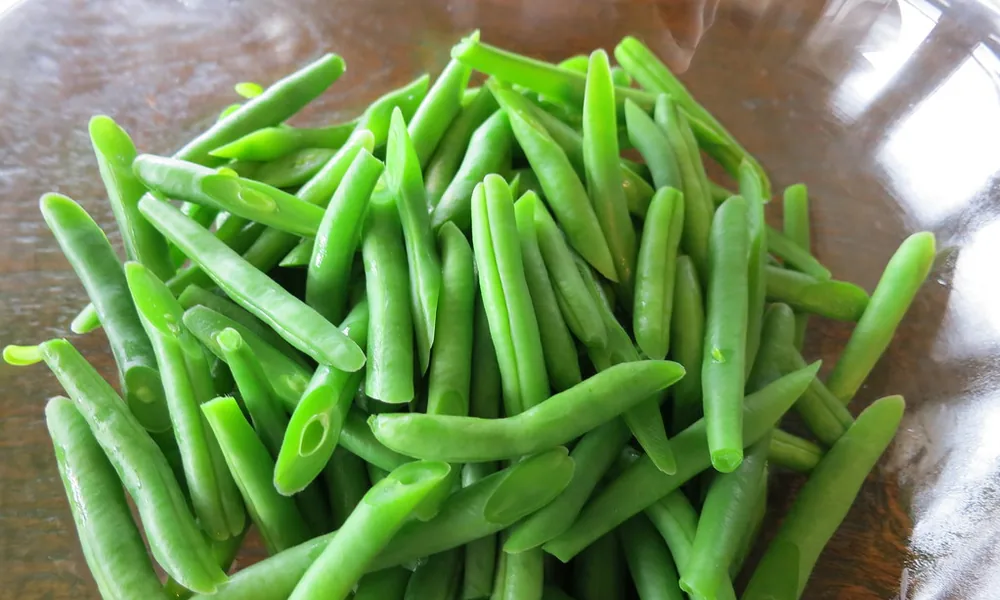
The four styles you will see most often are cut, French-style, whole and wax beans, and each one behaves differently in the pan. Cut beans are cross-cut into short pieces, French-style beans are sliced lengthwise into thin strips, whole beans are left uncut, and wax beans are the pale yellow cousin of the green bean, packed the same way.
| Style | Texture | Best for | Watch out for |
|---|---|---|---|
| Cut | Tender, keeps a little bite | Casseroles, stir-fries, buttered sides | Overcooking turns them limp |
| French-style | Delicate, silky strips | Salads, light sides, almondine | Can go soft if heated too long |
| Whole | Firm, full-length beans | Plated sides, roasts, holiday meals | Uneven thickness in cheap tins |
| Wax | Mild, buttery, tender | Mixed bean salads, pickling | Colour fades if overcooked |
Cut Green Beans: The All-Rounder
Cut green beans are the default to stock, and the style to buy if you only buy one tin. The short pieces heat through in two minutes, take butter and garlic beautifully, and fold into casseroles and stir-fries without any chopping. Their weakness is appearance: plain pieces look ordinary next to a roast, which is where whole beans earn their keep.
French-Style Green Beans: The Delicate Option
French-style beans are sliced lengthwise into thin, elegant strips, and they are the best-looking canned beans you can buy for a lighter plate. They warm in about a minute, drape nicely in a salad, and suit almondine and lemon-butter dressings better than any other style. Their delicacy is also their risk: a minute too long in the pan and they go soft, so heat them last and briefly.
Whole Green Beans: The Best-Looking Tin
Whole beans are left full-length, which makes them the best choice when the beans are the star of the plate. They hold their shape through heating, look generous beside a roast, and take a glaze better than cut beans. They cost a little more, and cheaper tins can vary in thickness.
Wax Beans: The Mild Cousin
Wax beans are yellow beans from the same family, canned the same way, with a milder, almost buttery flavour. They are at their best in mixed bean salads, where their colour brightens the bowl, and in pickled salads, where their tenderness soaks up vinegar.
Reading the Label: Sodium, Sweetness and the Liquid
The label tells you almost everything about a tin of green beans, and it takes thirty seconds to read. The ingredients should read green beans, water and salt, in that order. If sugar appears, the beans were probably picked late and needed sweetening, and the tin will taste syrupy rather than grassy. If the list runs to flavourings, colourings or firming agents you do not recognise, the beans inside are being dressed up.
Sodium is the number that matters most. A serving of canned green beans can carry anywhere from 200 mg to over 500 mg of sodium, and the difference is the difference between a side dish and a salt bomb. The best tins stay under 300 mg per serving, and no-salt-added tins go lower still. Rinsing the beans under cold water for thirty seconds cuts the sodium by about a third and washes away the starchy packing liquid, which also improves the flavour. Drained weight is the honest number for value: a tin that lists 400 grams total but only 240 grams drained is mostly water.
Cooking With Canned Green Beans
Canned green beans are already cooked, so the job at home is warming and seasoning, not cooking. Drain them, rinse them, and heat them gently in a pan with a knob of butter for two minutes, then finish with garlic, lemon zest or toasted almonds. That is the whole technique for a buttered side, and it beats a tin heated in its own liquid, which tastes flat and salty by comparison.
For a casserole, the classic use, fold the drained beans into a creamy mushroom sauce, top with crispy fried onions, and bake until the top is golden. The beans should go in last, just before baking, so they keep their shape. For a salad, chill French-style beans, toss with a sharp vinaigrette, shallots and herbs, and serve cold, where their delicate strips shine.

Canned, Fresh and Frozen Green Beans Compared
Fresh green beans win on texture and colour, and they are the right choice when beans are the centrepiece and you have time to trim and blanch them. Frozen beans come second: they keep more bite than canned beans, need only a few minutes in a pan, and cost little more. Canned beans win on convenience and shelf life, and they are the right choice for casseroles, quick sides and nights when the shops are shut.
Nutritionally, the gap is smaller than most people expect. Canning keeps most of the fibre, folate and vitamin K, and the beans keep their colour and much of their sweetness. What changes is texture and salt: canned beans are softer, and they carry sodium from the packing liquid. A cup of canned green beans gives roughly 4 grams of fibre and useful amounts of vitamin K and folate, and rinsing brings the sodium down to a level close to frozen beans. Choose the form for the dish, not from a fear that one of them is empty food.
Storage and Shelf Life
An unopened tin of green beans sits happily in the cupboard for two to five years, and needs no fridge until it is opened. Store tins in a cool, dry place, and check the date on the base rather than guessing. A swollen, leaking or deeply dented tin should be thrown away without opening.
Once opened, canned green beans keep for three to four days in the fridge in a sealed container, never in the opened tin, because the metal reacts with the air and the beans pick up a metallic taste. They also freeze well: drain them, spread them on a tray to freeze flat, then bag them, and they will keep for up to three months. Frozen this way they are best used in cooked dishes rather than salads, where the extra softness shows.

How Canned Green Beans Fit the Rest of the Cupboard
Green beans are one tin in a shelf of quick vegetables, and they pair best with the other tins that cook the same way. Our guide to canned peas that deserve a pantry spot covers the other green tin worth keeping, and the two together make a fast mixed side. For sweet contrast, the guide to canned corn for quick, easy sides shows how a golden tin balances a green one on the same plate. And if you want the orange counterpart, the guide to how to pick canned carrots worth serving covers the tin that glazes best beside a roast. Between the four, most weeknight plates are covered.
Canned Green Bean Buying Checklist
- Pick cut beans for everyday cooking and French-style beans for salads and lighter sides.
- Check the ingredients: green beans, water and salt, with nothing else you cannot pronounce.
- Keep sodium under 300 mg per serving, or buy no-salt-added and season it yourself.
- Compare drained weight, not total weight, when judging value between two tins.
- Look for beans that are bright green through the tin, not grey or yellowed.
- Rinse for thirty seconds, heat briefly, and finish with butter, garlic or lemon.
Frequently Asked Questions
Are canned green beans healthy?
Yes, in the usual sense. They keep most of their fibre, folate and vitamin K, and a rinsed tin is low in calories. The main downside is sodium, which rinsing cuts by about a third, so choose a low-sodium tin and rinse it.
Should I rinse canned green beans?
Yes, almost always. A thirty-second rinse under cold water cuts the sodium and washes away the starchy packing liquid, which makes the beans taste fresher. Skip the rinse only for a casserole, where the liquid helps the sauce.
What is the difference between cut and French-style green beans?
Cut beans are cross-cut into short pieces and hold up best in casseroles and stir-fries. French-style beans are sliced lengthwise into thin strips, cook faster, and look more delicate in salads and light sides.
How long do canned green beans last once opened?
Three to four days in the fridge in a sealed container, never in the opened tin. They also freeze well for up to three months, though they are best used in cooked dishes after freezing.
Can I eat canned green beans straight from the tin?
Yes, they are already cooked and safe to eat cold, and they work well in salads. Warming them with butter tastes better, but a cold tin is fine for a picnic.
Why do some canned green beans taste metallic?
Usually because the beans sat in the opened tin, or the tin was old or damaged. Transfer leftovers to a sealed container and rinse before serving.
The Bottom Line
The best canned green beans in 2026 are cut beans for everyday cooking and French-style beans for lighter plates, bought in a tin that lists beans, water and salt, with sodium under 300 mg a serving and a decent drained weight. Drain them, rinse them, heat them briefly for two minutes, and season them yourself. Do that, and a cheap tin will carry a side dish as well as anything that took half an hour to trim and blanch.


