How to Pick Canned Carrots Worth Serving in 2026
Canned carrots are the most underestimated tin in the cupboard. A good tin opens onto carrots that are sweet, tender and bright orange, ready to glaze, mash or tip into a soup in under ten minutes. The best canned carrots in 2026 are the right tin for the dish you are making. This guide explains how canned carrots are made, how the main styles differ, and how to read a label so you can tell a sweet, well-packed tin from a salty one.
Key Takeaways
- Sliced carrots are the most versatile style: they glaze beautifully, mash smoothly, and disappear into soups and stews without extra chopping.
- Baby carrots hold their shape best and look the nicest on the plate, which makes them the pick for glazed side dishes and holiday meals.
- Read the sodium before the price. The best tins stay under 300 mg per serving, and a quick rinse cuts the salt further.
- Carrots should be the first and nearly only ingredient. A tin with added sugar or a long list of flavourings usually means dull carrots.
- Drain canned carrots well, heat them gently, and season them yourself.
What Canned Carrots Actually Are
Canned carrots are fresh carrots that have been washed, peeled, cut, packed in water or a light brine, and sealed in a tin before being heated to make them shelf-stable. A carrot canned at its sweetest can taste better in January than a pale fresh carrot shipped out of season.
The heating that makes the tin safe also cooks the carrots, which is why canned carrots are always soft. That softness is not a flaw; it is the nature of the food. Canning preserves the flavour that was there and cannot add flavour that was not, so a tin from a good harvest tastes sweet and earthy, while a tin from a poor one tastes of salt water and metal.
Sliced, Baby, Diced and Crinkle-Cut: The Styles Compared
The four styles you will see most often are sliced, baby, diced and crinkle-cut, and each one behaves differently in the pan. Sliced carrots are thin rounds, baby carrots are small whole carrots, diced carrots are small cubes, and crinkle-cut carrots are wavy rounds that catch glazes.
Sliced Carrots: The All-Rounder
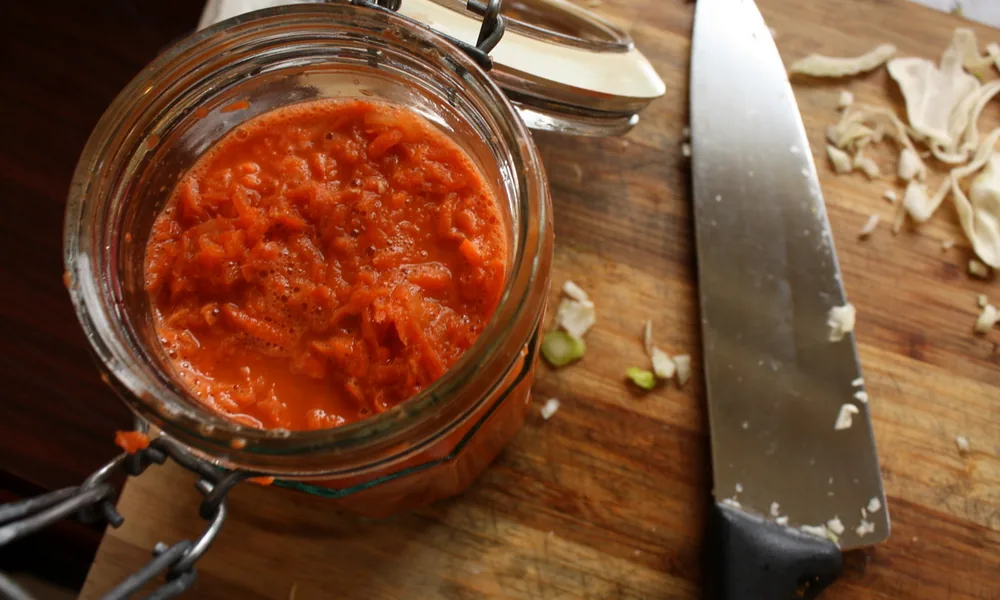
Sliced carrots are the default to stock, and the style to buy if you only buy one tin. The rounds heat through in two minutes, mash easily with a fork, and fold into soups and stews without any chopping. Their weakness is appearance: plain rounds look dull next to a roast.
Baby Carrots: The Best-Looking Tin
Baby carrots are the best-looking canned carrots you can buy, and the best choice when the carrots are the star of the plate. They hold their shape through heating and take a glaze better than any other style. They are the pick for glazed carrots beside a roast and for holiday tables. They cost more per gram, but for serving whole they are worth it.
Diced Carrots: The Soup Tin
Diced carrots are the workhorse of the soup pot. The small cubes disappear into soups, stews, pot pies and fried rice, adding sweetness and colour without changing the texture of the dish. Keep them for dishes where the carrot is an ingredient rather than the event.
Crinkle-Cut Carrots: The Glaze Catcher
Crinkle-cut carrots are sliced carrots with a wavy edge, and the waves are not just decoration. The ridges hold butter, honey and herb glazes in a way that flat slices cannot, so every bite carries more flavour. They look more interesting than plain rounds and work well in glazed dishes and stews.
| Style | Shape | Best for | Watch out for |
|---|---|---|---|
| Sliced | Thin rounds | Glazing, mashing, soups | Looks plain on the plate |
| Baby | Small whole carrots | Glazed sides, holiday meals | Costs more per gram |
| Diced | Small cubes | Soups, stews, fried rice | Poor served on their own |
| Crinkle-cut | Wavy rounds | Glazed dishes, stews | Can be cut unevenly |
Reading the Label: Sodium, Sweetness and the Liquid
Reading a tin of canned carrots takes thirty seconds and saves you from the worst tins. Start with the ingredients. The best tins list carrots, water and salt, and little else. If sugar appears in the first three ingredients, the maker is sweetening dull carrots. A long list of flavourings or additives means the carrots are being dressed up.
Then read the sodium. Carrots need some salt in the brine, but the range between tins is wide. The best tins stay under 300 mg of sodium per serving, and the worst push past 500 mg, which will taste salty no matter what you add. Draining and rinsing cuts the sodium by about a third.
Look at the liquid in the tin, too. It should be clear or lightly golden, not cloudy or grey. Cloudy liquid usually means the carrots sat too long before canning or were cut too small and broke down in the tin. Check the drained weight too: a tin that gives you 240 grams of carrots from 400 grams total is honest value.
How Sweet Should Canned Carrots Taste?
Carrots are naturally sweet, and a good tin tastes sweet without any added sugar. The sweetness comes from the variety and the harvest: carrots grown slowly in cool soil build up more natural sugars. Taste a new tin cold before deciding whether it needs honey or sugar.
If the carrots taste sweet cold, leave the sugar out of the recipe entirely. A spoonful of butter and a pinch of salt is enough, and the carrots will taste of themselves. If they taste flat, a teaspoon of honey or brown sugar per tin will lift them, but add it at the end of cooking, not the start, so it glazes rather than burns.
Cooking With Canned Carrots
Canned carrots are already cooked: heat them gently and briefly, two or three minutes in a hot pan, not twenty minutes in a boiling pot. Boiling them again turns them to mush.
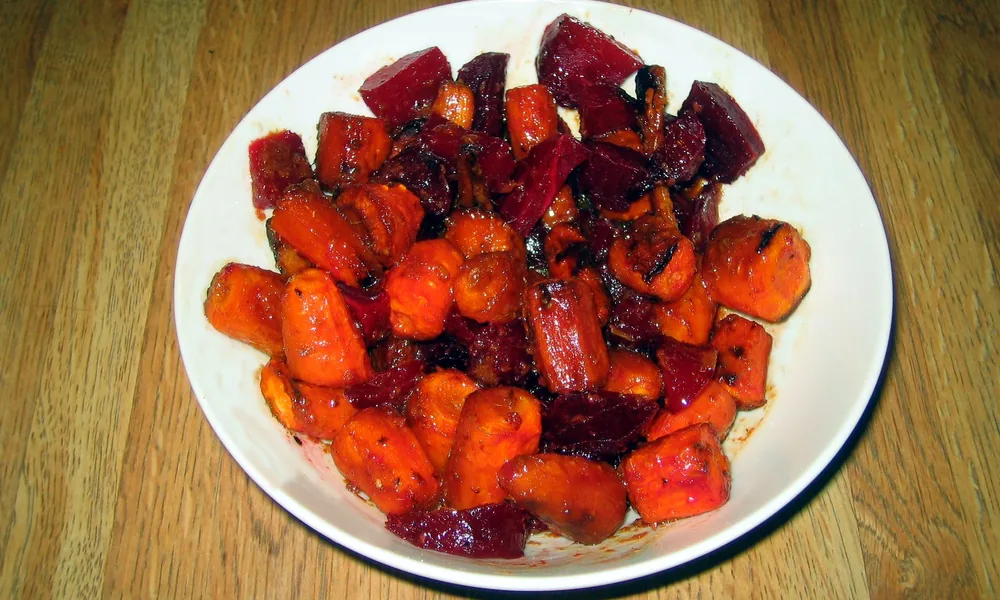
For glazed carrots, drain the tin well, melt butter in a wide pan and cook the carrots for two minutes until hot through. Add a teaspoon of honey and a squeeze of lemon, toss once, and serve. A sprinkle of parsley at the end adds colour and a fresh note.
For soups and stews, add the carrots in the last ten minutes of cooking, not at the start. They are already soft, so they only need to heat through and take on the flavour of the broth.Diced carrots are the best style here, because they hold their shape in a simmering pot better than sliced rounds.
For mashed carrots, drain the tin, tip the carrots into a pan with a knob of butter and a splash of milk, and mash with a fork or a potato masher. Season with salt and nutmeg.
Canned, Fresh and Frozen Carrots Compared
Fresh carrots win on texture and on versatility: they can be eaten raw, roasted, grated or juiced, and nothing canned can match a fresh carrot roasted until its edges caramelise.Canned carrots win on speed and on shelf life. They are ready in two minutes and keep for years in the cupboard.
Frozen carrots sit in the middle. They keep their colour and a little more bite than canned carrots, and they suit roasting and stir-frying better, because they were frozen raw rather than cooked in the tin.For glazing and mashing, canned carrots are the better choice. For roasting and stir-frying, frozen carrots win. For eating raw, only fresh carrots will do. Keep all three: fresh for salads and roasting, frozen for stir-fries, and canned for ten-minute dinners.
Storage and Shelf Life
An unopened tin of canned carrots keeps for two to five years in a cool, dark cupboard. A tin that is dented along the seam, swollen, or leaking should be thrown away without tasting, because a damaged seal can let in bacteria.
Once opened, canned carrots keep for three to four days in the fridge in a sealed glass container, never in the opened tin, because the metal reacts with the air and gives the carrots a metallic taste. They also freeze well: spread the drained carrots on a tray, freeze them flat, then bag them, and they will keep for three months.
How Canned Carrots Fit the Rest of the Cupboard
Canned carrots are one tin in a shelf of tins, and they make most sense alongside the other canned staples. See our guide to canned tomatoes that actually taste fresh explains how to judge a tin by its label, our round-up of the best canned beans for quick, hearty meals covers the protein to pair with them, and our guide to the best frozen vegetables for quick, healthy meals shows where the freezer beats the tin.
Canned Carrot Buying Checklist
- Choose the style for the dish: sliced for glazing and mashing, baby for serving whole, diced for soups, crinkle-cut for glazes that need to cling.
- Read the ingredients first. Carrots, water and salt is the whole list you want; sugar in the first three ingredients is a warning sign.
- Check the sodium and aim for under 300 mg per serving, then drain and rinse the tin to cut the salt by about a third.
- Compare the drained weight, not the total weight, and pick the tin that gives you the most carrots for the price.
- Taste the carrots cold before you season them. Sweet tins need no sugar, flat tins need a teaspoon of honey at the end, and metallic tins belong in a soup.
- Store unopened tins for up to five years in a cool cupboard, and move leftovers to a sealed glass container in the fridge, never the opened tin.
Frequently Asked Questions
Are canned carrots as healthy as fresh carrots?
Almost. Canned carrots keep most of their fibre, vitamin A and natural sweetness, and they lose only a little vitamin C in the canning process. The main difference is sodium, which comes from the brine, so draining and rinsing the tin closes most of the gap.
Should I rinse canned carrots before cooking?
Yes, in most cases. Rinsing under cold water for thirty seconds cuts the sodium by about a third and washes away the starchy liquid that can cloud a glaze.
Why do my canned carrots taste metallic?
A metallic taste usually means a poor-quality tin, carrots stored in the opened tin, or a tin that was dented along the seam. Rinsing well removes most of it, and using the carrots in a soup covers the rest.
Can I roast canned carrots?
Not really. Canned carrots are already cooked and soft, so roasting them makes them soggy rather than caramelised. Use fresh or frozen carrots for roasting instead.
How long do opened canned carrots keep?
Three to four days in a sealed glass container in the fridge, or up to three months in the freezer. Never store them in the opened tin, because the acid and the air react with the metal and spoil the flavour within a day.
Are baby canned carrots really baby carrots?
Mostly they are full-size carrots cut down to baby size, which is why they are uniform and straight. True young carrots are smaller and sweeter, but they are rare in tins.
The Bottom Line
The best canned carrots in 2026 are sliced carrots for everyday cooking and baby carrots for serving whole, bought in a tin that lists carrots, water and salt, with sodium under 300 mg a serving and a decent drained weight. Drain them, rinse them, heat them gently for two minutes, and season them yourself. Do that, and a cheap tin will carry a side dish as well as anything that took half an hour.