Top Canned Beans for Quick, Hearty Meals in 2026
Canned beans are the fastest route to a proper dinner on a busy night. A tin opened, rinsed and tipped into a pan turns into tacos, soup, salad or pasta in under ten minutes, with protein and fibre that most convenience foods cannot match. The best canned beans in 2026 are not one brand or one variety, but the right tin for the meal you are actually making, chosen with a quick look at the label before it goes into the basket.
This guide compares the canned beans worth keeping in the cupboard: kidney, black, chickpeas, pinto and cannellini. It covers what each one tastes like, how much salt is hiding in the tin, why rinsing matters, and the quick meals each variety suits best.
Key takeaways
- Kidney beans suit chilli and hearty stews, black beans suit tacos and bowls, and chickpeas suit salads, roasting and curries.
- Rinse canned beans under cold water for thirty seconds to cut the sodium by about a third and wash away the starchy liquid.
- Look for beans, water and salt on the label, and little else; a long list of flavourings usually means the beans are being dressed up.
- A drained tin gives about two servings, and a cooked cup of beans gives roughly 15 grams of protein and 12 to 15 grams of fibre.
- Once opened, canned beans keep for three to four days in the fridge in a sealed container, never in the opened tin.
What canned beans actually are
Canned beans are dried beans that have already been soaked, cooked and sealed in a tin with water or a light brine, then heated until they keep for years without refrigeration. That is why an unopened tin sits happily in the cupboard for two to five years, and why it needs no fridge until it is opened. The cooking is done for you, which is the whole point: you are paying a little extra for time, and for beans that are ready the moment the tin opens.
Most tins hold around 400 grams in total, with about 240 grams of drained beans inside. That drained weight is the honest number, so comparing it is the fairest way to judge value between two tins at the same price.
The main varieties, compared
Five varieties cover almost every meal canned beans are good for. They differ in size, texture and flavour, and picking the wrong one is the most common reason a dish disappoints.
| Bean | Texture | Flavour | Best for |
|---|---|---|---|
| Kidney | Firm, meaty | Earthy, mild | Chilli, stews, rice dishes |
| Black | Firm, creamy centre | Earthy, slightly sweet | Tacos, bowls, salads |
| Chickpeas | Firm outside, creamy inside | Nutty | Salads, roasting, curries |
| Pinto | Soft, creamy | Mild, buttery | Refried beans, burritos |
| Cannellini | Soft, silky | Delicate, mild | Soups, pasta, white bean stews |
Kidney beans: the chilli bean
Kidney beans are the big, dark red beans that give chilli its body. They are firm and meaty, with a thick skin that holds up through a long simmer without falling apart, and a mild, earthy flavour that takes on the spices around it. They are the bean to reach for whenever a dish cooks for a while, because softer beans would turn to mush long before the pot is done.
Black beans: the taco and bowl bean
Black beans are small, dark and shiny, with a firm skin and a soft, creamy centre. Their flavour is earthy with a faint sweetness, and they hold their shape well, which is why they suit tacos, burrito bowls and salads where the beans need to stay distinct rather than melt into the dish. Our guide to the best black beans for tacos, bowls and more covers the variety in detail, including how canned and dried compare for this particular bean.
Chickpeas: the most versatile tin
Chickpeas, also called garbanzo beans, are round, beige and nutty, firm outside and creamy inside. They are the most versatile canned bean, because they work whole in salads and curries, crisp up beautifully when roasted, and blend into dips and spreads. A tin of chickpeas is really three ingredients in one, depending on what you do with it. Our guide to why chickpeas deserve a permanent pantry spot explains the roasting and storage tricks that make the most of them.
For roasting, pat the rinsed chickpeas dry in a tea towel first: wet chickpeas steam instead of crisping. Toss with a little oil, roast hot until golden, and season after they crisp.
Pinto and cannellini: the soft ones
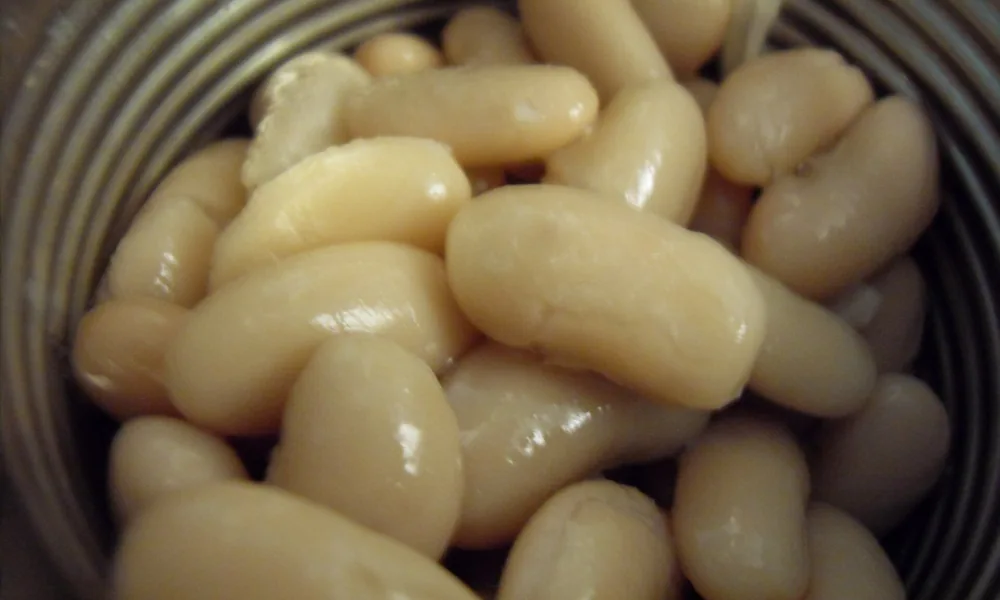
Pinto beans turn soft and creamy, which makes them the classic bean for refried beans and burritos: they mash easily and turn silky. Cannellini beans, also sold as white kidney beans, are long, white and silky, and they thicken a broth gently, which suits soups and pasta where the beans should melt into the dish.
Reading the label: sodium and ingredients
The label tells you almost everything worth knowing about a tin of beans, and it takes ten seconds to read. The two numbers that matter are the sodium per serving and the ingredient list. Everything else on the tin is marketing.
Sodium is the big one. A typical tin of canned beans holds 300 to 400 milligrams of sodium per serving, and some reach 500 or more. Rinsing cuts that by about a third, which brings most tins down to a reasonable level. Low-sodium or no-salt-added tins start around 10 to 140 milligrams per serving, and they are worth the small extra cost if you eat beans often, or if you are watching salt for health reasons. The beans taste the same once seasoned; the salt in the tin is not doing any work you cannot do better yourself.
The ingredient list should be short: beans, water and salt, perhaps with a little calcium chloride to keep the beans firm. A long list of flavourings, sugars, starches or colourings usually means the beans are being dressed up to hide thin flavour. Baked beans are the exception here, because they are sold as a finished dish in sauce, but for plain canned beans, short is better.
Check the drained weight too, since that is the amount of beans you actually eat. Avoid tins that are dented at the seam, swollen or rusty, and never use one that hisses or spurts when opened.
Rinsing: the one step that matters
Rinsing is the single most useful thing you can do with a tin of beans, and it takes thirty seconds. Tip the beans into a colander, run cold water over them, and shake the colander until the water runs clear. That washes away the starchy, salty liquid the beans were packed in, which improves both the flavour and the texture, and it cuts the sodium by about a third.
Rinsed beans taste cleaner and more like themselves, while unrinsed beans carry the flavour of the tin into the dish. The only times to skip rinsing are when the liquid is needed to thicken a stew, or when you are saving chickpea liquid as aquafaba.

Five quick meals from a tin
The point of canned beans is speed, so the best meals are the ones that need almost no cooking at all. Each of these takes ten minutes or less, and each leans on a different variety so the tin you open matches the dish.
Black bean tacos
Warm a rinsed tin of black beans with oil, cumin, garlic and lime, then spoon into warm tortillas with salsa and shredded cabbage. Season the beans well and taste before serving.
Bean and tomato soup
Simmer a tin of cannellini beans with tinned tomatoes, garlic, stock and herbs for ten minutes, then blend half and stir it back in. The same label rules apply when the soup itself comes from a tin: our guide to canned soups that taste homemade explains what to look for.
Chickpea salad
Toss rinsed chickpeas with cucumber, red onion, tomatoes, lemon juice, olive oil and herbs. It keeps in the fridge for three days and gets better overnight.
Pasta with white beans
Fry garlic and chilli in olive oil, add a tin of cannellini beans with a splash of their liquid, and toss through hot pasta with parsley and parmesan. The whole dish takes as long as the pasta takes to boil.
Chilli in twenty minutes
Brown an onion, add spices, tinned tomatoes and two tins of kidney beans, and simmer for fifteen minutes. The kidney beans hold their shape, and the result is a good quick chilli. Serve with rice or crusty bread.
Storage: opened and unopened
Unopened tins keep for two to five years in a cool, dry cupboard, away from heat and damp. Rotate your stock by putting new tins at the back, so the oldest gets used first.
Once opened, tip the beans into a sealed container with a little water and refrigerate them; they keep for three to four days. Never store opened beans in the tin itself, because the exposed metal affects the flavour. Leftovers also freeze well for up to three months.
Checklist: buying canned beans
- Pick the variety for the dish: kidney for chilli, black for tacos, chickpeas for salads and roasting, cannellini for soups.
- Read the sodium first: under 400mg per serving is good, and low-sodium tins are worth it if you eat beans often.
- Check the ingredients: beans, water and salt, with little else on the list.
- Compare drained weight, not tin weight, when judging value between brands.
- Skip tins that are dented at the seam, swollen, rusty, or that hiss when opened.
- Rinse every tin under cold water for thirty seconds before cooking, unless you need the liquid to thicken a dish.
Frequently asked questions
Are canned beans as healthy as dried beans?
Almost. The beans themselves are the same, with the same protein and fibre. The difference is the salt in the tin, and rinsing closes most of that gap.
Do I have to rinse canned beans?
You should, unless you want the liquid. Rinsing cuts the sodium by about a third and gives the beans a cleaner flavour. Skip it only when the liquid is needed to thicken a stew, or when you are saving chickpea liquid as aquafaba.
How many servings are in a tin of beans?
A standard 400-gram tin holds about 240 grams of drained beans, which is roughly two servings as a main or three to four as a side. A cup of cooked beans is about 170 grams, so one tin gives you about one and a half cups.
Can I eat canned beans straight from the tin?
Yes, they are fully cooked and safe to eat cold, though they taste much better warmed and seasoned. Rinse them first, even for a cold salad, because the packing liquid tastes of the tin.
Why do some canned beans taste metallic?
A metallic taste usually means a poor-quality tin or beans stored in the opened tin. Rinsing well removes most of it.
Are canned beans good value compared with dried?
Dried beans cost less per serving, but canned beans save an hour or more of cooking. If you eat beans once or twice a week, the time saved is worth the small premium; if you eat them daily, dried beans are the better buy.
The bottom line
Canned beans earn their place in the cupboard by turning dinner into a ten-minute job without giving up much on nutrition or flavour. Pick the variety for the dish, read the sodium before the price, rinse the tin, and season the beans yourself. Do that, and a cheap tin of kidney, black or chickpeas will carry a meal as well as anything that took an hour to cook.