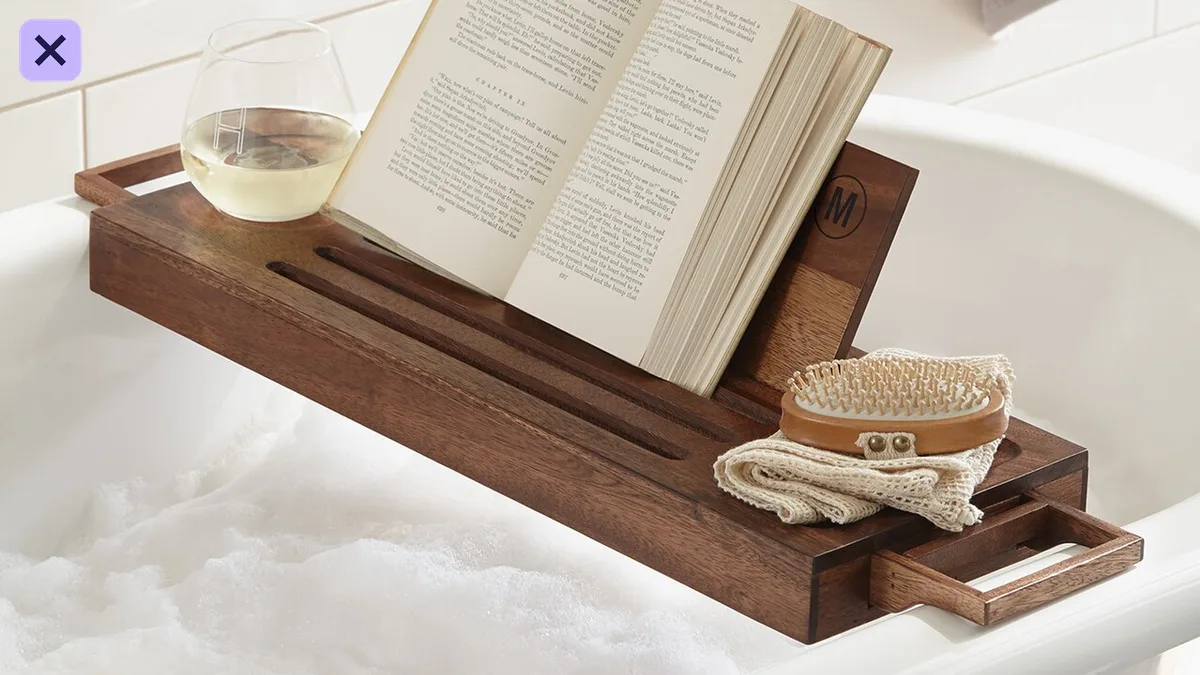
Best Bath Brushes for a Proper Scrub in 2026
A good bath brush is one of those small bathroom tools that quietly changes an ordinary wash into something that actually feels finished. The best bath brush reaches the middle of your back without a struggle, lifts away dull skin with a few easy strokes, and leaves you feeling properly clean rather than merely rinsed. A bad one sheds bristles into the bath, scratches sensitive skin, or goes mouldy within a month. The difference is rarely the price. It is the match between the brush, your skin, and the way you like to bathe.
This guide works through the choices that matter: natural bristle against silicone, long handles against palm-sized heads, dry brushing against wet use, and the care routine that keeps a brush hygienic for years.
Key takeaways
- Natural bristle suits dry brushing and a firm exfoliating scrub, while silicone suits sensitive skin, wet use, and anyone who wants a brush that dries fast and never goes mouldy.
- A long handle is the single most useful feature: it is the only way to reach the middle of your back properly, and it matters more than bristle type for most buyers.
- Dry brushing works best on dry skin before a bath, using light upward strokes towards the heart, for two or three minutes at a time.
- Use a bath brush two or three times a week, not every day, because over-scrubbing strips the skin faster than it can recover.
- Rinse the brush after every use, shake it dry, and hang it where air can reach it, because a damp brush left in a corner is a brush that will smell within weeks.
Why a bath brush earns its place
Hands alone do a poor job of cleaning the whole body. They cannot reach the centre of the back, they slide over oily skin without lifting anything, and they do nothing for the dull, flaky layer that builds up on arms, legs, and shoulders. A bath brush solves all three problems at once. The bristles lift dead skin, the handle reaches where hands cannot, and the gentle friction wakes up circulation in a way that a flannel never quite manages.
None of this requires an expensive brush. A well-made wooden brush with firm natural bristles costs about the same as a bottle of decent body wash, and it lasts far longer.
Natural bristle versus silicone
The first decision is the bristle material, and it shapes everything else. Natural bristle, usually boar bristle or plant fibre such as sisal, is firm, slightly springy, and excellent at lifting dead skin. It is the right choice for dry brushing, because it grips the skin instead of sliding across it. Its weakness is water: natural bristles soak up moisture, take hours to dry, and will go mouldy if left damp in a warm bathroom.
Silicone is the modern alternative: a soft, flexible pad covered in short, blunt nubs rather than true bristles. It never goes mouldy, dries in minutes, and is gentle enough for sensitive skin. It lathers beautifully with a small amount of wash. Its weakness is exfoliation: silicone nubs polish the skin rather than scrubbing it, so they will not shift stubborn rough patches the way a firm natural brush can.
Many people end up owning one of each: the natural brush for dry brushing and the weekly deep scrub, the silicone brush for everyday washing. If you must choose only one, let your skin decide: dry, hardy skin should go natural, while sensitive or acne-prone skin should go silicone.
The main bath brush types, compared
| Type | Best for | Feel | Drying time | Watch out for |
|---|---|---|---|---|
| Long-handled natural bristle | Back reach and dry brushing | Firm and scrubby | Slow, several hours | Mould if left damp |
| Palm-sized natural bristle | Arms, legs and chest | Firm, with more control | Slow, several hours | Too short for the back |
| Silicone body brush | Sensitive skin and daily use | Soft and gentle | Fast, under an hour | Weak on rough patches |
| Two-sided brush | Scrub one side, massage the other | Firm, then smooth | Slow on the bristle side | Heavier than a single brush |
| Detatchable-head brush | Small bathrooms and travel | Varies by head | Depends on the head | Head can loosen over time |
Choosing a brush for your skin
Skin type matters more than brand, and the wrong firmness is the most common buying mistake. If your skin is dry, flaky, or rough on the shins and forearms, a firm natural bristle brush will do the most good, used two or three times a week with light pressure.
If your skin is sensitive, easily reddened, or prone to eczema, start with silicone or a very soft natural bristle, and test it on the inside of your forearm first. Brush gently, once a week, and stop if the skin stays red for more than a few minutes.
Oily or combination skin sits in the middle. A medium-firm natural brush works well, especially on the back and chest, where oil and sweat collect. If you have acne on your back or chest, keep the brush gentle and clean, and never scrub an active breakout hard.
Dry brushing: how it works and how to do it
Dry brushing is the technique most people buy a bath brush for, and it is simple once you know the order. Stand before the bath, skin completely dry. Start at your feet and work upwards in long, light strokes, always moving towards the heart, brushing each area three or four times with just enough pressure to feel the bristles. Move up the legs, across the stomach in gentle circles, up the arms, and finally across the back with the long handle.
The whole routine takes two or three minutes. Then step into the bath or shower and wash as normal, which rinses away everything the brush lifted. Afterwards, pat the skin dry and moisturise while it is still slightly damp.
A few rules keep it safe. Never dry-brush broken, sunburnt, or irritated skin, and never brush over rashes, cuts, or varicose veins. Keep the pressure light: the bristles should tickle slightly, not scratch.

Reaching your back properly
Back reach is the reason long-handled brushes exist. A good handle is between about thirty and forty centimetres long, long enough to reach the centre of the back with the arm bent, but not so long that the brush feels unwieldy. Wooden handles are the classic choice: warm to hold, comfortable when wet, and sturdy enough to last for years.
If you have stiff shoulders or limited mobility, look for a brush with a slightly curved handle and a head that pivots a little. A strap or loop on the handle matters more than it sounds, because it lets you hang the brush to dry.
Using a bath brush in the bath
Wet use is different from dry brushing, and it suits a different brush. In the bath, work the brush with a small amount of wash, using short, circular strokes on the arms, legs, and torso, and long strokes down the back. The water softens the bristles slightly, so a brush that feels firm when dry will feel gentler when wet.
Keep the session short. Five minutes of brushing in a warm bath is plenty, and longer soaks with constant scrubbing will dry the skin out rather than cleaning it better. A body scrub can be used with the brush on rough patches, but use one or the other on any given day, not both.
After the bath, moisturise within a few minutes of drying off. Brushed skin absorbs cream far better than unbrushed skin, so this is the moment a simple moisturiser does its best work.
Keeping a bath brush clean
A bath brush lives in the warmest, dampest room in the house, which makes care non-negotiable. Rinse it under hot water after every use, flick it dry, and hang it where air can circulate. Never leave it sitting in a puddle on the side of the bath, and never store it in a closed cupboard while it is still damp.
Once a week, wash the brush itself: soak the head in warm water with a drop of gentle soap or a splash of white vinegar for ten minutes, rinse well, and leave it to dry completely. Replace a natural bristle brush when the bristles bend permanently, shed in clumps, or smell even after washing.
Storage matters too. A hook on the back of the bathroom door, a rail beside the bath, or a shower caddy with a hook all work, as long as the brush hangs freely. If two people share a bathroom, give each person their own brush.

Choosing well: a quick checklist
- Match the bristle to your skin: firm natural bristle for hardy skin and dry brushing, soft silicone for sensitive skin and daily use.
- Pick a handle long enough to reach the middle of your back without straining, with a loop or hook for hanging.
- Hold the brush before buying if you can, and check that the head sits flat against your back without twisting your wrist.
- Plan to brush two or three times a week, not every day, and keep sessions to a few minutes.
- Check the drying plan first: the brush needs somewhere to hang in moving air, not a damp corner.
- Budget for a replacement every year or so, and replace sooner if bristles bend, shed, or smell after washing.
Frequently asked questions
Is a bath brush better than a loofah?
They do different jobs. A bath brush reaches the back, exfoliates firmly, and works well for dry brushing, while a loofah is softer and better for daily lathering. Many people keep both.
Can I use a bath brush every day?
Daily use is fine with a soft silicone brush, but a firm natural bristle brush is better used two or three times a week. Daily firm scrubbing strips the skin’s protective oils and can leave it dry and irritated.
Does dry brushing really work?
Dry brushing removes dead skin effectively and improves how smooth the skin feels within a couple of weeks. Claims about detoxing or removing cellulite are not supported, so treat it as a good exfoliation routine rather than a cure.
How do I clean a natural bristle bath brush?
Rinse it after every use and hang it to dry. Once a week, soak the head in warm water with a little gentle soap or white vinegar for ten minutes, rinse well, and dry completely.
Can I use a bath brush on my face?
No. Facial skin is far thinner than body skin, and a body brush is too firm for it. Use a brush or cloth made specifically for the face, and keep the body brush for the body.
When should I replace my bath brush?
Replace a natural bristle brush when the bristles bend permanently, shed in clumps, or smell even after a proper wash, usually after about a year of regular use. Silicone brushes last longer, but replace them if the nubs tear or the surface becomes rough.
The bottom line
The best bath brush in 2026 is the one that matches your skin and your routine: a long-handled natural bristle brush for firm exfoliation and dry brushing, or a soft silicone brush for sensitive skin and everyday use. Buy for handle length and bristle firmness, not for packaging, brush two or three times a week with light pressure, and keep the brush rinsed, hung, and dry between uses. Get those few things right, and a small, cheap tool will make every bath feel properly finished.