
How to Choose a Body Scrub That Actually Works in 2026
A body scrub is the simplest way to make your skin feel new again, and one of the easiest products to get wrong. The right body scrub lifts away the dull, flaky layer on the surface of your skin and leaves it smooth, soft and ready to absorb moisture. The wrong one scratches, stings and leaves your skin redder and drier than before. The difference is rarely the price on the jar. It is the match between the scrub, your skin and how you use it.
Key takeaways
- The grit decides everything: sugar is the gentlest everyday choice, salt is coarser and best for rough patches, and coffee sits in between.
- Match the scrub to your skin, not to the scent: dry and sensitive skin needs fine grains and plenty of oil, while rough elbows, knees and heels can take a coarser scrub.
- Two or three times a week is enough for most people, and once a week is plenty for sensitive skin, because over-scrubbing strips the skin faster than it can recover.
- Scrub on warm, damp skin with light, circular movements and let the grains do the work, because pressing hard only scratches the surface.
- What you do afterwards matters as much as the scrub itself, so rinse well and moisturise while your skin is still slightly damp.
What a body scrub actually does
Your skin sheds dead cells all the time, but the process slows down with age, cold weather and dry air, and the dead cells pile up instead of falling away. That build-up is what makes skin look dull and feel rough, and it stops moisturiser from sinking in properly. A body scrub speeds up the shedding by loosening that top layer with small grains, so the fresh skin underneath shows through.
A good scrub does two jobs at once. The grains lift the dead cells away, and the oils in the formula leave a thin layer of moisture behind, so your skin feels soft the moment you rinse. A poor scrub only does the first job, and it does it too roughly, leaving your skin clean but tight, pink and thirsty. That tight feeling is your skin telling you the scrub took too much.
Sugar, salt, coffee and the rest
Most body scrubs are built around one of a handful of natural grains, and each one behaves differently. Sugar is the gentlest of the common choices. Its crystals are small and round, they dissolve in water as you work, and they help hold moisture in the skin. A sugar scrub is the safest starting point if you have never used a scrub before, and it suits most skin types, including skin that is a little dry.
Salt is the stronger cousin. Sea salt and Himalayan salt crystals are larger, harder and sharper than sugar, and they do not dissolve as quickly, so they scrub more firmly. That makes salt scrubs excellent for rough patches on elbows, knees and heels. The same strength makes them a poor choice for sensitive skin, for sunburned skin, or for any area with a cut, because salt stings on broken skin.
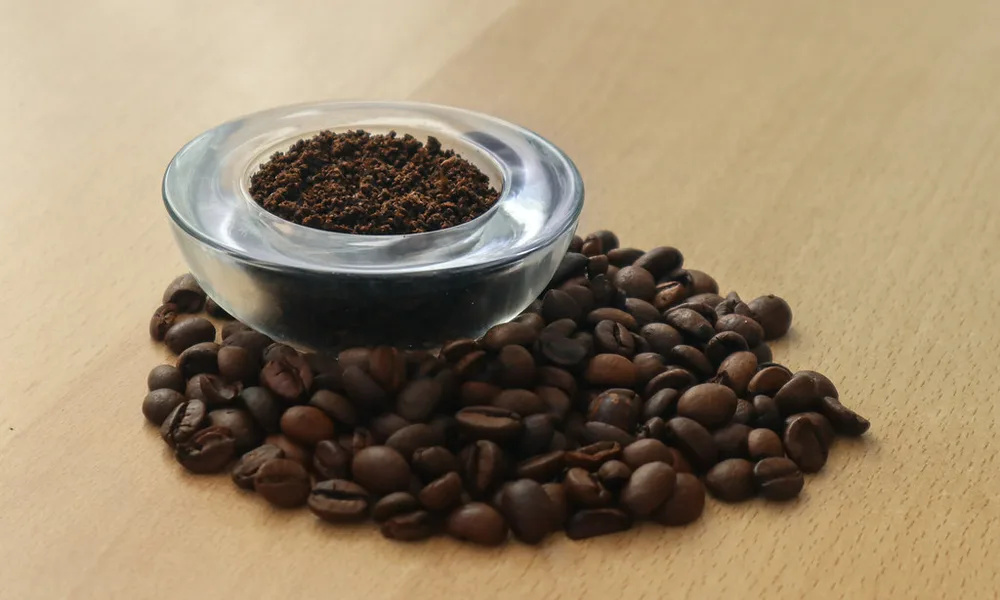
Coffee grounds sit between sugar and salt. They are coarse enough to feel like they are doing something, but soft enough for most people to use twice a week, and they are often credited with making skin look temporarily firmer. Coffee scrubs are a good middle ground if sugar feels too gentle and salt feels too harsh, and they suit the legs and arms particularly well.
Which scrub suits which skin
| Scrub type | How rough it feels | Best for | Avoid if |
|---|---|---|---|
| Sugar scrub | Gentle, dissolves as you work | Most skin, first-time users, dry skin | You want a deep scrub for very rough patches |
| Salt scrub | Firm, strong exfoliation | Rough elbows, knees and heels | Your skin is sensitive, sunburned or broken |
| Coffee scrub | Medium, gritty but forgiving | Legs and arms, dull skin | You dislike the smell of coffee on your skin |
| Oatmeal or rice scrub | Very gentle, soft grains | Sensitive and reactive skin | You need heavy exfoliation for calloused skin |
| Walnut or apricot scrub | Very coarse, heavy exfoliation | Feet and very rough patches only | You plan to use it anywhere delicate |
Dry skin
Dry skin benefits most from a scrub, because the flaky layer on dry skin is exactly what a scrub removes, but it also needs the gentlest touch. Choose a sugar or oatmeal scrub with a rich oil base, such as sweet almond, coconut or shea, and use it no more than twice a week. The oil matters as much as the grain, because it replaces some of the moisture the scrubbing takes away.
Sensitive skin
Sensitive skin can use a scrub, but it needs a short ingredient list and a light hand. Pick a fine-grained sugar or oatmeal scrub with no added fragrance, and test it first on a small patch on the inside of your arm. If the patch stays calm for a day, use the scrub once a week, with barely any pressure. A scrub should never hurt, and pain is the clearest sign that the product or the pressure is wrong for you.
How often should you scrub
Most skin is happiest with a scrub two or three times a week. Scrubbing every day does the opposite of what you want: it removes new skin cells before they are ready, leaves the surface raw, and makes skin produce more oil to protect itself. If your skin feels tight or looks pink the morning after a scrub, cut back to once a week.
How to use a body scrub properly
The technique matters as much as the product. Start with a warm shower and let the water soften your skin for a few minutes, because grains glide over damp, warm skin and drag across dry skin. Wash first, then take a small handful of scrub, about the size of a golf ball, and work it over one area at a time.
Use light, circular movements and let the weight of your hand do the work. There is no need to press hard, and pressing hard is the most common mistake people make with a scrub. Spend a little longer on rough spots like heels and elbows, and go very gently over the chest and the inside of the arms, where the skin is thinner. The whole job takes two or three minutes.
Rinse thoroughly with warm water until no grains remain, because leftover grains can itch and irritate once you dry off. Pat your skin dry with a towel instead of rubbing it, which would undo the gentle work you have just done. Then moisturise straight away, while your skin is still slightly damp, and you will feel the difference immediately.
The mistakes that leave skin sore
The first mistake is scrubbing too hard. It feels productive, especially on rough skin, but the grains are doing the exfoliating, not your pressure, and pressing harder only scratches the living skin underneath the dead layer. If your skin is pink for more than a few minutes after a scrub, your hand was too heavy.
The second mistake is scrubbing too often. Daily scrubbing strips the skin’s protective barrier, the thin layer of oils and cells that keeps moisture in and irritation out. Once that barrier is damaged, your skin feels dry no matter how much cream you put on. The fix is simple: scrub less, moisturise more, and give your skin a week to recover.
Shop-bought or homemade
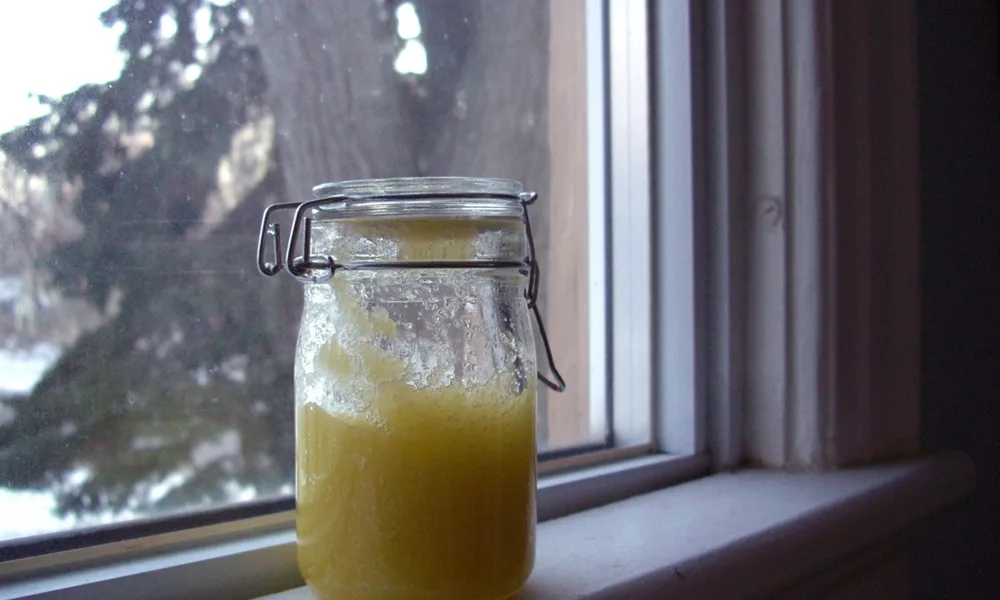
A homemade scrub can be just as good, and it costs very little: sugar or salt mixed with a carrier oil like olive, coconut or sweet almond. You control the roughness by changing the ratio of grain to oil, and you know exactly what is in it. Make small batches and use them within a few weeks, since homemade scrubs do not keep well.
What to do after you scrub
The minutes after a scrub are when your skin is most ready to take in moisture. A body lotion sinks in quickly and suits warm weather and normal skin, and our guide to choosing a body lotion for your skin type explains how to match one to your skin. For very dry skin, or in winter, a thicker butter or cream holds the moisture in for longer.
It is also worth keeping the rest of your shower routine gentle. A harsh wash undoes the good work of a scrub by stripping the oils you have just put back. Our guide to the best body washes for every skin type covers which formulas are kindest to freshly exfoliated skin, and the best versus worst body washes comparison shows which ones to avoid.

Checklist: choosing your scrub
- Start with sugar if you are unsure: it is the gentlest common grain and suits most skin.
- Read the label and pick a scrub whose grain and oil are listed near the top, not buried under fragrance.
- Match the roughness to the area: fine grains for arms and chest, coarser grains for elbows, knees and heels.
- Patch-test a new scrub on the inside of your arm and wait a day before using it all over.
- Plan for two or three times a week at most, and once a week if your skin is sensitive or dry.
- Buy the moisturiser at the same time as the scrub, because the two work as a pair, not on their own.
Frequently asked questions
Can I use a body scrub every day?
For most people, no. Daily scrubbing removes skin cells faster than they can be replaced and leaves the skin raw. Two or three times a week is enough for most skin, and once a week suits sensitive skin best.
Should I scrub before or after shaving?
Scrub a day before you shave, not on the same day. Scrubbing first lifts the hairs and clears dead skin, which gives a closer shave, but scrubbing straight after shaving stings and irritates skin that is already sensitive from the razor.
Is a sugar scrub or a salt scrub better?
Neither is better in general; they suit different jobs. Sugar is gentler and suits most skin, while salt is stronger and better for rough patches. If you buy one scrub, buy sugar.
Can I use a body scrub on my face?
No. Body scrubs are made for the thicker skin on your body, and their grains are too coarse for the face, where they can cause tiny scratches and redness. Use a product made for the face, with much finer grains, instead.
Do I need to moisturise after scrubbing?
Yes, always. Scrubbing removes the top layer of skin, and moisturiser applied while the skin is still slightly damp replaces the moisture and protects the fresh skin underneath. Skipping it leaves skin feeling tight within the hour.
How long does a jar of body scrub last?
A shop-bought jar usually keeps for six to twelve months if you keep water out of it and store it somewhere cool. A homemade scrub should be used within a few weeks.
The bottom line
A body scrub that actually works is not the most expensive one, or the one with the strongest scent. It is the one whose grain matches your skin and whose oil base leaves you soft rather than stripped. Start gentle, with a sugar scrub and a light hand, and let how your skin feels the next morning guide you.


