Best Body Washes for Every Skin Type in 2026
The best body wash is the one matched to your skin, not the one with the prettiest bottle or the strongest smell. A wash that leaves one person soft and comfortable can leave another tight, itchy and flaking by lunchtime, because skin types want very different things from the same ten minutes in the shower. Dry skin wants richness and a gentle touch, oily skin wants a light rinse that leaves nothing behind, and sensitive skin wants as little as possible on the label. This guide to the best body washes for every skin type in 2026 works through each skin type in turn, so you can find the texture, the ingredients and the routine that suit the skin you actually have.
Key takeaways
- Your skin type decides the wash, not the brand: dry skin needs a cream, oily skin needs a gel, and sensitive skin needs a short, fragrance-free label.
- Comfort after rinsing is the real test: skin should feel clean and calm, never tight, squeaky or itchy, and that feeling should last until the next shower.
- A coin-sized amount is enough for the whole body, and more wash only dries skin out further, however rich the formula claims to be.
- Lukewarm water protects your skin far better than a hot shower, which strips natural oils and undoes the work of even a gentle wash.
- What you do after the shower matters as much as the wash itself, so moisturise while skin is still slightly damp to lock the softness in.
How to tell your skin type in the shower
Before choosing a body wash, work out what your skin does in the hour after you shower. Wash with plain warm water and nothing else, then leave your skin alone and notice what happens. If it feels tight and looks flaky, especially on the shins and forearms, you have dry skin. If it feels comfortable for an hour and then turns shiny on the chest and back, you have oily skin. If some areas feel dry while others feel slick, that is combination skin. If it turns red, stings or itches after most washes, that is sensitive skin, and it needs the gentlest approach of all.

Three different shower gels, three different textures: the colour and the thickness of a wash are often the first honest clues about how it will treat your skin.
The best body washes at a glance
| Skin type | Wash to reach for | Texture | Look for | Avoid |
|---|---|---|---|---|
| Dry | Cream wash | Thick and milky | Ceramides, glycerin, shea butter | Strong fragrance, harsh sulfates |
| Oily | Gel wash | Clear and light | Niacinamide, light acids | Heavy oils, thick creams |
| Combination | Balanced gel-cream | Soft gel | Glycerin, mild cleansers | Very rich or very stripping formulas |
| Sensitive | Fragrance-free wash | Simple and mild | Short label, oat, glycerin | Fragrance, dyes, drying alcohol |
| Breakout-prone | Gentle clarifying wash | Light gel | Salicylic acid, full rinsing | Heavy oils, leftover residue |
| Mature | Rich, gentle wash | Cream or oil | Squalane, ceramides, urea | Strong exfoliants, hot water |
Dry skin: reach for a cream wash
Dry skin has the least oil of its own to spare, so every wash is a trade: you need to remove the day’s sweat and dirt without taking the skin’s remaining moisture with it. A cream body wash is the right tool for that job. Look for ceramides, glycerin and shea butter on the label, and be wary of anything that promises a deep clean or a squeaky finish, because squeaky is exactly what dry skin does not need. Our guide to choosing body lotion for your skin type explains which textures pair best with a cream wash, and the combination of the two is what carries dry skin through winter.
Oily skin: keep it light with a gel
Oily skin makes plenty of its own moisture, so it does not need a wash that adds more. What it needs is a light gel that lifts sweat and oil away and rinses completely clean, leaving nothing behind to clog pores or sit on the skin. Wash after exercise rather than before, and if your face is oily too, remember the skin there is thinner and needs its own product, which is why our guide to face washes for clear, healthy skin treats it separately from the rest of the body.
Combination skin: one wash, two jobs
Combination skin is the most common and the most awkward to shop for, because the dry patches and the oily patches want opposite things. The answer is a middle-ground wash: a soft gel-cream that cleans without stripping and moisturises without coating. The practical trick is to vary the amount, not the product: use a normal amount on the oily areas, the chest and back, and a lighter touch on the dry areas, the shins and forearms. In winter, when the dry patches get worse, add a light lotion to those areas after the shower rather than switching to a heavier wash for the whole body.
Sensitive skin: short labels win
Sensitive skin reacts to things other skin ignores, so the best body wash for it is usually the plainest one on the shelf. A fragrance-free wash with a short ingredient list is the safest starting point, and oat and glycerin are two ingredients that sensitive skin tends to tolerate well. What matters most is what is not in the bottle: no added fragrance, no dyes, no drying alcohol, and no long list of botanical extracts that sound soothing but can irritate reactive skin. If a wash smells strongly of anything, even something natural, it is not the right choice for sensitive skin.
Skin that breaks out: rinse is everything
Breakouts on the chest and back usually come down to two things: oil and sweat trapped against the skin, and wash residue left behind after the shower. A gentle clarifying wash helps with the first part, and a proper rinse deals with the second. Look for salicylic acid in a low strength, which helps keep pores clear without the harshness of a scrub, and avoid heavy oils and thick butters that sit on the skin and block pores. The rinse deserves more attention than the wash itself: rinse until the skin feels clean and not at all slippery, then rinse for a few seconds more, because the residue you cannot see is the one that causes trouble.
Mature skin: gentle and richer
As skin ages it makes less oil, grows thinner and holds less water, which means the wash that suited you at thirty can start to feel harsh at sixty. Mature skin does best with a rich, gentle wash, a cream or a shower oil that cleans softly and leaves moisture behind. Squalane, ceramides and urea are the ingredients worth looking for, because they support the skin’s own barrier rather than fighting it. Our comparison of moisturizers that hydrate without clogging is a useful next step, because for mature skin the wash and the moisturiser work as a pair.
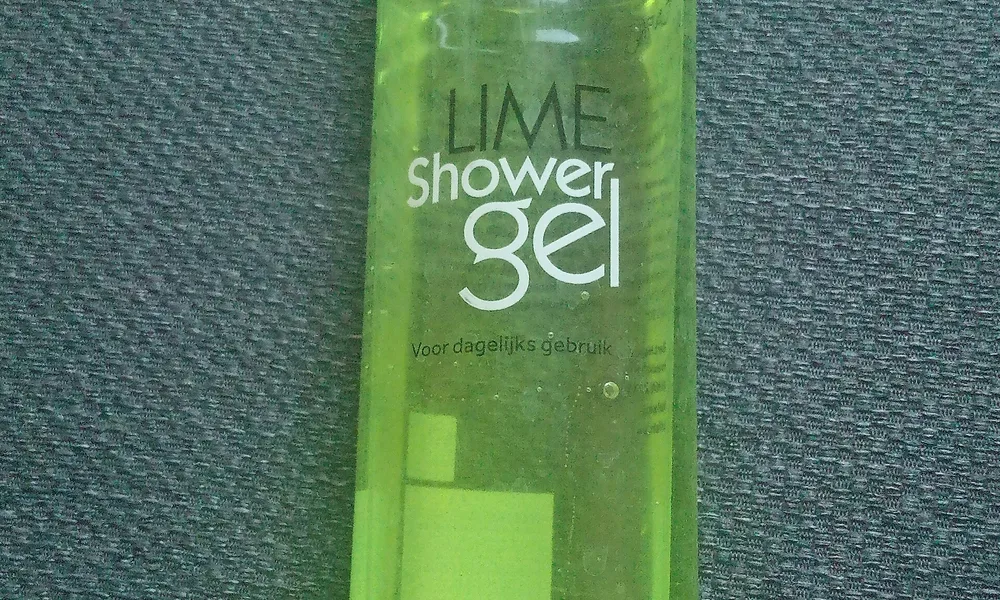
A light gel like this one suits oily and combination skin best: clear, quick to rinse, and gone without a trace.
Reading the label without a chemistry degree
You do not need to memorise ingredient names to buy a good body wash, but three quick checks will save you from most bad bottles. First, read the first five ingredients, because they make up most of what is in the bottle, and a gentle cleanser plus glycerin near the top is a good sign. Second, count the ingredients: a short list is easier for your skin to tolerate than a crowded one, especially if your skin is sensitive. Third, check where fragrance sits on the list, because the higher it appears, the stronger the scent will be and the more likely it is to irritate.
How much to use, and how to wash
Most people use far too much body wash, and the extra does nothing except dry the skin out and empty the bottle faster. A coin-sized amount, about a teaspoon, is enough for the whole body when it is worked into a lather with your hands or a clean sponge. Water temperature matters more than most people realise: lukewarm water cleans just as well as hot water and strips far less of the skin’s natural oil, so turn the heat down a notch and your skin will notice the difference within a week. Keep showers to around ten minutes, rinse thoroughly, and pat dry rather than rubbing, because rubbing with a towel scrapes skin that the wash has just softened.
Checklist: buying a body wash in 2026
- Work out your skin type first, using the after-shower test, and buy for that type rather than for the scent or the bottle.
- Match the texture to the type: cream for dry skin, gel for oily skin, fragrance-free for sensitive skin.
- Read the first five ingredients and check where fragrance sits, because the top of the label tells the truth about the bottle.
- Buy the smallest bottle first when trying a new wash, and give it a full week before deciding whether it suits you.
- Use a coin-sized amount with lukewarm water, rinse until the skin feels clean and not slippery, and pat dry.
- Moisturise while skin is still slightly damp, and switch to a richer wash in winter and a lighter one in summer.
Frequently asked questions
How often should I use body wash?
Once a day is enough for most people, and twice only after heavy exercise or a very sweaty day.
Can I use body wash on my face?
It is better not to. The skin on your face is thinner and more reactive than the skin on your body, and body washes are usually stronger and more fragranced than face washes. A gentle face wash is the right tool for the job.
Why does my skin feel tight after showering?
Tightness means the wash has stripped away too much of your skin’s natural oil, and the usual causes are a harsh formula, water that is too hot, or simply too much product. Try a gentler cream wash, turn the heat down, and use a coin-sized amount, and the tightness should fade within a week.
Is a more expensive body wash better?
Not necessarily. Price often pays for scent, packaging and marketing rather than gentler ingredients, and some of the kindest washes are also the cheapest.
Do I need a different wash in winter?
Many people do, because cold air and indoor heating dry skin out. A richer cream wash in winter and a lighter gel in summer suits most skin types, and the change is worth making as soon as your skin starts feeling tight in the colder months.
What should I do if a new wash irritates my skin?
Stop using it straight away and go back to the plainest wash you have, or just lukewarm water for a few days. Once the irritation settles, patch test any new wash on one forearm for several showers before using it all over, and keep the label short and fragrance-free.
The bottom line
The best body wash for you is the one that matches your skin type, rinses clean, and leaves your skin feeling comfortable until the next shower. Work out your type with the after-shower test, choose the texture that fits it, read the first few ingredients, and give every new wash a full week to prove itself. Get those four things right and the bottle on your shelf will quietly do its job, day after day, without your skin ever having to complain about it.