A moisturizer is the quiet workhorse of skincare, and it is also the product most people buy wrong. A good one disappears into the skin within a minute, leaving it soft, calm and comfortable for hours, and you forget you are wearing it. A bad one sits on the surface, feels greasy or tight, pills under makeup, and by lunchtime your skin looks shinier, drier, or more irritated than it did before you put anything on. The difference is rarely the price on the jar.
This comparison puts the best moisturizers of 2026 head to head against the worst, judging them the way you would actually use them: how fast they sink in, how your skin feels after an hour, whether they play nicely with makeup and sunscreen, and whether your skin looks better at five in the afternoon. A moisturizer cannot fix everything on its own, and sun protection matters just as much, so our guide to sunscreens that sit well under makeup is worth reading alongside this one,
Key Takeaways
- Skin type decides everything: a rich cream that saves dry skin will overwhelm oily skin, and a light gel that suits oily skin will leave dry skin tight.
- Absorption is the first test: a good moisturizer sinks in within a minute, while a bad one stays greasy, sticky or white on the surface.
- Ingredients matter more than marketing: look for ceramides, glycerin and hyaluronic acid, and be wary of heavy fragrance and drying alcohol.
- Less is usually enough: a pea-sized amount for the face, rubbed in gently, beats a thick layer that pills and slides.
- Check it after an hour: a good moisturizer still feels comfortable after an hour, while a bad one has gone tight, shiny or itchy.
How Moisturizer Actually Works
A moisturizer does two simple jobs, and it does them well when the formula is right. First it adds water to the top layer of the skin, usually with humectants like glycerin and hyaluronic acid that pull moisture in from the air and from deeper layers of skin. Then it seals that moisture in, with emollients and occlusives like ceramides, squalane and shea butter that fill the tiny gaps between skin cells and slow down water loss through the day.
That second job is the one most people misunderstand. Dry skin is not always skin that lacks water; very often it is skin that cannot hold onto water because its barrier is damaged. A good moisturizer repairs that barrier, which is why skin often feels better after a week of using the right cream than it did after the first day.
Texture tells you a lot about what a moisturizer will do. A gel is mostly water and sinks in fast, which suits oily skin and warm weather. A lotion is a balance of water and oil, light enough for most skin most of the year. A cream is richer, with more oil, and suits dry skin and cold weather.

The Best Moisturizers of 2026
The best moisturizers of 2026 share three traits. They sink in quickly, they keep skin comfortable for hours without shine or tightness, and they work under makeup and sunscreen instead of fighting them. Here are the three kinds worth buying this year.
Best for everyday wear: a light ceramide lotion
For most people on most days, the best moisturizer is a light lotion built around ceramides, the fats that hold the skin barrier together. It feels like almost nothing going on, sinks in within a minute, and leaves skin soft without shine. A good one has no strong fragrance, no sting on freshly washed skin, and a pump or tube that keeps the formula clean, because a jar you dip fingers into every morning is a jar that picks up bacteria.
Apply it to slightly damp skin, straight after washing your face, when the skin is most ready to hold onto moisture. Use a pea-sized amount for the whole face, dot it across your forehead, cheeks and chin, and press it in gently rather than rubbing hard.
Best for dry skin: a rich, fragrance-free cream
Dry skin needs a different kind of moisturizer, and the best rich creams of 2026 are far more comfortable than the heavy, greasy pots of a few years ago. A good one contains ceramides, glycerin and a little shea butter, and it keeps skin soft all day without feeling like a mask. The finish is a soft, healthy glow rather than a greasy shine, which matters, because light reflected from comfortable skin makes it look plump and healthy, while a flat, tight feeling makes dry skin look dull and tired.
Preparation matters more than the product here. Wash with lukewarm water, pat your skin mostly dry, and apply the cream while it is still slightly damp, so the humectants have water to hold onto. A rich cream also works well as a night treatment: apply a slightly thicker layer before bed, and let it work overnight, when the skin loses the most water.
Best for oily skin: a weightless gel moisturizer
Oily skin still needs moisturizer, and skipping it is the most common mistake people with oily skin make. When skin is stripped and dry underneath, it often produces more oil to compensate, so the right gel moisturizer can actually leave you less shiny by the afternoon. The best gel moisturizers of 2026 are almost water-light, sink in instantly, and leave a clean, matte finish with no residue.
A good gel should contain hyaluronic acid or glycerin for hydration, and little or no heavy oil. Apply a small amount to a clean face, and wait a minute before sunscreen or makeup, because layering too fast is what makes products pill. What it should not do is leave a film, feel sticky, or make your makeup slide off within two hours.

The Worst Moisturizers of 2026
The worst moisturizers are not always cheap, and they are not always obvious in the shop. Some feel wonderful for the first ten minutes and fall apart by lunchtime. These are the three kinds to walk past this year.
Worst for wear: the moisturizer that pills and balls up
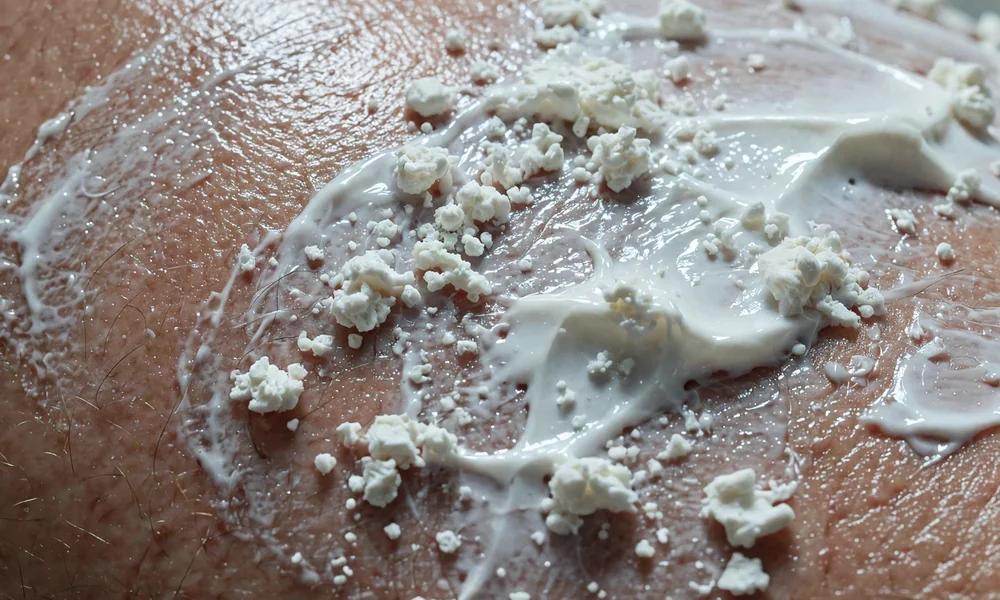
The worst moisturizers of 2026 are the ones that pill. They feel fine on their own, but the moment you add sunscreen or foundation, they roll up into little white balls across your face. The cause is usually too much silicone or a formula that never properly absorbs, so each new layer sits on top of the last instead of blending in. By mid-morning your makeup is patchy, your skin looks flaky, and the only fix is to wash it all off and start again.
These moisturizers are easy to spot if you test properly. Apply a thin layer, wait two minutes, then rub a little sunscreen over the top. If it balls up on your cheek, walk away, however good it felt on its own.
Worst for skin: the heavily fragranced cream that stings and clogs
Some moisturizers fail not because of texture but because of what is inside them. A heavy fragrance, a long list of essential oils, or a high dose of drying alcohol can sting freshly washed skin, trigger redness, and clog pores. The jar smells like a spa, which is exactly the problem: a moisturizer should smell of almost nothing, because the ingredients that make a cream smell lovely are often the ones that irritate skin.
The giveaway is how your skin reacts over a week, not a day. If redness, small bumps or breakouts appear after a few days of a new cream, stop using it, even if it felt luxurious at first. A good moisturizer should calm skin, not challenge it, and the plainest-looking tube on the shelf is very often the best one for your face. The same care applies to the rest of your body, and our guide to choosing body lotion for your skin type is a useful reminder that scented body products and facial skin do not always mix.
Worst for oil control: the heavy cream that turns skin into a shine
The third failure is a moisturizer that is simply too heavy for the skin it is used on. A thick, buttery cream designed for very dry skin will sit on oily or combination skin like a film, trapping heat and oil underneath. Within an hour the face is shiny, makeup slides, and pores look larger, not smaller. By lunchtime the skin feels hot and congested, and the temptation is to wash it all off and start again, which only strips the skin further.
Heavy creams have their place, on dry patches, elbows, heels and winter-bitten hands, but they do not belong all over an oily face. If a moisturizer leaves a visible sheen within thirty minutes, it is too rich for you, whatever the label promises.
How to Choose a Moisturizer That Suits You
Start with your skin, not the jar. Wash with a gentle cleanser, pat your skin mostly dry, and wait a minute before you apply anything. Moisturizer applied to clean, slightly damp skin always works better than the same cream on dirty or bone-dry skin. Your hands need the same care, and our guide to why hand cream matters more than you think is a useful reminder that the skin on your hands is thinner and drier than most people realise.
Then test properly. Apply a thin layer to one cheek, wait an hour, and check in daylight. The right moisturizer leaves skin soft and calm, with no shine, no tightness and no redness. Wait a full day if you can, and check again the next morning: skin that still feels comfortable overnight is skin that has found its match. A moisturizer that stings, pills or shines within the hour is the wrong one, however good the reviews were.
Think about the season, too. Skin that needs a rich cream in January often needs only a light lotion in July, and oily skin can feel dry in winter and greasy in summer. Keep two moisturizers if you need to, one light and one rich, and switch between them as the weather changes.
The Verdict
The best moisturizers of 2026 are the ones that disappear: a light ceramide lotion for everyday, a rich fragrance-free cream for dry skin, and a weightless gel for oily skin. They sink in fast, keep skin comfortable for hours, and work under makeup and sunscreen. The worst are the creams that pill under other products, the heavily fragranced jars that sting and clog, and the heavy creams that turn oily skin into a shine.
Buy fewer moisturizers, and buy better ones. Test on one cheek, wait an hour, and trust what your skin tells you over what the jar promises: if a moisturizer still feels comfortable after an hour, it is probably a good one. The right moisturizer should make people notice your skin, not your skincare, and that is the whole point of using it.