
The best frozen vegetables in 2026 are the quiet heroes of the freezer aisle. They are picked and frozen within hours of harvest, they keep their colour and most of their nutrients, and they turn into dinner in under ten minutes. The worst frozen vegetables are a different story: limp, grey, and tasting faintly of the freezer itself. The difference is rarely the price.

Key Takeaways
- Peas, broccoli, green beans, and sweetcorn freeze best. They hold their colour, texture, and nutrients far better than vegetables that are mostly water.
- Buy loose, free-flowing bags. Vegetables frozen in a solid clump have thawed and refrozen, and will cook up soft and grey.
- Cook frozen vegetables fast and hot, straight from the freezer, with as little water as possible. Boiling them drowns the flavour.
- Plain bags beat sauced or seasoned ones. A plain bag costs less, has less salt, and lets you season the vegetables yourself.
- Keep bags sealed, flat, and used within three months for the best flavour, and never refreeze vegetables that have thawed.
Which Frozen Vegetables Are Best
Not all vegetables freeze equally well, and knowing which ones do is the whole skill. The best frozen vegetables are the ones with a firm structure and a low water content relative to their size. They freeze solid, thaw quickly, and cook up close to fresh.
Peas: the freezer champion
Peas are the best frozen vegetable, and it is not close. They freeze as individual pearls, they cook in two minutes, and they come out sweet, bright, and firm. Frozen peas are the vegetable to keep in every freezer, because they go with almost anything: stirred into pasta, tipped into a soup, scattered over rice, or served as a side with butter and mint.
Broccoli: the nutritional heavyweight
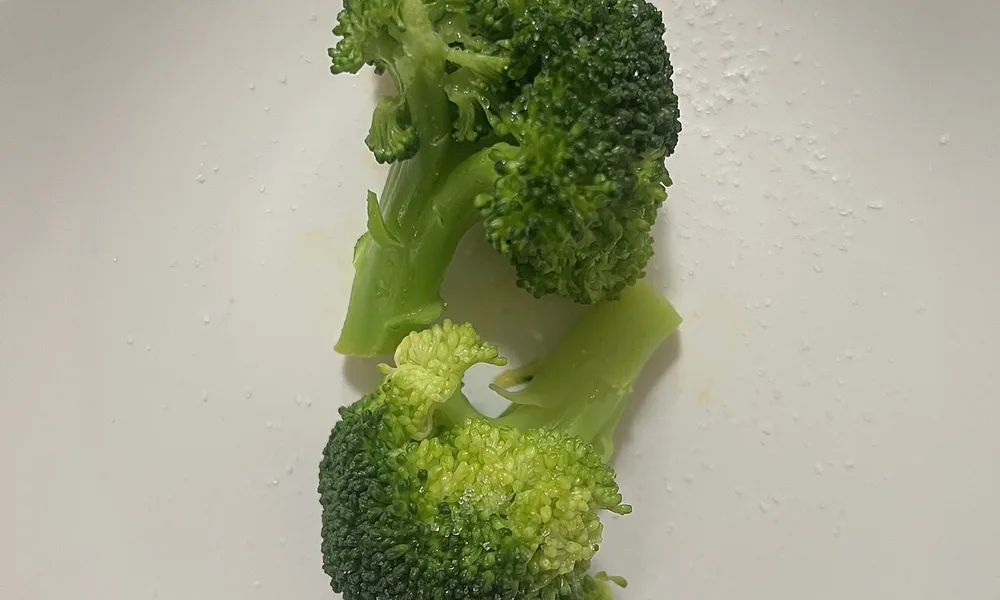
Broccoli is the best frozen vegetable for nutrition, and one of the best for flavour when it is cooked properly. Frozen broccoli florets are cut small enough to cook quickly, and they hold their colour and bite far better than most people expect. The mistake is boiling them. Roast them from frozen in a hot oven with a little oil and salt, or steam them for three minutes, and they come out bright green and slightly crisp at the edges.
Mixed vegetables: the convenient compromise
Mixed vegetables are the best frozen vegetables for convenience, and the most variable in quality. A good mix is mostly peas, carrots, sweetcorn, and green beans, all cut to a similar size so they cook evenly. A bad mix is mostly the cheapest vegetable in the bag, cut unevenly, so the peas are mush by the time the carrots are done.
Green beans, sweetcorn, and spinach
Green beans freeze well and cook fast, and they are at their best tossed in a hot pan with garlic and a squeeze of lemon. Sweetcorn is sweet, sturdy, and almost impossible to ruin, which makes it the best frozen vegetable for children and for anyone learning to cook.
How to Read a Bag of Frozen Vegetables
Reading a bag of frozen vegetables takes ten seconds and saves you from the worst bags. First, squeeze the bag gently. The vegetables should feel loose and free-flowing, like marbles in a bag. If they feel like a solid block, the bag has thawed and refrozen, and the vegetables inside will cook up soft and grey.
The freezer itself tells you something too. Bags in a tidy, frost-free freezer are usually in better condition than bags in a freezer with thick ice on the walls, which suggests the temperature has been uneven. Choose your bags from the middle of the freezer rather than the top, where the temperature swings most when the door opens.
Second, look for ice crystals. A little frost on the outside of the bag is normal, but large clumps of ice inside, or vegetables coated in a thick layer of frost, mean the bag has been sitting open or has gone through temperature changes, and the vegetables will be dry and tasteless. Third, read the ingredient list: it should say one thing, the vegetable. If it lists salt, sugar, butter, or a sauce, you are paying for flavouring you could add yourself.
The Best Frozen Vegetables of 2026
The strongest frozen vegetables of 2026 fall into five clear groups.
Best overall: frozen peas
Frozen peas are the best frozen vegetables for most households. They are cheap, they cook in two minutes, they go with everything, and they are genuinely nutritious. Keep a large bag in the freezer at all times, and use them the way you would use a fresh herb: constantly, and without thinking about it.
Best for roasting: frozen broccoli
Frozen broccoli is the best frozen vegetable for roasting. Spread the florets on a baking tray, toss with oil and salt, and roast at a high heat until the edges crisp. The result is nothing like boiled broccoli, and it is the version that converts people who think they do not like broccoli.
Best for busy nights: mixed vegetables
A bag of mixed vegetables is the best frozen vegetable for a busy night. It needs no thought, no chopping, and no planning. Tip it into a pan with a little oil, or into a pot of soup, or into a stir-fry, and dinner is five minutes closer.
Best for sauces and soups: frozen spinach
Frozen spinach is the best frozen vegetable for sauces, soups, and curries. It melts into a dish in minutes, adds colour and iron, and needs no preparation at all. Squeeze the water out of a defrosted block before you add it, or your sauce will be thin.
Best budget buy: supermarket own-brand sweetcorn
Supermarket own-brand sweetcorn is the best budget frozen vegetable, and often the best value in the freezer aisle. Sweetcorn freezes brilliantly, it is sweet and sturdy, and the own-brand bags are usually indistinguishable from the premium ones.
| Vegetable | Best for | Cook time | Best method | Value |
|---|---|---|---|---|
| Peas | Everyday meals | 2 minutes | Boil briefly or stir in | Excellent |
| Broccoli | Roasting | 12 minutes | Roast from frozen | Good |
| Mixed vegetables | Busy nights | 5 minutes | Pan-fry or soup | Good |
| Spinach | Sauces and soups | 4 minutes | Stir in, squeeze dry | Excellent |
| Sweetcorn | Budget meals | 3 minutes | Boil or pan-fry | Excellent |
How to Cook Frozen Vegetables Properly
Cooking frozen vegetables well is mostly about not overcooking them. They are already blanched before freezing, which means they are partly cooked. Your job is to finish them, not to cook them from scratch. Cook them fast, cook them hot, and use as little water as possible.
Roasting is the best method for broccoli, green beans, and cauliflower: spread the vegetables in a single layer on a baking tray, toss with a little oil and salt, and roast at 220 degrees until the edges crisp. Do not crowd the tray, or the vegetables will steam instead of roast. Steaming is the best method for peas, sweetcorn, and mixed vegetables: three minutes in a steamer, or two minutes in a covered pan with a splash of water, is enough.
A squeeze of lemon or a splash of vinegar at the end of cooking brightens frozen vegetables more than any seasoning added at the start, because the acid wakes up flavours that freezing dulls.
Cook frozen vegetables straight from the freezer. There is no need to defrost them first, and defrosting makes them soggy. The one exception is spinach, which is sold in blocks and needs defrosting and squeezing before it goes into a sauce. Season after cooking, not before, because salt draws water out of vegetables and makes them soft. Frozen vegetables also belong in dishes, not just beside them: tip peas into pasta in the last two minutes, stir spinach into a curry, or add mixed vegetables to a soup. Our guide to canned soups that taste homemade shows how a handful of frozen vegetables lifts a simple tin into a proper meal, and our round-up of instant noodles worth stocking recommends frozen peas and sweetcorn as the fastest way to turn a packet into dinner.

Best vs Worst: What Separates Good Frozen Vegetables From Bad Ones
The difference between the best and the worst frozen vegetables shows up the moment you open the bag. Good frozen vegetables are loose, bright, and free of ice clumps, and they cook up close to fresh. Bad ones are a solid frozen block, coated in frost, with dull colours and a faint smell of freezer, and no amount of careful cooking will save them. The other difference is what has been added: the best contain one ingredient, the vegetable, while the worst contain salt, sugar, butter, or a sauce and cost more for the privilege.
Storage, Value, and Serving
Store frozen vegetables sealed, flat, and cold. Squeeze the air out of the bag before you seal it, and lay the bag flat in the freezer so it freezes in a thin layer and you can break off what you need. A bag left open will develop freezer burn within weeks, and the vegetables will taste of the freezer. If you buy in bulk, divide the bag into smaller portions in freezer bags and label them with the date. Our guide to the best meal prep containers for freezing covers the boxes and bags that keep frozen food at its best, and a bag kept properly will taste good for three months and acceptable for six.
Checklist: Buying Frozen Vegetables
- Squeeze the bag. The vegetables should feel loose and free-flowing, never a solid block.
- Look for ice. A little frost is fine, but large clumps of ice mean the bag has thawed and refrozen.
- Read the ingredients. One ingredient, the vegetable itself, is the mark of a good bag.
- Match the vegetable to the meal. Peas for everything, broccoli for roasting, spinach for sauces.
- Cook fast and hot, straight from frozen, with as little water as possible.
- Seal the bag, lay it flat, label the date, and use it within three months.
Frequently Asked Questions
Are frozen vegetables as healthy as fresh ones?
Usually, yes, and sometimes more so. Vegetables are frozen within hours of picking, which locks in vitamins that fresh vegetables lose during transport and storage.
Do I need to defrost frozen vegetables before cooking?
No, for almost everything. Cook peas, broccoli, green beans, sweetcorn, and mixed vegetables straight from frozen.
Why do my frozen vegetables always come out soggy?
Usually because they were boiled for too long in too much water, or because the bag had thawed and refrozen before you bought it. Cook them fast and hot, use as little water as possible, and roast or pan-fry them instead of boiling.
How long do frozen vegetables last in the freezer?
Three months for the best flavour, and up to six months before the quality drops noticeably. They stay safe to eat for longer, but the taste and texture fade.
Can I refreeze frozen vegetables that have thawed?
No. Once frozen vegetables have thawed, cook them and eat them, or throw them away. Refreezing makes them soft, watery, and dull.
Which frozen vegetables are best for weight loss?
The plain, low-calorie ones: broccoli, green beans, spinach, and peas. They are filling, high in fibre, and very low in calories, which makes them the easiest way to bulk out a meal without adding energy.
Bottom Line
The best frozen vegetables in 2026 are peas, broccoli, green beans, sweetcorn, and spinach, bought plain in loose, free-flowing bags and cooked fast and hot straight from the freezer. Stock two or three bags, cook them properly, and season them well, and your freezer becomes the fastest route to a healthy meal. The bag is not a compromise.


