
Instant Noodles Worth Stocking in 2026
Instant noodles are the most honest food in the pantry: cheap, fast, and ready in the time it takes a kettle to boil. The best instant noodles in 2026 go further than that, though. They have noodles that stay springy instead of turning to mush, a broth with real depth rather than just salt, and a flavour that holds up once you add an egg or a handful of greens. The worst are a mouthful of salt water and limp strands. This guide sorts the cup from the packet, the broth from the brine, and the toppings that make a quick meal worth eating.
Key Takeaways
- Cup noodles win on convenience and portion control; packets win on noodle quality, broth depth, and value per serving.
- Read the broth first: a good sachet lists real flavourings and aromatics before salt, and the soup should taste layered, not just salty.
- Noodle texture is the real quality test — springy, slightly chewy strands that survive four minutes beat soft, floury ones every time.
- One egg, a handful of greens, and a drizzle of chilli oil turn almost any packet into a proper meal for very little extra effort.
- Stock two or three styles, not ten of the same: a clean chicken or shoyu, a spicy one, and a rich miso or tonkotsu-style cover most cravings.
Cup vs Packet: Which Format Actually Tastes Better
The cup-versus-packet question is really a question about what you are paying for. A cup bundles bowl, lid, and fork, and you pay for that in a smaller noodle block and a thinner broth. A packet gives you more noodles and a better seasoning sachet for less money, but it asks you to own a bowl and a pan. Neither is automatically better; the right one depends on where and how you eat.
When a Cup Makes Sense
Cups shine at a desk, on a train, or anywhere without a stove. The noodle block is thinner, so it hydrates evenly in three minutes with just hot water, and the cup keeps the soup hot while you eat. The trade-off is portion size: most cups hold noticeably fewer noodles than a packet, and the broth can taste one-note because the seasoning has to dissolve in a smaller volume of water. Keep cups for travel, the office drawer, and late nights when washing a pan feels like too much.
When a Packet Wins
Packets are the better buy for home. You get a fuller block of noodles, a separate seasoning sachet that is often richer, and room to cook the noodles properly in a pan of boiling water, which gives a far better texture than steeping. Packet noodles also take toppings gracefully: an egg poached in the same water, frozen peas tipped in for the last minute, or spring onions scattered on top. If you eat instant noodles more than once a week, packets should be your default, with cups kept as backup.

What to Look For in the Broth
Broth is where cheap instant noodles give themselves away. A good broth has layers: salt, then savouriness, then something aromatic — garlic, ginger, sesame, or dried mushroom — that lingers after you swallow. A poor broth has one flavour, salt, and it fades the moment the spoon leaves your mouth.
Salt Is Not Flavour
Nearly every instant noodle is salty, and that is not automatically a flaw — salt is what makes a quick broth taste like food. The problem is when salt is the only thing doing the work. If you find yourself reaching for soy sauce or chilli oil just to make a bowl interesting, the broth underneath was thin. Hold back a third of the seasoning sachet and taste before adding the rest.
Depth Comes From the Oil Sachet
Many better packets include a second sachet: a flavoured oil, a paste, or a chilli crisp. That little sachet does more for the finished bowl than anything else in the packet, because fat carries flavour. Sesame oil adds nuttiness, chilli oil adds heat and colour, and a roasted garlic oil adds a savoury depth that powder alone cannot. Add it at the end, off the heat, so its aroma stays in the bowl.
Broth Styles Worth Knowing
Shoyu, or soy-sauce broth, is the cleanest and most versatile — light, savoury, and friendly to almost any topping. Miso broth is richer and slightly sweet, and it pairs well with corn, butter, and leafy greens. Tonkotsu-style broth is the richest of all, creamy and porky, and it suits a soft egg and spring onions. Spicy broths, from tom yum to mala, are built around heat and sourness; look for ones that balance the chilli with lime, lemongrass, or vinegar rather than heat alone.
The Noodles Themselves
Noodles are half the meal, and they vary more than most people realise. Wheat noodles are the default, with a springy bite when they are made well. Rice noodles cook faster and stay lighter, suiting clear, sour broths. Buckwheat-style and sweet potato noodles turn up in Korean-style packets and have a chewier, more slippery texture. The noodle block itself tells you a lot: a dense, tightly curled block usually cooks up firmer, while a loose, pale block tends to go soft quickly. If you like your noodles firm, pull them thirty seconds before the packet says they are done — they keep cooking in the hot broth.
Texture is also about water. Too much water drowns the broth and leaves the noodles waterlogged; too little and the noodles clump. A litre of water per packet is a fair starting point on the stove, and a shorter steep in a cup. Drain packet noodles briefly if you prefer a stronger broth, or keep the cooking water if you like a lighter soup — the starchy water actually helps the broth cling to the noodles.
Toppings That Turn a Packet Into a Meal
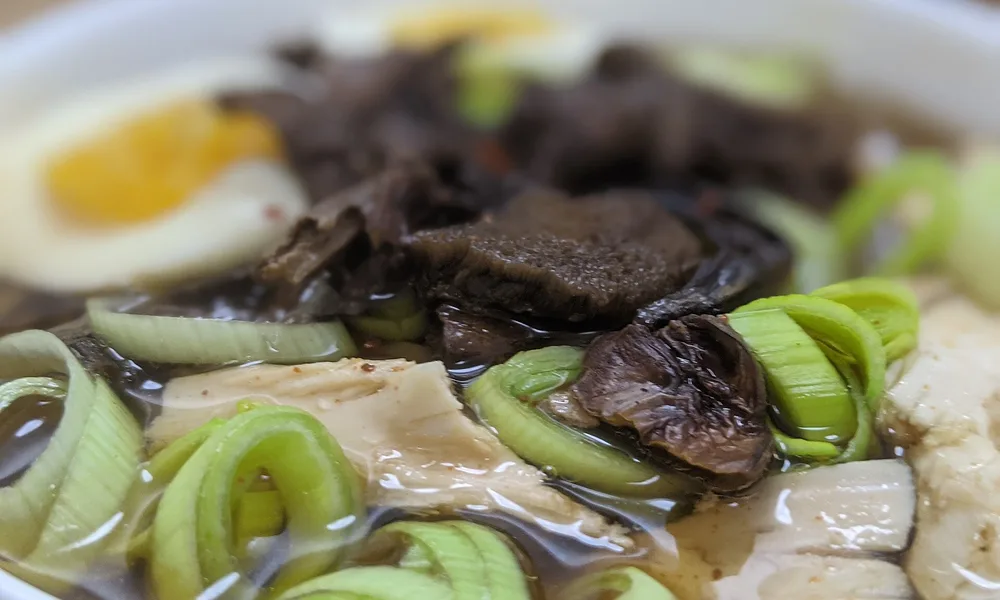
The best instant noodle habit is a small toppings routine. It takes two minutes and it is the difference between a snack and a meal. A soft egg is the single best upgrade: six and a half minutes in boiling water, peeled and halved, with a jammy yolk that enriches the broth. Frozen peas, sweetcorn, or edamame go straight into the cooking water for the last minute. Spring onions, torn herbs, and a squeeze of lime add freshness that no sachet can.
The Egg, Done Properly
There are three good ways to egg your noodles. A jammy boiled egg, cooked separately, is the most reliable. A poached egg, cracked straight into the simmering broth for the last two minutes, is the easiest and needs no extra pan. And a stirred egg, beaten and drizzled into the hot soup off the heat, turns into silky ribbons like egg-drop soup.
Greens, Crunch, and Heat
Greens wilt in seconds in hot broth, so add them at the very end: spinach, shredded cabbage, bean sprouts, or thinly sliced spring onion. Crunch comes from toasted sesame seeds, crushed peanuts, fried shallots, or a few sheets of crumbled seaweed. Heat is personal, but the best approach is layers: chilli oil for warmth, fresh chilli for brightness, and a little black pepper for bite.
Instant Noodles Compared
| Type | Best for | Noodle quality | Broth depth | Price per serving |
|---|---|---|---|---|
| Cup noodles | Desk, travel, no stove | Good, thinner strands | Light, one-note | Highest |
| Standard packet | Everyday home meals | Good, springy when timed | Decent, varies by brand | Lowest |
| Premium air-dried packet | Weekend upgrade | Excellent, clean chew | Rich, layered | High |
| Fresh-style chilled noodles | Closest to restaurant | Excellent, firm bite | Fresh, delicate | High, short shelf life |
Standard packets are the sweet spot for most people; cups earn their keep only where there is no stove.
How to Cook Them Properly
The packet instructions are a starting point, not a law. Bring a full pan of water to a rolling boil before the noodles go in — dropping them into lukewarm water is how you get glue. Cook the noodles a little under the stated time, then finish them in the broth so they absorb flavour instead of plain water. Season in stages: half the sachet, taste, then the rest if it needs it. Add the oil sachet last, off the heat.
Storage matters as much as cooking. Keep packets in a cool, dry cupboard away from heat, and check the date on cups you have had for months — the oil in the noodle block goes stale long before the noodles themselves do. A stale packet smells faintly of old cooking oil when you open it; if it does, throw it away rather than trying to rescue it with extra seasoning.

Before You Buy: A Quick Checklist
- Check the noodle block: dense and tightly curled usually means a firmer bite.
- Read the seasoning ingredients: real aromatics and dried vegetables beat salt and enhancers alone.
- Look for an oil or paste sachet — it is the cheapest sign of a better broth.
- Match the broth style to your mood: clean shoyu, rich miso or tonkotsu, or spicy tom yum and mala.
- Buy packets for home and cups for travel, not the other way round.
- Keep an egg, spring onions, and chilli oil on hand so any packet becomes a meal.
Frequently Asked Questions
Are cup noodles or packet noodles healthier?
Neither is a health food, and the difference between them is small. Packets let you control the seasoning more easily, since you can use half a sachet, and they make it simpler to add vegetables and protein.
How long should instant noodles actually cook?
Most packets say three to four minutes, and that is about right — but pull them thirty seconds early if you like a firm bite, because they keep cooking in the hot broth. Cup noodles need the full steep time with the lid on, and a quick stir halfway through helps the top strands hydrate evenly.
Can you make instant noodles taste like restaurant ramen?
You can get surprisingly close. Use a premium air-dried packet, cook the noodles separately, add a soft egg, spring onions, and chilli oil, and serve in a warmed bowl.
Why do my noodles always go soggy?
Usually it is too much water, too long in the pot, or too long sitting in the bowl. Boil the noodles briefly, drain them if you like, and eat straight away. If you are topping them, have everything ready before the noodles go into the water.
What is the best instant noodle flavour for beginners?
Start with a clean chicken or shoyu flavour. They are the most forgiving, they take any topping, and they teach you what a balanced instant broth should taste like.
How should I store instant noodles?
In a cool, dry cupboard, away from the stove and out of direct sun. Packets keep for months, but the oil in the noodle block can go stale, so rotate your stock and use the oldest packets first. Discard any packet that smells of old oil when opened.
The Bottom Line
The best instant noodles are the ones that respect the three minutes they take: springy noodles, a broth with more than salt in it, and a format that fits how you actually eat. Stock packets at home, keep cups for the road, try one premium air-dried brand to learn what better tastes like, and build a small toppings habit around an egg, some greens, and chilli oil. For more pantry staples, see our guide to the best pasta brands, our notes on bone broth for a richer base, and our pick of soy sauces worth pouring.


