Rice noodles are the quiet workhorse of the Asian pantry, and the ones worth cooking in 2026 are the ones that stay silky instead of turning to mush. A good rice noodle is little more than rice flour and water, yet it carries a clear pho broth, a sticky pad thai sauce or a cold vermicelli salad with equal ease. The difference between a great bowl and a gluey mess is rarely the brand on the packet. It is knowing which shape to buy, whether to soak it or boil it, and how long to leave it alone once it hits the water.
Key Takeaways
- Flat rice noodles suit soups and stir-fries, while thin vermicelli suits salads, spring rolls and cold bowls.
- Soak flat noodles in hot water and boil only thin vermicelli; boiling flat noodles is the fastest way to turn them to mush.
- Buy noodles with a short ingredient list: rice flour and water, plus a little tapioca or corn starch for chew.
- Rinse cooked noodles cold for salads and stir-fries; skip the rinse for hot soups.
- Store dried rice noodles sealed, away from heat and light, and use them within a year.
Flat vs Vermicelli: The Two Shapes That Matter
Nearly every rice noodle you will meet falls into one of two families, and confusing them is the single most common mistake. Flat rice noodles are wide ribbons, from the narrow 3mm strands used in pad thai to the broad 10mm ribbons that go into pho and drunken noodles. They are chewy, slippery and substantial, and they need time in hot water to soften all the way through. Vermicelli are hair-thin threads that soften in minutes and turn delicate: they belong in cold salads, spring rolls and light broths, where they add body without stealing the show.
The width you choose changes the dish. Narrow flat noodles cling to sauce, which is why pad thai uses them: every strand picks up tamarind, fish sauce and egg. Broad flat noodles hold their own in a rich broth, which is why pho uses them: they stay distinct in hot soup instead of dissolving into it. Vermicelli behave differently again. They tangle easily and absorb dressing fast, so they are best tossed with herbs, peanuts and lime in a cold bowl, or tucked inside a rice paper roll where they add a soft, springy bite.
How to read the packet
The front of the packet tells you the shape; the back tells you the quality. A good packet lists rice flour and water first, and nothing else except salt. Some brands add tapioca starch for chew or corn starch for firmness; both are fine in small amounts. What you do not want is a long list of stabilisers and preservatives, or noodles that are already broken into short pieces inside the bag.
Soaking vs Boiling: Getting the Texture Right
Rice noodles are not wheat pasta, and treating them the same way is how good dinners go wrong. Wheat pasta needs a rolling boil and a timer. Rice noodles need gentleness. Flat rice noodles should be soaked, not boiled: cover them with hot water, leave them for eight to twelve minutes, and test a strand until it is pliable but still firm in the middle.
Thin vermicelli are the exception, because they are so fine that soaking leaves them limp. Boil them instead, but briefly: two to three minutes in a large pot of water, then drain immediately and rinse under cold water. The cold rinse stops the cooking and washes off the surface starch that makes noodles clump together. That rinse is essential for salads, spring rolls and stir-fries. Skip it only for hot soup, where a little extra starch thickens the broth.
The mistakes that ruin rice noodles
Overcooking is the first mistake, and it happens in seconds rather than minutes. A flat noodle that is perfect at ten minutes of soaking is mush at fifteen, so set a timer and taste early. The second mistake is cooking too many noodles in too little water: they release starch as they soften and glue into one mass. Give them room and separate them gently as they soak. The third mistake is leaving cooked noodles in the colander: they keep cooking in their own heat, so toss them with a teaspoon of oil or serve them straight away.
The Dishes That Show Rice Noodles at Their Best
These four dishes cover almost everything rice noodles can do, each using a different shape.
Best for soup: pho
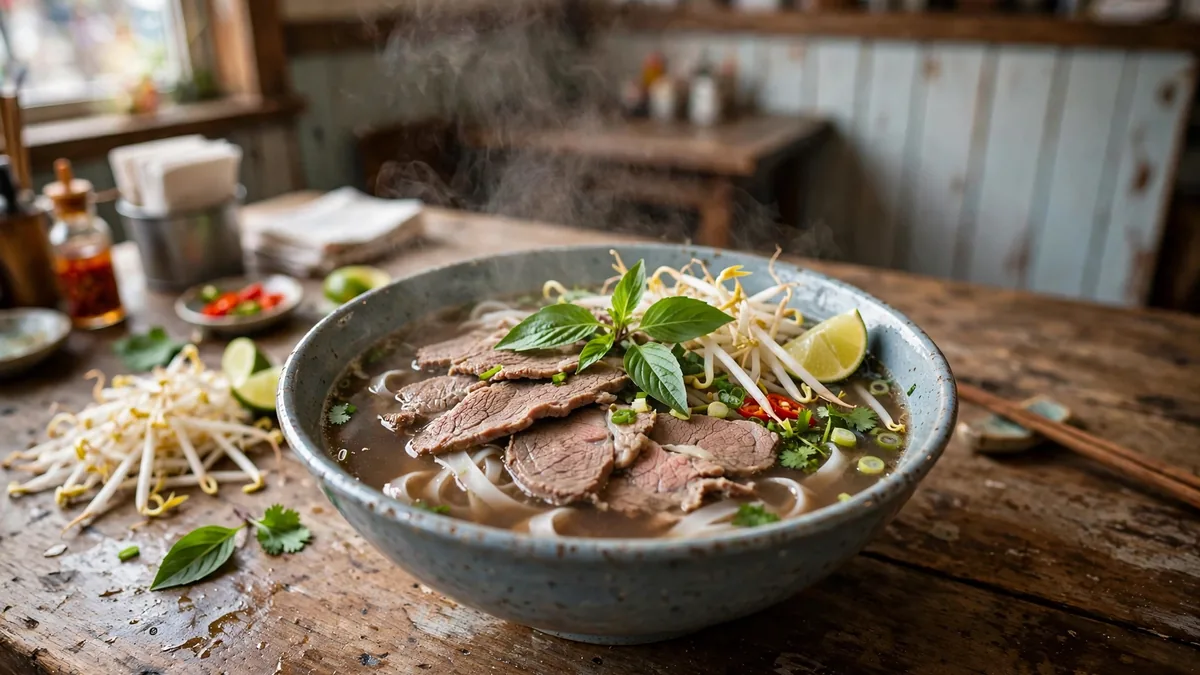
Pho is the dish that made flat rice noodles famous, and it is still the best test of them. Broad ribbons go into a clear, aromatic broth with herbs, bean sprouts and lime, and must stay springy in hot liquid for the whole meal. Soak the noodles until just pliable, drop them into the bowl, and pour the boiling broth over the top. The broth finishes the cooking in under a minute, and the noodles stay distinct instead of dissolving.
Best for the wok: pad thai
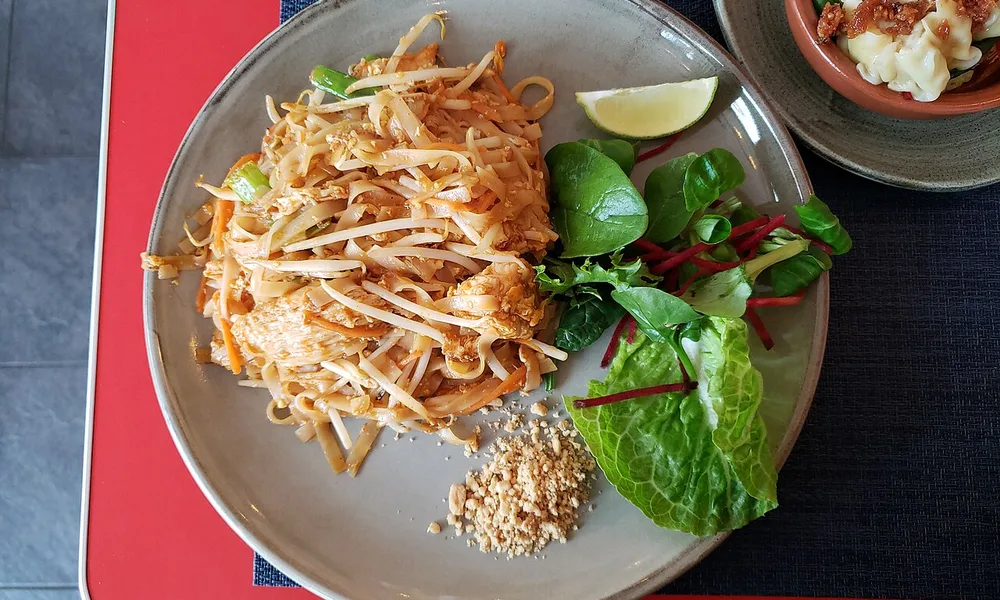
Pad thai is a stir-fry, not a soup, and it needs a noodle that can take heat, sauce and tossing without breaking. Narrow flat noodles, soaked until bendy but still firm, go into a hot wok with egg, prawns or tofu, tamarind, fish sauce and palm sugar. The sauce coats the strands rather than pooling underneath, and crushed peanuts and lime go on at the end. Take the noodles out of the soak slightly underdone: they finish in the wok, and over-soaked ones fall apart at the first touch of the spatula.
Best cold: vermicelli salad bowls
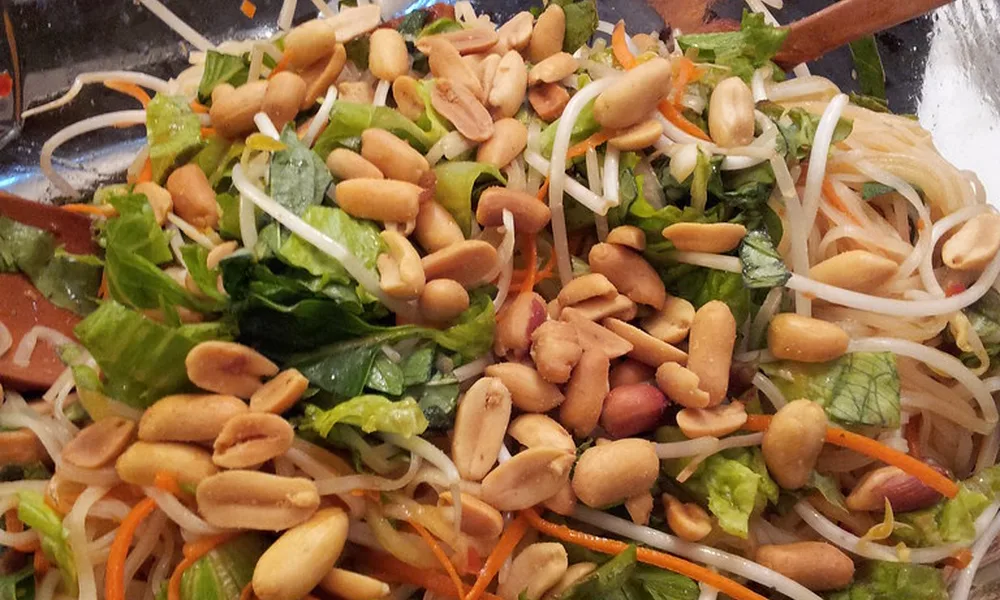
Cold vermicelli bowls are the lightest way to eat rice noodles, and the most forgiving. Boiled vermicelli, rinsed cold, get tossed with carrot, cucumber, mint, coriander and peanuts, then dressed with lime, fish sauce and a little sugar. The noodles carry the dressing without getting heavy, and the dish works with grilled chicken, prawns or tofu.
Best for a crowd: noodle stir-fry
A big pan of stir-fried flat noodles is the easiest way to feed a crowd, and the shape matters more here than anywhere. Use medium flat noodles, soaked and drained well, in a properly hot wok: cold or crowded noodles steam instead of frying and turn sticky. Cook in two batches if the pan is full, and add the sauce at the end so it coats rather than boils the noodles. A splash of soy sauce, a handful of bean sprouts and spring onions, and the dish is done in minutes.
| Noodle type | Best for | Prep | Texture | Watch out for |
|---|---|---|---|---|
| Broad flat (8-10mm) | Pho, noodle soups | Soak 10-12 min | Chewy, slippery | Goes mushy if over-soaked |
| Narrow flat (3-5mm) | Pad thai, stir-fries | Soak 8-10 min | Springy, sauce-clinging | Breaks if soaked too long |
| Vermicelli (thin) | Salads, spring rolls | Boil 2-3 min | Delicate, soft | Clumps without a cold rinse |
| Rice sticks (medium) | Everyday soups, stir-fries | Soak 8 min | Firm, versatile | Needs room in the water |
How Rice Noodles Compare to the Rest of the Pantry
Rice noodles sit between two neighbours that most kitchens already stock, and knowing the difference saves a disappointing dinner. Instant noodles are a different product entirely: a quick cup or packet built for speed, with wheat noodles and a seasoning sachet, ready in four minutes. Wheat pasta is closer in spirit, but it needs a rolling boil, holds a thick sauce, and sits heavier in the stomach.
The other neighbour is the grain itself. A pantry that stocks good rice already understands the logic: basmati for curries, jasmine for stir-fries, arborio for risotto. Rice noodles follow the same rule. You are not buying a brand, you are buying a shape for a dish, and the right shape changes the whole meal.
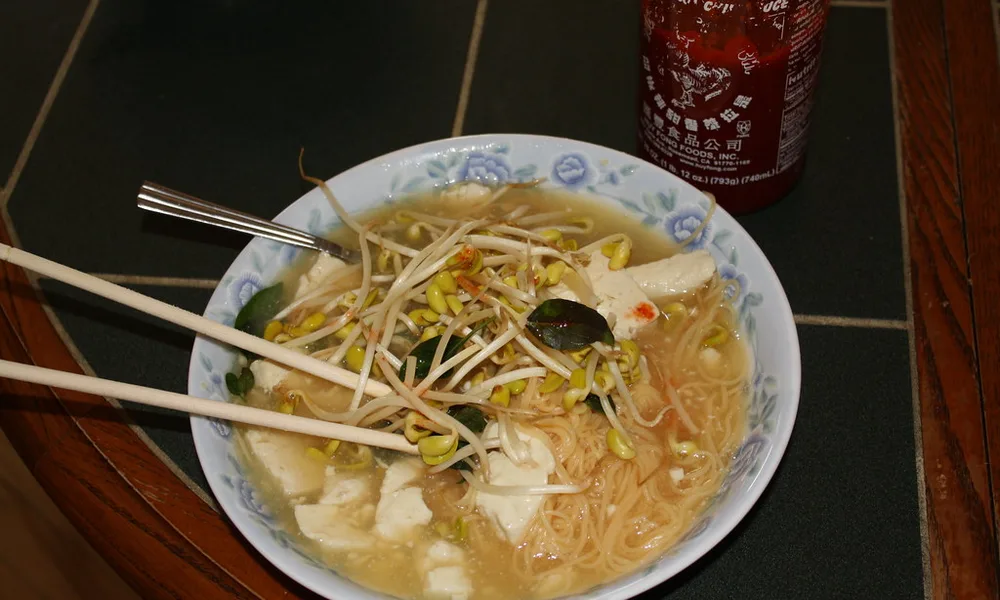
Buying and Storing Rice Noodles
Buy rice noodles where the turnover is high, ideally an Asian grocery, because fresh stock cooks far better than a packet that has sat on a shelf for two years. The packets are cheap, so there is no reason to buy in bulk and store them for years. A sealed packet keeps for about a year in a cool, dry cupboard; once opened, transfer the noodles to a sealed jar so they do not pick up moisture or kitchen smells. Cooked rice noodles do not keep well, so cook only what you need.
Price is a poor guide to quality here. The cheapest packet in the shop is often the best, because rice noodles are a simple product and a low price usually means a short ingredient list and honest drying. Judge by the ingredient list, the colour, and whether the strands are whole in the bag, and you will buy well every time.
How to Choose the Right Rice Noodles
Choosing well takes two minutes in the shop and saves a ruined dinner. Work through this checklist before you buy.
- Match the shape to the dish. Broad flat noodles for pho and soups, narrow flat noodles for pad thai and stir-fries, vermicelli for salads and spring rolls.
- Read the ingredients: rice flour and water first, tapioca or corn starch only in small amounts, no long list of additives.
- Check the colour and the strands. Good dried noodles are clean white and mostly whole; yellowed or broken noodles cook unevenly.
- Plan to soak, not boil, flat noodles. Hot water from the kettle and a timer beat a rolling boil every time.
- Boil only vermicelli, for two to three minutes, and rinse them cold so they stay separate.
- Buy from a shop with fast turnover, store in a sealed jar, and use within a year for the best texture.
Frequently Asked Questions
Are rice noodles gluten-free?
Yes, if they are made from rice flour and water alone, which most are. A few brands add wheat starch, so check the label; a packet listing only rice flour and water is naturally gluten-free.
Why do my rice noodles always turn to mush?
Almost always because they were soaked or boiled too long. Flat noodles need soaking, not boiling, and should come out while still slightly firm in the middle. Set a timer and taste early: they finish cooking in the broth or the wok.
Should I rinse rice noodles after cooking?
Rinse them for salads, spring rolls and stir-fries: cold water stops the cooking and washes off the starch that makes them clump. Skip the rinse for hot soup, where the extra starch thickens the broth.
Can I use rice noodles instead of wheat noodles?
In Asian soups, salads and stir-fries, yes, and they are often better. They do not work as a direct swap in Italian pasta dishes, where wheat’s bite and sauce-gripping surface are part of the dish.
How long do dried rice noodles last?
About a year in a sealed packet in a cool, dry cupboard. Once opened, move them to a sealed jar. Old noodles turn yellow, cook unevenly and break easily, so replace them.
What is the difference between rice noodles and rice vermicelli?
Width and use. Rice noodles is the family name, and vermicelli are the thinnest members of it. Flat noodles are wide ribbons for soups and stir-fries, while vermicelli are hair-thin threads for cold salads, spring rolls and light broths. Buy both, and match the shape to the dish.
The Bottom Line
The rice noodles worth cooking in 2026 are the simple ones: broad flat ribbons for pho, narrow flat strands for pad thai, and fine vermicelli for cold salads and spring rolls. Soak the flat noodles, boil only the vermicelli, and take them out of the water while they are still slightly firm. Buy by the ingredient list rather than the brand, keep two or three shapes in the cupboard, and the noodles will do the rest.