
Instant Tea Worth Brewing in 2026
Instant tea has quietly grown up. The instant tea of 2026 is no longer the dusty, overly sweet powder of the office vending machine: it is freeze-dried granules that keep real aroma, unsweetened black and green tea powders, and cold-brew sticks made for iced tea. Stirred into hot or cold water, a good one is ready in under a minute and tastes remarkably close to a brewed cup. This guide explains the formats, the flavours, and how to pick an instant tea worth your mug.
Key Takeaways
- Unsweetened instant tea powder or granules made from real tea leaves taste far better than sugary instant tea mixes, which are mostly sugar and flavouring.
- Powder dissolves fastest and suits hot tea, while larger freeze-dried granules keep more aroma and work well for both hot and iced tea.
- Black instant tea is the most forgiving choice, green instant tea needs cooler water to avoid bitterness, and herbal instant teas suit evenings without caffeine.
- For iced tea, dissolve the powder in a little hot water first, then pour over ice, or use a cold-brew stick designed to dissolve in cold water.
- Check the ingredient list before buying: real instant tea lists tea extract or tea powder first, while the worst mixes list sugar first.
What Instant Tea Actually Is
Instant tea is real tea that has been brewed, concentrated, and dried into a form that dissolves in water. The best producers brew a strong pot of tea, then freeze-dry or spray-dry it into powder or granules, capturing the flavour and aroma of the original leaves. Add water and you are, in effect, rehydrating a cup of tea that was brewed for you in a factory.
Powder vs Granules vs Sticks
Instant tea comes in three main formats, and each suits a different kind of drinker. The format changes how fast it dissolves and how much aroma survives.
Fine Powder
Fine powder is the classic instant tea format and still the fastest. It dissolves almost the moment it touches hot water, leaving no grit and no stirring, which makes it ideal for a quick cup at a desk or in a hotel room. The trade-off is aroma: the finer the powder, the more volatile flavour compounds escape during drying, so powders can taste a little flat compared with granules. Look for powders that list tea extract as the first ingredient and avoid those padded out with maltodextrin, which dulls flavour and adds bulk without benefit.
Freeze-Dried Granules
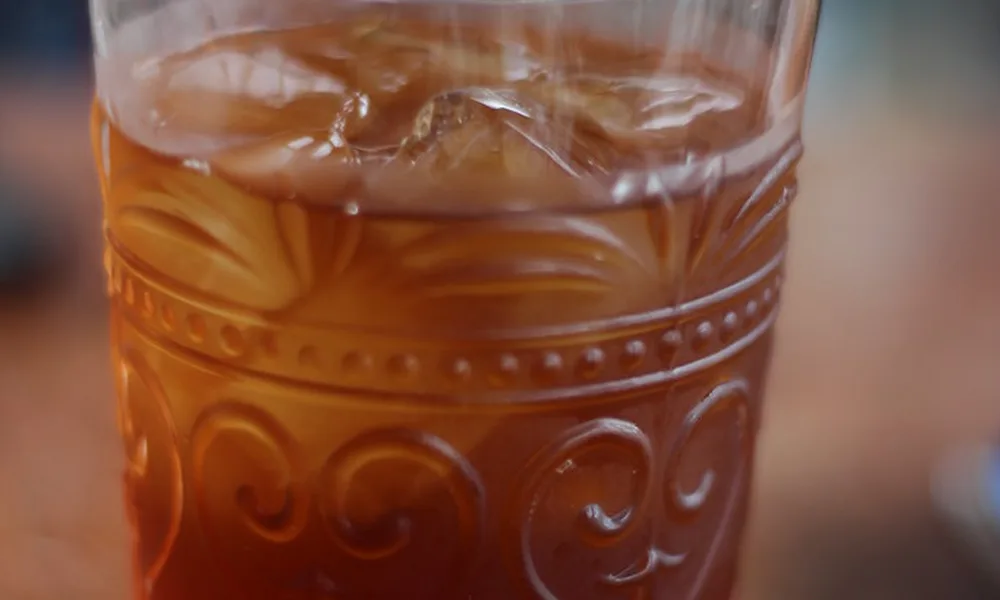
Freeze-dried granules are the premium end of instant tea. The tea is frozen and dried slowly, which preserves far more of the aroma and the delicate top notes that make black tea malty or green tea grassy. Granules take a few seconds longer to dissolve than powder and benefit from a proper stir, but the cup they produce is noticeably closer to freshly brewed tea. They cost more per cup, yet the difference is easy to taste side by side, and they are the format to choose if flavour is your priority.
Single-Serve Sticks
Single-serve sticks are instant tea designed for a bag, a pocket, or a desk drawer. Each stick makes one cup, which solves the problem of measuring powder from a jar and keeps the tea fresh, since an opened jar loses aroma over weeks. Many sticks are made for cold water, dissolving in a bottle shaken for thirty seconds, which makes them the best choice for iced tea on the move. The downside is packaging waste and a higher price per cup, but for travel, the gym, or the office, the convenience is hard to beat.
Black vs Green vs Herbal Instant Tea
Instant tea is not one flavour. The same drying process is applied to black, green, and herbal teas, and each behaves differently in the cup.
Black Instant Tea
Black instant tea is the most forgiving format and the best place to start. It is malty, full-bodied, and strong enough to take milk, lemon, or a little honey without disappearing. It tolerates boiling water without turning bitter, which makes it the easiest to prepare well, and it is the type most often sold unsweetened. If you drink your tea with milk, start here, because black instant tea is the only type that stands up to it properly.
Green Instant Tea
Green instant tea is lighter, grassier, and more delicate, and it punishes careless preparation. Water that is too hot makes it bitter and astringent, so let boiled water cool for a couple of minutes before stirring in the powder, or use water at around eighty degrees. Used correctly, it is refreshing and clean-tasting, with a gentle lift rather than the jolt of black tea. It suits afternoons and warm weather, and it is the best choice if you want tea flavour without heaviness.
Herbal Instant Tea
Herbal instant teas are made from dried chamomile, peppermint, hibiscus, rooibos, and fruit infusions rather than tea leaves, so most are naturally caffeine-free. They are the best option for evenings and for anyone avoiding caffeine, and their flavours are often bolder than the real thing because the drying process concentrates them. Peppermint and hibiscus survive the process particularly well, while chamomile can taste thin unless the powder is generous. Check that the ingredient list names the actual herb rather than just flavouring.
Hot Instant Tea vs Iced Instant Tea
Instant tea is one of the few teas that genuinely works both hot and cold, and the method changes with the temperature. For a hot cup, use freshly boiled water for black tea and slightly cooled water for green tea, stir for ten seconds, and drink it straight away while the aroma is at its best. A good instant tea needs no steeping time at all, which is the whole point, and leaving it to sit only lets it cool and flatten.
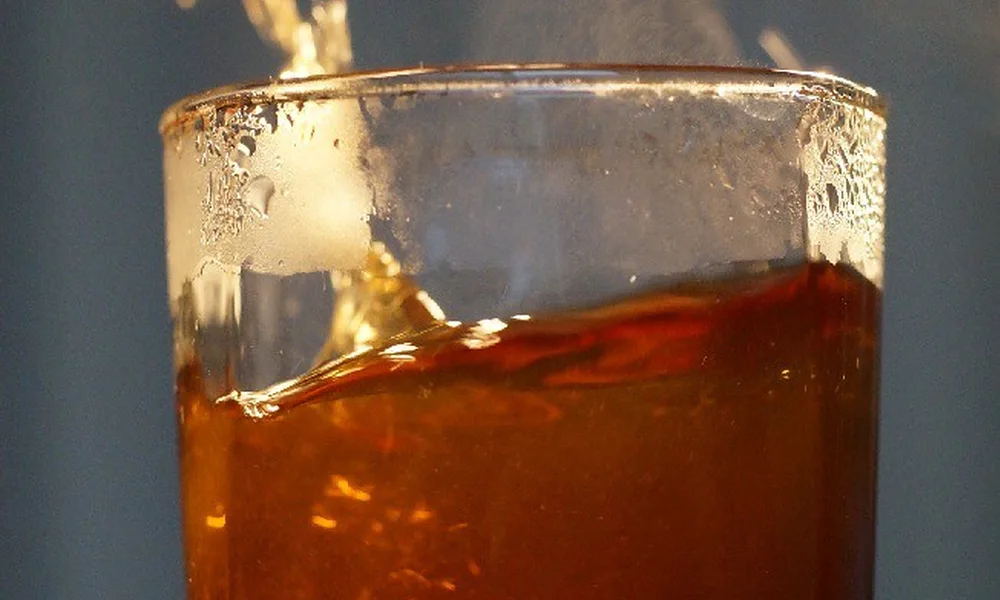
For iced tea, the method matters more. Most instant tea powders dissolve poorly in cold water and leave a cloudy cup with undissolved specks, so dissolve the powder in a small amount of hot water first, then top up with cold water and pour over ice. Alternatively, buy sticks labelled for cold brewing, which are milled finer and dissolve cleanly in cold water. Either way, iced instant tea is far better than bottled iced tea, because you control the sweetness and the strength, and a squeeze of lemon or a few mint leaves turns it into something genuinely refreshing.
Sweetness, Flavour, and What Is Actually in the Jar
Sweetness is where instant tea goes wrong most often. Many jars are sold as tea but are mostly sugar, with as much as four or five grams of sugar per teaspoon of powder, and the tea itself is an afterthought. An unsweetened instant tea lets you add your own sweetness, or none at all, and it tastes like tea rather than a soft drink. If you like sweet tea, add honey or sugar yourself, because you will use far less than the manufacturer would.
Instant Tea Compared
| Format | Dissolves | Flavour | Best for | Price per cup |
|---|---|---|---|---|
| Fine powder | Instantly in hot water | Good, sometimes flat | Quick hot tea at work | Low |
| Freeze-dried granules | A few seconds with stirring | Closest to brewed tea | Flavour-first drinkers | Higher |
| Single-serve sticks | Fast, often in cold water | Good, varies by brand | Travel and iced tea | Highest |
| Sweetened mixes | Instantly | Sweet, tea is secondary | Occasional sweet drinks | Low |
How to Make a Better Cup of Instant Tea
A great cup of instant tea is mostly technique. Start with fresh water, because water that has been boiled twice tastes flat, and use the amount of powder the label suggests rather than guessing. A heaped teaspoon per mug is the usual measure, and using more does not make it taste stronger, it makes it taste bitter. Stir for ten seconds, taste, and adjust with a little more powder or a splash of water rather than adding sugar to mask a bad balance.
What to Avoid
The worst instant teas share a few warning signs. Sugar listed first on the ingredients means you are buying sweetener with tea flavouring, not tea. A long list of artificial colours and flavourings usually means the tea itself is weak, and a jar that smells of nothing when you open it will taste of nothing in the cup. Very cheap jars are often bulked out with maltodextrin and anti-caking agents, which add body without flavour.

Instant Tea Checklist
- Choose unsweetened powder or granules with tea extract or tea powder listed first.
- Match the format to the moment: powder for speed, granules for flavour, sticks for travel and cold water.
- Use the right water temperature: boiling for black tea, slightly cooled for green tea.
- For iced tea, dissolve in a little hot water first, then pour over ice.
- Store the jar sealed, dry, and away from strong smells, and finish it within a few months.
- Taste before sweetening, and add honey or sugar yourself if you want it sweet.
Frequently Asked Questions
Is instant tea real tea?
Yes, good instant tea is real tea that has been brewed and dried. It is made from actual tea leaves, and unsweetened instant tea contains the same compounds as brewed tea. Sweetened mixes are a different product, closer to a soft drink, so check the ingredient list.
Does instant tea contain caffeine?
Yes, instant black and green tea contain caffeine, roughly half to two-thirds the amount of a brewed cup, depending on how much powder you use. Herbal instant teas are usually caffeine-free, and decaffeinated instant teas are also available.
Can you make iced tea with instant tea powder?
Yes, and it is one of the best uses for it. Dissolve the powder in a little hot water first, then add cold water and pour over ice. Cold-brew sticks dissolve directly in cold water if you prefer to skip the hot water step.
Is instant tea healthy?
Unsweetened instant tea is a low-calorie drink made from tea, similar to brewed tea. Sweetened mixes are a different story, since they can contain several spoonfuls of sugar per cup, so unsweetened is the healthier choice by a wide margin.
How long does instant tea keep?
An unopened jar keeps for a year or more, but once opened it should be used within a few months and kept sealed and dry. If it smells dusty or clumps together, it has absorbed moisture and lost flavour, and it is time to replace it.
Is instant tea better than tea bags?
It depends on what you value. Tea bags taste fresher and offer more variety, but instant tea is faster, needs no steeping, and works in cold water. For a quick cup or iced tea on the move, instant tea wins; for a slow, proper brew, tea bags and loose leaf are better.
The Bottom Line
Instant tea in 2026 is worth taking seriously, provided you buy the right kind. Choose unsweetened powder or freeze-dried granules with tea listed first, match the format to how you drink, and use the right water temperature, and you will get a cup that tastes like tea rather than a shortcut. Keep a jar at work and a box of cold-brew sticks in your bag, and the quickest cup of tea you make all day might also be one of the best. If you enjoy the ritual of a proper brew, a good tea cup makes even instant tea feel like a small ceremony, and if you want to compare it with the other instant drink, read our guide to instant coffee. For summer, the same powder makes excellent iced tea in under a minute.


