
The best iced teas for summer sipping are cold, bright and genuinely refreshing: amber in the glass, lightly sweetened or not at all, with enough ice to stay cold to the last sip. A good iced tea is one of summer’s simplest pleasures, whether it comes from a bottle grabbed on the way to the park or a pitcher brewed at home and kept in the fridge. Yet iced tea varies enormously, from unsweetened black tea over ice to bottled drinks that are closer to soft drink than tea, and the difference matters if you want refreshment rather than a sugar rush.
Key Takeaways
- Black tea makes the classic iced tea: bold, amber and sturdy enough for ice, lemon and a little sweetness.
- Green tea makes a lighter, fresher iced tea, but it turns bitter if brewed with water that is too hot or steeped too long.
- Herbal iced teas are naturally caffeine-free, and fruity blends like hibiscus and peppermint are the best choices for evenings and children.
- Bottled iced tea is convenient but often very sweet, so check the sugar per bottle before you buy.
- Brew-at-home iced tea costs far less per glass, tastes fresher, and lets you control sweetness, strength and caffeine exactly.
What Is Iced Tea, Really?
Iced tea is simply tea served cold, but that simple definition hides a lot of variety. The tea can be black, green, white or herbal, it can be brewed hot and chilled, cold-brewed overnight, or poured from a bottle. It can be unsweetened, lightly sweetened, or sweet enough to count as a soft drink. What unites the best iced teas is balance: the flavour of the tea itself should come through, the sweetness should support rather than smother it, and the drink should taste refreshing rather than heavy.
Black Tea: The Classic Iced Tea Base
Black tea is the default iced tea for good reason. It is fully oxidised, which gives it a dark amber colour, a malty full flavour, and enough strength to stand up to ice, lemon and sweetener without disappearing. Assam and Ceylon are the workhorses of iced tea: Assam is bold and malty, Ceylon is brighter and a little lighter, and both brew into a cup that still tastes like tea after the ice melts. English Breakfast blends, which are mostly Assam and Ceylon, work just as well.
To brew black iced tea at home, use twice the tea you would use for a hot cup, because the ice will dilute it. Brew with freshly boiled water for three to five minutes, sweeten while the tea is still hot if you sweeten at all, then pour over a glass full of ice. Lemon is the classic partner, and a slice of lemon or a squeeze of juice brightens the whole drink. For a fuller guide to the teas themselves, our best black tea guide compares the varieties worth buying.
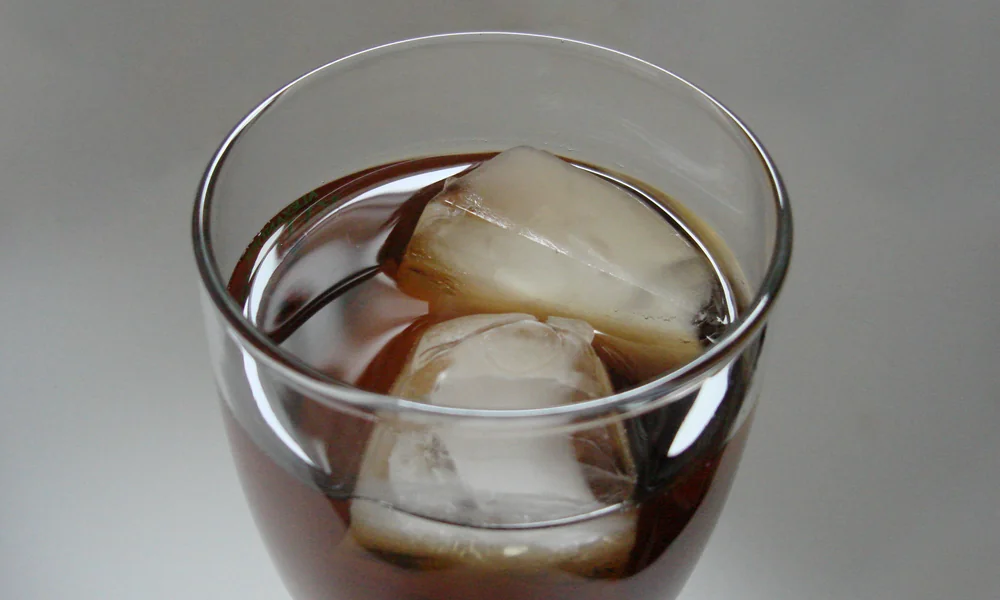
Green Tea: Light, Fresh and Easy to Get Wrong
Green iced tea is the lighter alternative: pale gold, gently grassy, and refreshing in a way black tea is not. It suits hot days when a bold black tea feels too heavy, and it pairs well with mint, lemon and a little honey. Japanese sencha and Chinese dragonwell are the best green teas for icing, because they brew clean and stay bright, while cheaper green teas can taste flat once chilled.
Green tea is also the easiest iced tea to ruin. The mistake is treating it like black tea: water that is too hot and a steep that is too long will make it bitter, and cold will not save it. Brew green tea with water around 80 degrees, or water that has cooled for a couple of minutes after boiling, and steep for two to three minutes only. Cold-brewing green tea overnight in the fridge is even safer, and it produces a smoother, sweeter cup with almost no bitterness.
Herbal Iced Tea: Caffeine-Free and Full of Flavour
Herbal iced teas are not tea at all in the strict sense, since they contain no leaves of the tea plant, but they make some of the best cold drinks of summer. Hibiscus brews into a deep ruby drink with a tart, cranberry-like flavour that needs only a little sweetness, and it is one of the most refreshing herbal teas served cold. Peppermint is cool and clean, rooibos is smooth and honeyed, and chamomile is gentle and floral. Because they contain no caffeine, herbal iced teas are the best choice for evenings, for children, and for anyone avoiding stimulants.
Herbal teas are also the most forgiving to brew. They need near-boiling water and a long steep, five to seven minutes, and they rarely turn bitter however long you leave them. That makes them ideal for brewing a big pitcher: steep a generous amount of tea in a litre of hot water, let it cool, then refrigerate and serve over ice. Fruit additions work particularly well here, with orange slices in rooibos, berries in hibiscus, and cucumber in peppermint.
Iced Teas Compared
| Iced tea type | Flavour | Caffeine per glass | Best served | Watch out for |
|---|---|---|---|---|
| Black iced tea | Bold, malty, amber | 40–70 mg | With lemon, lightly sweetened | Cloudiness if chilled too fast |
| Green iced tea | Light, grassy, fresh | 20–40 mg | With mint, unsweetened | Bitterness from over-brewing |
| Herbal iced tea | Fruity, floral, varied | 0 mg | With fruit, evenings | Added sugar in bottled versions |
| Sweet tea | Rich, very sweet | 40–70 mg | Over lots of ice, with food | Very high sugar content |
| Peach or fruit bottled tea | Sweet, fruity | 10–40 mg | Straight from the fridge | Flavouring instead of real tea |
Bottled vs Brew-at-Home: What You Gain and Lose
Bottled iced tea wins on convenience. It is cold, ready to drink, and available everywhere, which matters on a hot day when you want something now. The best bottled teas are genuinely good, usually the unsweetened or lightly sweetened black and green teas from brands that list tea as the first ingredient. The worst are flavoured sugar water with a little tea extract, and the label will tell you which kind you are holding.
Sugar is the main issue with bottled iced tea. A 500 millilitre bottle of sweetened iced tea can contain 25 to 35 grams of sugar, roughly six to eight teaspoons, which is close to a soft drink. Even bottles labelled peach or lemon often carry that much sugar, because the fruit flavouring is sweetened. Unsweetened bottled teas exist and are worth seeking out, and lightly sweetened bottles with under 5 grams of sugar per 100 millilitres are a reasonable middle ground.

Sweetness: How Much Is Enough?
Sweetness is the most personal part of iced tea, and also the part where commercial teas most often go wrong. Traditional sweet tea is very sweet, with sugar dissolved into the hot tea at a ratio that would shock anyone who measures it, and it is best treated as an occasional drink rather than a daily habit. At the other end, unsweetened iced tea lets the tea itself do the talking, and many people who try it properly brewed never go back.
If you do sweeten, add the sweetener while the tea is hot so it dissolves fully, and start with half as much as you think you need. Cold tea tastes less sweet than hot tea, so it is easy to overshoot, and a drink that tastes right when warm can taste syrupy once chilled. Honey, sugar and maple syrup all work, though honey adds its own flavour and can cloud the tea slightly. Simple syrup, made by dissolving equal parts sugar and water, mixes most easily into already cold tea.
Caffeine, Serving and Keeping Iced Tea Fresh
Caffeine in iced tea depends on the base and the strength of the brew, and it is worth knowing roughly where you stand. Black iced tea is the strongest at 40 to 70 milligrams per glass, green is moderate at 20 to 40 milligrams, and herbal is caffeine-free. A glass of iced tea in the morning is a gentle lift, but two or three strong black iced teas late in the day can keep a sensitive sleeper awake, so switch to herbal after the early evening.
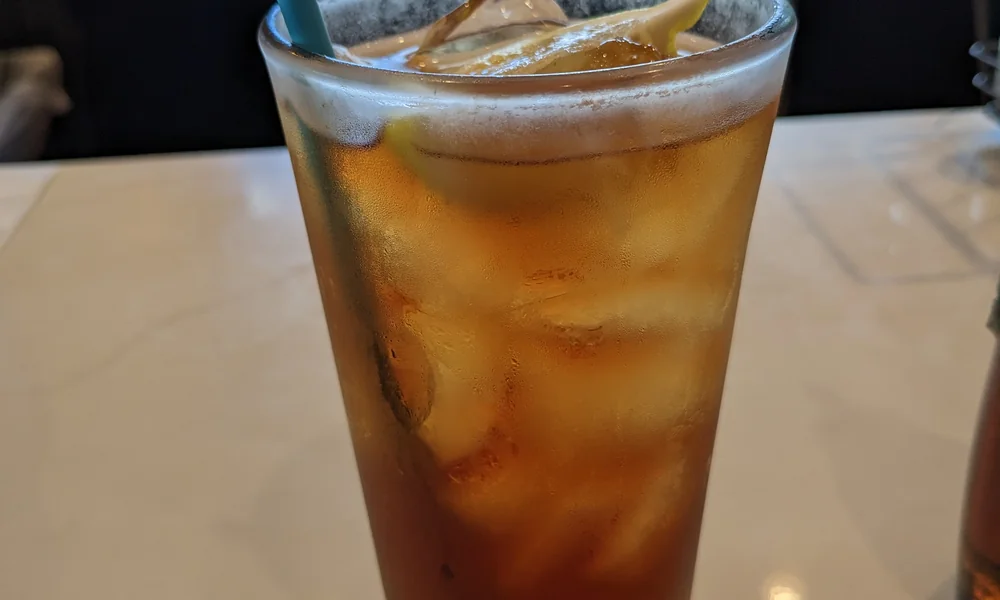
Serving iced tea well is mostly about ice and glassware. Use plenty of ice, in large cubes rather than small ones, because large cubes melt more slowly and dilute the tea less. Brew the tea stronger than you would for a hot cup, because the ice will dilute it as it melts.
Checklist: Choosing and Serving Iced Tea
- Pick the base for the moment: black for bold and classic, green for light and fresh, herbal for caffeine-free evenings.
- Check the sugar on bottled iced tea and prefer unsweetened or under 5 grams per 100 millilitres.
- Brew stronger than for hot tea, since ice will dilute the drink as it melts.
- Use large ice cubes and a tall glass, with lemon or mint to lift the flavour.
- Sweeten while the tea is hot, starting with half as much as you think you need.
- Keep home-brewed iced tea covered in the fridge and drink it within two to three days.
Frequently Asked Questions
Is iced tea healthy?
Unsweetened iced tea is a healthy drink: it is essentially flavoured water with antioxidants from the tea leaves and almost no calories. Sweetened iced tea is a different matter, since a bottle can contain as much sugar as a soft drink. The healthiness of iced tea depends almost entirely on how much sugar is in it, so brew it yourself or buy unsweetened.
Can I make iced tea from any tea bags?
Yes, almost any tea bag works, though black and herbal teas are the most reliable. Green tea needs cooler water and a shorter steep to avoid bitterness. Use two bags per litre for a good strength, or cold-brew the bags overnight in the fridge for the simplest method of all.
Why does my iced tea go cloudy?
Cloudiness happens when hot tea cools too quickly, and it is harmless, affecting only the appearance. Let the tea cool to room temperature before refrigerating it, and avoid pouring hot tea straight over ice. Stirring in a little boiling water will usually clear a cloudy pitcher.
How much caffeine is in iced tea?
A glass of black iced tea has roughly 40 to 70 milligrams of caffeine, green iced tea has 20 to 40 milligrams, and herbal iced tea has none. Bottled teas vary, and some fruit teas contain very little real tea, so their caffeine is lower. If caffeine affects your sleep, switch to herbal iced tea in the evening.
How long does iced tea keep in the fridge?
Home-brewed iced tea keeps for two to three days in a covered jug in the fridge, and it tastes best on the first day. After three days it starts to taste flat and stale, so brew smaller pitchers more often. Bottled iced tea keeps until its printed date once opened, but drink it within a day or two for the best flavour.
Is sweet tea the same as iced tea?
Sweet tea is a type of iced tea, the very sweet black tea traditional in the American South, where sugar is dissolved into the hot tea before it is chilled and served over lots of ice. All sweet tea is iced tea, but not all iced tea is sweet tea: most iced teas are lightly sweetened or unsweetened, and they taste quite different.
The Bottom Line
The best iced teas for summer sipping in 2026 are the ones where you can taste the tea itself: a bold black tea with lemon, a light green tea with mint, or a ruby hibiscus with no caffeine at all. Buy bottled unsweetened when you need convenience, and brew a pitcher at home when you want the best flavour for the least money.


