
The Best Frozen Berries for Smoothies and Baking in 2026
Frozen berries are the hardest-working bag in the freezer. A good bag opens onto berries that are loose, bright and sweet, ready to blend into a thick smoothie or bake into a muffin without turning it grey. The best frozen berries in 2026 are not one berry or one brand, but the right berry for the job you are actually doing. This guide compares the five berries one by one, explains what is really inside a mixed berry bag, and shows how each berry behaves in smoothies and baking.
Key Takeaways
- Blueberries are the safest frozen berry: they stay whole, keep their colour, and work in almost everything.
- Raspberries have the brightest flavour of any frozen berry, but they crush easily and bleed, so handle them gently and add them last.
- A mixed berry bag is only as good as its blend, so check the ratio on the back.
- Use frozen berries straight from the freezer; thawing first makes smoothies thin and bakes soggy.
- Buy plain berries with nothing added. A bag with added sugar costs more, limits what you can cook with it, and hides dull fruit.
The Berry Family, Compared
Five berries cover almost every frozen berry bag, and they freeze very differently. Blueberries are small, firm and tough-skinned; raspberries soft, hollow and delicate; blackberries large and seedy; strawberries big and watery; cranberries so tart they are a different ingredient altogether.
Blueberries: The Freezer Champion
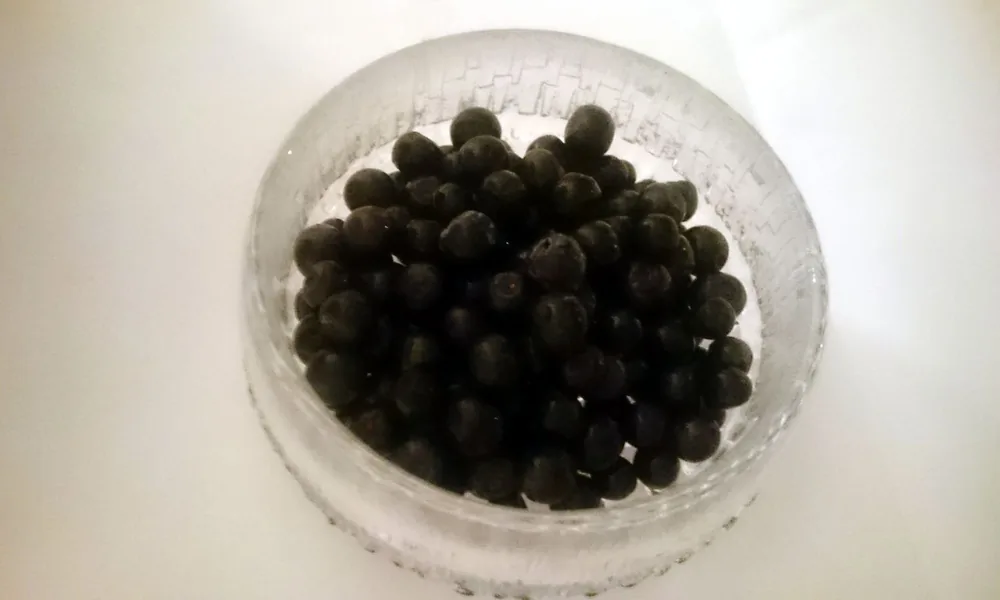
Blueberries are the best frozen berry, and it is not close. Their thick skin keeps them whole through freezing, thawing and baking, their colour stays deep blue, and their flavour is sweet and mild enough for almost any dish. Wild blueberries, the small ones, are more intensely flavoured and hold their shape even better in baking. Cultivated blueberries are larger, milder and cheaper, and the better choice for smoothies. Keep them in every freezer.
Raspberries: The Flavour Star
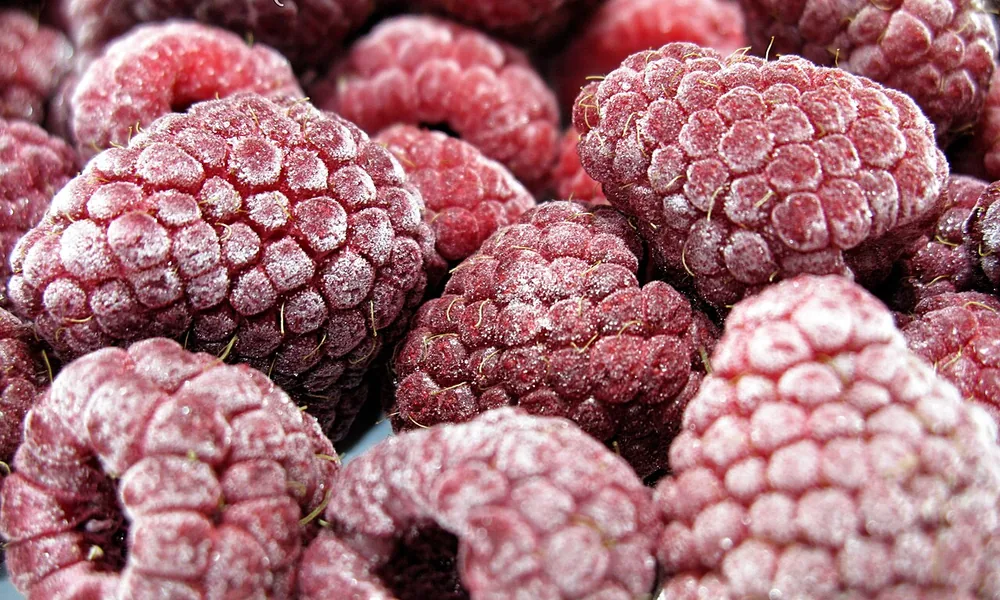
Raspberries have the brightest, most perfumed flavour of any frozen berry, and they are also the most fragile. A frozen raspberry is a hollow shell that crushes under the slightest pressure, so a bag is always part whole berries and part crumbled pieces, and the crumbled pieces are still full of flavour. Use whole ones where they will be seen, crumbled ones where they will be stirred in. Raspberries bleed more than any other berry, so add them last, fold them in gently, and never stir a raspberry batter twice.
Blackberries: The Bold One
Blackberries are the boldest frozen berry: large, dark and intensely flavoured, with a wine-like depth other berries do not have. They freeze well and hold their shape better than raspberries, but their seeds are larger and harder, and some people find them distracting in a smoothie or a muffin. They are at their best in cooked dishes: compotes, crumbles, sauces and pies. They stain, so keep them away from pale batters.
Strawberries: The Big Soft One
Strawberries are the biggest frozen berry and the softest when thawed. Sliced strawberries freeze far better than whole ones, because the slices thaw evenly and hold their shape, while whole strawberries turn soft and watery in the middle. For smoothies, whole or sliced makes little difference. For baking, sliced strawberries are the only sensible choice: they distribute evenly, do not sink, and do not leave wet pockets in a cake. For eating raw, thawed strawberries are the weakest frozen berry, so use them cooked or blended.
Cranberries: The Tart Outlier
Cranberries are the outlier: too tart to eat raw, too firm to blend smoothly, and too strong to use on their own. They are also the most useful frozen berry once you understand them, because their tartness and pectin make them the best berry for sauces and compotes. A handful cooked with a little sugar and water sets into a sauce no other berry can match. Use them sparingly in smoothies and never as the main berry in a bake.
| Berry | Freezes | Best for | Watch out for |
|---|---|---|---|
| Blueberry | Best, stays whole | Smoothies, muffins, porridge | Wild is dearer than cultivated |
| Raspberry | Flavour holds, shape crushes | Smoothies, sauces, bowls | Bleeds colour, add last |
| Blackberry | Well, holds shape | Compotes, crumbles, pies | Large hard seeds, stains |
| Strawberry | Sliced best, whole soft | Smoothies, cakes | Goes soft when thawed |
| Cranberry | Excellent, very firm | Sauces, compotes | Too tart to eat alone |
| Mixed berries | Varies by blend | Everyday smoothies | Check the ratio first |
What Is Actually in a Mixed Berry Bag?
A mixed berry bag is the most popular frozen berry product and the most variable. The blend is printed on the back; reading it takes ten seconds. A good blend is roughly equal parts blueberry, raspberry and blackberry. A bad blend is mostly the cheapest berry in the bag, usually strawberry, with a scattering of the expensive ones on top for the photograph.
The ratio matters because the berries behave differently. A raspberry-heavy blend bleeds, a blueberry-heavy one tastes mild, and a blackberry-heavy one is seedy and dark. The best everyday blend is blueberry-heavy with raspberry for flavour; for baking, blueberry and blackberry hold their shape best.
Berry Nutrition: What Freezing Keeps
Freezing is unusually kind to berries, and the reason is that berries are picked ripe and frozen within hours of harvest. Frozen berries can taste better than fresh ones shipped out of season, because fresh berries are often picked under-ripe. Vitamin C survives freezing well, fibre is unchanged, and anthocyanins, the pigments that make blueberries blue and raspberries red, are barely affected.
The berries do differ from one another. Blueberries have the most anthocyanins of any common berry. Raspberries have the most fibre, about 8 grams per cup. Blackberries are close behind on fibre and rich in vitamin C.
Frozen Berries in Smoothies
Smoothies are the natural home of frozen berries, because they flavour, chill and thicken it at once. Match the berry to the smoothie you want. Blueberries make the thickest, smoothest smoothie, because they blend completely and their skins disappear. Raspberries make the brightest-tasting smoothie, but they leave seeds and a little grit, so they suit a smoothie that is drunk through a wide straw rather than sipped. Blackberries make the darkest smoothie, and strawberries the sweetest and pinkest.
Use the berries straight from the freezer, and never thaw them first. Thawed berries make a thin, watery smoothie; frozen berries blend thick and cold. Start with a cup of berries to a cup of liquid, then adjust to taste. Add liquid first, berries second, and blend for a full minute.
Baking With Frozen Berries
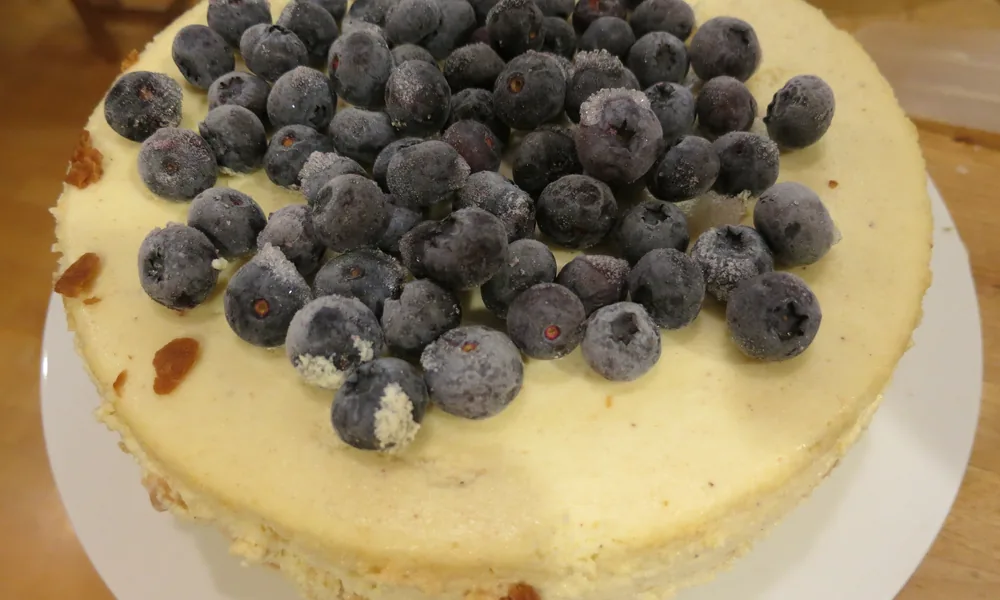
Frozen berries are often better than fresh for baking: they are firmer, so they do not burst and bleed as easily in the oven. Blueberries are the easiest berry to bake with. They stay whole, they keep their colour, and they distribute evenly through a batter. Toss them in flour so they do not sink, and add two or three minutes to the baking time.
Raspberries need the gentlest handling of any baking berry. Fold them in last and stir once; a second stir breaks them and turns the batter pink. Blackberries bake well in pies and crumbles, where their size and their seeds are hidden by the pastry, and their dark colour is a feature. Strawberries need slicing before baking, and they suit cakes and tarts better than muffins, where their water can make the crumb soggy.
Thawing: When to Thaw and When Not To
Not every berry job wants a frozen berry. For smoothies and baking, use them frozen. For eating raw, yoghurt, porridge and sauces, thawing is the right call. Thaw overnight in the fridge, in a bowl: slow thawing keeps the berries firm and the juice inside.Never thaw berries in the microwave, which cooks the outside while the inside stays frozen, and never thaw them in water, which washes away their flavour and their colour.
Sauces, Compotes and Breakfast Bowls
Berries make the fastest sauce in the kitchen. Tip a cup of frozen berries into a pan with a tablespoon of sugar and a squeeze of lemon, cook for five minutes, and you have a sauce for pancakes, yoghurt or cheesecake. Raspberries make the smoothest sauce, because they break down completely, and they can be pushed through a sieve for a seedless coulis.Blackberries make the darkest, richest sauce, and a handful of cranberries in the pan adds a sharp note that keeps a sweet sauce from tasting flat.
Storage: Keeping Berries Loose and Bright
The difference between a good bag of frozen berries and a bad one is usually storage, and most of it happens before you buy it. A bag that feels loose and free-flowing was frozen properly and kept frozen. A bag that feels like a solid block has thawed and refrozen, and the berries inside will be crushed, grey and watery.
At home, keep the bag sealed and flat, and use it within three months of opening. After that it is still safe, but freezer burn sets in: the berries dry out, pale patches appear, and the flavour fades. Never refreeze berries that have thawed, because the second freezing breaks them down completely.
How Frozen Berries Fit the Rest of the Freezer
For the bigger picture, our guide to why frozen fruit deserves a spot in your freezer covers the whole freezer aisle, our round-up of the best smoothies shows what to blend them into, and our guide to what makes great dried fruit worth stocking covers the cupboard alternative.
Frozen Berry Buying Checklist
- Pick the berry for the job: blueberries for baking, raspberries for flavour, blackberries for compotes, strawberries for smoothies, cranberries for sauces.
- Squeeze the bag before you buy it. Loose, free-flowing berries are fresh-frozen; a solid icy block has thawed and refrozen.
- Read the mixed berry blend on the back and check the ratio. A bag that is mostly the cheapest berry is a bad buy at any price.
- Buy plain berries with nothing added. Added sugar costs more, limits what you can cook, and hides dull fruit.
- Use berries frozen for smoothies and baking, and thaw them slowly in the fridge for yoghurt, porridge and eating raw.
- Keep opened bags sealed and flat, use them within three months, and never refreeze berries that have thawed.
Frequently Asked Questions
Are frozen berries as healthy as fresh berries?
Yes, and sometimes healthier. Frozen berries are picked ripe and frozen within hours, so they keep their vitamin C, fibre and anthocyanins.
Should I wash frozen berries before using them?
No. Frozen berries were washed before freezing, and washing them again thaws them unevenly and washes away their colour and flavour. Use them straight from the bag.
Why do my frozen raspberries always crush?
Because raspberries are hollow and delicate. Buy loose bags, handle them gently, and use the crumbled pieces for sauces and smoothies.
Can I use frozen berries instead of fresh in any recipe?
Almost any cooked recipe, yes: smoothies, muffins, pies, crumbles, sauces and compotes all work with frozen berries, usually better than with fresh.
How long do frozen berries last?
Unopened bags keep for six to twelve months in a freezer that stays at a steady temperature. Once opened, use the berries within three months for the best flavour.
Which frozen berry is best for weight loss?
Raspberries and blackberries, because they have the most fibre per cup and the fewest calories, which makes them the most filling berry for their energy.
The Bottom Line
The best frozen berries in 2026 are blueberries for everyday use and baking, raspberries for flavour and sauces, and a well-balanced mixed bag for smoothies, bought plain in loose, free-flowing bags and used frozen for smoothies and baking. Pick the berry for the job, read the blend, and use opened bags within three months


