
Best Carpet Cleaners 2026
A carpet hides more than it shows. Dust settles deep into the pile, pet hair wraps itself around the fibres, and a spilled glass of red wine leaves a mark that no amount of vacuuming will shift. A regular vacuum keeps the surface tidy, but it cannot wash a carpet. That is the job of a carpet cleaner.
The best carpet cleaners of 2026 spray cleaning solution into the pile, scrub it with rotating brushes, and then suck the dirty water back out, leaving the carpet genuinely clean and only lightly damp. These are the machines worth buying, chosen for cleaning power, drying time, ease of use, and value for money.
Key Takeaways
- A carpet cleaner washes with water and solution, while a vacuum only removes dry dirt, so the two machines do different jobs and work best together.
- Upright deep cleaners suit whole rooms and large carpeted areas, while portable spot cleaners suit stains, stairs, and upholstery.
- Suction matters more than brush count, because a machine that leaves the carpet soaking wet has not finished the job.
- Check the clean and dirty water tanks before you buy, since small tanks mean stopping to refill and empty halfway through a room.
- Match the machine to your carpet type, because a deep pile carpet needs stronger brushes and more suction than a low pile one.
Carpet Cleaners 2026 at a Glance
| Best for | Cleaner type | Tank size | Standout strength |
|---|---|---|---|
| Best overall | Upright deep cleaner | Large | Cleans a whole room in one pass |
| Best for pets | Upright with pet tools | Large | Lifts pet hair and old stains |
| Best for stains | Portable spot cleaner | Small | Fast on spills, stairs, and sofas |
| Best for flats | Compact upright | Medium | Light to carry and easy to store |
| Best for deep pile | Heavy-duty upright | Large | Strong brushes reach the base of the pile |
| Best for quick cleans | Lightweight spot cleaner | Small | Ready in a minute, dries fast |
What a Carpet Cleaner Actually Does
A carpet cleaner works in three stages, and each one matters. First it sprays a mix of warm water and cleaning solution onto the carpet. Then rotating brushes work that solution into the fibres, loosening dirt that has been ground in over months. Finally, strong suction pulls the dirty water back into a separate tank, so the dirt leaves the house instead of being pushed deeper into the pile.
That last stage is what separates a good carpet cleaner from a disappointing one. A machine with weak suction leaves the carpet wet for hours, and a damp carpet can smell musty and attract dirt again within days. A machine with strong suction leaves the carpet only lightly damp, so a room cleaned in the morning is dry enough to walk on by the afternoon.
It also helps to know what a carpet cleaner is not. It is not a vacuum cleaner, and it will not replace one. Dry dirt, dust, and loose pet hair should be vacuumed away first, so the cleaner can spend its energy on the ground-in dirt underneath. If you are still choosing a dry cleaner, our guide to the best vacuum cleaners of 2026 covers upright, canister, and cordless models, and the two machines together keep a carpeted home properly clean.
The Main Types of Carpet Cleaner
Carpet cleaners fall into a few clear types, and the right choice depends on how much carpet you have and how it gets dirty. The upright deep cleaner is the workhorse: a full-size machine with a wide cleaning head, large tanks, and rotating brushes, built to wash a whole room. It is heavy and takes up cupboard space, but nothing else cleans a large carpeted area as thoroughly.
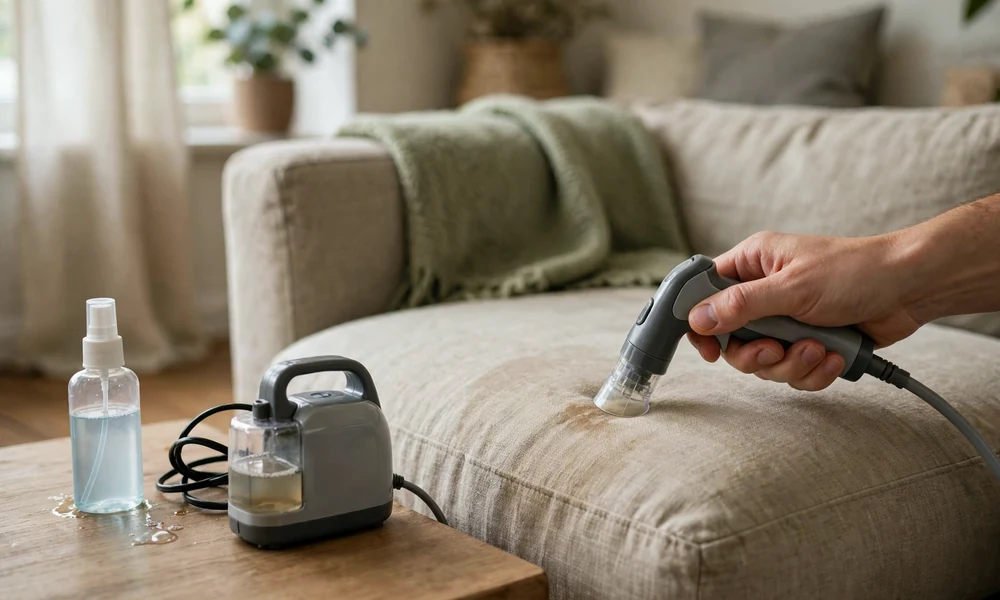
The portable spot cleaner is the opposite: a small machine with a handheld nozzle and a short hose, made for stains rather than whole rooms. It is the right tool for a spilled drink, a muddy paw print, a flight of carpeted stairs, or a stained sofa cushion. Most households with a dog or small children will use a spot cleaner far more often than they expect.

Between the two sit the compact upright and the lightweight spot cleaner. A compact upright cleans a room more slowly than a full-size machine, but it is lighter to carry upstairs and easier to store in a flat. A lightweight spot cleaner trades tank size for speed, so it is ready in a minute and suits quick jobs. Steam cleaners are a separate family altogether: they clean hard floors with hot steam rather than washing carpet, and our guide to choosing a steam mop in 2026 explains when steam is the better tool.
Suction, Brushes, and Drying Time
Suction is the number that matters most, even though manufacturers rarely print it clearly. The practical test is drying time: after two slow passes, a good machine should leave the carpet damp but not wet, and it should feel dry to the touch within a few hours in a ventilated room. If the carpet is still soggy the next morning, the suction is too weak for the job.
Brushes come second. Most upright cleaners use two or more rotating brush rolls, and more brushes usually mean a deeper clean on thick carpet. Look for brushes that can be removed for cleaning, because hair and fibres wrap around them over time, and a brush you cannot clean is a brush that stops working. Some machines add a separate edge brush for skirting boards, which is worth having if your carpets meet the walls without a gap.
Tanks, Weight, and Ease of Use
Tank size decides how often you stop. A large clean-water tank lets you wash a big room without refilling, and a large dirty-water tank lets you finish before emptying. Small tanks are fine for a spot cleaner, where each job is short, but they are frustrating on a full-size machine. Check both tanks before you buy, and look for a dirty-water tank that lifts out easily and empties without spilling.
Weight matters more than most people expect, because a carpet cleaner is used slowly and deliberately, pushing forward and pulling back over every strip of carpet. A full-size machine can weigh 10 kilos or more when its tanks are full, and carrying it upstairs is a real effort. If your carpets are mostly upstairs, a lighter compact upright or a spot cleaner with a long hose is the kinder choice.
Carpets, Pets, and Stains
Different carpets need different machines. A low pile carpet, the flat kind found in many modern homes, is easy to clean and suits almost any machine. A deep pile carpet holds far more dirt and needs stronger brushes and stronger suction to reach the base of the fibres, so buy the heavier machine if your carpets are thick and soft underfoot.
Pet owners have the hardest job. Pet hair should be vacuumed first, then the carpet cleaner deals with the stains and smells underneath. Look for a machine with a pet stain tool, which is usually a smaller brush head on a hose, and a cleaning solution made for pet messes. The two brands most pet owners compare are Shark and Bissell, and our head-to-head on Shark vs Bissell carpet cleaners in 2026 sets out where each one is stronger, so you can check the brand question before you choose a machine type.
How to Use a Carpet Cleaner Properly
Start by vacuuming the carpet thoroughly, in two directions, to lift the loose dirt. Then fill the clean-water tank with warm water and the right amount of solution, and test the machine on a hidden corner of carpet first, to check the colour does not change.
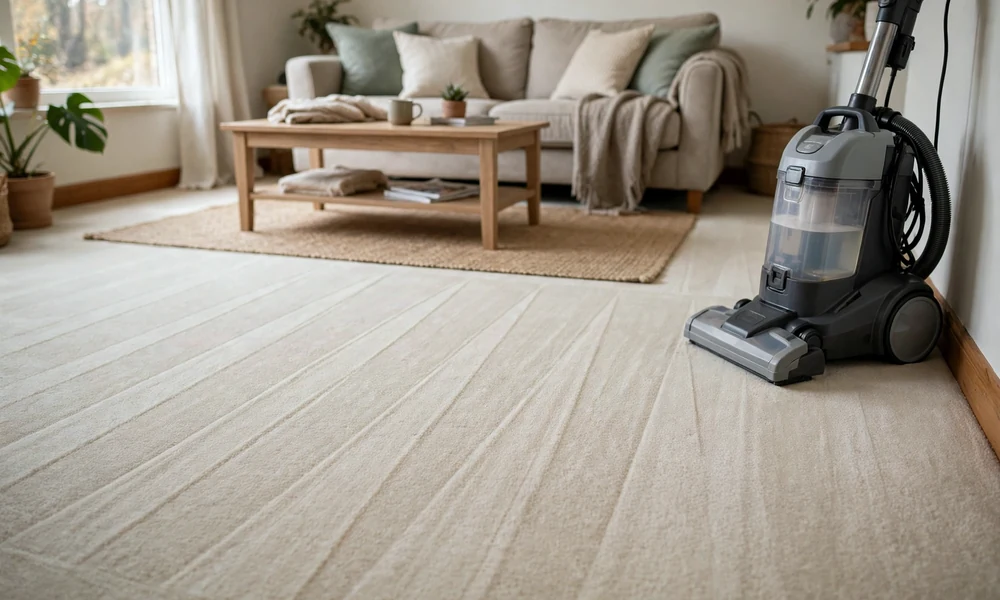
Clean in slow, overlapping passes, pushing forward while the machine sprays and scrubs, then pulling back slowly while it sucks the dirty water up. Work in strips, like mowing a lawn, and do not rush the pull-back: that is when most of the water comes out. When the dirty-water tank is full, empty it and refill the clean tank, and keep going until the water coming out runs clear.
Common Mistakes to Avoid
The most common mistake is skipping the vacuum first, which turns loose dirt into mud inside the machine. The second is using too much cleaning solution, which leaves a sticky residue that attracts dirt. The third is moving too fast, especially on the pull-back, which leaves the carpet wet. The fourth is cleaning a carpet that is not colourfast without testing first. The fifth is storing the machine with dirty water in the tank, which breeds smells that are hard to remove. Finally, do not use a carpet cleaner on a floor it was not made for: a machine built for carpet can damage delicate rugs and should never be used on unsealed wood.
Before You Buy: A Short Checklist
- Measure your carpeted area and count the rooms, so you know whether you need a full-size upright or a spot cleaner will do.
- Check the clean and dirty water tank sizes, and look for tanks that lift out and empty without spilling.
- Test the weight with full tanks if you can, especially if your carpets are upstairs.
- Look for removable brushes and a hose with a stair tool, so the machine can reach stairs and upholstery.
- Check drying time by reading owner reviews, not the box, since manufacturers rarely publish honest figures.
- Confirm the cleaning solution is easy to buy where you live, and budget for a bottle with the machine.
- Measure your storage space, because a full-size upright needs a cupboard shelf or a corner of its own.
Frequently Asked Questions
How often should I deep clean my carpets? Most homes need a deep clean two to four times a year. Homes with pets or small children need it more often, and a light-coloured carpet in a hallway will show dirt sooner than a dark one in a bedroom.
How long does carpet take to dry after cleaning? A well-cleaned carpet should feel dry to the touch within three to six hours in a ventilated room. Thick pile, cold weather, and weak suction all stretch that time, so open a window and run a fan.
Can I use a carpet cleaner on a rug? Yes, if the rug is colourfast and firmly backed, but test a hidden corner first. Delicate rugs, including handmade wool and silk, should be cleaned by a professional instead.
Do I need a special cleaning solution? Yes, use the solution made for your machine, in the amount the instructions give. Household detergents foam too much, leave residue, and can damage the machine.
The Bottom Line
The best carpet cleaner of 2026 is the one that fits your home: a full-size upright for large carpeted rooms, a portable spot cleaner for stains, stairs, and sofas, or a compact machine in between for a flat. Suction matters most, because it decides how dry the carpet is when you finish, and tank size matters next, because it decides how often you stop.
Start with the carpet, not the catalogue. Count the carpeted rooms, check the pile, think about pets and children, and then choose the type that fits. Vacuum first, clean in slow overlapping passes, and let the carpet dry properly, and the machine will do the rest.


