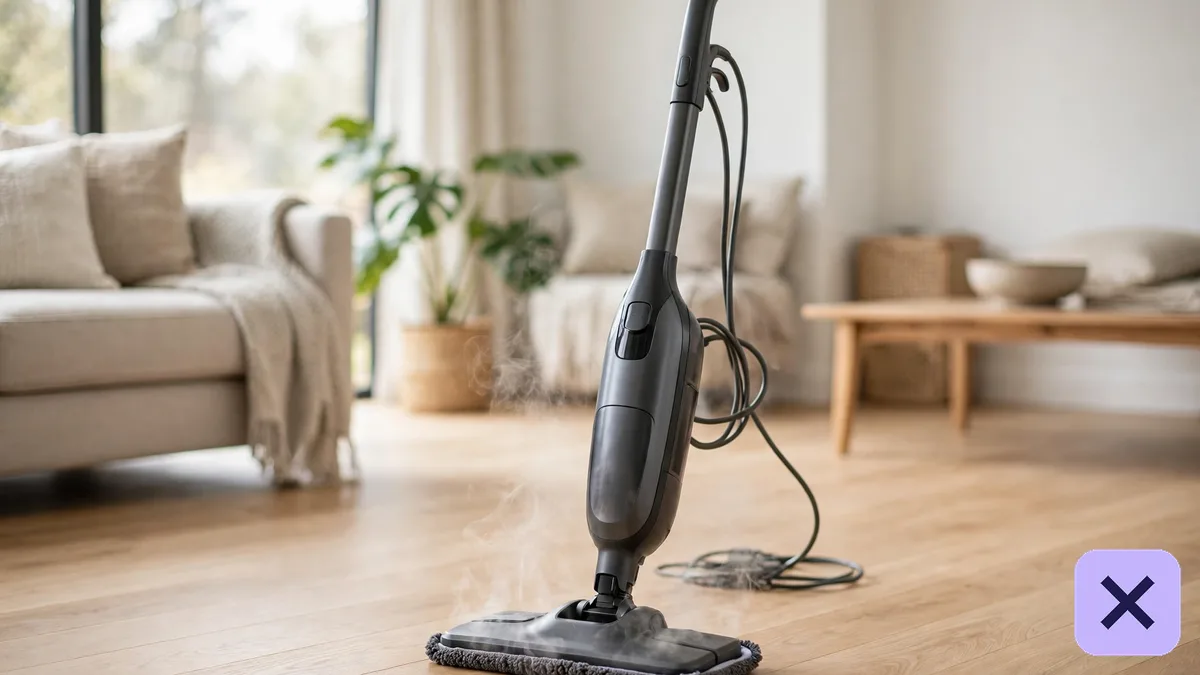
The best vacuum cleaners of 2026 do one thing better than every other cleaning tool in your home: they make the whole house feel finished. A good vacuum pulls dust out of deep carpet, lifts pet hair off the sofa and leaves hard floors gleaming, all in a single pass. A bad one leaves half the dirt behind and turns a ten-minute tidy into a twenty-minute wrestling match. With so many upright, canister, cordless stick and handheld models competing for the same shelf space, choosing well matters more than ever.
This guide cuts through the noise. We looked at the full-size vacuum cleaners that real households actually buy in 2026, and judged them on the things that decide whether a machine gets used every week or abandoned in a cupboard: cleaning power on carpet and hard floors, pet hair, filtration for allergy-prone homes, weight, noise, battery life and ease of maintenance. No gimmicks, just the practical differences that show up on your floors.
Below you will find a straight comparison of the leading types, which design suits which home, a buying checklist and answers to the questions people ask most before spending their money.
Key takeaways
- Match the vacuum to your floors first: uprights win on deep carpet, canister and stick models win on hard floors and stairs.
- Suction matters, but sealed HEPA filtration matters more if anyone in the home has allergies or asthma.
- Cordless stick vacuums now clean well enough for most homes, but battery life still decides whether one charge covers your whole house.
- A small dustbin is the most common regret: pet owners and large homes should choose a bigger bin or a bagged model.
- Weight and handling decide whether you actually use the vacuum every week, so test the balance, not just the spec sheet.
The Best Vacuum Cleaners of 2026 at a Glance
Use this table to narrow your choice, then read the detailed sections below.
| Type | Best for | Strengths | Weaknesses | Typical price |
|---|---|---|---|---|
| Upright | Large carpeted homes | Deep carpet cleaning, wide path, large bin | Heavy, awkward on stairs | £150–£450 |
| Canister | Mixed floors, stairs | Light wand, strong suction, quiet | Body trails behind, storage | £180–£600 |
| Cordless stick | Daily quick cleans, flats | Light, fast, converts to handheld | Battery limits, smaller bin | £200–£700 |
| Handheld | Spills, cars, stairs | Tiny, instant, great for spots | Not for whole floors | £40–£150 |
The Four Types of Vacuum Cleaner
Every full-size vacuum on the market in 2026 is a variation on four designs. Understanding the trade-offs between them is the fastest route to a good purchase.
Upright Vacuums
The upright is the classic workhorse. A wide motorised brush head sits at the front, and you push the whole machine across the floor in long passes. That wide path and powerful brush roll make uprights the strongest choice for deep-pile carpet, where dirt settles below the surface and only agitation plus suction can lift it out.
than the heavy machines of a decade ago. Many now have height adjustment for different carpet piles, a hard-floor mode that stops the brush roll, and sealed filtration. Their main weakness is manoeuvrability: carrying a full upright up a staircase is awkward, and reaching under low furniture is a struggle. If your home is mostly carpeted and largely on one level, an upright is still hard to beat.
Canister Vacuums
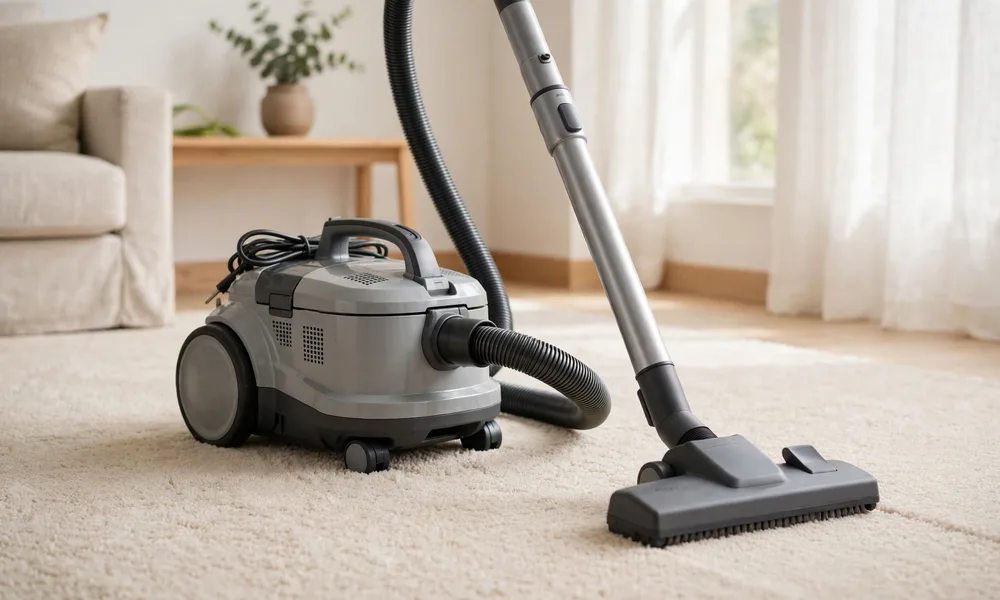
A canister vacuum splits the machine in two: the motor and dust collection live in a wheeled body that trails behind you, while you clean with a light wand. That separation makes the part in your hand feather-light, which is why canister owners love them for stairs, curtains and upholstery.
full-size vacuums and, at the top end, the most powerful. Their suction is excellent on both carpet and hard floors, and many models come with dedicated heads for each surface. The trade-off is the trailing body, which can bump into furniture legs and needs a little practice to steer around corners. Storage also takes more thought than a stick that stands in a corner.
Cordless Stick Vacuums
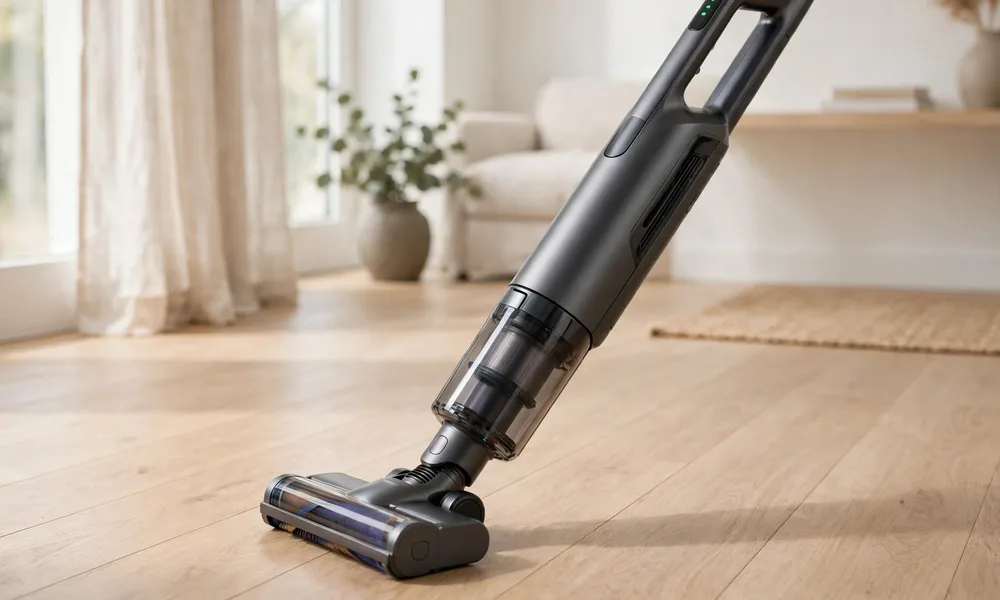
The cordless stick changed daily cleaning. It stands in a charging dock, weighs very little, and is ready in seconds, so people actually use it between deep cleans instead of waiting for the weekend. Most sticks convert into a handheld by removing the wand, so one machine covers floors, stairs, sofas and the car.
much of the performance gap with corded machines. Suction on hard floors is genuinely strong, and many models handle low-pile carpet well. The limits are runtime and capacity: most run for twenty to sixty minutes depending on power mode, and the dustbin is small, so pet owners may empty it mid-clean. For flats and smaller houses, a good stick can be the only vacuum you need.
Handheld Vacuums
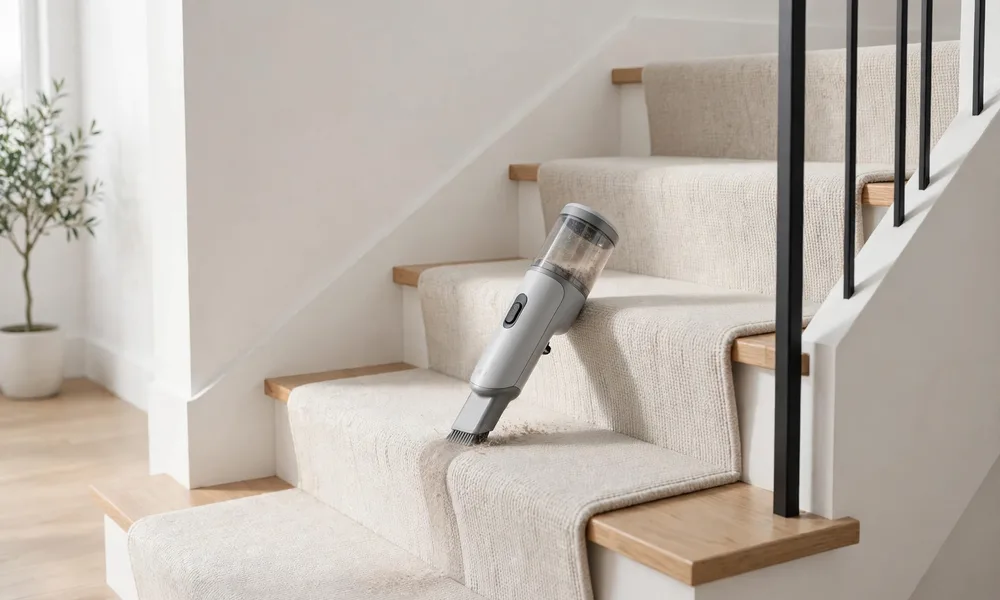
Handheld vacuums are the specialists. They are too small to clean a whole house, but nothing else clears a spilled cereal bowl, a car seat, a pet bed or a dusty staircase as quickly. The best handhelds have a motorised mini brush for upholstery and a crevice tool for tight gaps.
rather than a replacement. Paired with a full-size machine, it covers the awkward jobs that make people put off cleaning. On its own, it suits a very small space, a car, or a home where someone else handles the floors.
What to Look For Before You Buy
Five features separate a vacuum you will love from one you will tolerate.
Suction and Cleaning Performance
Manufacturers quote suction in different units, which makes direct comparison difficult. Air watts are the most useful single figure, but the brush head matters just as much: a motorised brush roll lifts embedded dirt from carpet, while a soft roller on hard floors stops dust being blown around. Choose a model that performs well on both surfaces.
Filtration and Allergies
A vacuum that leaks fine dust back into the air defeats its own purpose. Sealed systems with HEPA filtration trap pollen, dust mite waste and pet dander, and are the right choice for allergy and asthma households. Bagged models add another layer, since the bag seals shut when removed. Bagless models cost less to run but need regular filter washing.
Dustbin and Bag Capacity
Capacity is the feature people underestimate most. A 0.4-litre bin sounds fine until a shedding dog fills it halfway through the living room. Larger homes and pet owners should look for bins of 0.7 litres or more.
Weight, Noise and Handling
Pick the vacuum up. Push it, turn it, carry it up a flight of stairs in your mind. A machine over seven kilograms will feel heavier every week, and a noisy one will be used less in the evenings. Cordless sticks usually weigh two to three kilograms in the hand, uprights five to eight, and canister wands under two.
The Best Vacuum Cleaners by Home Type
There is no single best vacuum cleaner for everyone, but there is a clear best choice for each kind of home.
Best for Carpeted Homes
Carpet needs agitation. A full-size upright with a motorised brush roll and adjustable height is the strongest choice for wall-to-wall carpet, especially medium and deep pile. It covers ground quickly and pulls out the grit that wears carpet fibres down. A canister with a powered carpet head is the quieter alternative.
Best for Hard Floors
Hard floors need a vacuum that collects dust without scattering it. Cordless sticks with a soft roller head are outstanding here, and canisters with a dedicated hard-floor tool are just as good. Avoid uprights that cannot switch their brush roll off, since a spinning brush can flick debris across the room.
Best for Pet Owners
Pet hair tests the whole machine, not just suction. Look for a tangle-free brush roll that sheds hair instead of wrapping it, a larger dustbin, and sealed HEPA filtration to catch dander. A mini motorised tool for stairs and upholstery is almost essential. For daily top-ups between deep cleans, best robot mops for pet owners are a useful companion in homes where pets also track in mud, since they handle the hard-floor mess a vacuum leaves behind.
Best for Flats and Small Homes
Small homes reward light, fast machines. A cordless stick that lives on a wall dock and converts to a handheld covers nearly everything a flat needs. If your flat is mostly hard floor with a few rugs, you can skip the heavy upright entirely.
Best for Kitchens and Bedrooms
Kitchens and bedrooms have opposite needs. Kitchens collect crumbs and dry spills every day, so a quick, light clean matters more than deep carpet power. For hands-free help between manual cleans, the best robot vacuums for kitchens offer a useful second layer. Bedrooms, by contrast, need quiet and reach: a slim machine that slides under the bed. That is why many people pair a full-size vacuum with the best robot vacuums for bedrooms, letting each machine do the job it is built for.
Checklist: Before You Buy a Vacuum Cleaner
Run through these six checks before you pay.
- Measure your floors. Count how much carpet, hard floor and rug you actually have, and choose the type that suits the majority, not the minority.
- Check the bin or bag size. Pet owners and large homes need a bigger capacity; a tiny bin means stopping mid-clean.
- Confirm the filtration. Sealed HEPA filtration is worth paying for in any home with allergies, asthma or pets.
- Lift it and push it. Weight, balance and swivel steering decide whether you will use it weekly or leave it in the cupboard.
- Count the running costs. Add up bags, filters and replacement batteries over three years, not just the price on the box.
- Check the warranty and parts. A three to five year warranty and easily available spares say more about quality than any marketing claim.
Frequently Asked Questions
How much should I spend on a vacuum cleaner?
Most households get an excellent vacuum for between £150 and £350. Below that range, suction and filtration are often compromised. Above it, you are usually paying for convenience features and premium build rather than dramatically better cleaning.
Are cordless vacuums as powerful as corded ones?
On hard floors and low-pile carpet, the best cordless sticks now match corded machines closely. On deep carpet, a corded upright or canister still has the edge, because it sustains full power indefinitely. For deep-pile carpet throughout, corded remains the safer choice.
How often should I vacuum?
High-traffic areas and homes with pets benefit from two or three short cleans a week. Low-traffic rooms can be done weekly. Vacuum before dust and hair build up enough to see, because embedded dirt is harder to remove and wears carpet faster.
Bagged or bagless: which is better?
Bagged vacuums are cleaner to empty, hold more dirt and suit allergy households best. Bagless models cost less to run and let you see when the bin is full. Choose bagged for allergies and hygiene, bagless for running costs.
How long does a vacuum cleaner last?
A well-built vacuum lasts seven to ten years with normal use and basic maintenance: emptying the bin, washing filters and clearing the brush roll. Cordless models often need a new battery after three to five years.
Do I still need a full-size vacuum if I have a robot vacuum?
Yes, for most homes. Robot vacuums keep floors tidy between cleans, but they cannot deep-clean thick carpet, climb stairs, or clean upholstery. A full-size vacuum handles the heavy work, and the robot handles the daily upkeep.
The Bottom Line
The best vacuum cleaner of 2026 is the one that matches your floors, your household and the way you actually clean. Carpeted family homes should start with a strong upright or a canister with a powered head. Flats and hard-floor homes will be happiest with a light cordless stick. Pet owners need a tangle-free brush, a big bin and sealed filtration above all else. Choose for your own floors, and the right vacuum will make the whole house feel finished.