
What Makes Great Dried Fruit Worth Stocking in 2026?
Dried fruit is one of the oldest snacks in the world, and one of the most misunderstood. The best dried fruit in 2026 is soft and chewy, sweet without added sugar, and tastes unmistakably of the fruit it came from. The worst is hard, dull and coated in sugar, closer to a sweet than to fruit at all. This guide explains how dried fruit is made, how to tell the two apart, and which kinds are worth keeping in the cupboard.
It covers the fruits worth buying first, raisins, apricots, dates, cranberries and mango, the difference between sweetened and unsweetened bags, the question of sulphur, and how to store dried fruit so it stays soft instead of turning into a bag of hard pebbles.
Key takeaways
- The best dried fruit has one ingredient: the fruit itself. If sugar, glucose syrup or vegetable oil appears early on the label, the bag is a sweet in disguise.
- Unsweetened dried fruit is worth seeking out, especially for cranberries and mango, which are often sold with more sugar than fruit.
- Sulphur keeps apricots bright orange and soft, but unsulphured apricots, which are darker and browner, taste more of the fruit and suit most people better.
- Dried fruit is dense in natural sugar, so a small handful, about 30 grams, is a sensible portion, not a whole bag at once.
- Keep dried fruit in a sealed jar in a cool, dark cupboard, and it stays soft for months. Once it dries out and hardens, a short soak in warm water brings it back.
What dried fruit actually is
Dried fruit is fresh fruit with most of its water removed. The water is taken out by sun-drying, by warm air in a drying tunnel, or by freeze-drying, and what is left is the fruit’s sugar, fibre, flavour and minerals, concentrated into a much smaller package. A grape becomes a raisin, a plum becomes a prune, an apricot becomes a small, chewy disc. Nothing is added in the traditional process, and the best dried fruit today is still made that way.
Removing the water does two things. It stops the fruit from spoiling, because the bacteria and moulds that rot fresh fruit need water to grow. And it concentrates everything else, which is why dried fruit tastes so intensely sweet and why a small handful is so filling. That concentration is the whole point of dried fruit, and also the reason portion size matters: a dried apricot holds the sugar of a fresh one in a quarter of the size.
Drying also changes the texture. Fresh fruit is crisp and juicy. Dried fruit is chewy, dense and sticky, and that chew is part of its appeal. A good dried apricot bends without breaking and gives a little when you bite it. A bad one is hard, dry and leathery, and tastes of very little. The difference is usually a matter of how the fruit was dried and how long it has been sitting on the shelf.
The fruits worth buying first
Start with the classics, because they are the easiest to judge and the hardest to get wrong. Raisins, apricots and dates are the backbone of any dried fruit cupboard. Cranberries and mango are worth buying too, but they need more care, because they are the two fruits most often sold with added sugar. Buy the classics first, learn what good ones taste like, and then branch out.
Raisins
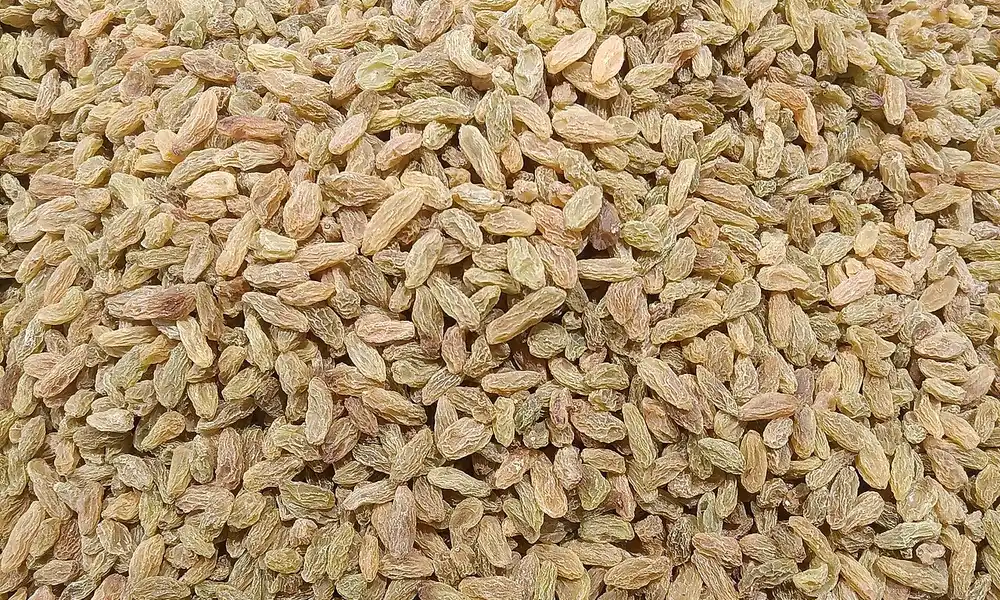
Raisins are dried grapes, and they are the most versatile dried fruit there is. They go into baking, into porridge, into salads, into stuffing, and straight into the mouth as a snack. A good raisin is plump, soft and dark, with a deep, wine-like sweetness. A poor one is small, hard and gritty, and tastes of little more than sugar.

Apricots
Dried apricots are the most popular dried fruit after raisins, and the one where quality varies most. A good dried apricot is soft, fleshy and tangy-sweet, with a flavour that is unmistakably apricot. A bad one is hard, dull and oddly flat, and it takes a lot of chewing to get very little flavour out of it.
Apricots come in two kinds: bright orange ones treated with sulphur dioxide, which keeps them orange and soft, and dark brown unsulphured ones, which look less pretty but taste more of the fruit. The sulphur section below covers the choice in more detail.
Dates
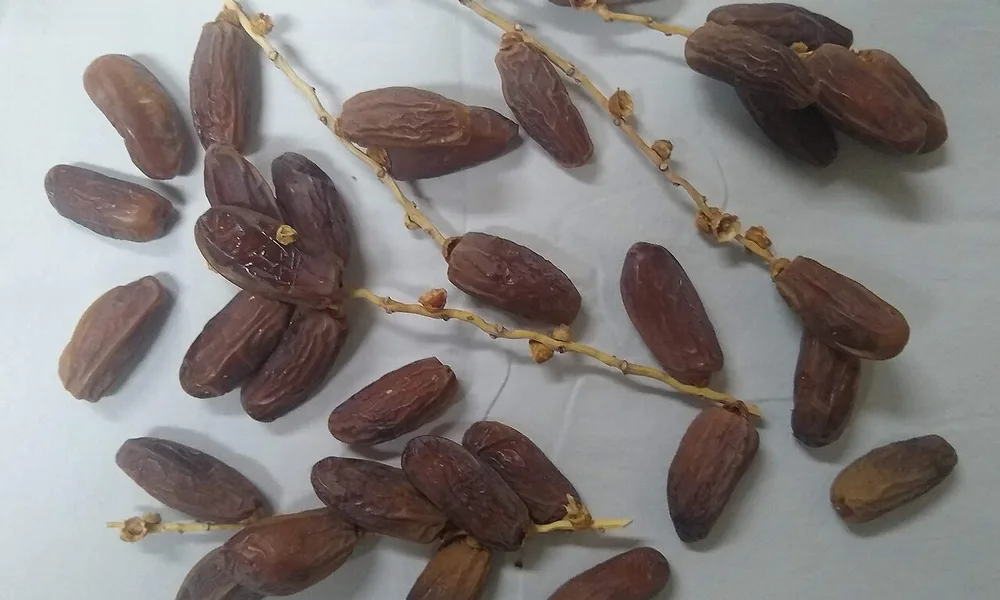
Dates are the sweetest dried fruit, and the most filling. A Medjool date, the large, soft kind, is almost like a toffee: sticky, rich and deeply caramel-flavoured. Dates are the best dried fruit for cooking, because they melt into a paste that sweetens cakes, porridge and smoothies without any added sugar.
Cranberries
Cranberries are the trickiest dried fruit to buy, because fresh cranberries are so tart that almost every dried cranberry is sweetened. A bag of dried cranberries can contain as much added sugar as fruit, and some bags are closer to sweets than to fruit. The best dried cranberries are the ones with the least added sugar, and the label is the only way to tell.
Mango
Dried mango is the most luxurious dried fruit, and the most likely to disappoint. Good dried mango is soft, thick and intensely mango-flavoured, with a chew that gives way slowly. Bad dried mango is thin, hard and sugary, and it tastes of sugar with a faint mango idea in the background.
The main kinds, compared
| Fruit | Flavour | Sweetness | Best use |
|---|---|---|---|
| Raisins | Deep, wine-like, mellow | Medium-high | Baking, porridge, snacking and salads |
| Apricots | Tangy, bright, fruity | Medium | Snacking, trail mix, tagines and stuffing |
| Dates | Rich, caramel, toffee-like | Highest | Eating whole, baking and natural sweetening |
| Cranberries | Tart, sharp, fruity | Medium, often sweetened | Salads, stuffing and trail mix in small amounts |
| Mango | Bright, tropical, intense | High, often sweetened | Snacking and trail mix, unsweetened if possible |
Sweetened or unsweetened: how to read the label
The single most important skill in buying dried fruit is reading the label, and the rule is simple. The ingredient list should start with the fruit, and ideally it should end there. A bag of raisins should list raisins. A bag of apricots should list apricots. Anything else on the list is worth a second look.
Sugar is the most common addition, and it appears under several names: sugar, glucose syrup, cane sugar, fruit juice concentrate. A little added sugar is not a disaster, but a bag where sugar is the second ingredient and the sugar content is above 60 grams per hundred grams is a sweet, not a fruit snack.
Sulphur: what it does, and whether it matters
Sulphur dioxide is used to keep dried fruit, especially apricots, bright and soft. It stops the fruit from browning, which is why sulphured apricots stay bright orange for months, and it keeps them soft by slowing the drying-out that makes fruit hard. It is also used on golden raisins and some dried apples. It is legal, it is used in tiny amounts, and for most people it is harmless.
Some people are sensitive to sulphur dioxide, and for them it can trigger asthma or a headache. If you know you are sensitive, buy unsulphured fruit, which is labelled as such and is easy to find in health food shops and online. Unsulphured apricots are darker, browner and slightly drier, and they taste more intensely of apricot, which many people prefer once they try them.
Snacking with dried fruit
Dried fruit is at its best as a snack, and the simplest way to eat it is also the best. A small handful, about 30 grams, with a handful of nuts, makes a snack that is sweet, filling and easy to carry. That combination is the classic trail mix: the fruit gives quick sweetness and the nuts give fat and protein that keep you full.
Storage: keeping dried fruit soft
Dried fruit keeps well, but only if it is stored properly. The enemies are air, light and heat, which dry the fruit out and make it hard. The best storage is a sealed glass jar in a cool, dark cupboard, where most dried fruit stays soft for six months or more.
If dried fruit does harden, it is not ruined. Put it in a bowl, cover it with warm water, and leave it for ten to fifteen minutes. The fruit will soften and plump up, and it will be good for snacking, baking or cooking. Drain it well before you use it, and do not soak more than you need, because soaked fruit does not keep. And if dried fruit ever smells sour or has visible mould, throw it away: no amount of soaking will save it.
Checklist: buying dried fruit in 2026
- Choose bags where the fruit is the first ingredient, and ideally the only ingredient on the list.
- Compare sugar per hundred grams between bags, and pick the lowest for cranberries and mango in particular.
- Buy apricots both sulphured and unsulphured once, taste them side by side, and keep the kind you prefer.
- Check that the fruit is soft and pliable, not hard, dry or gritty, before you buy.
- Keep a small portion, about 30 grams, as a snack, and pair it with nuts so it keeps you full.
- Store dried fruit in a sealed jar in a cool, dark cupboard, and soak hardened fruit in warm water to revive it.
Frequently asked questions
Is dried fruit healthy?
Unsweetened dried fruit is a healthy food in small amounts: it is whole fruit, with fibre, potassium and other minerals, and no added sugar. But it is dense in natural sugar, so a small handful is a snack and a whole bag is too much.
Why are some dried apricots orange and others brown?
Bright orange apricots have been treated with sulphur dioxide, which keeps them orange and soft. Brown apricots are unsulphured, and they darken naturally as they dry. Both are safe for most people, and the brown ones usually taste more of the fruit.
How much dried fruit should you eat a day?
About 30 grams, which is a small handful, or roughly two tablespoons of raisins. That is the portion that gives you the fibre and flavour of the fruit without a large amount of sugar at once.
Does dried fruit need to be washed?
It does not need washing if it comes from a sealed bag, but a quick rinse does no harm and removes any dust from loose fruit bought at a market. Soaking is different from washing: a ten-minute soak in warm water softens hard fruit and plumps it up for baking.
How long does dried fruit last?
Unopened, most dried fruit keeps for a year or more. Once opened, it stays soft for several months in a sealed jar in a cool, dark cupboard. If it hardens, soak it in warm water to revive it. If it smells sour or shows mould, throw it away.
Can dried fruit replace fresh fruit?
Partly. Dried fruit has the fibre and minerals of fresh fruit, concentrated, but it has lost most of its water and some of its vitamin C. It is a good stand-in when fresh fruit is out of season, but the portion is much smaller.
The bottom line
Great dried fruit is worth stocking because it is simple: fruit, dried, with nothing added. Buy bags where the fruit is the only ingredient, choose unsweetened cranberries and mango when you can find them, and try both kinds of apricot before you settle on a favourite. Keep the portion small, pair it with nuts, store it in a sealed jar, and soak it back to softness when it hardens.
For a breakfast that makes good use of dried fruit, see our guide to granola that is actually healthy in 2026 and our guide to the best oats of 2026; and for baking with it, see our round-up of the best and worst cakes of 2026.


