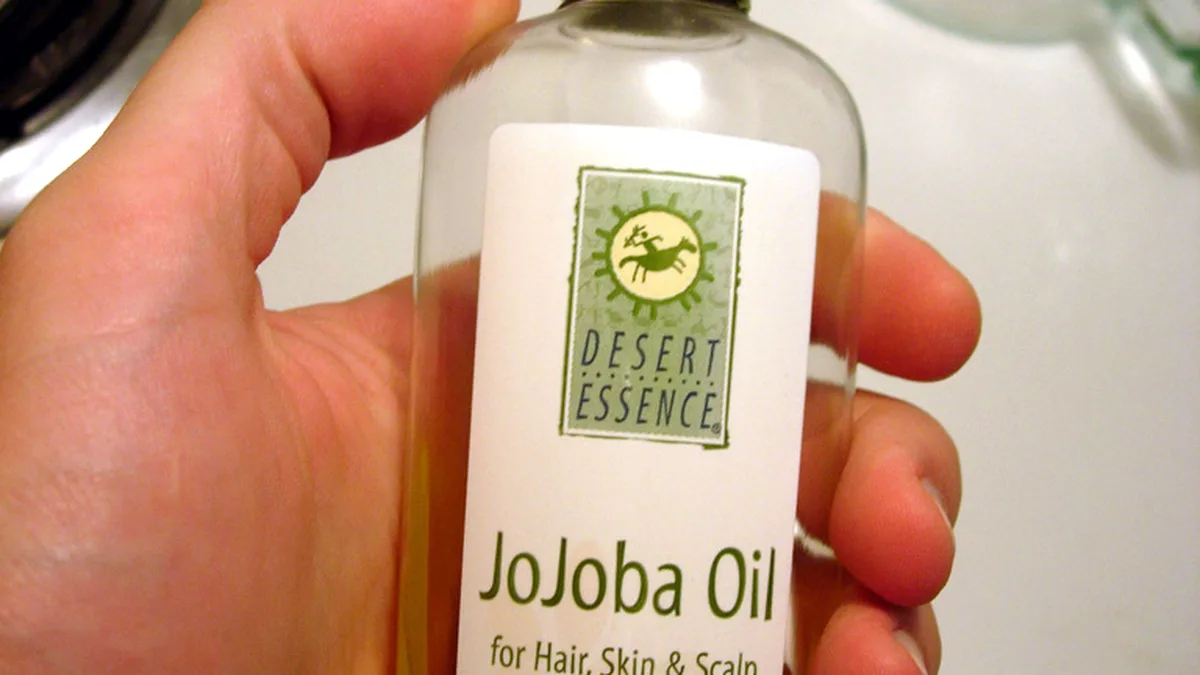
The best carrier oils of 2026 are the quiet bottles that make everything else work. A carrier oil is a plain plant oil, pressed from a seed, nut or fruit, that carries a few drops of concentrated essential oil safely onto your skin. Without one, essential oils are too strong to use neat. This guide compares the best of them, judged on feel, absorption, shelf life and skin type.
Jojoba sinks in fast and suits oily skin, sweet almond is the gentle all-rounder, grapeseed is the lightest of the lot, coconut is rich and solid at room temperature, argan is the luxury pick for dry skin and hair, and olive oil is the kitchen staple that doubles as a massage base.
Key Takeaways
- A carrier oil dilutes concentrated essential oils for safe use on skin: never apply essential oil undiluted.
- Jojoba suits oily and acne-prone skin, sweet almond suits most skin types, and grapeseed is the lightest option.
- The usual dilution is 2% for everyday use: about 12 drops of essential oil per 30 ml of carrier oil.
- Carrier oils go rancid, so buy small bottles, store them cool and dark, and sniff before every use.
- A carrier oil is a plain base ingredient you mix things into, while a ready-made massage oil is judged on glide and scent.
How We Picked the Best Carrier Oils for 2026
We started with feel, because a carrier oil you hate touching will sit unused. The best ones spread easily, sink in within a few minutes, and leave skin soft rather than slick. We weighed absorption next: fast-absorbing oils suit daytime use and oily skin, while slower ones suit massage, where glide should last. We also looked at shelf life, because an oil that turns rancid in three months is a false economy.
Finally we considered versatility: a good carrier oil should work for more than one job, and the oils here all do at least three of diluting, moisturising, massage and hair care well. Our guide to the best essential oils of 2026 explains which concentrated oils are worth buying first.
The Best Carrier Oils of 2026 at a Glance
| Carrier Oil | Feel | Best For | Keeps |
|---|---|---|---|
| Jojoba | Light, silky | Oily skin, face | 2 to 3 years |
| Sweet Almond | Smooth, medium | Everyday blends | About 1 year |
| Grapeseed | Very light | Oily skin, summer | 6 to 12 months |
| Coconut (Fractionated) | Light, liquid | Roller bottles | 2 years or more |
| Argan | Rich, smooth | Dry skin, hair | About 2 years |
| Olive | Rich, heavy | Massage, dry skin | About 1 year |
Best Overall: Jojoba Oil
Jojoba is technically a liquid wax, not an oil, which is why it behaves so well. It is the closest plant oil to the skin’s own sebum, so it sinks in fast, rarely feels greasy, and suits oily and acne-prone skin best. It is also the most stable oil here, keeping two to three years, which makes it the best value despite the higher price.
Best All-Rounder: Sweet Almond Oil
Sweet almond is the default carrier oil for a reason. It is light enough for everyday use, rich enough to moisturise properly, gentle enough for sensitive skin, and cheap enough to use generously in massage. The one warning is nut allergy: anyone with a nut allergy should skip almond oil and use grapeseed or jojoba instead.
Best Lightweight Option: Grapeseed Oil
Grapeseed is the lightest carrier oil you can buy. It absorbs almost completely, leaves virtually no residue, and suits people who dislike the feeling of oil on skin, as well as summer blends and oily skin. The trade-off is shelf life: six to twelve months is realistic, so buy small bottles and store them in the fridge once opened.
Best for Roller Bottles and Sprays: Fractionated Coconut Oil
Ordinary coconut oil is solid below about 24 degrees, which makes it awkward in a bottle. Fractionated coconut oil has the long-chain fats removed, so it stays liquid, clear and odourless at any temperature, and it never stains. That makes it the best carrier for rollerball blends, sprays and anything you carry in a bag.
Best for Dry Skin and Hair: Argan Oil
Argan is the richest carrier oil in this guide, and the one to reach for when skin or hair is genuinely dry. It is packed with vitamin E and fatty acids, it smooths frizz and flyaways, and a few drops pressed into the face at night leave skin soft by morning. It costs more than almond or grapeseed, so use it where it earns its price: face oils, hair ends and dry patches. Our guide to the best hair oils compares argan with coconut and rosemary oils.
Best Budget Pick: Olive Oil
Extra virgin olive oil from the kitchen cupboard is a perfectly good carrier oil. It is rich, deeply moisturising, widely available and cheap, and it makes an excellent massage base because its slow absorption gives long glide. It is too heavy for oily skin and for face blends, and it has a distinct smell that can overpower delicate essential oils. But for very dry skin or a tight budget, it is hard to beat.
How to Dilute Essential Oils Safely
Dilution is the whole job of a carrier oil, and the numbers are simple. For everyday use on adults, a 2% dilution is the standard: 12 drops of essential oil in 30 ml of carrier oil, or 4 drops in 10 ml for a small roller bottle. For the face, for sensitive skin, for children over six and for anyone new to essential oils, use 1%: 6 drops per 30 ml. For a short-term spot treatment, 3% is the usual ceiling.
Mix in a clean glass bottle, add the essential oil first, then top up with the carrier oil, cap it and shake gently. Always patch test a new blend: a drop on the inside of the wrist, left for 24 hours, tells you whether your skin agrees with it.
Carrier Oil vs Massage Oil: What Is the Difference?
A carrier oil is a plain base ingredient, and a massage oil is a finished product built on one. When you buy a massage oil, you are paying for someone else’s choice of base, scent and texture: a ready-to-pour bottle judged on glide, absorption, fragrance and whether it stains sheets. When you buy a carrier oil, you are buying the raw material to make your own blends, which is cheaper per use and lets you control every ingredient. The difference is the job: carrier oils are for mixing, massage oils are for pouring.
Mistakes to Avoid With Carrier Oils
The most common mistake is using essential oils neat, with no carrier at all. Undiluted essential oils can irritate even healthy skin, cause sensitisation over time, and make a pleasant oil impossible to use again. The second mistake is ignoring rancidity: a carrier oil that smells sharp, stale or like old crayons has turned, and using it can irritate skin and ruin a blend. Sniff every bottle before you mix, and throw out anything that smells off.
The third mistake is buying huge bottles to save money. Carrier oils oxidise once opened, and a litre of grapeseed oil that takes two years to finish will be rancid long before it is empty. Buy 100 ml or 250 ml bottles and keep them upright in a cool dark cupboard. The fourth mistake is forgetting nut allergies: sweet almond, argan and other nut oils are not safe for everyone in the house, so check before sharing a blend.

How to Store Carrier Oils So They Last
Heat, light and air are what turn a carrier oil rancid, so storage is simple: a cool, dark cupboard, bottles kept upright and tightly capped, away from the bathroom windowsill and the top of a radiator. Dark glass bottles help, and some oils, especially grapeseed and sweet almond, keep noticeably longer in the fridge once opened. Write the opening date on the label, because a bottle bought last year is not automatically still good.
Carrier oils also belong in the bath, not just on the skin. A spoonful of sweet almond or jojoba oil added to a warm bath leaves skin soft for hours. Our guide to the best bath oils compares ready-made bath oils with this simple approach.
Your Carrier Oils Checklist
- Start with jojoba for face and oily skin, sweet almond for everyday blends, and grapeseed if you hate any greasy feeling.
- Dilute at 2% for everyday use: 12 drops of essential oil per 30 ml of carrier oil, and 1% for faces and sensitive skin.
- Patch test every new blend on the inside of your wrist and wait 24 hours before wider use.
- Buy small bottles, store them cool and dark, and write the opening date on the label.
- Sniff before every use and throw out any oil that smells sharp, stale or rancid.
- Check for nut allergies before sharing a blend made with almond, argan or any other nut oil.
Frequently Asked Questions
What is a carrier oil?
A carrier oil is a plain plant oil, such as jojoba, sweet almond or grapeseed, used to dilute concentrated essential oils so they can be applied to skin safely. Essential oils are too strong to use neat, and the carrier oil spreads them over a larger area while adding its own moisturising benefits.
Which carrier oil is best for beginners?
Sweet almond oil, because it suits most skin types, has almost no scent, is affordable, and works for face blends, massage and hair. If you have a nut allergy, choose jojoba or grapeseed instead. Jojoba is the best single purchase if you only want one bottle, because it keeps the longest.
Can I use olive oil as a carrier oil?
Yes. Extra virgin olive oil is a good carrier oil for massage and very dry skin, and it is cheap and easy to find. It is heavy and has a strong smell, so it is not ideal for face blends or oily skin, but for a winter massage oil or a budget blend it works well.
How long do carrier oils last?
Jojoba keeps for two to three years, fractionated coconut oil for two years or more, argan for about two years, sweet almond and olive for about a year, and grapeseed for six to twelve months. Store them cool and dark, keep bottles tightly capped, and throw out any oil that smells sharp or stale.
Can I use a carrier oil on its own, without essential oils?
Yes, and many people do. Jojoba makes an excellent face moisturiser, sweet almond works as a body oil after a shower, argan smooths hair ends, and fractionated coconut oil is a good plain massage oil. The essential oil is optional; the carrier oil is useful on its own.
What is the difference between a carrier oil and a massage oil?
A carrier oil is the plain base ingredient you mix things into, while a massage oil is a finished, ready-to-pour product, usually built on a carrier oil such as sweet almond or grapeseed, with scent and texture already chosen for you. Carrier oils are cheaper per use and give you full control; massage oils are more convenient.
The Bottom Line
The best carrier oils are the ones that match your skin and your habits: jojoba for oily and acne-prone skin and the longest shelf life, sweet almond as the gentle all-rounder, grapeseed for the lightest feel, fractionated coconut for roller bottles and sprays, argan for dry skin and hair, and olive oil as the budget pick. Dilute at 2%, patch test every new blend, buy small bottles and store them cool and dark. A good carrier oil is the bottle that makes every other bottle safe to use.