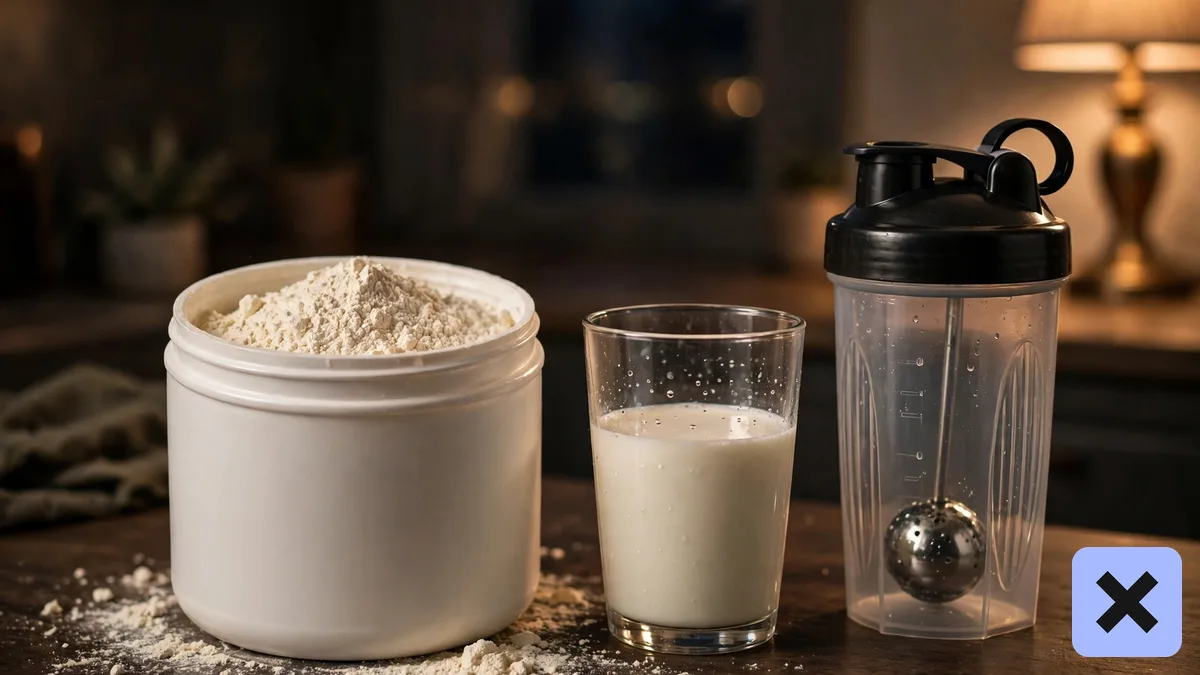
The best casein protein in 2026 is the quiet workhorse of the supplement shelf. It does not promise instant results or flashy energy. Instead, it does something no other protein does quite as well: it digests slowly, feeding your muscles a steady stream of amino acids for six to eight hours while you sleep or go a long day without food. If you have ever woken up hungry, struggled to stay full between meals, or wondered whether your overnight recovery could be better, casein is the protein built for exactly that job.
The best casein protein powders in 2026 are led by micellar casein, the least processed and slowest-digesting form, with 24 grams of protein per serving and under 2 grams of sugar. Calcium caseinate and casein blends sit a step behind on digestion speed but can be better value. This guide explains how casein works, compares the types side by side, and helps you choose the right tub for your goals and budget.
Casein makes up about 80 percent of the protein in milk, with whey making up the other 20 percent. When casein meets stomach acid it forms a gel, and that gel is the whole point: your body breaks it down gradually, releasing amino acids hour after hour instead of in one quick flood. That slow release is why casein has earned its reputation as the night-time protein, the one to drink before bed so your muscles are still being fed at three in the morning.
Key Takeaways
- Micellar casein is the best casein protein for most people: the slowest digesting, the least processed, and the creamiest tasting.
- Casein releases amino acids for six to eight hours, making it the best protein for overnight recovery and long gaps between meals.
- Look for 24 grams of protein per serving, under 2 grams of sugar, and a short ingredient list with no added amino spiking.
- Drink casein 30 to 60 minutes before bed, or use it as a meal replacement when you know you will not eat for hours.
- Casein is a dairy protein, so it is not suitable for vegans or anyone with a milk allergy, and it can feel heavy if you drink it too close to training.
How Casein Protein Works
To understand why casein is different, picture what happens after you drink it. Whey protein rushes through your stomach and spikes the amino acids in your blood within an hour, which is ideal straight after training when your muscles are primed to absorb them. Casein does the opposite. In the acid environment of your stomach, casein proteins clump together into a soft gel, and digestive enzymes have to work their way through that gel slowly. The result is a gentle, sustained release of amino acids that can last for six to eight hours.
That slow release changes what casein is good for. Research on overnight protein feeding has found that a casein shake before bed raises muscle protein synthesis while you sleep, especially when the rest of your daily protein intake is already adequate. Casein does not replace a good diet, but it fills the longest gap in it: the seven or eight hours you spend asleep.
The Overnight Recovery Window
Sleep is when your body does most of its repair work, and it is also the longest stretch of the day without food. A whey shake at bedtime is mostly digested within a couple of hours, leaving the second half of the night uncovered. A casein shake, taken 30 to 60 minutes before bed, keeps amino acids trickling into your bloodstream for most of the night, so you can wake up less sore and better recovered. The same logic applies to long gaps during the day: a casein shake keeps hunger at bay far better than a fast-digesting protein.
Satiety: Why Casein Keeps You Fuller for Longer
The gel that casein forms in your stomach also keeps you fuller for longer, which is why casein is a favourite among people trying to lose weight without feeling hungry all day. A 24-gram casein shake contains roughly 110 to 130 calories, yet it can keep you satisfied for hours. That thickness is also the main complaint about casein: mixed with too little liquid it can turn into a sludge. Use more water or milk than the label suggests, shake it well, and let it sit for a minute before drinking.

Micellar Casein vs Calcium Caseinate vs Blends
Not all casein is the same. Micellar casein is made by filtering milk to separate the casein micelles, the natural clusters of casein protein, with minimal heat and processing, so it keeps its slow-digesting structure intact. Calcium caseinate is made by treating casein with calcium hydroxide, which makes it digest a little faster, though still far slower than whey. Casein blends mix casein with whey or other proteins, usually to improve taste and mixability at a lower price.
For most buyers, micellar casein is the right choice: the slowest digesting, the creamiest tasting, and the form used in most overnight-recovery research. Calcium caseinate is a reasonable budget alternative that handles heat well in cooking and baking. Blends are the compromise: cheaper and easier to mix, but without the full overnight effect of pure micellar casein.
Best Casein Protein Compared
| Casein Type | Digestion Speed | Protein per Serving | Best For | Typical Cost |
|---|---|---|---|---|
| Micellar casein | Slowest, 6 to 8 hours | 24g | Overnight recovery, satiety | Higher |
| Calcium caseinate | Slow, 5 to 7 hours | 23g | Budget buyers, baking | Moderate |
| Casein and whey blend | Medium, 3 to 5 hours | 24g | All-round daily use | Lower |
| Casein hydrolysate | Fast, 2 to 3 hours | 22g | People who want fast casein | Highest |
| Cottage cheese | Slow, with a meal | 11g per 100g | Whole-food option | Low |
What to Look for on the Label
Choosing the best casein protein starts with the label. First, protein per serving: a good casein powder gives you 22 to 25 grams per 30-gram scoop. Second, sugar: a plain casein should have under 2 grams of sugar per serving, and anything above 5 grams is a dessert powder. Third, the ingredient list: the best casein powders list micellar casein first. Be wary of added amino acids such as glycine or taurine, which some cheaper brands use to inflate the protein number on the label. This practice, sometimes called amino spiking, is the main label trick to watch for.
Fourth, third-party testing. Look for brands that publish independent lab results for protein content and heavy metals, or that carry a recognised testing mark. Casein is a simple product, and a trustworthy brand has nothing to hide. If a brand will not show you its test results, that tells you something too.
Flavours, Sweeteners and Mixability
Casein mixes thicker than whey, and that affects flavour choice. Chocolate and vanilla are the safest bets, because they suit the creamy texture and mix well with milk. Unflavoured casein is the cleanest option and works well in porridge, smoothies, and baking. On sweeteners, sucralose tastes closest to sugar, while stevia and monk fruit appeal to people who prefer plant-based sweeteners. A shaker bottle works, but a blender works better, and casein thickens as it sits, so drink it quickly if you want it thin. Using milk instead of water makes it richer, at the cost of extra calories. For more shake ideas, our roundup of the best protein shakes of 2026 covers recipes and ready-to-drink options that pair well with a casein routine.

When to Take Casein Protein
Timing is where casein earns its keep, and the single best time to take it is before bed. Drink a shake 30 to 60 minutes before you sleep, and you give your body a slow supply of amino acids for most of the night. A second good time is in the morning if you know you will not eat again for hours, for example before a long shift or a flight. Casein also works well as a meal replacement: a shake with milk, oats, and a banana gives you protein, slow carbohydrates, and fibre in a glass. It is less useful straight after training, when you want fast-digesting protein. If you want to compare the wider options, our guide to the best protein powders of 2026 puts casein alongside whey and plant proteins so you can see where each one fits.
Casein vs Whey: Which Should You Buy?
The casein versus whey question comes down to timing, not quality. Both are complete proteins from milk, both contain all nine essential amino acids, and both support muscle building. Whey digests fast and is best after training; casein digests slowly and is best before bed or during long gaps between meals. If you could only buy one, whey is the more versatile choice. But if you already own whey and want to cover the night, casein is the most useful second protein to add. Micellar casein usually costs 20 to 30 percent more per serving than whey concentrate, so work out the cost per serving and aim for under one pound for a quality micellar casein.

Casein Protein Buying Checklist
- Choose micellar casein as the main ingredient, and check it is listed first on the label.
- Confirm 22 to 25 grams of protein per serving and under 2 grams of sugar.
- Look for a short ingredient list with no added glycine or taurine used to inflate the protein number.
- Pick a flavour you will actually enjoy: chocolate or vanilla for shakes, unflavoured for cooking.
- Check for third-party testing or published lab results before you buy.
- Work out the cost per serving and aim for under one pound per serving for quality micellar casein.
Frequently Asked Questions
Is casein protein better than whey protein?
Neither is better overall. Whey digests fast and suits training days, while casein digests slowly and suits bedtime. Many people use both: whey in the day, casein at night.
Should I take casein protein before bed?
Yes, before bed is the best time to take casein. A shake 30 to 60 minutes before sleep supplies amino acids for six to eight hours, supporting overnight muscle recovery while you would otherwise be fasting.
Does casein protein help with weight loss?
Casein can help with weight loss because it keeps you full for longer than most proteins. A 24-gram shake has roughly 110 to 130 calories yet can satisfy hunger for hours, which makes a calorie deficit easier to maintain.
Is casein protein safe to take every day?
For most healthy adults, a daily casein shake is safe. If you have a milk allergy, kidney disease, or take medication at night, check with your doctor first.
Can lactose-intolerant people drink casein?
Many lactose-intolerant people tolerate micellar casein better than whey concentrate, as it contains very little lactose. Start with a half serving to test your tolerance.
What is the difference between micellar casein and calcium caseinate?
Micellar casein is filtered from milk with minimal processing and keeps its slow-digesting structure; calcium caseinate is treated and digests a little faster. Micellar is best for overnight recovery, caseinate is cheaper and good for baking.
The Bottom Line
The best casein protein in 2026 is a micellar casein with 24 grams of protein per serving, under 2 grams of sugar, and a short, honest ingredient list. It will not replace whey after training, and it is not the cheapest protein on the shelf, but it does one job better than any other protein: it feeds your muscles slowly, all night long. Drink it before bed, use it to bridge long gaps between meals, and let its thickness work for you in porridge and overnight oats. For a complete view of how casein fits into a wider routine, our guide to the best creatine of 2026 covers the other supplement most lifters pair with their protein.


