A clarinet is a small instrument with a large voice. It can whisper a soft melody in a quiet room, carry a tune across a concert hall, and swing with a jazz band late into the night, all from a slender tube of wood and a single thin reed. That range is why so many players fall in love with it, and it is also why buying one badly is so easy. A good clarinet responds to the smallest change in breath, stays in tune from the lowest note to the highest, and feels comfortable in the hands for an hour at a time. A poor one fights the player at every step, squeaking when it should sing and drifting out of tune just when the music matters most. The best clarinets of 2026 are not always the dearest ones, and they are not the ones with the longest list of extras. They are the instruments that play easily, sound warm and clear, and keep working year after year without fuss.
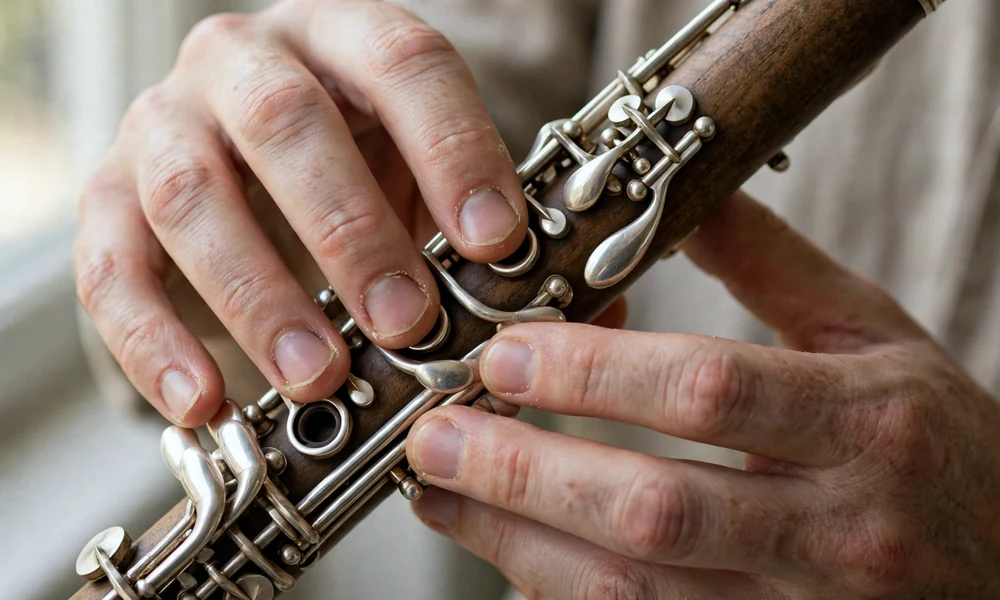
What Makes a Clarinet Good
The first thing to judge is the sound. A good clarinet has a warm, round tone in the low notes, a clear and singing voice in the middle, and high notes that stay sweet instead of turning thin and sharp. The tone should stay even as the player moves from one register to another, with no sudden jump in colour or volume. A clarinet that sounds dull in the low notes and harsh at the top will never be enjoyable to play, however well it is made. Listening to the sound, even on a few simple scales, tells the buyer more than any list of features ever will.
The second thing is how easily it speaks. A good clarinet starts a note cleanly with a gentle breath, without a squeak, a delay, or a burst of air. It should respond at soft volumes as well as loud ones, so the player can shape a phrase instead of fighting to get the first note out. If the instrument needs a hard push to speak, the player will tire quickly and the music will sound forced. Easy response is the foundation of good playing, and it matters far more than looks or brand.
The Main Types of Clarinet
The B flat clarinet is the standard instrument most people picture, and it is the right starting point for almost every player. It is the clarinet used in school bands, orchestras, jazz groups and chamber music, and it has the largest range of music written for it. A B flat clarinet is a comfortable size for most hands, its music is widely available, and teachers know it best. For a first clarinet, or for a player returning to the instrument after years away, the B flat clarinet is the honest place to start.
Student clarinets are built to be sturdy, affordable and forgiving. They are usually made from a tough resin or a durable plastic instead of wood, which means they survive knocks, changes in temperature and a school bag without cracking. They are lighter than wooden instruments, their keys are simple and well placed, and they play reliably with a basic mouthpiece and reed. They do not have the warm, complex tone of a fine wooden clarinet, but they are the smartest first instrument for a beginner, and a good student model will serve well for several years.
Intermediate clarinets sit between the student and professional models, and they suit the player who has outgrown a first instrument. Many are made from wood, often grenadilla, and they have better keywork, a warmer tone and a more refined response than a student model. They cost more, but they reward a player who practises regularly and wants a richer sound. An intermediate clarinet is a good choice for a keen school player, an adult learner who is progressing fast, or anyone who plays in a band and wants to be heard clearly.
Professional clarinets are made for players who earn their living from music, or who play at a very high standard. They are usually crafted from carefully aged grenadilla wood, with hand-finished keywork, precise tuning and a tone that can fill a hall without losing its warmth. They respond to the smallest change in breath and reed, and they offer a range of colour that a cheaper instrument cannot match. They need more care, and they cost far more, but for a serious player they are the tool that makes the best music possible.
How to Choose the Right Clarinet
The first choice is the level. A complete beginner does not need a professional instrument, and a professional player will be held back by a student model. The right level is the one that matches how much the player practises and where they play. A beginner should start with a good student clarinet, a regular player should look at an intermediate model, and only a serious, committed player needs a professional instrument. Buying above the right level wastes money; buying below it wastes progress.
The second choice is the material. Wooden clarinets, usually grenadilla, give the warmest and richest tone, but they need care: they can crack if they dry out or change temperature quickly, and they need regular oiling and a good case. Resin and plastic clarinets are tougher, cheaper and far easier to look after, which makes them ideal for young players, school use and outdoor playing. The material matters less than the build quality, and a well-made resin clarinet will always beat a poorly made wooden one.
The Best Clarinets of 2026
The best student clarinet of 2026 is a sturdy resin model with simple, well-placed keys and a free-blowing, forgiving response. It speaks easily at soft volumes, stays in tune across its range, and survives the knocks of school and travel without complaint. It comes with a decent mouthpiece, a strong case and a cleaning cloth, so a beginner can start playing on the first day. It is light enough for young hands, comfortable to hold for a full lesson, and it costs far less than a wooden instrument. For a first clarinet, this is the pick that makes the most sense for the most people.
The best intermediate clarinet this year is a wooden model with a warm, round tone and smooth, reliable keywork. It plays easily in the low register, sings clearly in the middle, and reaches the high notes without turning sharp or thin. The keys are quiet and well sprung, the tuning is steady, and the instrument feels solid and balanced in the hands. It suits the player who practises most days, plays in a band or orchestra, and wants a richer sound than a student model can give. It is the clarinet that carries a keen player through the middle years of learning.
The best professional clarinet of 2026 is a hand-finished grenadilla instrument with a deep, flexible tone and precise, even tuning. It responds to the smallest change in breath, so the player can shape a phrase from a whisper to a full, ringing forte without losing control. The keywork is smooth and silent, the low notes are rich, and the high notes stay sweet and in tune. It is the clarinet for the player who performs regularly, who needs an instrument that can be heard in a large hall, and who is willing to care for fine wood in exchange for the finest sound.
The best clarinet for an adult beginner is a lightweight, easy-blowing model sold as a complete set, with the clarinet, a good mouthpiece, reeds, a sturdy case and a cleaning kit in the box. It costs less than a single month of many hobbies, and it removes every excuse not to start. The instrument itself is forgiving and easy to play, the set-up takes minutes, and the player can be playing simple tunes on the first afternoon. It is not the clarinet for a concert soloist, but it is the clarinet that turns a curious adult into a regular player, and that is worth more than any trophy.
What Else You Need
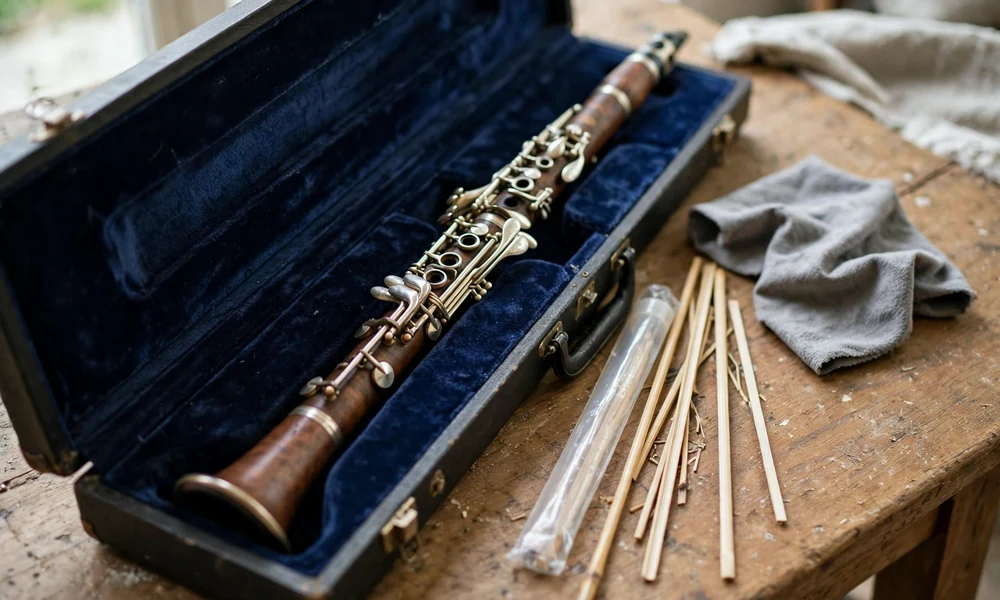
A clarinet on its own is only half the kit. Reeds matter as much as the instrument, and they must match the mouthpiece: reeds that are too hard will not speak, and reeds that are too soft will sound thin and flat. A simple reed case keeps spare reeds safe, a cleaning swab removes moisture after every session, and cork grease keeps the joints moving smoothly. A music stand, a tuner and a metronome help practice, and a good case protects the instrument on every journey. None of this costs much, and all of it makes the first months far more enjoyable.
Common Mistakes to Avoid
The biggest mistake is buying too much clarinet. A professional wooden instrument looks impressive in the shop and feels demanding in the hands of a beginner, and it builds habits that are hard to break. The second mistake is buying reeds that do not match the mouthpiece, which guarantees squeaks and flat notes. The third is skipping care: never leave a clarinet wet after playing, never force the joints together without cork grease, and never leave it in a hot car or a damp room. Moisture left inside the bore will damage the pads and the wood over time.
How the Clarinet Fits a Musical Life
The clarinet is one of the few instruments that fits almost every kind of music. There is no single style to chase, no one band to join, just the player, the reed and the tune. That freedom is part of the appeal, and it is why the clarinet sits so well beside other instruments in a musical household. An evening of practice pairs naturally with listening to other players, and many clarinettists enjoy comparing their instrument with its neighbours in the band. Readers who enjoy the bright, bold voice of brass will find plenty to like in the best trumpets guide, which covers a very different kind of wind playing from the same starting point: breath, control and a good ear.
The clarinet also shares its musical world with the strings. The warm, singing tone of a clarinet sits beautifully beside a violin in chamber music, and players who love melody often find they enjoy both instruments for different reasons. Readers who want to explore that side of music will find plenty to enjoy in the best violins guide, and those who prefer to pick up a fretted instrument for a relaxed evening will find the same care and advice in the best guitars guide. The right instrument, matched to the player, makes the whole musical life more fun, whichever family it comes from.

The Verdict
The best clarinet of 2026 is the one that fits the player holding it. For most people that means a good student or intermediate model: easy to play, warm in tone and able to grow with its owner. For the player who performs at a high standard, a hand-finished professional grenadilla clarinet is the better tool. Whatever the choice, start with a good mouthpiece, match the reeds, look after the wood and keep the instrument dry. A clarinet chosen this way will not just play well on the first day; it will still be playing well years from now, and every good phrase will feel like it was earned.