
The best cold brew in 2026 is smooth, sweet, and patient: coarse grounds, cold water, sixteen hours, and nothing rushed. Start with a classic black cold brew or a cold brew latte, brew a batch of concentrate on Sunday, and let it cover your whole week.
Cold brew has moved from cafe menus into home kitchens, and a single batch brewed on Sunday can cover your whole week. The trick is patience: cold water extracts flavour slowly, so the best cold brew is planned a day ahead.
This guide covers the best cold brew of 2026: what makes it different from iced coffee, the seven best ways to drink it, how the leading styles compare, and how to brew a smooth, low-acid concentrate at home.
Key Takeaways
- Cold brew is steeped in cold water for 12 to 24 hours, never heated, which makes it smoother and lower in acidity than hot-brewed coffee.
- Use a coarse grind and a ratio of about 1 part coffee to 5 parts water for concentrate, or 1 to 8 for ready-to-drink strength.
- Steep for 16 hours as a starting point: shorter steeps taste thin, while steeps over 24 hours turn bitter and woody.
- Concentrate keeps for up to two weeks in the fridge and dilutes 1 to 1 with water or milk, so one batch covers a whole week.
- Cold brew is usually stronger per glass than iced coffee, so dilute it properly and watch the caffeine.
What Is Cold Brew, Really
Cold brew is coffee made by steeping coarse coffee grounds in cold or room-temperature water for a long time, usually twelve to twenty-four hours, then filtering out the grounds. No heat is involved at any point. That slow, cold extraction pulls out the smooth, sweet compounds in coffee while leaving behind many of the bitter, acidic ones.
Why Cold Brew Tastes So Different
Heat changes what coffee gives up. Hot water extracts acids and bitter oils fast, which is why hot coffee tastes bright and complex, and why over-brewed hot coffee tastes harsh. Cold water extracts slowly and selectively, so the finished drink is rounder, sweeter, and about sixty per cent lower in acidity.
Concentrate vs Ready-to-Drink Cold Brew
Most cold brew starts life as a concentrate, roughly twice as strong as a normal cup, and is then diluted with an equal part of water, milk, or tonic before serving. One bottle of concentrate becomes black cold brew, a latte, or an iced mocha depending on what you add. Ready-to-drink cold brew is already diluted to serving strength, so you pour it straight over ice.
The 7 Best Cold Brews of 2026
These seven styles cover every way most people drink cold brew, from a straight black glass to a creamy sweet-cream version. Each one earns its place for a clear reason, and the comparison table below them makes it easy to pick the one that matches your taste and your morning routine.

1. Classic Black Cold Brew
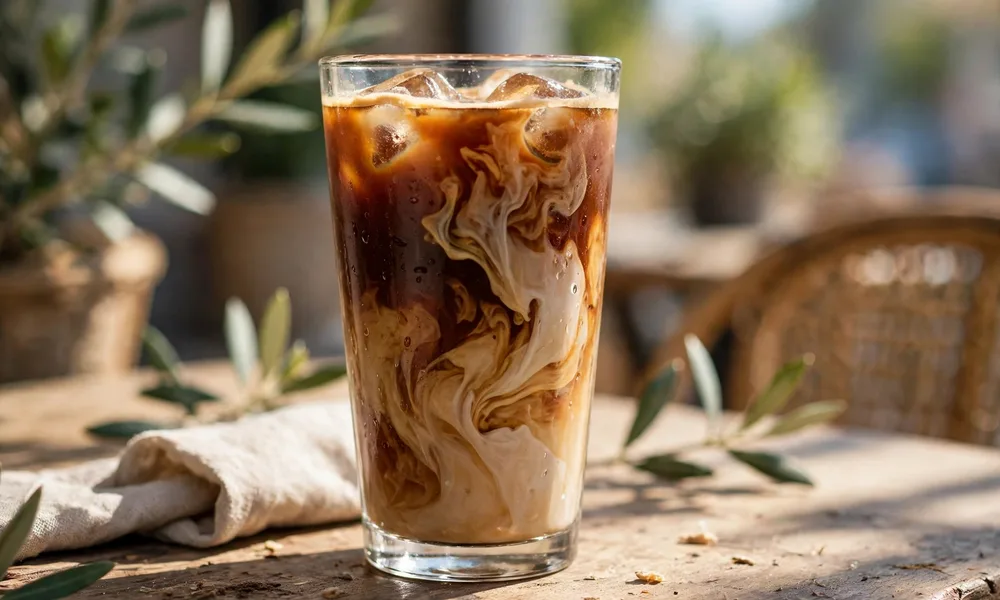
Black cold brew is the purest way to drink it: concentrate diluted with an equal part of cold water, poured over a full glass of ice. It should taste smooth and chocolatey, with a gentle natural sweetness and no bitterness at all. A good black cold brew needs nothing added.
2. Cold Brew Concentrate
Concentrate is cold brew at its strongest, and it is the most useful form of the drink. Kept in a sealed bottle in the fridge, it stays fresh for up to two weeks, which means a Sunday batch covers the whole working week. Dilute it one to one with cold water for a black cold brew, or one to one with cold milk for a latte. Our guide to the best cold brew coffee makers of 2026 covers the models with the finest filters and the easiest cleanup.
3. Cold Brew Latte
A cold brew latte is concentrate diluted with cold milk instead of water, and it is the creamiest, most forgiving way to drink cold brew. The milk softens the coffee further and adds a gentle sweetness, while the cold brew underneath keeps the flavour bold and chocolatey. Oat milk is the best non-dairy choice here, because it is naturally sweet and does not split.
4. Nitro Cold Brew
Nitro cold brew is cold brew infused with nitrogen gas, served from a tap like a stout beer, and it is the most dramatic cold coffee you can drink. The nitrogen creates a thick, creamy head and a cascade of tiny bubbles, and the texture is silky and almost sweet, even with nothing added. At home, nitro needs a special keg setup, so it is mostly a cafe drink.
5. Cold Brew Tonic
Cold brew tonic is concentrate diluted with tonic water instead of plain water, served over ice with a slice of orange, and it is the most refreshing cold brew there is. The bitterness of the tonic and the sweetness of the coffee balance each other, while the citrus lifts the whole drink. Use one part concentrate to two parts tonic, and pour the tonic gently so it keeps its fizz.
6. Vanilla Sweet Cream Cold Brew
Vanilla sweet cream cold brew is concentrate topped with a cold foam made from cream, milk, vanilla, and a little sugar, and it is the best choice when you want something that feels like a treat. The foam sits on top of the coffee and slowly sinks through it, sweetening each sip as you drink. At home, whisk cold cream, milk, vanilla, and sugar until it thickens slightly.
7. Ready-to-Drink Bottled Cold Brew
Ready-to-drink bottled cold brew has improved dramatically in 2026. The best bottles now use real coffee, proper steep times, and no added sugar, and they are genuinely good rather than just convenient. They are the right choice for travel, busy mornings, and anyone who does not want to plan a day ahead.
Best Cold Brew Compared
| Style | Flavour | Strength | Typical Cost | Best For |
|---|---|---|---|---|
| Classic black cold brew | Smooth, chocolatey, sweet | Medium | Very low at home | Everyday drinking |
| Cold brew concentrate | Rich, bold, intense | Very high | Very low at home | Batch brewing |
| Cold brew latte | Creamy, mellow, smooth | Medium | Low at home | Milk coffee lovers |
| Nitro cold brew | Silky, creamy, sweet | Medium | High, mostly cafes | A cafe treat |
| Cold brew tonic | Bright, bitter, citrusy | Medium | Moderate | Hot days |
| Vanilla sweet cream | Sweet, vanilla, creamy | Medium | Moderate | A dessert coffee |
| Ready-to-drink bottled | Smooth, consistent | Low to medium | Moderate per bottle | Travel and busy mornings |
The table shows the real trade-off: the smoothest and most flexible styles are also the cheapest to make at home, while nitro and bottled versions cost more for convenience and theatre.
How to Make the Best Cold Brew at Home
Making cold brew at home is the easiest brewing method there is, because there is no hot water, no technique, and almost nothing to get wrong. Combine coarse coffee grounds with cold, filtered water in a jar or pitcher, stir once, cover it, and leave it for twelve to twenty-four hours. Then filter it and store the concentrate in a sealed bottle in the fridge.

The Ratio That Works
For concentrate, use about one part coffee to five parts water by weight: one hundred grams of coffee to five hundred millilitres of water. For ready-to-drink strength, use one part coffee to eight parts water. Start with a sixteen-hour steep at room temperature, then adjust: if it tastes thin, steep longer; if it tastes bitter, steep shorter.
Choosing Beans and Grind for Cold Brew
Grind coarse, about the texture of raw sugar, because a fine grind over-extracts during a long steep and leaves the coffee bitter and silty. Medium-dark roasts are the best choice for cold brew, because their chocolatey, caramel notes suit the slow extraction. Our guide to the best coffee beans of 2026 compares origins and roast levels, and our roundup of the best coffee grinders of 2026 covers the models that grind coarse evenly without producing dust.
Steeping, Filtering, and Storing
Steep at room temperature for a fuller flavour, or in the fridge for a cleaner, slightly slower extraction; both work, and the fridge version is the safer choice in a warm kitchen. Filter twice: first through a fine mesh strainer, then through a paper filter for a clean, sediment-free concentrate. Store it in a sealed glass bottle in the fridge for up to two weeks.
Cold Brew vs Iced Coffee: What Is the Difference
People often use cold brew and iced coffee as if they were the same drink, but they are made in opposite ways and they taste different. Iced coffee is brewed hot and chilled, which extracts the bright, acidic compounds that make coffee taste lively, and it is ready in minutes. Cold brew is steeped in cold water for twelve to twenty-four hours, so it tastes rounder and sweeter.
Mistakes That Ruin Cold Brew
The most common mistake is grinding too fine. A fine grind over-extracts during a long steep and leaves the coffee bitter, muddy, and full of silt, so always grind coarse. The second mistake is steeping too long: beyond twenty-four hours, cold brew turns woody and bitter rather than stronger, so set a timer. The third is using too little coffee, which produces a thin, watery drink.
Cold Brew Buying Checklist
- Grind coarse, about the texture of raw sugar, and never use a fine grind for a long steep.
- Use a 1 to 5 coffee-to-water ratio for concentrate, or 1 to 8 for ready-to-drink strength.
- Steep for 16 hours as a starting point, and never steep beyond 24 hours.
- Filter twice, through a fine mesh strainer and then a paper filter, for a clean concentrate.
- Store concentrate in a sealed glass bottle in the fridge for up to two weeks.
- Dilute 1 to 1 with water or milk, and taste before adding sugar or syrup.
Frequently Asked Questions
Is cold brew stronger than regular coffee?
Yes, as a concentrate it is roughly twice as strong as a normal cup, because it uses far more coffee per litre. Once diluted one to one with water or milk, a tall glass contains a similar amount of caffeine to a large hot coffee, around two hundred milligrams.
Can I make cold brew with a French press?
Yes, and it is one of the easiest ways to start. Add coarse grounds and cold water to the press, stir, cover, and steep for sixteen hours. Then press the plunger down slowly and pour the coffee through a paper filter for a clean result.
Why does my cold brew taste bitter?
Almost always because the grind was too fine or the steep was too long. A fine grind over-extracts during a long steep, and anything beyond twenty-four hours turns woody and bitter. Grind coarse and steep for sixteen hours.
How long does cold brew last in the fridge?
Concentrate kept in a sealed glass bottle in the fridge stays fresh for up to two weeks, which is far longer than brewed hot coffee. Once diluted, drink it within two or three days, and do not store it with ice in it.
Is cold brew less acidic than hot coffee?
Yes, cold brew is roughly sixty per cent lower in acidity than hot-brewed coffee, because cold water extracts fewer acidic compounds. That is why it tastes smoother and sweeter.
Can I heat cold brew concentrate?
Yes, and it makes an excellent hot coffee. Dilute the concentrate one to one with hot water instead of cold water, and you get a smooth, low-acid hot cup. Do not boil it, though, because boiling brings out bitterness.
The Bottom Line
The best cold brew in 2026 is smooth, sweet, and patient: coarse grounds, cold water, sixteen hours, and nothing rushed. Start with a classic black cold brew or a cold brew latte, brew a batch of concentrate on Sunday, and let it cover your whole week. Once you have that foundation, try a nitro cold brew at a cafe, or a cold brew tonic on a hot day. The cafe will still be there, but the smoothest glass of cold coffee you drink this year will probably be the one you steeped yourself.


