Buying your first car is exciting and stressful in equal measure, and the best compact cars for first-time buyers in 2026 make that first step far easier. Compact cars are affordable to buy, cheap to fuel, simple to park, and inexpensive to insure: exactly the combination a new driver needs.
The 2026 compact car market is strong for first-time buyers. Small cars now come with safety technology once reserved for expensive models, including automatic emergency braking, lane keeping assistance, and blind spot monitoring, often as standard. Many compacts return more than 35 miles per gallon, and several hybrids push past 50.
This guide compares the best compact cars for first-time buyers in 2026 on price, fuel economy, safety, warranty cover, and usability, plus how to set a realistic budget, what to check on a test drive, and whether new or used makes more sense.
Key takeaways
- The best compact cars for first-time buyers in 2026 cost between $22,000 and $28,000 before options, with strong standard safety equipment.
- Honda Civic, Toyota Corolla, and Mazda3 lead the class for reliability, resale value, and enjoyment.
- Budget for the total cost of ownership, not just the sticker price: insurance, fuel, and maintenance matter.
- Always test drive at least three cars, and get an insurance quote before you sign anything.
- A certified pre-owned compact car can save thousands, but only with a full inspection and clean history report.

Why Compact Cars Make Sense for First-Time Buyers
A first car should remove stress, not add to it, and compact cars are built around that idea. They are smaller and lighter than midsize sedans and SUVs, so they are easier to steer, easier to park in tight spaces, and easier to judge in traffic. For a driver still building confidence, that matters every day.
Running costs are where compacts really shine. A typical compact car uses far less fuel than a larger vehicle, tyres cost less to replace, and insurance premiums are usually lower. Over five years, the savings compared with a midsize SUV can run into thousands.
Easy to Drive, Easy to Park
Compact cars have a shorter wheelbase and a tighter turning circle, so three-point turns, parallel parking, and narrow streets feel far less daunting. Many 2026 models add a reversing camera and rear parking sensors as standard, and modern compacts are cleverly packaged, with enough rear legroom for adult passengers and boot space for a weekly shop or a suitcase.
Lower Costs From Day One
Compact cars sit in lower insurance groups, use less fuel, and need cheaper consumables such as brakes and tyres. Many come with long warranties, protecting a first-time buyer from unexpected repair bills, and the best models hold their value well.
The Best Compact Cars for First-Time Buyers 2026
The six cars below are the strongest all-round choices for a first-time buyer in 2026: affordable, safe, economical, and easy to live with, each with a different strength.
Honda Civic
The Honda Civic remains the benchmark compact car: refined, comfortable, and enjoyable to drive, with a spacious cabin and a large boot. The 2.0-litre engine returns around 36 miles per gallon, while the hybrid pushes past 45. Standard safety kit includes adaptive cruise control, lane keeping assistance, and automatic emergency braking, and the Civic earns top crash test ratings. It costs a little more than some rivals, but strong resale values make it excellent value.
Toyota Corolla
The Toyota Corolla is the sensible choice that never lets you down. Its hybrid powertrain is one of the most efficient in the class, with real-world economy often above 50 miles per gallon, and Toyota’s reliability is unmatched. The cabin is quiet and well built, and every model comes with a full suite of driver assistance features as standard. For low costs and peace of mind, it is very hard to beat.
Mazda3
The Mazda3 is the pick for buyers who enjoy driving. Its steering is precise, its handling is poised, and its cabin feels more premium than the price suggests. Fuel economy is competitive at around 33 miles per gallon. Rear space is tighter than in the Civic or Corolla, so check it fits your passengers, but for style and driving pleasure the Mazda3 leads the class.
Hyundai Elantra
The Hyundai Elantra offers remarkable value, packing in features that cost extra elsewhere. Even mid-range models include heated seats, a large touchscreen with wireless phone connectivity, and a comprehensive safety package. The 2.0-litre engine is economical, and Hyundai’s long five-year warranty protects first-time buyers against repair bills.
Kia K4
The Kia K4, successor to the popular Forte, brings bold styling and a long list of standard equipment at a keen price. Its cabin is roomy for the class, the infotainment system is intuitive, and the ride balances comfort and control well. Fuel economy sits around 34 miles per gallon, and Kia’s generous warranty matches Hyundai’s.
Volkswagen Golf
The Volkswagen Golf is the original premium compact, and the 2026 model continues that tradition. It feels solid and refined, with a quiet cabin, a comfortable ride, and a sense of quality few rivals match. The 1.5-litre turbocharged engine is flexible and economical, and handling is confident on every kind of road. It costs more than some rivals, but if you value refinement, the Golf remains a class act.
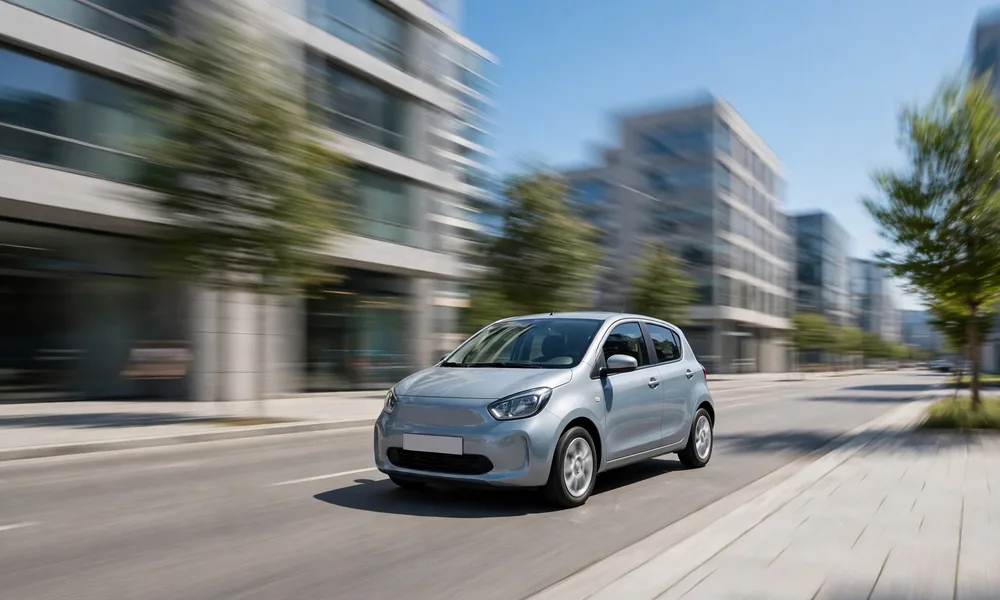
Best Compact Cars Compared
The table below compares the six leading compact cars for first-time buyers on starting price, fuel economy, standard safety equipment, and warranty cover. Prices are approximate starting figures before options.
| Model | Starting price | Fuel economy | Standard safety | Warranty |
|---|---|---|---|---|
| Honda Civic | $24,500 | 36 mpg | Full suite | 3 years / 36,000 miles |
| Toyota Corolla | $23,500 | 50 mpg hybrid | Full suite | 3 years / 36,000 miles |
| Mazda3 | $24,000 | 33 mpg | Full suite | 3 years / 36,000 miles |
| Hyundai Elantra | $22,500 | 35 mpg | Full suite | 5 years / 60,000 miles |
| Kia K4 | $22,000 | 34 mpg | Full suite | 5 years / 60,000 miles |
| Volkswagen Golf | $26,000 | 34 mpg | Full suite | 4 years / 50,000 miles |
The Corolla stands out for fuel economy, while the Elantra and K4 lead on price and warranty length. The Civic offers the best balance of space, refinement, and resale value, and the Golf delivers the most premium feel. If most of your driving is in the city, our guide to the best compact cars for city driving looks at urban-friendly models.
What to Look for Before You Buy
Choosing the right model is only half the job: a few careful steps before signing can save a first-time buyer hundreds or even thousands.
Set a Realistic Budget
Start with your monthly budget, not the sticker price. Add up the finance payment, insurance, fuel, and maintenance, and make sure the total leaves room for everything else. Keep total car costs below 15 to 20 percent of your take-home pay, and remember registration, taxes, and your first service too. If the numbers feel tight, a cheaper model or a nearly new car is smarter than stretching for a top trim level.
Prioritise Safety Equipment
Every car in this guide comes with automatic emergency braking, lane keeping assistance, and a reversing camera: treat those as non-negotiable. Check independent crash test ratings before you buy, and favour cars with strong scores for adult and child occupant protection.
Check Running Costs Carefully
Fuel economy figures are useful, but insurance quotes are the real test. Get quotes for your top three cars before you commit, because premiums can vary surprisingly between similar models, especially for younger drivers. Budget-conscious buyers should also look at electric cars under $30,000, which can cut fuel costs dramatically if home charging is available.

New vs Used: Which Is Smarter for a First Car?
A brand-new compact car brings a full warranty, the latest safety technology, and the peace of mind of knowing how the car has been treated. Finance deals are often attractive, with low interest rates and fixed monthly payments. The downside is depreciation: a new car loses a large share of its value in the first two years.
A used or certified pre-owned compact car can save you thousands, and the biggest depreciation hit has already happened. A two- or three-year-old Civic or Corolla with a full service history is often an excellent buy. The risks are higher, though: hidden wear, incomplete history, and a shorter remaining warranty. Always get an independent inspection and a full history report, and buy from a reputable dealer or a certified programme.
For most first-time buyers, a nearly new car, around two years old, offers the best balance: modern safety equipment at a much lower price than new, often with some warranty remaining. If you buy new, keep the car for at least five years.
First-Time Buyer Checklist
Use this checklist before you commit to any compact car. It takes an hour and can save you from an expensive mistake.
- Set your total monthly budget, including insurance, fuel, and servicing, before visiting any dealer.
- Test drive at least three different models, on roads you actually use every day.
- Get insurance quotes for each shortlisted car before you sign.
- Check independent crash test ratings and confirm the safety equipment is standard, not optional.
- For used cars, order a full history report and pay for an independent mechanical inspection.
- Read the finance agreement carefully, including the total amount payable and early settlement charges.

Frequently Asked Questions
What is the best compact car for a first-time buyer in 2026?
The Honda Civic is the best all-round compact car for first-time buyers in 2026, thanks to its space, safety, fuel economy, and resale value. The Toyota Corolla is best for low running costs, while the Hyundai Elantra offers the best value. Test drive at least three models before deciding.
How much should a first-time buyer spend on a compact car?
Most first-time buyers should aim for a compact car priced between $20,000 and $28,000, keeping total monthly car costs below 15 to 20 percent of take-home pay. A nearly new car can cut the purchase price significantly, but always budget for insurance, fuel, registration, and servicing on top of the finance payment.
Is a hatchback or a sedan better for a first car?
Hatchbacks are usually better for first-time buyers because their shorter body makes parking easier and the large tailgate makes loading bulky items simple. Sedans offer a quieter cabin and a larger separate boot, which suits longer journeys. Our sedan vs hatchback for city driving comparison explains the practical differences.
Should a first-time buyer choose a hybrid compact car?
A hybrid compact car is an excellent choice for a first-time buyer who drives mostly in town, where hybrids save the most fuel. The Toyota Corolla hybrid can return more than 50 miles per gallon in urban driving, and lower fuel bills usually make up the higher purchase price within a few years.
What insurance costs should a first-time buyer expect?
Insurance is often the biggest surprise for first-time buyers, especially younger drivers. A compact car typically costs less to insure than a larger vehicle, but premiums vary widely by age, location, and driving history. Get quotes before buying, consider a higher excess, and ask about discounts for safe driving courses.
Is it better to buy a new or used compact car first?
A nearly new compact car, around two years old, is usually the smartest first purchase, offering modern safety equipment and remaining warranty at a much lower price than new. Buying brand new makes sense if you plan to keep the car for five years or more. Avoid the cheapest used cars without a history check.
The Bottom Line
The best compact cars for first-time buyers in 2026 prove that a first car can be affordable, safe, and enjoyable. The Honda Civic leads for all-round ability, the Toyota Corolla wins on running costs, and the Hyundai Elantra and Kia K4 offer unbeatable value. Set your budget first, test drive at least three cars, check insurance before you sign, and buy the car that fits your real life.