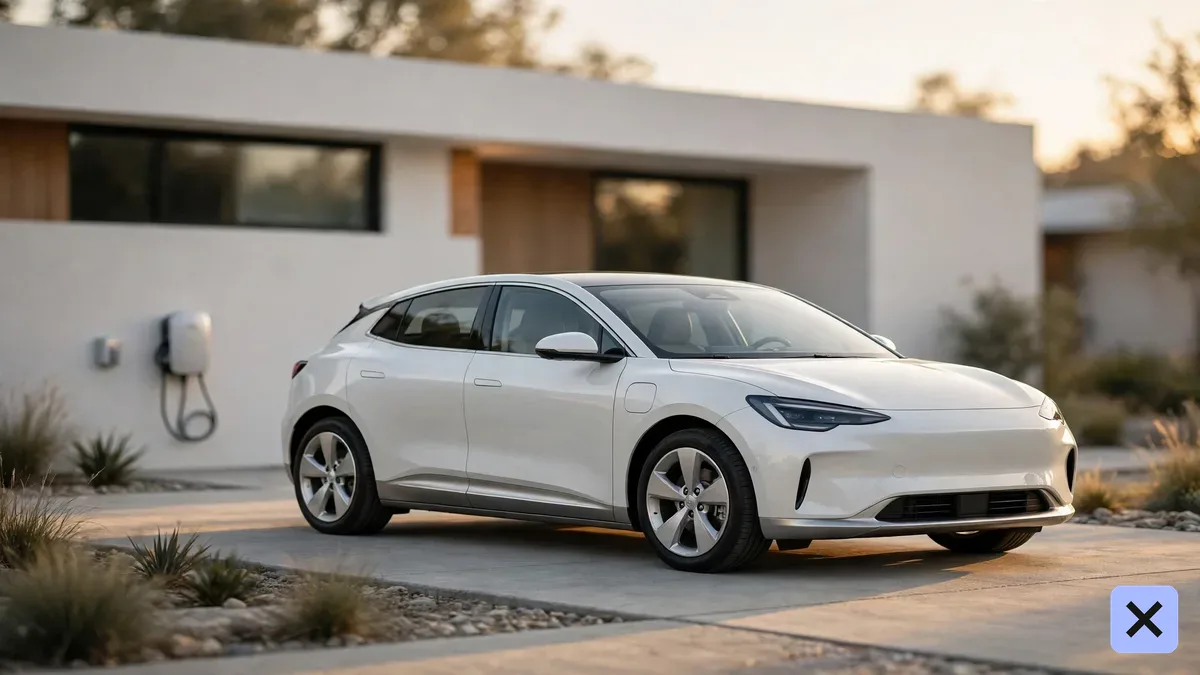
The best electric cars under $30,000 in 2026 are sitting in showrooms right now, and several are genuinely good cars, not stripped-down compromises built to hit a price point. For years, the cheapest electric car worth owning cost well over $35,000. That has changed: battery prices have fallen, and competition at the bottom of the market is finally fierce.
That does not mean every cheap electric car is a good buy. Some cut corners where it matters most: range that shrinks in winter, slow charging that turns a road trip into a chore, and cabins that feel cheap the moment you close the door.
This guide ranks the electric cars that cost under $30,000, or close enough that incentives bring them under that line. Every car here was judged on what matters to a real owner: range, charging speed, running costs, and how well it works as a daily car.
Key takeaways
- The Nissan Leaf is still the cheapest way into a new electric car, starting comfortably under $30,000.
- Range is the biggest difference between models: the best here cover more than 250 miles, the smallest city cars closer to 150.
- Home charging is what makes a cheap electric car cheap to run, so check your charging setup before you buy.
- Several models dip under $30,000 only after tax credits or incentives, so compare the price after incentives, not the sticker price.
- Small electric cars shine as commuters, but the larger models on this list work fine as a household’s only car.
How We Picked the Best Electric Cars Under $30,000
Price was the first filter, but not the only one. A car that costs $29,000 and leaves you stranded is worse than one that costs $31,000 and works every day. We looked for cars that balance price, range, charging speed, safety equipment, and usability.
What Counts as Under $30,000
Very few new electric cars start under $30,000 before incentives; the Nissan Leaf is the clearest example of one that does. Several others start slightly above $30,000 but fall under it once federal or state incentives are applied. Where a car starts above the line, we say so plainly.
The Numbers That Matter Most
Range matters more than anything else at this price, because a small battery is the most common compromise. A car with 150 miles of range is fine for commuting, but it feels tight on a cold winter day. Charging speed matters almost as much: a car that charges at 50 kW takes far longer at a public fast charger than one at 100 kW or more. We also weighed safety features, battery warranty cover, and how the car feels to drive.
The Best Electric Cars Under $30,000 at a Glance
The table below gives a quick view of the shortlist. If you need more space, our guide to the best electric cars for families covers the larger models that work best with kids and cargo.
| Model | Starting price | Range | Fast charging | Best for |
|---|---|---|---|---|
| Nissan Leaf | From $28,140 | Up to 212 miles | Up to 100 kW | Lowest price |
| Mini Cooper SE | From $30,000 | Up to 114 miles | Up to 50 kW | City driving and fun |
| Fiat 500e | From $32,495 | Up to 149 miles | Up to 85 kW | Style and city use |
| Hyundai Kona Electric | From $32,025 | Up to 261 miles | Up to 100 kW | Best all-rounder |
| Chevrolet Equinox EV | From $33,600 | Up to 319 miles | Up to 150 kW | Longest range |
| Volkswagen ID.4 | From $35,000 | Up to 291 miles | Up to 135 kW | Space and comfort |
| Kia Niro EV | From $39,600 | Up to 253 miles | Up to 85 kW | Roomy family hatch |
The Shortlist, Model by Model
Every car below earns its place for a different reason. Match the car to your driving pattern, not to the spec sheet.
Nissan Leaf
The Leaf made affordable electric driving normal, and it is still the cheapest way into a new electric car, with the larger battery version reaching around 212 miles of range. Its weakness is charging: it uses the older CHAdeMO standard, which is becoming harder to find at public stations, so home charging matters more with a Leaf than with any other car here.
Mini Cooper SE
The Mini Cooper SE is the most fun car on this list, and it makes no apology for its small battery. With around 114 miles of range, it is a city car first and a road-trip car almost never. What it gives back is sharp steering, quick responses, and the cheeky character that make a Mini feel special. Buy the Mini if your driving is mostly urban and you can charge overnight.
Fiat 500e
The Fiat 500e is the smallest and most stylish car here. The retro design turns heads in a way no other affordable electric car manages, and the interior is charming, with a clean dashboard and a modern touchscreen. Range sits at around 149 miles, which suits city life and short commutes but rules out regular long journeys.
Hyundai Kona Electric
The Kona Electric is the best all-rounder on this list, and the one we would recommend to the most people. It pairs up to 261 miles of range with a sensible size, a well-built cabin, and a long list of standard safety features. Its starting price sits just above $30,000, but incentives often bring it under the line. The Kona drives quietly and smoothly and charges at up to 100 kW.
Chevrolet Equinox EV
The Equinox EV is the range champion of the affordable class, with up to 319 miles on a charge in its longest-range form. That is a remarkable figure for a car that starts in the low $30,000s. It is also a proper mid-size SUV, with room for five adults and a decent boot, and charging at up to 150 kW keeps public stops reasonably short.
Volkswagen ID.4
The ID.4 is the most comfortable car on this list, with a smooth ride, a quiet cabin, and more rear-seat space than its size suggests. Range reaches up to 291 miles, and fast charging at up to 135 kW makes longer journeys practical. It starts above $30,000, but incentives can close much of the gap, and lease deals often make the monthly cost competitive with much cheaper cars.
Kia Niro EV
The Niro EV is the most expensive car on this list, and it is here because it shows what you get when you stretch the budget. It is a roomy, well-equipped family hatchback with up to 253 miles of range, a generous warranty, and a cabin that feels a class above the price. It charges at up to 85 kW, which is adequate rather than quick. The Niro EV makes most sense if you want an electric car to be your only car.
What $30,000 Actually Buys You in 2026
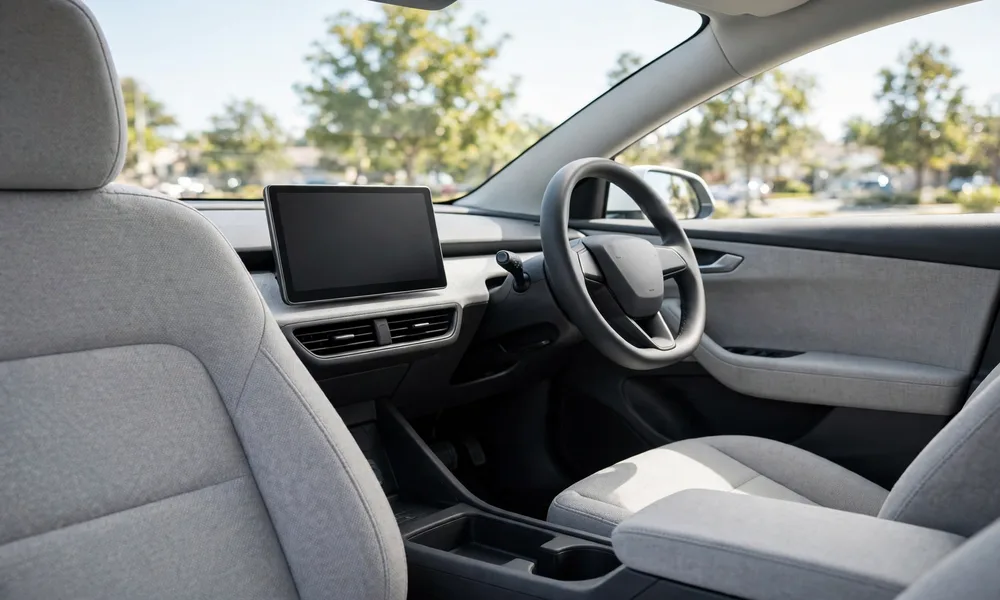
Even the cheapest electric cars now come with a touchscreen, smartphone connectivity, automatic emergency braking, and lane-keeping assistance as standard. What still varies is range, charging speed, and space, and those are the three things to weigh against each other.
Range in the Real World
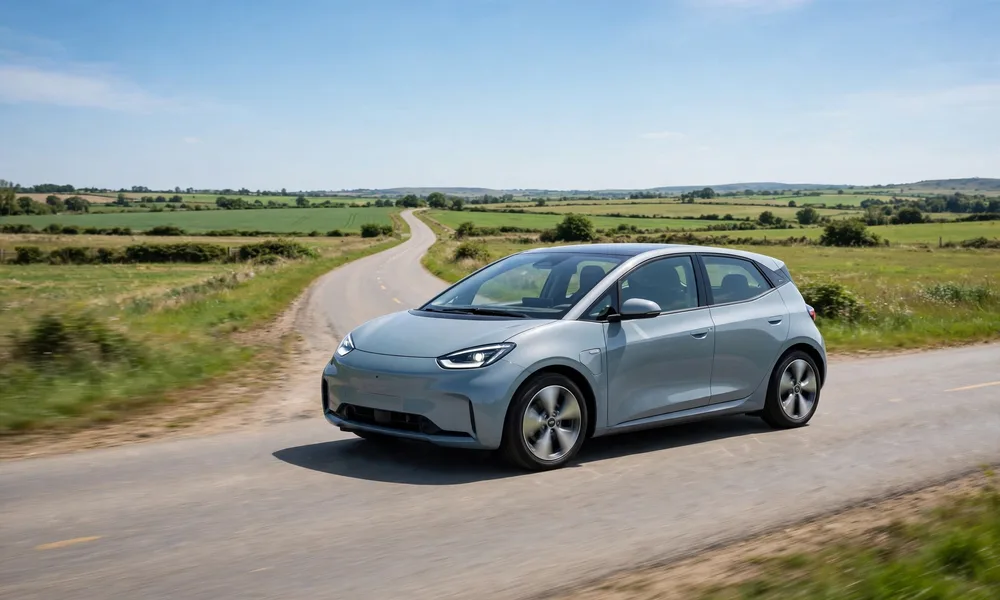
Official range figures are measured in ideal conditions, and real-world range is almost always lower. Cold weather is the biggest factor: a car rated at 200 miles may cover closer to 160 miles in winter. Motorway driving also eats range faster than town driving. As a rule of thumb, buy a car whose official range is at least 30 percent higher than your longest regular journey.
Charging Speed and Home Charging
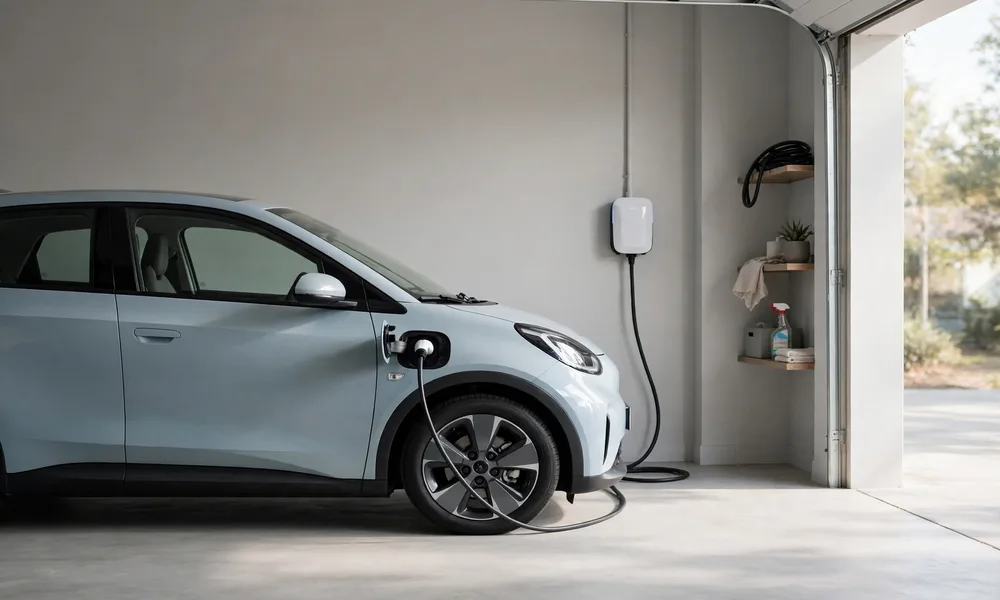
How fast a car charges matters most on long trips, and barely at all the rest of the time. If you can charge at home overnight, you will wake up to a full battery almost every morning. A home wall charger typically adds around 25 miles of range per hour. At a public fast charger, the difference between 50 kW and 150 kW charging is the difference between a 45-minute stop and a 20-minute one.
Running Costs: The Part Nobody Budgets Properly
The purchase price is only half the story. Electric cars cost far less to run than petrol cars, and that gap is what makes a $30,000 electric car cheaper over five years than a $25,000 petrol car. Electricity costs roughly a third of petrol per mile, and home charging on an overnight tariff can cut that further still. Servicing is cheaper too: no oil to change, no exhaust to maintain, and far fewer moving parts to wear out.
Insurance can be higher for electric cars, because batteries are expensive to repair after a crash, so get a quote before you buy. Tyres also wear slightly faster, because instant torque and extra weight put more stress on them. Even so, most owners spend noticeably less per year than they did on a petrol car. For a detailed breakdown, our guide to electric vs petrol cars and which costs less works through fuel, servicing, and insurance side by side. If you are torn between a hybrid and a full electric car, our comparison of hybrid vs electric cars for range explains where each one wins.
Before You Buy: The Checklist
Run through this list before you sign anything.
- Check your charging: Confirm you can charge at home, at work, or at a reliable public charger near home.
- Test the real range: Drive the car on your actual commute and watch how the range behaves.
- Price it after incentives: Ask for the price after every tax credit, rebate, and grant you qualify for.
- Check the battery warranty: Look for at least eight years or 100,000 miles of battery cover.
- Get an insurance quote: Prices vary widely between electric models, so confirm the annual cost first.
- Try the fast charger: Confirm which public charging networks the car can use.
Frequently Asked Questions
What is the cheapest electric car in 2026?
The Nissan Leaf, starting at around $28,140. It is a practical hatchback with up to 212 miles of range in its larger battery form.
Can you get a good electric car for under $30,000?
Yes. The Kona Electric and Equinox EV are genuinely good cars by any standard. The key is matching the car to your driving: a city car with 150 miles of range is excellent for urban use and poor for regular long trips.
How much does it cost to charge an electric car at home?
A full charge at home costs roughly a third of filling a petrol car, and an overnight tariff can cut that further. A typical 60 kWh battery costs around $8 to $12 to charge fully on a standard home rate.
Do electric cars under $30,000 qualify for tax credits?
It depends on where you live and on the specific car, because credits often depend on where the car and its battery were made. Always check the current rules for your area before you buy.
How long do cheap electric car batteries last?
Most electric car batteries are warranted for eight years or 100,000 miles, and in practice they usually last much longer. Degradation is gradual: a car may lose 10 to 20 percent of its range over a decade.
Is a cheap electric car good as an only car?
It depends on the model. The larger cars here, such as the Equinox EV, ID.4, and Kona Electric, work well as a household’s only car. The smaller city cars, such as the Mini Cooper SE and Fiat 500e, are better as a second car or for short, predictable journeys.
The Bottom Line
The best electric car under $30,000 in 2026 is the Hyundai Kona Electric for most buyers, because it balances range, space, charging speed, and price better than anything else at this level. If the lowest price matters most, buy the Nissan Leaf. If range matters most, buy the Chevrolet Equinox EV. And if you want the most fun, buy the Mini Cooper SE. Whichever you choose, check your charging setup first and price the car after incentives.