
Why the Best Flan in 2026 Is All About the Caramel
Why the best flan in 2026 is all about the caramel is a question with a simple answer: the caramel is the first thing you see, the first thing you taste, and the thing that decides whether the dessert feels like a triumph or a chore. A great flan is a moulded egg custard turned out onto a plate, glossy and trembling, with a dark amber sauce pooling around its base. This guide explains what makes a flan great, ranks the best styles in 2026, and shows how to spot the difference between a careful one and a rubbery pretender.
Key takeaways
- The caramel should be dark amber, almost mahogany, with a faint bitterness that balances the sweet custard.
- A great flan is moulded and unmoulded, never served in its dish, which is what separates it from creme brulee and other ramekin custards.
- The custard should be silky and barely set, made with eggs and milk, and it should tremble rather than wobble like jelly.
- Evaporated and condensed milk give Latin-style flan its dense, creamy texture, while cream and whole milk keep Spanish-style flan lighter.
- Flan must be fully chilled before it is turned out, or it will slump, tear, and lose the clean shape that makes it beautiful.
How the best flan was chosen
Every style below was scored on five measures. The caramel comes first: its colour, its bitterness, and whether it flows as a sauce instead of setting into a hard sheet. The custard is second, judged on silkiness, egg flavour, and a set that holds its shape without ever turning rubbery. The mould and release are third, because a flan that tears, sticks, or slumps on the plate has failed at the one thing that defines it. Flavour balance is fourth, meaning the caramel, the custard, and any variation should work together rather than compete. Value is fifth, a fair price for eggs, milk, and the patience of a slow bake and a long chill.
Two notes before the list. First, this guide ranks styles and approaches, not single restaurants, because the same good patterns appear in kitchens everywhere, and what matters is learning to recognise them wherever you eat. The milk matters more than most people expect, and our guide to the best evaporated milk for baking and cooking explains why the canned milks give Latin-style flan its signature density.
Comparison table: the best flan styles in 2026
| Rank | Style | Best for | Watch out for |
|---|---|---|---|
| 1 | Classic Spanish flan | The purest test of caramel and custard | Pale caramel that tastes only of sugar |
| 2 | Flan napolitano | A denser, creamier slice | Too much cream cheese, which turns it heavy |
| 3 | Coconut flan | A tropical, fragrant variation | Sweetened coconut that makes it cloying |
| 4 | Coffee flan | After-dinner coffee drinkers | Bitter coffee that fights the caramel |
| 5 | Cheese flan | A rich, tangy twist | A grainy texture from poor blending |
| 6 | Pumpkin flan | Autumn spice and warmth | Too much spice, which buries the custard |
| 7 | Chocolate flan | Dark chocolate lovers | Cocoa that turns the custard gritty |
The best flan styles in 2026
1. Classic Spanish flan: the purest test of caramel and custard
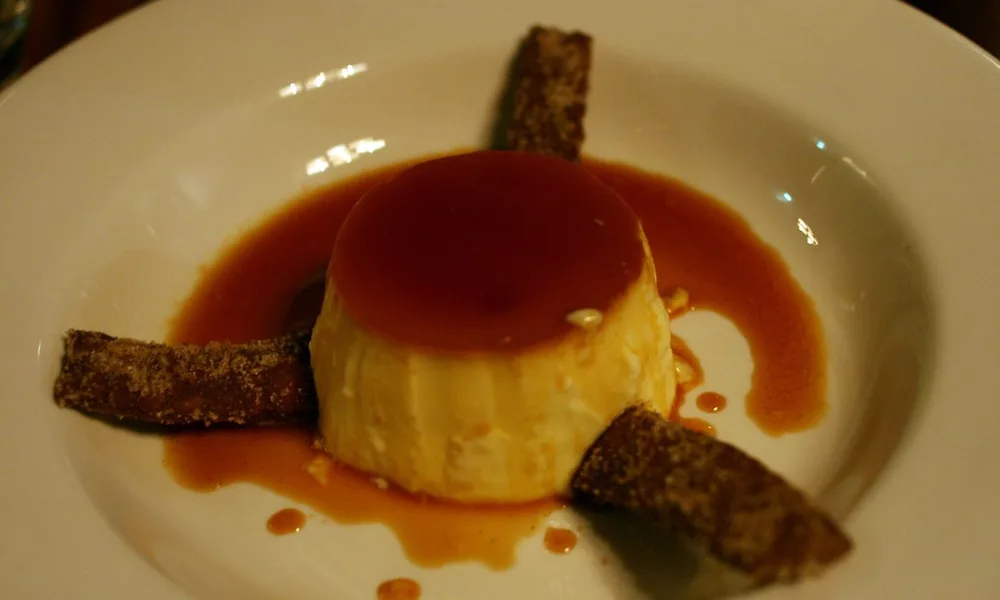
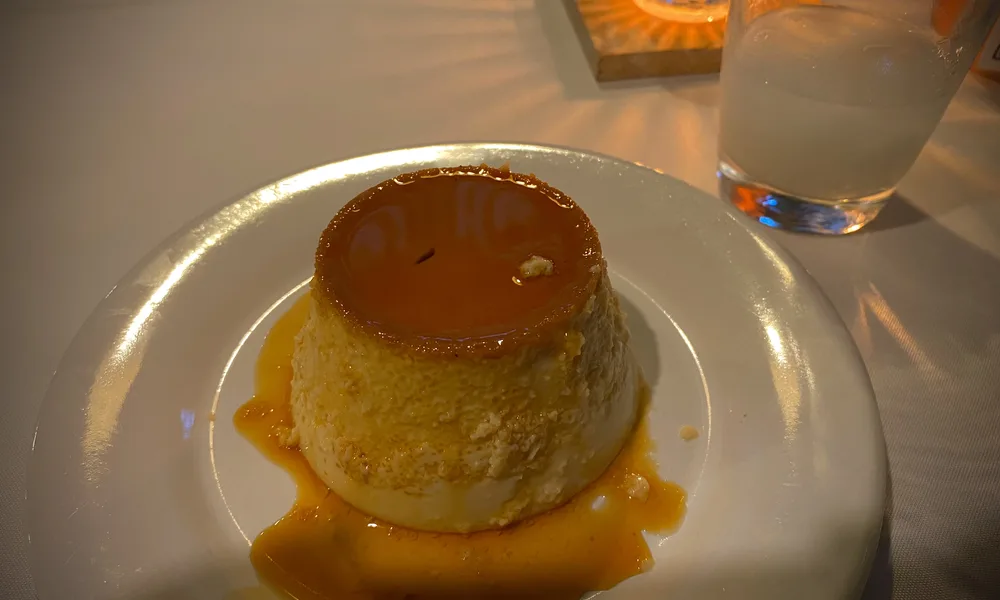
The classic Spanish flan is the best in 2026 for one simple reason: it cannot hide behind anything. Eggs, milk, sugar, and vanilla are the whole recipe, and every shortcut shows. The caramel is cooked until it is dark amber, almost the colour of mahogany, because pale caramel tastes only of sugar, while dark caramel brings the faint bitterness that makes the dessert interesting. The custard is baked gently in a water bath until it is just set, then chilled for hours so it firms up enough to hold its shape. When it is turned out, it should stand clean and glossy, with the caramel running down its sides and pooling on the plate.
2. Flan napolitano: a denser, creamier slice
Flan napolitano is the Mexican variation that most people picture when they think of flan, and it earns second place by being richer without losing the dessert’s character. The difference is the milk: evaporated milk and condensed milk replace some of the fresh milk, and a little cream cheese is blended into the custard. The result is denser, creamier, and slightly sweeter, with a texture closer to cheesecake than to the light Spanish original. The danger is overdoing the cream cheese: too much makes the flan heavy and dull, and it starts to taste like a baked cheesecake with caramel on top rather than a flan at all. The best versions use just enough to add body, keep the caramel dark, and let the custard stay the star.

3. Coconut flan: a tropical, fragrant variation
Coconut flan is the best choice when you want the dessert to taste like somewhere warm. The best versions use coconut milk in place of some of the dairy, and a little toasted coconut on top for texture, so the flavour is fragrant rather than sugary. Sweetened shredded coconut folded into the custard is the common mistake, because it makes the flan cloying and adds a chewy texture that fights the silkiness. The caramel still matters just as much, and coconut pairs well with a slightly darker caramel, because the bitterness balances the coconut’s natural sweetness.
4. Coffee flan: for after-dinner coffee drinkers
Coffee flan is the natural dessert for people who would order coffee anyway. The best versions infuse the milk with whole coffee beans or stir in a shot of strong espresso, so the coffee flavour is deep and rounded rather than sharp. Instant coffee dissolved straight in will do in a hurry, but it leaves a slightly harsh edge that the caramel cannot quite soften. The coffee also changes the custard’s colour to a warm tan, which is fine, but it should never look grey or muddy, which is a sign the coffee was over-extracted or the custard was overbaked.
5. Cheese flan: a rich, tangy twist
Cheese flan is the richest variation in 2026, and it works when the cheese is blended completely smooth. The best versions use a mild cream cheese, beaten into the custard until no lumps remain, so the texture stays silky and the flavour gains a gentle tang. The common failure is graininess, which comes from adding cold cream cheese straight to the eggs or from under-blending, and it ruins the custard’s silkiness completely. Our guide to top silicone moulds for clean releases is worth reading if you bake flan at home, because the mould is half the battle.
6. Pumpkin flan: autumn spice and warmth
Pumpkin flan is the best seasonal variation, and it earns its place by tasting like autumn without turning into a pie. The best versions use a modest amount of pumpkin puree and a light hand with the spice, so the custard stays silky and the pumpkin sits in the background. Too much spice, especially cinnamon and clove, buries the egg custard completely, and the dessert starts to taste like a pumpkin pie filling with caramel on top, which is a fine thing but no longer really a flan. A dark caramel suits it well, because the bitterness balances the pumpkin’s sweetness, and a little whipped cream on the side is the one garnish that genuinely helps.
7. Chocolate flan: for dark chocolate lovers
Chocolate flan works when the chocolate is treated as a guest, not the host. The best versions use a modest amount of dark chocolate melted into the milk, so the custard stays silky and the caramel still speaks underneath. The danger is overdoing it: too much cocoa makes the custard grainy and heavy, and it turns the dessert into a chocolate custard with caramel on top, which is a fine dessert but no longer really a flan. The caramel still matters just as much, and dark chocolate pairs well with a slightly deeper caramelisation, because the bitterness of the chocolate balances the sweetness of the sauce.
What to avoid when choosing flan
The most common flan regret is a rubbery custard, and it is easy to spot before you commit. If the flan wobbles like jelly, springs back when pressed, or has a spongy texture with tiny holes, it was baked too hot or with too many eggs, and it will taste like sweet omelette no matter how good the caramel is. Pale caramel is the second warning sign: if the sauce is light gold and tastes only of sugar, the kitchen was afraid of the dark, and the dessert will be one-note. Watch out for flans drowned in whipped cream or fruit, because those are usually hiding a custard the kitchen does not trust. The same judgement applies to other moulded custards, and our guide to the best rice pudding in 2026 makes a similar point about gentle heat and patience.
Checklist: ordering or making great flan
- Look for dark amber caramel that flows as a sauce, not pale syrup or a hard sheet.
- Press gently: the custard should tremble, not wobble like jelly or spring back like rubber.
- Check the shape is clean and glossy, with no tears or slumps from a rushed unmoulding.
- Chill the flan fully before turning it out, and run a thin knife around the edge first.
- Bake in a water bath at a low temperature, and take it out while the centre still trembles.
- Skip flans buried under cream or fruit, which usually hide a weak custard.
Frequently asked questions
What makes a flan great?
Dark amber caramel with a faint bitterness and a cold, silky custard underneath that holds its shape without turning rubbery.
Why did my flan turn out rubbery?
The oven was too hot or the custard baked too long. Bake in a water bath at a low temperature and take the mould out while the centre still trembles slightly, because it finishes setting as it cools.
How do I get a flan out of the mould cleanly?
Chill it fully, at least four hours and ideally overnight, then run a thin knife around the edge and dip the base of the mould briefly in warm water before inverting it onto the plate. If the caramel was cooked properly, it releases the flan on its own.
What is the difference between flan and creme brulee?
Flan is a moulded egg custard turned out onto a plate, topped with a liquid caramel sauce. Creme brulee is a custard baked and served in its ramekin, with a hard shell of torched sugar on top. They share eggs and caramel, but they are built and served in completely different ways.
How long does flan keep in the fridge?
A flan keeps for three to four days in the fridge, covered, and it is best served cold. The caramel will thin slightly as it sits, which is normal, and the flavour actually improves after a day.
Which milk is best for flan?
Whole milk and eggs make the classic Spanish flan, while evaporated and condensed milk give Latin-style flan its denser, creamier texture. Use full-fat dairy either way, because low-fat milk makes a thin, watery custard that will not set properly.
Bottom line
Why the best flan in 2026 is all about the caramel comes down to balance: a dark, faintly bitter caramel against a cold, silky custard, turned out cleanly from its mould and served with nothing to hide behind. Judge any flan by its caramel and its custard first, and let everything else be a bonus. A flan that trembles, shines, and tastes of caramel before anything else is a flan done right.


