What Is the Best Garam Masala for Home Cooking in 2026?
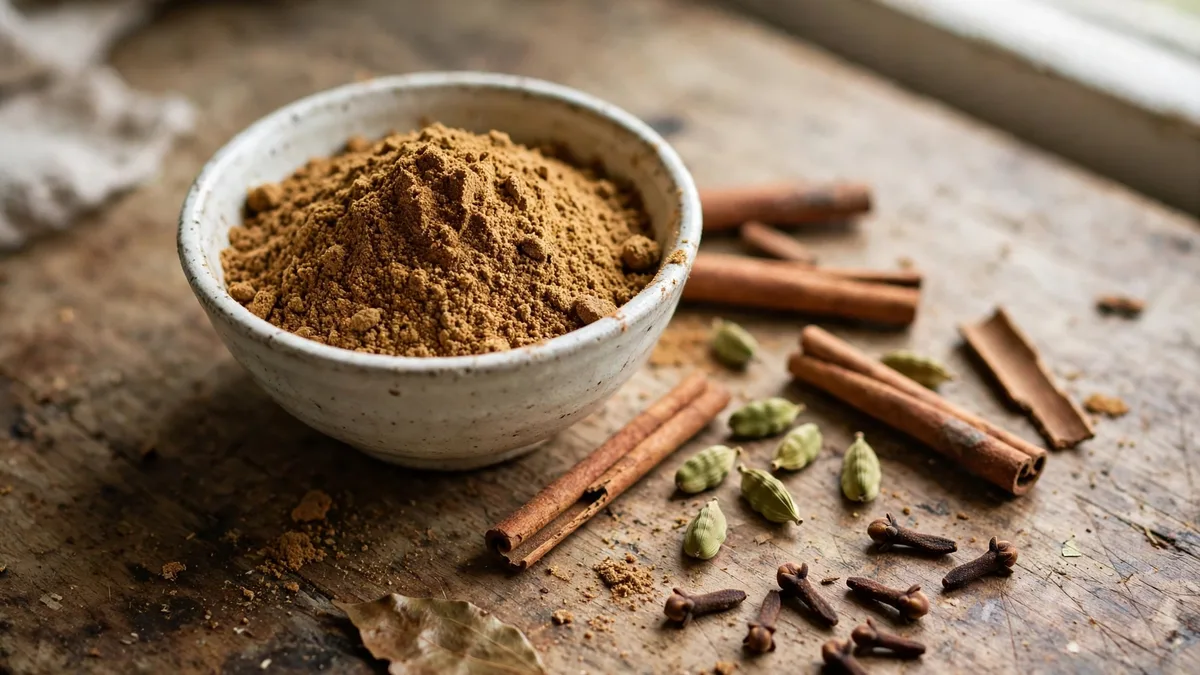
The best garam masala for home cooking in 2026 is the one that smells warm and complex the moment you open the jar, tastes of cinnamon, cardamom and cloves before anything else, and disappears into a curry without leaving a gritty or dusty trace. Garam masala is not a single recipe. It is a family of warm spice blends from across India, and the version that suits a Punjabi dal is not the same one that suits a South Indian vegetable curry. This guide compares the main styles you can actually buy, explains how to judge a jar before you spend money on it, and shows you how to use it so the flavour stays bright.
Key takeaways
- Garam masala is a warm, aromatic blend built on cinnamon, cardamom and cloves, with cumin and coriander underneath — it adds warmth, not heat.
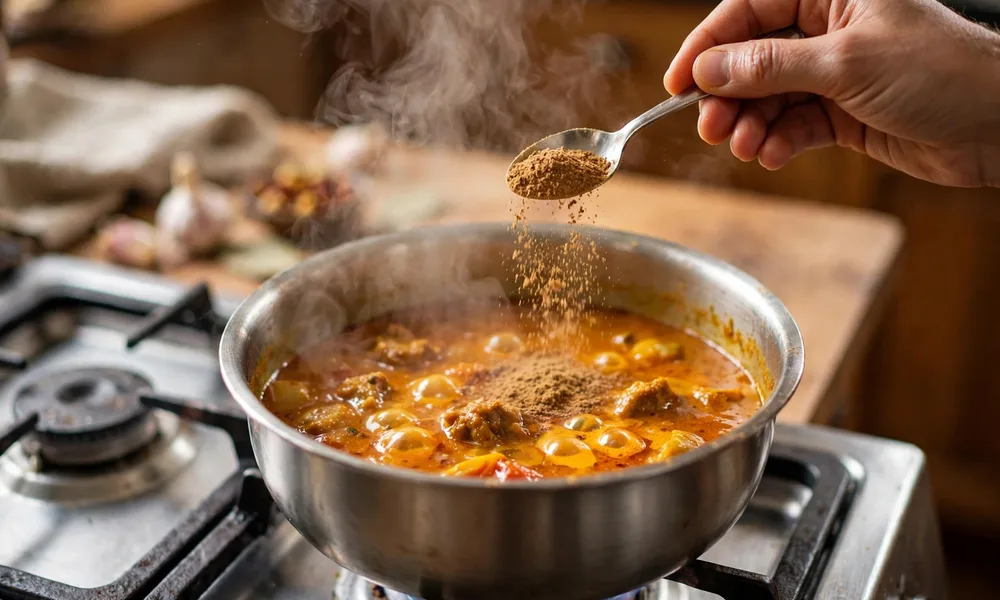
- Add garam masala near the end of cooking, so its bright top notes survive; long simmering dulls it.
- Buy small jars and check the smell first: a good garam masala smells strong from a few inches away.
- Salt should sit well down the ingredient list, and the named spices should lead it; a blend that tastes mostly of salt is a poor blend.
- Whole spices ground fresh beat any pre-ground jar for aroma.
What garam masala actually is
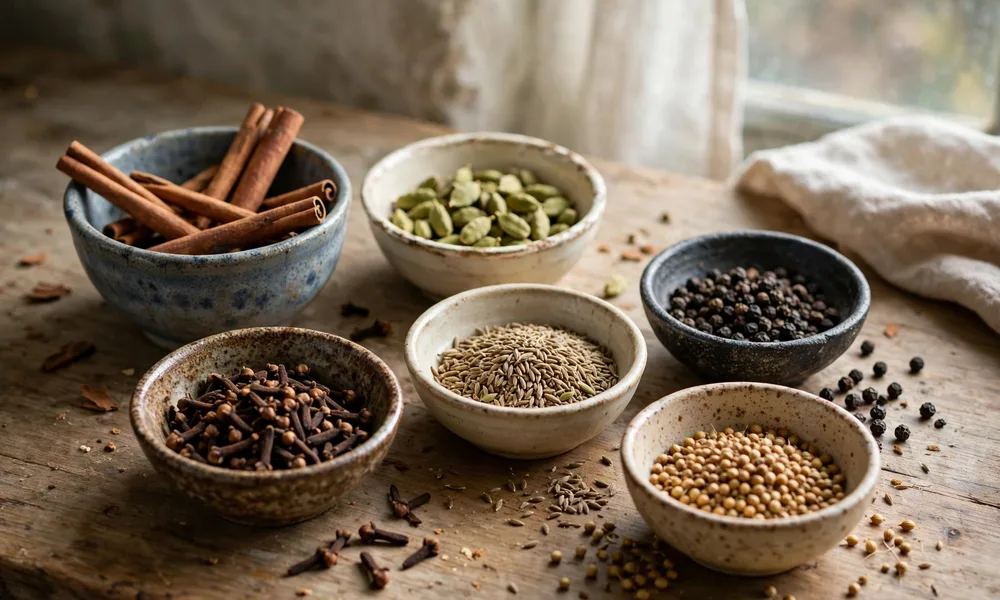
Garam masala means “warm spice mix”, and the name describes what it does rather than what is in it. The blend is built from warming spices — cinnamon, cardamom, cloves, cumin, coriander, black pepper and bay — toasted and ground together in proportions that vary from region to region and from family to family. There is no single official recipe, and that is the point. A Punjabi garam masala leans on cinnamon and cardamom for sweetness and warmth. A South Indian version leans harder on black pepper and dried red chilli for a sharper edge. What they share is the job: garam masala finishes a dish, adding depth and perfume rather than colour or heat.
That job is what separates garam masala from curry powder, and the two are not interchangeable. Curry powder is bolder and earthier, built on turmeric and coriander, and it needs to be cooked in oil at the start so its raw, dusty edge disappears. Garam masala is added late, often in the last five minutes, when its top notes are still bright. A curry made with garam masala alone will taste warm but pale, while one made with curry powder alone can taste flat and one-note. The best home cooks use both: curry powder early for body, garam masala late for aroma. Our guide to the best spice blends covers the wider family.
How the best garam masala was chosen
Every style below was judged on five measures. Aroma comes first: a good garam masala should smell warm and layered the moment the jar opens, with cinnamon and cardamom leading and no single spice shouting over the rest. Flavour balance is second, because the blend should taste warm and rounded in the finished dish, not bitter, dusty or one-note. Freshness is third: ground spices fade within six months, so the best jars are the ones that reach your kitchen quickly and are used up fast. Ingredient quality is fourth, judged on whether the named spices lead the list and whether salt, sugar and anti-caking agents stay in the background. Ease of use is fifth, because a blend that works straight from the jar on a busy weeknight earns its place.
Comparison table: the best garam masala for home cooking 2026
| Rank | Style | Best for | Watch out for |
|---|---|---|---|
| 1 | Punjabi-style garam masala | Everyday curries, dals, roast vegetables | Sweetness can dominate mild dishes |
| 2 | South Indian garam masala | Vegetable curries, peppery dishes | Sharper heat, not for delicate flavours |
| 3 | Whole-spice garam masala kit | Freshest aroma, keen cooks | Needs a grinder and ten minutes |
| 4 | Salt-free garam masala | Cooks who season separately | Easy to overdo, no salt buffer |
| 5 | Mild garam masala | Family meals, children, gentle palates | Can taste flat in bold dishes |
| 6 | Hot garam masala | Slow-cooked meat, rich sauces | Chilli can swamp the warm spices |
| 7 | Budget supermarket garam masala | Everyday cooking, tight budgets | Often stale, sometimes mostly salt |
The best garam masala for home cooking
1. Punjabi-style garam masala: the best all-rounder
Punjabi-style garam masala is the version most home cooks should buy first, because it does the most jobs well. It is built on cinnamon, green cardamom and cloves, with cumin and coriander underneath and a little black pepper for lift. The flavour is warm and slightly sweet, with a perfume that suits dals, chickpea curries, roast vegetables and slow-cooked chicken alike. The sweetness is the thing to watch: in a delicate dish such as a light cauliflower curry, the cinnamon can take over, so start with half a teaspoon and taste before adding more.
2. South Indian garam masala: warmer, pepper-forward
South Indian garam masala trades some of the Punjabi sweetness for black pepper and dried red chilli, and the result is a sharper, more assertive blend. It suits vegetable curries, lentil dishes and anything with coconut, where its peppery edge cuts through richness. The heat is real but not fierce — it warms the back of the throat instead of burning it — and the blend keeps its character in long-simmered dishes better than the milder styles. It is not the best choice for a delicate cream-based curry, where the pepper can feel harsh, but for everyday South Indian cooking it is the right tool.
3. Whole-spice garam masala kit: the freshest aroma
A whole-spice kit is a small bag or box of the unground spices — cinnamon sticks, cardamom pods, cloves, cumin seeds, coriander seeds, peppercorns and bay — that you toast in a dry pan and grind yourself. Toasting wakes up oils that ground spices lose within weeks, so the finished blend smells alive in a way no jar can match. The trade-off is time and kit. You need a spice grinder or a sturdy pestle and mortar, and about ten minutes. Grind only what you need for the week, because even a home-ground blend fades fast.
4. Salt-free garam masala: for cooks who season separately
Many supermarket garam masalas are surprisingly salty, and because the salt is mixed in with the spices, you cannot add more flavour without adding more salt. A salt-free blend solves that problem completely. The catch is that there is no buffer: a heavy hand with a salt-free blend is easier to notice, so measure with a spoon rather than shaking straight from the jar.
5. Mild garam masala: the family-friendly choice
Mild garam masala is made for households where not everyone likes heat, and it is the best choice for family meals and for children. The warming spices are all there — cinnamon, cardamom, cloves and cumin — but the black pepper and chilli are dialled right down, so the blend adds perfume without any bite. The weakness is that it can taste flat in a bold, rich dish such as a slow-cooked lamb curry, where it needs a little help from fresh chilli or extra black pepper to hold its own.
6. Hot garam masala: for slow-cooked meat and rich sauces
Hot garam masala adds dried red chilli and extra black pepper to the classic warm base, and it is built for dishes that can take it: slow-cooked lamb, beef curries, rich tomato sauces and anything with enough fat and time to absorb the heat. The warmth of the cinnamon and cardamom is still there, but it arrives behind a slow chilli burn that builds rather than hits. Used well, it gives a curry depth a mild blend cannot reach; used carelessly, the chilli swamps the warm spices. Start with half the amount you would use of a mild blend, taste, and only then add more.

7. Budget supermarket garam masala: the everyday jar
The cheapest garam masala on the shelf is not a bad buy, but it is a gamble, and the odds depend on freshness. A budget jar from a busy supermarket with fast turnover can be perfectly good: warm, balanced, and a fraction of the price of a specialist brand. A jar from a quiet shelf can be months old, faded and tasting mostly of salt. The defence is the same as for any cheap spice: smell it before you buy if you can, check the date, buy the smallest jar, and use it up within a few months. If it smells faintly of dust and old cardboard, no amount of it will fix a dish, because the flavour that left the jar is not coming back.
What to avoid when buying garam masala
The most common mistake is buying a big jar and keeping it for a year. Ground garam masala fades within six months, and a large jar that sits at the back of the cupboard is a waste of money no matter how good it was on day one. The second mistake is adding garam masala at the start of cooking, where a long simmer dulls it; add it late, or bloom it in hot oil for thirty seconds first. The third mistake is never reading the ingredient list. If salt comes first, or the list is long and full of anti-caking agents and flavourings, the spices themselves are doing less of the work. Cinnamon should be a spice you can taste and name, not a rumour in a salty mix.
Checklist: buying garam masala
- Smell the jar before you buy: a good garam masala smells warm and layered from a few inches away.
- Read the ingredient list: named spices first, salt well down it, no sugar in a savoury blend.
- Buy the smallest jar you will use within six months, and store it cool, dark and airtight.
- Add garam masala in the last five minutes of cooking, or bloom it in hot oil for thirty seconds first.
- Start with half a teaspoon in a new dish, taste, and only then add more.
- Grind whole spices fresh if you cook curry twice a week or more — the aroma is worth the ten minutes.
Frequently asked questions
Is garam masala the same as curry powder?
No. Curry powder is bolder and earthier, built on turmeric and coriander, and it is cooked in oil at the start of a dish. Garam masala is warmer and more aromatic, built on cinnamon, cardamom and cloves, and it is added near the end. The two are not interchangeable.
Is garam masala hot?
A classic garam masala is warm, not hot. It contains black pepper, which gives a gentle lift, but the heat comes from chilli, which most traditional blends contain only in small amounts or not at all.
When should I add garam masala to a curry?
Near the end, in the last five minutes of cooking, so its bright top notes survive. Alternatively, bloom it in hot oil for thirty seconds first.
How long does garam masala last?
Ground garam masala stays at its best for about six months after opening, stored cool, dark and airtight. Whole spices keep for a year or more.
Can I make my own garam masala?
Yes, and it takes about ten minutes: toast cinnamon, cardamom, cloves, cumin, coriander, peppercorns and bay in a dry pan until fragrant, cool them, and grind. Leave the salt out and season the dish separately.
What dishes is garam masala best in?
Dals, chickpea and lentil curries, slow-cooked chicken and lamb, roast vegetables, and rice dishes.
Bottom line
The best garam masala for home cooking in 2026 is a fresh, small jar of a Punjabi-style blend for everyday use, with a whole-spice kit on the shelf for the weekends when you have ten minutes to grind your own. Buy small, smell before you buy, add it late, and replace it every six months.