
A Guide to the Best Gelato in 2026
The best gelato in 2026 is dense, silky and served a little warmer than ice cream, so the flavour arrives the moment it touches your tongue. Gelato is Italy’s answer to ice cream: it is made with milk rather than cream, churned slowly with very little air, and held at a warmer temperature, which is why a scoop feels soft and rich instead of hard and cold. This guide explains how to spot real gelato, ranks the best gelato flavours of 2026, and shows what to look for in a gelateria, so you can tell a shop that makes its gelato fresh from one that buys it in and piles it high.
Key takeaways
- Real gelato is dense and silky, not fluffy or hard, because it is churned slowly with little air worked in.
- Milk, not cream, is the base, so gelato is lower in fat than ice cream but tastes richer because it is served warmer.
- Flat, muted colours are a good sign: bright, glossy gelato is usually coloured and flavoured artificially.
- Flavours should be kept in covered steel trays, not piled in tall, fluffy mounds under bright lights.
- Taste before you buy when you can, and judge the flavour after the cold fades, not on the first spoonful.
How the best gelato was chosen
Every gelato below was judged on five measures. Texture comes first: does the scoop feel dense and silky, holding its shape without being hard, and melting slowly and evenly? Flavour is second, because gelato should taste of the thing it claims to be, whether that is pistachio, hazelnut or vanilla, with no chemical aftertaste. Ingredients are third: milk, sugar and the named flavour should lead the list, with no long tail of syrups, colourings and artificial flavour. Temperature is fourth, because gelato served too cold tastes of nothing, and gelato served too warm turns to soup. Freshness is fifth: a good gelateria makes small batches often, and the flavours on offer change with the season.
Two notes before the list. First, gelato is not sorbet, and it should not be judged like one. Sorbet is dairy-free, fruit-based and icy, while gelato is milk-based, dense and creamy, so the two are foils rather than rivals. Second, no single flavour is the best for everyone, because the same good patterns appear across flavours, and what matters is learning to recognise them for your own taste. A shop that makes a fine pistachio gelato usually makes a fine hazelnut one too, and the same care shows in both.

Comparison table: the best gelato in 2026
| Rank | Gelato | Best for | Watch out for |
|---|---|---|---|
| 1 | Pistachio gelato | Nutty, rich flavour | Bright green colour means dye, not pistachio |
| 2 | Stracciatella gelato | Creamy with chocolate shards | Thick chocolate chunks instead of fine shards |
| 3 | Hazelnut gelato | Deep, toasty sweetness | Flavouring tastes of spread, not nuts |
| 4 | Vanilla bean gelato | Classic, clean flavour | Yellow colour usually means colouring, not vanilla |
| 5 | Dark chocolate gelato | Intense, bitter-sweet depth | Too much sugar hides cheap cocoa |
| 6 | Strawberry gelato | Fresh fruit, creamy finish | Pink dye and flavouring instead of real berries |
| 7 | Lemon gelato | Bright, creamy citrus | Too much milk dulls the lemon |
The best gelato in 2026
1. Pistachio gelato: the best gelato flavour
Pistachio is the flavour that separates a real gelateria from a shop that buys its gelato in. A good pistachio gelato is a muted, earthy green, made from Sicilian pistachios ground into a paste, and it tastes nutty, slightly salty and deeply savoury-sweet. The test is the colour: bright green means dye and flavouring, while the real thing is almost brown-green and looks quiet next to its neighbours. It is also the most expensive flavour to make properly, so a cheap pistachio gelato is almost always a fake. If a shop only lets you taste one flavour, make it this one.
2. Stracciatella gelato: the best classic gelato
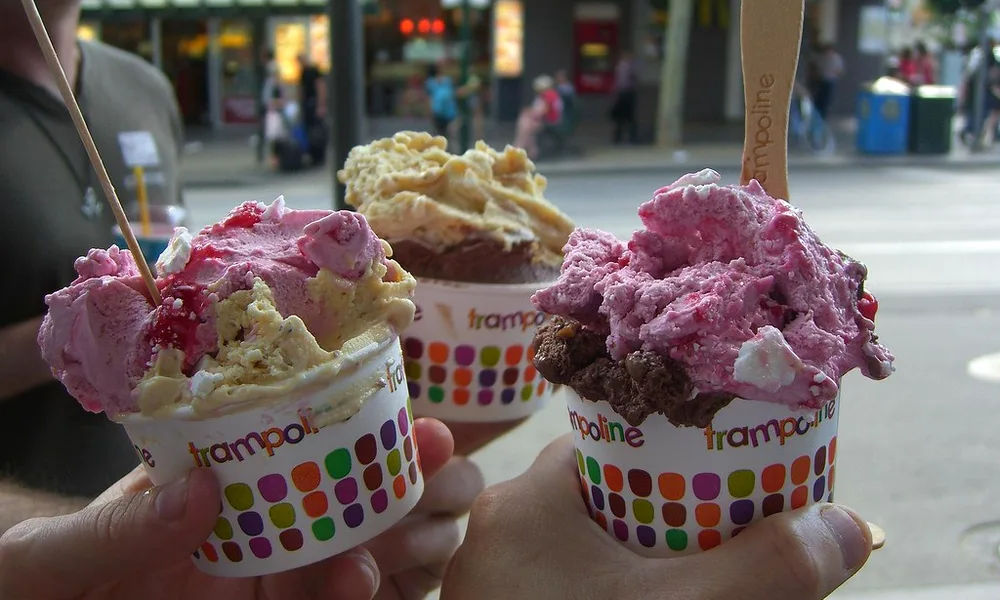
Stracciatella is the oldest gelato flavour still served everywhere in Italy, and the best version is a study in texture. Sweet cream gelato is streaked with fine shards of dark chocolate, poured in as a thin stream while the gelato churns, so the chocolate sets into delicate flakes that melt on the tongue. The failure mode is thick chunks of chocolate, which turn a delicate flavour into a chocolate-chip dessert, or milk chocolate, which is too sweet for the cream. A good stracciatella should taste of cream first and chocolate second, and the shards should crackle very gently as you eat.
3. Hazelnut gelato: the richest nut gelato
Hazelnut gelato, or nocciola, is the warmest flavour on this list. Made from toasted Piedmont hazelnuts, it tastes deep, toasty and almost caramelised, with a sweetness that comes from the nuts themselves rather than from added sugar. The test is the finish: it should taste of roasted nuts, not of chocolate spread or hazelnut flavouring, and it should be a soft, pale brown rather than a glossy tan. Hazelnut is at its best paired with dark chocolate gelato, where the two nutty, bitter-sweet flavours balance each other, and it is the flavour Italians reach for when they want comfort rather than novelty.
4. Vanilla bean gelato: the purest test of a gelateria
Vanilla bean gelato is the simplest flavour and the hardest to fake well. A good one is pale, almost white, flecked with tiny black seeds, and it tastes of real vanilla pods: floral, warm and clean, with a creaminess that comes from the milk rather than from fat. The common failure is a bright yellow gelato that tastes of vanilla flavouring and sugar, with no pods in sight. Vanilla is also the flavour that shows temperature best: served too cold it tastes of nothing, served at the right temperature it tastes of everything. If a shop’s vanilla is good, its other flavours usually are too, which is why it is worth tasting first.
5. Dark chocolate gelato: the most intense gelato
Dark chocolate gelato, or cioccolato fondente, is for people who want depth rather than sweetness. Made with good cocoa and milk, it is dense, dark and intensely chocolatey, with a bitter edge that keeps it from being cloying. The test is the cocoa: cheap cocoa tastes bitter and flat, while good cocoa tastes deep and a little fruity, and the gelato should be smooth rather than grainy. It is the best gelato to pair with a fruit flavour, because the bitterness wakes up the fruit, and it is the one flavour that works as well in winter as in summer. For a coffee version of the same idea, our guide to affogato, espresso over ice cream done right shows how hot espresso transforms a cold scoop.
6. Strawberry gelato: the best fruit gelato
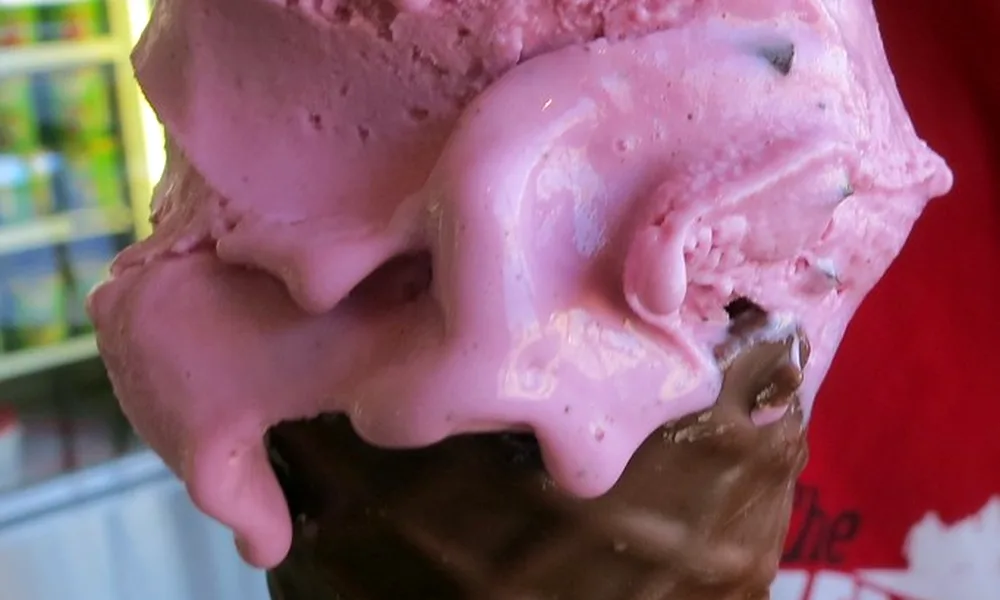
Strawberry gelato is the flavour where milk and fruit meet, and the best version keeps both in balance. Real strawberries give a soft pink colour and a flavour that is sweet, slightly tart and unmistakably of the fruit, while the milk rounds off the sharpness without dulling it. The common failure is a bright pink gelato that tastes of strawberry flavouring, because under-ripe fruit and juice concentrate cannot carry the flavour. Buy strawberry gelato in season when you can, and look for a colour that comes from the fruit itself. Served in a cup with a second scoop of cream gelato, it is the most approachable flavour on this list.
7. Lemon gelato: the brightest gelato
Lemon gelato is the palate cleanser of the gelato world, and the best version is creamy as well as sharp. It should taste of lemon zest as well as lemon juice, with a fragrance that arrives before the cold does, and a texture that is silky rather than icy. The risk with lemon is the milk: too much of it dulls the citrus, while too little turns the gelato into a sorbet, so the balance is the whole skill. A good lemon gelato is best served on its own or with a fruit flavour, where its brightness has room to show, and it is the flavour to choose after a heavy meal.
What to avoid when buying gelato
The most common gelato mistake is trusting the display. Tall, fluffy mounds of gelato piled above the rim of the tray are a warning sign, because real gelato is dense and is kept in flat, covered steel trays, while the mounds are made with air, emulsifiers and stabilisers to look generous. Bright, glossy colours are another warning: pistachio should be muted green, banana should be pale cream, and strawberry should be soft pink. Avoid shops where every flavour is available all year round, because a good gelateria makes small batches and changes with the season. The tools matter too: a clean, flat scoop serves gelato properly, and our guide to the best ice cream scoops explains why the right scoop keeps the texture intact instead of tearing it.
Checklist: buying the best gelato
- Look for flat, covered steel trays, not tall, fluffy mounds piled above the rim.
- Check that the colours are muted and natural, not bright, glossy or neon.
- Taste before you buy when you can, and judge the flavour after the cold fades.
- Ask what is made in-house and what changes with the season, and be wary of a menu that never changes.
- Choose a cup over a cone if you want to taste the gelato itself, and eat it slowly.
- Serve it at gelato temperature, slightly warmer than ice cream, so the flavour has room to show.
Frequently asked questions
What is gelato made of?
Gelato is made from milk, sugar and the named flavour, churned slowly with very little air. It uses milk rather than cream, which is why it is lower in fat than ice cream.
What is the difference between gelato and ice cream?
Gelato is churned slowly with less air, so it is denser, and it is served warmer, so it tastes more intense. Ice cream is churned faster with more air and served colder and harder.
What is the difference between gelato and sorbet?
Gelato is milk-based, dense and creamy. Sorbet is dairy-free and fruit-based, with an icy, bright texture. A good Italian dessert menu will offer both.
Which gelato flavour is best?
Pistachio is the best test of quality, because real pistachio paste is expensive and hard to fake. Stracciatella is the best classic, and hazelnut is the richest.
Why is real gelato not piled high in the display?
Real gelato is dense and kept flat in covered steel trays to protect its texture and temperature. Tall, fluffy mounds are made with air and stabilisers to look generous.
What should I eat with gelato in Italy?
A brioche bun with a scoop inside is the Sicilian way, and a cup with two complementary flavours is the safest choice anywhere. For a classic Italian dessert to follow, our guide to a guide to the best panna cotta for every occasion covers the other great Italian sweet.
Bottom line
The best gelato in 2026 is the one made fresh, in small batches, from real ingredients: pistachio for depth, stracciatella for texture, hazelnut for warmth, and vanilla for honesty. Look for flat trays, muted colours and a shop that changes with the season, taste before you buy, and eat it slowly at the right temperature, and a simple cup of gelato will beat a towering display that was built to be photographed rather than eaten.


