A heating pad beats a hot water bottle in 2026 for one simple reason: it does the job without asking anything of you. Fill a hot water bottle and you get twenty minutes of warmth that fades fast, a bottle that leaks if the stopper is loose, and a trip back to the kettle when it cools. Switch on a good heating pad and you get steady, even heat at the temperature you chose, for as long as you need it, with an automatic shut-off that lets you fall asleep without worry. For sore backs, stiff necks, cramps and cold winter evenings, that difference is not a luxury. It is the whole point.
This is not a case against hot water bottles. They are cheap, silent and useful in a power cut, and for warming a bed they still have their place. But for pain relief and comfort, the modern heating pad has moved far ahead: better fabrics, smarter controls, larger sizes, washable covers and safety features that did not exist a decade ago. Here is why the heating pad wins, where the bottle still holds its own, and how to choose the right pad.
Key takeaways
- A heating pad holds a steady temperature for hours; a hot water bottle starts hot, cools fast and needs refilling.
- Automatic shut-off, multiple heat settings and washable covers make a modern pad safer and easier to live with than a bottle.
- Size matters more than brand: a pad should cover the whole sore area, back, shoulders or stomach.
- A hot water bottle still wins in a power cut, for warming a bed, and for anyone who wants warmth with no cords.
- Never fall asleep on a pad without auto shut-off, and never use one on numb skin, on a baby, or on skin you cannot feel.
Why steady heat matters more than hot heat
The first thing a heating pad does better is the most important: it stays at the temperature you set. Heat relieves muscle pain by relaxing tight tissue and increasing blood flow, and that works best as a gentle, even warmth held for twenty to thirty minutes. A hot water bottle cannot do that: it starts almost too hot to hold, cools within half an hour, and spends most of its life lukewarm. You end up pressing a cooling bottle against a sore back and wondering why the relief faded.
A heating pad also stays where you put it. Wrap-around designs fasten around your waist, shoulder pads drape over your neck, and large pads cover the whole lower back without sliding off. A hot water bottle is a heavy, shifting lump that needs holding in place and only warms the patch it touches. Hands-free heat means you can read, work or rest while it works: the difference between a treatment you use and one that sits in a cupboard.
Then there is effort. A heating pad asks you to press a button. A hot water bottle asks you to boil a kettle, fill a rubber bottle without splashing yourself, check the stopper, wait for it to cool, and repeat the whole thing an hour later. When you are in pain, that effort is exactly what you do not want. Convenience is what makes the difference between using heat therapy properly and not using it at all.
Heating pads compared
Not all heating pads are the same, and the right one depends on where it hurts and how you plan to use it. Here is how the main types compare with the old faithful.
| Type | Heat | Typical cost | Best for | Weakness | Overall |
|---|---|---|---|---|---|
| Standard electric pad | Steady, 3–6 settings | £20–£40 | Back, stomach, aches | Needs a socket | 9.0 |
| XL electric pad | Steady, large area | £35–£60 | Full back, legs | Heavy, less portable | 9.0 |
| Wrap-around pad | Steady, fastened | £30–£55 | Lower back, cramps | One size fits few | 8.5 |
| Weighted pad | Steady, gentle pressure | £40–£70 | Relaxation, sleep | Too heavy for some | 8.5 |
| Microwavable pad | Fades in 20–30 min | £10–£25 | Travel, small areas | Cools fast, uneven heat | 7.0 |
| Hot water bottle | Fades in 20–40 min | £5–£15 | Power cuts, warming beds | Leaks, cools fast | 6.5 |
What a good heating pad actually feels like
A good heating pad feels like nothing at first, and that is the point. You switch it on, choose a middle setting, and within a few minutes a broad, even warmth spreads across the sore area without hot spots or cold edges. The fabric is soft and the heat stays where you set it. After twenty minutes the muscles have loosened, the ache has dulled, and you switch it off or let the timer do it.
That evenness is hard to overstate. Cheap pads heat in patches, with one scorching corner and one cold edge, and people stop using them. A well-made pad uses evenly spaced heating wires and a thick, soft cover so the warmth feels the same everywhere. If you are choosing between two pads, the one with more heat settings and a better cover is almost always the better buy, even if it costs more.

Where a hot water bottle still wins
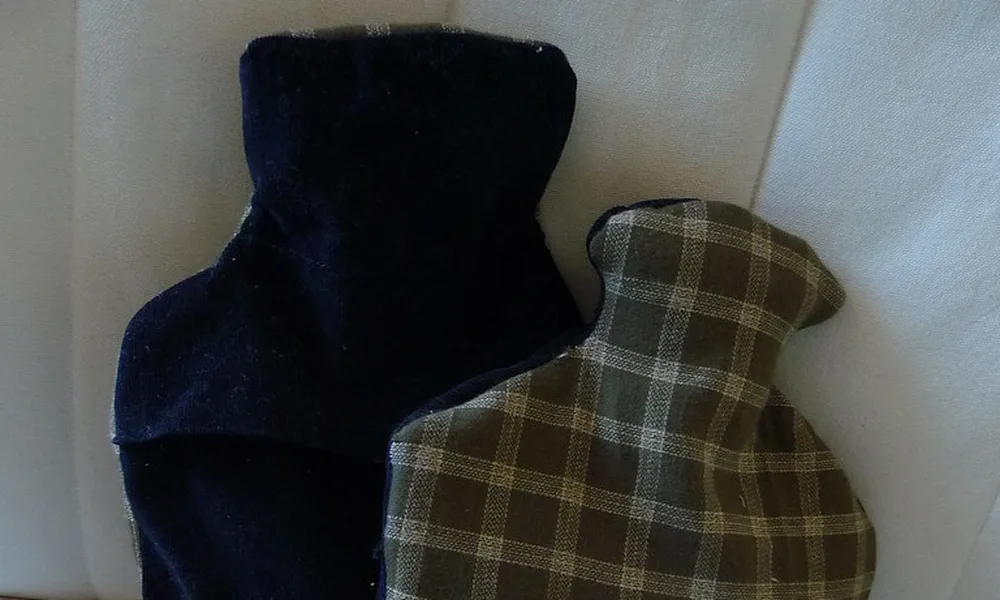
Honesty requires saying where the bottle still earns its keep. In a power cut it is the only heat source here that still works, and that alone justifies keeping one in the house. For warming a bed it is hard to beat: tuck it under the covers ten minutes before bedtime and the sheets are warm when you climb in, with no cord and nothing to switch off.
Some people simply prefer it. A bottle is silent, has no buttons and nothing to go wrong, and for a child with a stomach ache it feels familiar and safe. It is also the cheapest option by a wide margin, and if money is tight, a bottle plus a decent cover is a reasonable start. The case for the heating pad is not that the bottle is useless; for regular pain relief, the pad does the job better, longer and with less fuss.
How to choose the right heating pad
Start with size. A standard pad covers a lower back or a stomach, but shoulders and full backs need an extra-large pad, and a pad that is too small is a pad you will not use. Then look at the controls: at least three heat settings, a timer with automatic shut-off, and a controller you can work without looking at it. A detachable, machine-washable cover is not a luxury; a pad you cannot wash will smell of sweat and dust within a month.
Fabric matters more than most buyers expect. A soft microfleece or plush cover feels kind on sore skin and holds heat evenly, while a thin plastic-feeling cover gets clammy and slides around. Check the cord length too: a short cord ties you to the wall, a long one lets you use the pad on the sofa or in bed. And check the safety marks before you buy. Look for overheat protection, a reputable safety certification, and a brand with a real warranty, not a nameless listing with no address.
If warmth is part of a wider wind-down routine, the pad is only one piece of it. A good night’s sleep needs a comfortable surface as well as warmth, and our guide to the best mattress toppers explains which ones change how a bed feels. For whole-body warmth, a pad pairs well with the best heated blankets, which warm the whole bed rather than one sore spot. And if the goal is deep relaxation, the best weighted blankets offer the same gentle pressure that makes a weighted heating pad so comforting.
Checklist: buying and using a heating pad
- Pick a pad big enough to cover the whole sore area, not just the centre of it.
- Choose at least three heat settings, a timer and automatic shut-off as non-negotiable features.
- Make sure the cover is removable and machine washable before you buy.
- Check for overheat protection and a proper safety certification from a brand with a warranty.
- Use it for twenty to thirty minutes at a time, on top of clothing or the cover, never directly on bare skin at full heat.
- Store it flat or loosely rolled, never folded tight, and inspect the cord and pad for damage each winter.
Mistakes to avoid with a heating pad
The most common mistake is falling asleep on a pad with no automatic shut-off. That is how burns happen: hours of steady heat on one patch of skin, with no one awake to notice. If your pad has no timer, set a separate alarm, and never use it at full heat overnight. The second mistake is using a pad on skin you cannot feel properly, whether from diabetes, poor circulation or medication. If you cannot tell how hot something is, a heating pad is not safe for you without medical advice, and a hot water bottle is no safer.
The third mistake is folding a pad tightly for storage. Repeated sharp folds break the heating wires inside, and a broken wire means a hot spot or a dead pad. Roll it loosely or lay it flat. And the fourth is ignoring damage: a scorched mark, a frayed cord, a sticking controller or a smell of burning means the pad goes in the bin, not back on the bed. A heating pad is cheap enough to replace and dangerous enough not to gamble with.
Frequently asked questions
Is a heating pad safe to sleep with?
Only if it has automatic shut-off, and even then it is better to use it to ease pain before sleep, then switch it off. Never fall asleep on a pad without a timer, never use it at full heat overnight, and never use one on a baby or on skin you cannot feel.
How long should I use a heating pad for?
Twenty to thirty minutes at a time, with a break before using it again. Longer sessions do not help more and raise the risk of burns, especially on the highest setting. Start on a middle setting and turn it up only if you need to.
Can I use a heating pad on my stomach for cramps?
Yes, it is one of the most common and effective uses. A wrap-around or medium pad on a low to middle setting, over clothing or the cover, usually eases cramps within twenty minutes. Stop if the skin becomes red or sore, and do not use heat on a new swollen injury.
Are microwavable heat pads as good as electric ones?
They are useful for travel and small areas, but not as good for regular pain relief. They cool within twenty to thirty minutes, heat unevenly, and need reheating, while an electric pad holds a steady temperature for as long as you need it.
Can I wash a heating pad?
You can wash the cover if it is removable, which is worth checking before buying. The pad itself should never go in a washing machine unless the instructions say so; wipe it with a damp cloth and let it dry fully before using it again.
Why does my hot water bottle cool down so fast?
Because it holds a small amount of water that loses heat to the air and to your body, with no way to replace it. A bottle starts hot and fades within half an hour, which is why it suits warming a bed but not sustained pain relief. A heating pad replaces lost heat continuously: the whole advantage.
The bottom line
For regular pain relief in 2026, a good heating pad beats a hot water bottle on every measure that matters: steady heat, hands-free use, safety features and convenience. Keep a bottle in the cupboard for power cuts and cold beds, but for sore backs, stiff necks and long winter evenings, buy a pad that covers the sore area, shuts itself off, and has a cover you can wash.