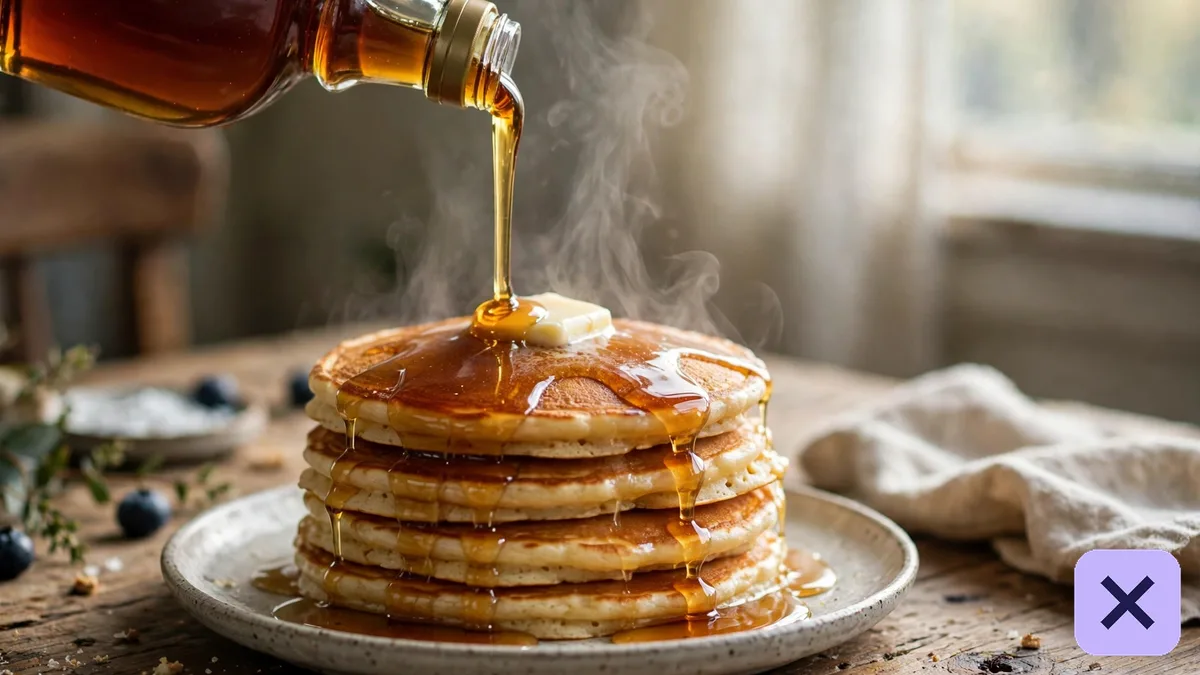
The best maple syrup in 2026 is the one that tastes of the tree it came from. Real maple syrup is not the thick, corn-syrup-based topping that sits beside the pancakes in most diners. It is the boiled-down sap of the sugar maple, gathered in the cold weeks of late winter, with a flavour no imitation can copy: warm and woody, with notes of caramel, vanilla and toasted nuts that change with the season and grade.
Buying good maple syrup used to be simple: there was only one kind in most shops. Today the shelves hold light golden bottles, dark robust jugs, organic labels, and pancake syrups that are not maple at all. This guide explains how maple syrup is made, what the grades mean, which syrup suits pancakes, baking and cooking, and how to tell the real thing from an imitation.
Key Takeaways
- Real maple syrup lists one ingredient: maple syrup. Anything with corn syrup or “maple flavour” is pancake syrup.
- Grades describe colour and flavour, not quality: golden is delicate, amber is balanced, dark is bold, very dark is intense.
- It takes about forty litres of sap to make one litre of syrup, which is why real maple syrup costs more.
- Store opened syrup in the fridge, and warm the bottle gently before pouring.
- Quebec produces most of the world’s maple syrup; Vermont is the heart of American production.
How Maple Syrup Is Made
Maple syrup starts in late winter, when freezing nights and thawing days make the sap run. Producers drill a small hole in the trunk, fit a spout, and hang a bucket or attach tubing to collect the clear, faintly sweet sap. The sap is only about two per cent sugar, and tastes almost like water, so the transformation happens in the sugar shack, where it is boiled in wide, shallow pans until most of the water has evaporated.

That boiling is where the flavour is born: as the sap concentrates, its sugars caramelise gently, and the syrup takes on its amber colour and distinctive taste. It takes roughly forty litres of sap to make one litre of syrup, which is why the season is short, the work intense, and real maple syrup never cheap. Early sap makes the lightest syrup; later sap makes darker syrup with a stronger flavour.
Quebec, Vermont and the Maple Belt
Quebec produces around two thirds of the world’s maple syrup and keeps a reserve that steadies supply in poor years. Vermont is the leading American producer, followed by New York, Maine and New Hampshire. The trees need cold winters and a sharp swing between freezing nights and mild days, which is why maple syrup comes from such a narrow band — and why a changing climate is shifting the season earlier.
Small producers tap by hand and boil in wood-fired evaporators, while larger ones use vacuum tubing and reverse osmosis to remove water before boiling. Both can make excellent syrup; what matters is the care in the boiling and the honesty of the label.
Maple Syrup Grades, Explained
Maple syrup grades were renamed a few years ago. All grades are now called Grade A, followed by a colour and flavour description. The grade does not rank quality; it describes how the syrup looks and tastes, so pick the one that suits your food.
| Grade | Colour and Flavour | Best For | Typical Price |
|---|---|---|---|
| Golden, Delicate Taste | Light gold, mild, subtle maple notes | Drizzling, yoghurt, cocktails, ice cream | Premium |
| Amber, Rich Taste | Medium amber, balanced, classic maple flavour | Pancakes, waffles, everyday use | Moderate |
| Dark, Robust Taste | Dark amber, bold, caramel and woody | Baking, glazes, marinades, coffee | Moderate |
| Very Dark, Strong Taste | Very dark, intense, almost molasses-like | Commercial baking, strong glazes | Budget-friendly |
For most households, amber is the sweet spot: the classic pancake flavour, widely available at a fair price. Golden is a lovely treat for light dishes where you want sweetness without a strong maple punch, and dark is the cook’s choice, because its bold flavour survives heat and holds its own in baking.
Maple Syrup on Pancakes and Waffles
Pancakes and maple syrup are one of the great breakfast pairings, and the syrup deserves as much attention as the pancake. Warm the bottle first in warm water, because cold syrup cools the pancakes and runs off instead of soaking in. Pour slowly, let it pool in the layers, and add more as you go rather than drowning the stack.

The grade matters here: an amber syrup is the classic choice for pancakes, with enough flavour to stand up to butter and batter without overpowering them. A golden syrup is lighter and suits thinner pancakes and crepes. A dark syrup works well on wholegrain pancakes and waffles, where crisp edges and deep pockets hold it beautifully. If you make waffles at home, our guide to the best waffle makers of 2026 covers the machines that get the crisp outside and fluffy inside that maple syrup deserves.
How Much Syrup Do You Need?
Allow two to three tablespoons per person for a stack of pancakes, roughly a third of a cup for a family of four. A 250 millilitre bottle covers about four breakfasts; a 500 millilitre bottle covers a fortnight of weekend pancakes. Because real maple syrup is a premium product, pour it properly rather than flooding the plate, and put a small jug on the table.
Cooking and Baking With Maple Syrup
Maple syrup is far more versatile than its pancake reputation suggests. In baking, it replaces sugar with a richer flavour and a little extra moisture, and works well in muffins, banana bread, flapjacks and gingerbread. Use three quarters of a cup of maple syrup for each cup of sugar, reduce the other liquid slightly, and lower the oven by around ten degrees, because, like honey, it browns faster than sugar.
In savoury cooking, dark maple syrup is the grade to reach for. Brushed over roasted squash, carrots or sweet potatoes, it caramelises into a sticky glaze. Mixed with soy sauce and garlic it makes a quick marinade for salmon or chicken, and whisked with mustard it makes a dressing for bitter leaves and grain salads. A spoonful in baked beans or a chilli adds depth without obvious sweetness, and a drizzle over roast ham in the final minutes gives a glossy finish.
Maple syrup also works in drinks: a spoonful in coffee adds gentle sweetness, and it dissolves easily in warm milk. Try it in warm oat milk with a pinch of cinnamon; our guide to the best golden milk of 2026 covers the spiced milk drinks that pair beautifully with a touch of maple. Our roundup of the best oat milk of 2026 lists the ones that froth and heat well with a spoonful of syrup stirred in.
Real Maple Syrup vs Pancake Syrup
The bottle most people grew up pouring on pancakes is usually not maple syrup. Pancake syrup is typically corn syrup flavoured with a little maple extract, coloured brown, and sold in a traditional-looking bottle. It is sweet and pours well, but it has none of the complexity of real maple syrup, and is made in a factory rather than a forest.
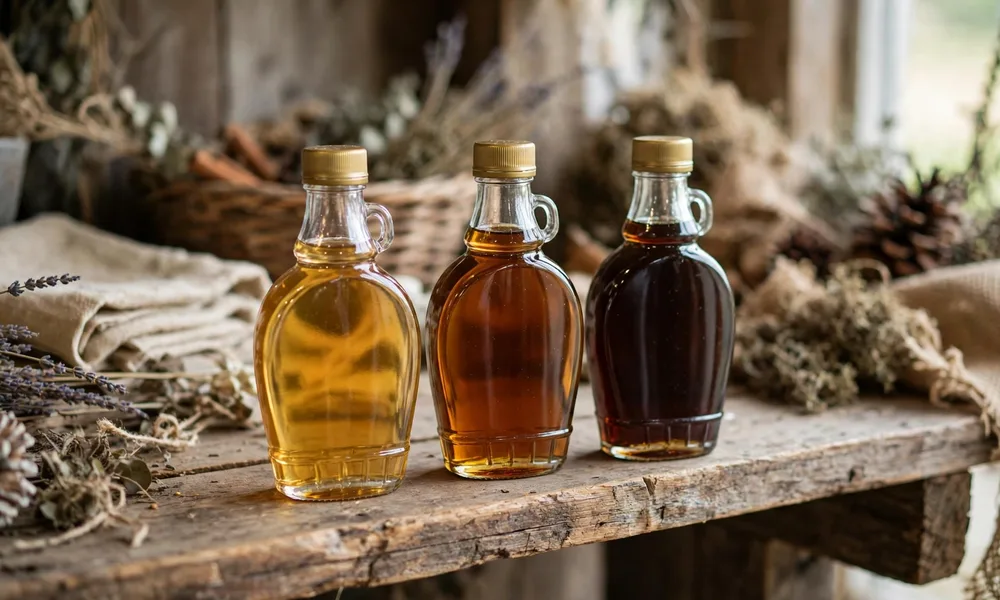
Telling them apart is easy. Real maple syrup lists a single ingredient, maple syrup, and names the grade and the place of origin. Pancake syrup lists corn syrup first, followed by flavourings, colouring and preservatives. Real maple syrup is thinner than pancake syrup, which is thickened to cling, and costs several times more per litre, because forty litres of sap go into each litre. A suspiciously cheap, large, endlessly shelf-stable bottle is almost certainly an imitation.
That does not make pancake syrup a bad product: it is cheap, consistent and familiar, and children often prefer its simple sweetness. But it is a different food from maple syrup, and the two should not be confused. If you want the taste of the maple forest, the real bottle is the only one that delivers it.
How to Store Maple Syrup
Unopened maple syrup keeps for years in a cool, dark cupboard; once opened, it belongs in the fridge. Unlike honey, it contains enough water for mould to grow on the surface if left warm, and a fuzzy patch on an opened bottle is common in cupboard-stored bottles. Refrigeration keeps it fresh for a year or more after opening.
If mould appears, the syrup is not necessarily ruined: skim it off, bring it to a gentle boil, and pour it into a clean container. Many people simply replace the bottle. Freezing is another good option: maple syrup does not freeze solid, so you can keep a bottle in the freezer and pour from it directly.
Maple Syrup Buying Checklist
- Read the ingredients: real maple syrup lists one ingredient only; pancake syrup lists corn syrup first.
- Pick the grade for the job: golden for delicate dishes, amber for pancakes, dark for baking and glazes.
- Choose a named origin, ideally Quebec or Vermont, from a producer that states its source.
- Buy the size you will use within a few months of opening; opened syrup needs the fridge.
- Check the price: real maple syrup is a premium product, and a very cheap bottle is a warning sign.
- Store opened syrup in the fridge, and warm it gently in warm water before pouring over pancakes.
Frequently Asked Questions
What is the difference between maple syrup grades?
Grades describe colour and flavour, not quality: golden is light and delicate, amber is medium and balanced, dark is bold and caramel-like, very dark is intense and strong. Amber is the best all-rounder for pancakes, golden suits light dishes, and dark suits baking and savoury cooking.
Is maple syrup healthier than sugar?
Maple syrup contains small amounts of minerals like manganese and zinc, and antioxidants white sugar lacks, but it is still concentrated sugar, with about sixty calories per tablespoon. It is a slightly better choice than refined sugar, but it should still be used in moderation, like any sweetener.
Why is real maple syrup so expensive?
It takes about forty litres of sap to make one litre of syrup, the sap only runs for a few weeks each year, and the boiling is labour intensive. Most supply comes from a narrow region of eastern Canada and the north-eastern United States, so the price reflects genuine scarcity and hard seasonal work.
Does maple syrup go bad?
Unopened, it lasts for years in a cool cupboard. Once opened, it can grow mould if kept warm, because it contains more water than honey. Keep opened syrup in the fridge, where it lasts a year or more, or freeze it. If mould appears, skim it off and boil the syrup before using it, or simply replace the bottle.
Can I use maple syrup instead of honey?
Often, yes. Maple syrup and honey can be swapped measure for measure, though the flavour changes: maple brings warm, woody caramel notes where honey brings floral sweetness. Maple syrup is thinner, so it pours more easily, and it is vegan. In baking, both need the same adjustments to liquid and oven temperature.
What is the best maple syrup for pancakes?
Amber, rich taste maple syrup is the classic pancake choice, with the balanced flavour of a proper pancake breakfast. Warm the bottle before pouring so the syrup flows and soaks into the stack, and use two to three tablespoons per person rather than flooding the plate.
The Bottom Line
The best maple syrup in 2026 is a genuine Grade A syrup that names its origin and its grade, chosen for the job at hand. Keep amber for pancakes and waffles, dark for baking and glazes, and golden for a delicate touch. Read the label, skip the corn-syrup imitations, store the opened bottle in the fridge, and warm it before you pour. Real maple syrup costs more than the imitation, but a little goes a long way, and no flavoured syrup has copied the flavour of a real sugar maple forest.


