
How to Choose Marshmallows That Toast Evenly in 2026
The best marshmallows in 2026 are the ones that toast to a golden, crackling shell and melt into a soft, sweet centre without catching fire or sliding off the stick. They turn a campfire, a mug of cocoa, or a tray of brownies into something worth gathering around. Marshmallows look simple, and in a way they are: whipped sugar, gelatine, and air. But the difference between a great marshmallow and a disappointing one is real, and it shows up the moment heat touches it. This guide looks at what makes a marshmallow worth buying, which sizes suit which uses, and how to pick a bag that toasts, melts, and holds its shape.
Marshmallows wear more hats than most sweets. They roast over open fires, float on hot chocolate, bind rice-crispy treats, top sweet potatoes, and fill s’mores. Because they do so many jobs, the first decision is not which brand to buy but which size and style you need. A large marshmallow built for roasting behaves very differently from a mini one made for melting, and buying the wrong bag is the most common marshmallow mistake of all.
5 Key Takeaways
- Great marshmallows toast golden and evenly, with a crisp shell and a soft, melted centre.
- Large marshmallows are for roasting; minis are for melting into cocoa and baking.
- Vanilla should be the leading flavour, with no chemical or overly sweet aftertaste.
- Gelatine-free marshmallows exist for vegetarians, but they toast and melt differently.
- Store marshmallows airtight at room temperature, away from heat and humidity.
What Good Marshmallows Feel Like
Texture is the first test, and it tells you almost everything about how the marshmallow was made. A good marshmallow springs back when you press it gently, feels soft rather than rubbery, and has a fine, even surface without cracks or dry patches. Marshmallows are mostly air, and a good one feels like it: light in the hand, with a soft give that promises a gentle melt.
Flavour is the second test. A good marshmallow tastes of vanilla first, with a clean sweetness that fades quickly rather than clinging to the tongue. The best ones use real vanilla and a short ingredient list, and they taste like a sweet in their own right rather than like flavoured sugar. When a marshmallow tastes only sweet, or leaves a faintly chemical aftertaste, the maker has leaned on flavouring and syrup to do the work that vanilla and careful whipping should have done.
Colour is the third clue. A good white marshmallow is bright and even, without yellowing or grey patches, which usually mean age or poor storage. Pink and pastel marshmallows should be soft in colour rather than neon bright, which is a sign of heavy colouring.

Large, Mini and Everything Between
Large marshmallows are the roasting classic, and the ones most people picture when they think of a campfire. They sit securely on a skewer, toast slowly enough to control, and develop a golden shell while the inside turns to liquid. Look for large marshmallows that are firm enough to hold their shape on a stick and even enough in size that they toast at the same rate. Uneven pieces mean one side burns while the other stays cold, which is the fastest way to ruin a round of roasting.
Mini marshmallows are the melting workhorse. They disappear into hot chocolate in seconds, fold evenly into rice-crispy treats, and scatter neatly over sweet potatoes and brownies. A good mini is soft, evenly sized, and free of clumps, so it melts rather than sitting in a lump at the bottom of the mug. Because minis are small, they stale faster than large ones, so buy them in bags you will finish quickly and keep them sealed between uses.
There are other styles worth knowing. Jumbo marshmallows are oversized roasting pieces that take longer to toast and suit long evenings around the fire. Gelatine-free marshmallows, made with agar or other plant gelling agents, suit vegetarian and vegan households, though they tend to toast faster and melt softer, so watch them closely over the fire.
Marshmallows Compared
| Style | Best for | Toasting | Keep |
|---|---|---|---|
| Large | Roasting, s’mores | Slow, golden, even | Airtight, weeks |
| Mini | Cocoa, baking, treats | Melts in seconds | Sealed, use quickly |
| Jumbo | Long fires, sharing | Slow, needs patience | Airtight, weeks |
| Gelatine-free | Vegetarian, vegan | Faster, softer melt | Cool, dry, sealed |
How to Judge a Bag Before You Buy
The label is the best tool you have in the shop. Check the ingredient order first: sugar, glucose syrup, water, gelatine, and vanilla should lead, and the list should be short. A long list of flavourings and colourings is a warning, and so is a bag that lists flavouring before vanilla. The best makers print a short, honest list, and that is rarely an accident.
Look at the bag itself. The marshmallows inside should be evenly sized, evenly coloured, and free of clumps or sticky patches. A bag that feels rock hard has probably been stored badly or for too long, while one that feels damp may have been kept somewhere humid. Price is a useful signal too: real vanilla costs more than flavouring, so the cheapest bag is rarely the best value. Buy the smallest bag from a maker with a short ingredient list, taste it at home, and let that decide whether you buy bigger next time.
Toasting Marshmallows Without Burning Them
Good toasting is mostly patience. Hold the marshmallow at the edge of the flames, not in them, and turn it slowly so every side gets the same heat. The goal is a golden, crackling shell with a centre that has gone completely soft. If the marshmallow catches fire, blow it out at once and let the burnt shell cool for a few seconds: the inside is often still good, and the charred layer peels away. A marshmallow held too close to the flame will blacken on the outside while staying cold inside, which is the most common roasting mistake.
The stick matters as much as the fire. A long, sturdy skewer keeps your hand away from the heat and holds the marshmallow steady while it softens. Wooden sticks should be clean and free of bark, and metal skewers should have a handle that stays cool. Never roast marshmallows over a fire that is still flaring from lighter fluid or treated wood, since the fumes spoil the flavour and are not safe to eat around. Wait for the flames to settle into glowing coals, which give steady, even heat.
For s’mores, timing is everything. Toast the marshmallow first, then press it between the biscuits while it is still hot, so the heat melts the chocolate without any extra cooking. A square of chocolate on the biscuit before the marshmallow goes on melts just enough to hold everything together. If the marshmallow has gone too soft to lift, slide it off the stick with the top biscuit rather than pulling it, which keeps the whole stack intact.
Where Marshmallows Earn Their Keep
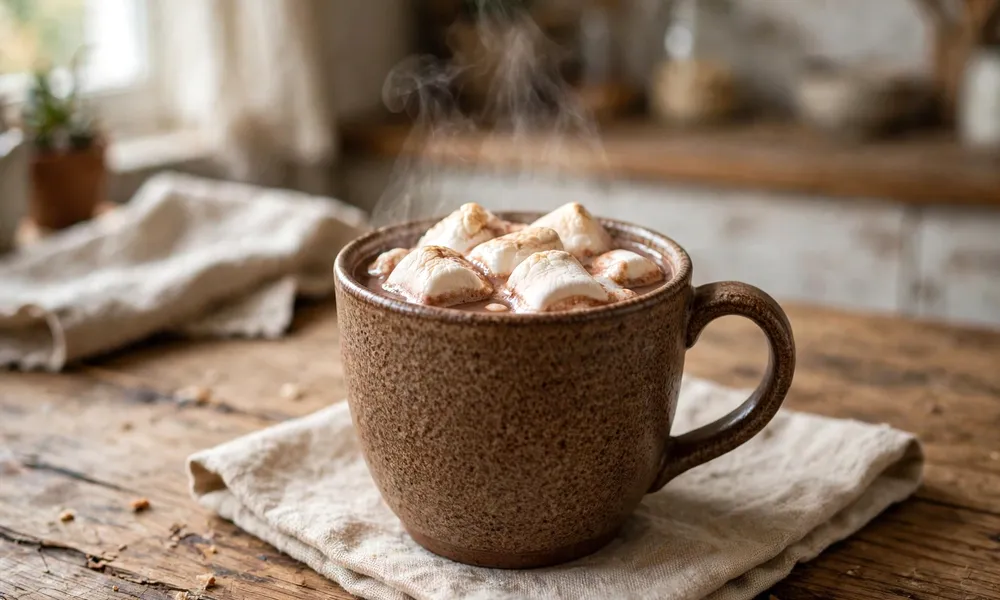
Marshmallows are at their best when they are allowed to be the star, and a few uses show them off better than others. Over a campfire, a well-toasted marshmallow is the whole point of the evening, and the difference between a golden shell and a burnt one is the difference between a memory and a mess. In hot chocolate, minis melt into a sweet, creamy layer that turns a plain drink into a treat, which is why our guide to the best hot chocolate treats marshmallows as the finishing touch. On a pavlova, a few toasted marshmallows add a soft, chewy contrast to the crisp meringue, and our guide to the best pavlova shows how the two textures work together.
In baking, marshmallows are a binder and a topping at once. Folded into rice-crispy treats, they hold the cereal together while staying soft for days. Torched on top of a brownie or a sweet potato casserole, they form a golden crust that cracks under the spoon. In the wider sweet aisle, marshmallows are one of the few sweets that are judged as much on texture as on flavour, which is why they earn a mention in our comparison of the best and worst candies, where soft, honest sweets beat neon, syrup-heavy ones. And eaten straight from the bag, a good marshmallow needs nothing else at all.
Storing Marshmallows So They Stay Soft
Good marshmallows deserve good storage. Keep them in an airtight container or a tightly sealed bag at cool room temperature, away from heat, sunlight, and humidity, where they will stay soft for several weeks. Once a bag is open, press out the air before sealing it, since air dries marshmallows out faster than anything else. If they do go firm, a few seconds in the microwave or a minute in a warm oven softens them again, though they will never be quite as springy as a fresh bag. Keep them away from strong smells, and never store them in the fridge, where the cold firms them up.

Your Marshmallow Checklist
- Press gently: a good marshmallow springs back and feels light, not dense or rubbery.
- Vanilla leads the flavour, with no chemical aftertaste.
- Large for roasting, minis for melting, jumbo only for long fires.
- Pieces are evenly sized and coloured, with no clumps or sticky patches.
- Label is short, with vanilla listed before any flavouring.
- Buy the smallest bag first, taste it at home, then buy bigger.
Marshmallow FAQs
What is the difference between large and mini marshmallows?
Large marshmallows are built for roasting: they hold on a skewer, toast slowly, and develop a golden shell. Minis are built for melting: they disappear into cocoa and fold evenly into baking. They are the same sweet in different sizes, chosen for different jobs.
Why do my marshmallows catch fire?
Marshmallows catch fire when they are held in the flames rather than at the edge of them. Hold yours over glowing coals, turn it slowly, and keep it moving. If it does catch, blow it out at once: the inside is usually still good.
How long do marshmallows last?
In a sealed bag at cool room temperature, marshmallows last several weeks. Once opened, they dry out within days if the bag is left open, so press out the air and seal them tightly after every use.
Can you freeze marshmallows?
Yes. Marshmallows freeze well in sealed bags for up to three months. Let them come fully to room temperature before eating or roasting, since frozen marshmallows toast unevenly and stay cold inside.
Are there vegetarian marshmallows?
Yes. Gelatine-free marshmallows use plant gelling agents such as agar instead of gelatine. They suit vegetarian and vegan diets, though they tend to toast faster and melt softer, so watch them closely over the fire.
What is the best use for stale marshmallows?
Melt them down for rice-crispy treats, where stale marshmallows work just as well as fresh ones. They also melt fine into hot chocolate, though they will not roast well.
The Bottom Line
The best marshmallows in 2026 toast golden, melt smooth, and taste of vanilla before they taste of sugar. Buy large for the fire and minis for the mug, read the label before the price, and choose the smallest bag from a maker who lists real vanilla first. Do that, and every marshmallow will be worth the wait.


