
The best millet for weeknight grain bowls in 2026 is the one that matches the bowl you are actually building. Millet is an ancient grain, a humble staple in Africa and Asia for thousands of years, and a health-food curiosity in the West. Cooked well, it is fluffy and nutty, holds its shape under roasted vegetables and sauces, and costs a fraction of quinoa.
The catch is the same one that trips people up with every old grain: the bag matters. Pearl, finger and foxtail millet look alike on the shelf, cook at different speeds, and behave differently in the bowl. This guide covers what millet is, how the three main types differ, how to cook each one, and where it earns its place in your pantry.
Key Takeaways
- Pearl millet is the best all-rounder for grain bowls: fluffy, nutty and ready in about 25 minutes.
- Finger millet is the most nutritious of the three, rich in calcium and iron, but it cooks darker and denser.
- Foxtail millet is the quickest, cooking in 15 to 20 minutes, and the closest in texture to rice.
- Millet is naturally gluten-free, so it is safe for coeliac diets where wheat grains are not.
- A cooked cup gives about 200 calories, 6 grams of protein and 2 grams of fibre, with useful magnesium and B vitamins.
What Millet Actually Is
Millet is not one grain but a family of small-seeded grasses, grown for thousands of years in dry climates where rice and wheat struggle. Pearl millet feeds millions across India and sub-Saharan Africa. Finger millet, also called ragi, is a staple in southern India and East Africa. Foxtail millet has been grown in China for even longer, and it is the type most often sold in Western supermarkets.
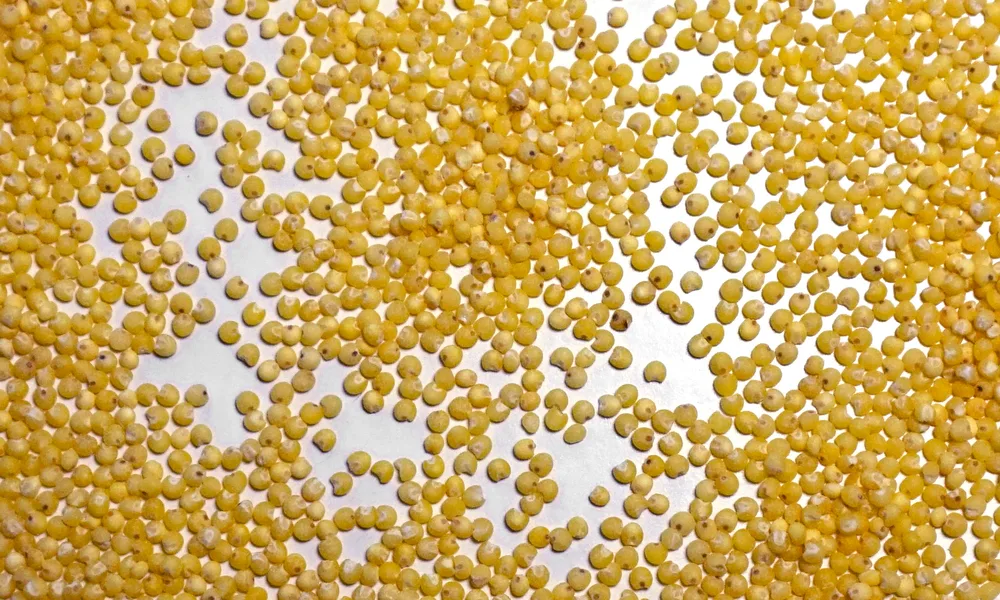
The grain itself is tiny, round and pale yellow in the pearl and foxtail types, and dark reddish-brown in finger millet. Cooked, it tastes mild, slightly sweet and nutty, with a texture between couscous and quinoa: separate grains when cooked with less water, soft and creamy when cooked with more.
Nutritionally, millet’s headline is balance. A cooked cup gives about 200 calories, 6 grams of protein and 2 grams of fibre, with useful magnesium, phosphorus, manganese and B vitamins. It is naturally gluten-free, which matters more than it sounds: the wheat grains in the pantry are closed to anyone avoiding gluten. Our guide to why quinoa still wins the weeknight grain race in 2026 covers the other famous gluten-free grain, and millet is its cheaper, nuttier rival.
Pearl vs Finger vs Foxtail Millet
The three millets differ in flavour, colour, cooking time and best use, and choosing between them is the single most useful skill in this guide.
Pearl Millet
Pearl millet is the big one, with grains about twice the size of the others, and it is the best choice for grain bowls. It cooks in 20 to 25 minutes into fluffy, separate grains with a warm nutty flavour. It holds its shape under dressings and roasted vegetables, reheats well, and takes on the flavour of whatever stock or sauce you cook it in. If you buy only one millet, buy pearl.
Finger Millet
Finger millet, or ragi, is the dark horse. Its grains are small, dark reddish-brown, and very hard, so it needs longer cooking and more water than pearl. What it gives back is nutrition: finger millet is unusually rich in calcium, with about three times the calcium of rice or wheat, plus good iron and amino acids. It cooks into a dense, earthy grain that suits spiced dishes, and it makes excellent porridge and flatbreads.
Foxtail Millet
Foxtail millet is the quickest and the mildest. It cooks in 15 to 20 minutes, stays light and separate, and tastes the most like rice, which makes it the easiest millet for rice eaters to adopt. It is the best choice when you want millet to disappear into a dish and let the toppings do the talking: stir-fries, curries and simple bowls with a strong sauce.
How to Cook Millet for Grain Bowls
The method matters more than the recipe. Rinse the millet first in a fine sieve under cold water until the water runs clear, which removes dust and any bitter coating. Toasting is the step most people skip and most regret skipping: dry-toast the rinsed grains in the pot for two or three minutes over medium heat, stirring, until they smell nutty. That single step is the difference between bland millet and millet that tastes like something.
For fluffy, separate grains, use one part millet to two parts water, bring it to the boil, then turn it down low, cover, and simmer without lifting the lid. Pearl takes 20 to 25 minutes, foxtail 15 to 20, finger 25 to 30. When the water is absorbed, take the pot off the heat and leave it covered for ten minutes, then fluff with a fork.
For a softer, creamier millet that works under saucy toppings, add half a part more water and cook five minutes longer. Salt goes in with the water, not after: millet absorbs seasoning as it cooks, and salt added at the end sits on the surface.
Millet Porridge for Slow Mornings
Millet porridge is where the grain earns its keep at breakfast. Cook one part millet to four parts water or milk, simmered gently for 30 to 35 minutes until soft and creamy, stirred now and then so it does not catch. The result is a warm, mild porridge with a nutty sweetness that takes toppings well: sliced banana, honey, toasted seeds, stewed fruit, or a spoonful of yoghurt.

Foxtail millet makes the smoothest porridge, pearl the heartiest, and finger millet the most nutritious, though its dark colour surprises people expecting a pale bowl. Cooked porridge keeps well in the fridge for three days and reheats with a splash of milk, which makes it a practical batch breakfast. Our guide to why oats deserve more than breakfast in 2026 covers the other great porridge grain, and the two make a good rotation: oats for comfort, millet when you want something lighter.
Three Grain Bowls That Work
A good millet bowl follows a simple pattern: fluffy grain, something roasted, something fresh, something crunchy, and a sauce that ties it together. The grain is the base, not the star, and the bowl works when the toppings contrast with it.
The weeknight classic is pearl millet, crispy tofu, edamame, sweetcorn, sliced radish and a soy and sesame dressing. The Mediterranean bowl is foxtail millet, roasted aubergine and courgette, chickpeas, crumbled feta and a lemon and herb dressing, with toasted pine nuts on top. The autumn bowl is pearl millet, roasted squash and red onion, wilted greens, toasted hazelnuts and a tahini dressing, which is the bowl to make when the evenings turn cold.
What makes millet better than rice in these bowls is its texture. Rice goes soft under a dressing and clumps by the next day, while millet stays distinct, which is why millet bowls survive as next-day lunches better than rice bowls do.
The dressing matters as much as the toppings. Millet is mild, so it needs a dressing with real acidity: lemon and olive oil, rice vinegar and soy, or tahini thinned with lemon juice and warm water. Spoon half the dressing over the warm grain so it soaks in, and save the rest for the top of the bowl. A grain dressed while warm tastes seasoned all the way through; the same dressing poured over cold millet sits on the surface and leaves the middle bland.
Millet Compared With the Other Grains
| Grain | Cook time | Gluten-free | Best for |
|---|---|---|---|
| Pearl millet | 20-25 min | Yes | Grain bowls, pilafs |
| Finger millet | 25-30 min | Yes | Porridge, spiced dishes |
| Foxtail millet | 15-20 min | Yes | Quick bowls, stir-fries |
| Quinoa | 15 min | Yes | Fast weeknight bowls |
| Brown rice | 40-45 min | Yes | Hearty everyday bowls |
| Barley | 30-40 min | No | Soups, chewy bowls |
The table makes the trade-offs plain. Millet is slower than quinoa but faster than brown rice, and it is cheaper than both, which matters when a grain becomes a weekly staple. Its real rival is rice: foxtail millet cooks in half the time of brown rice, costs less, and brings more magnesium and fibre to the bowl. For the rice side of the comparison, see the rice varieties worth stocking your pantry with in 2026.
What to Look For When Buying Millet
Buy millet from a shop with a fast turnover, because old millet is the main cause of bitter, stale-tasting grain. The grains should look dry, uniform and free of dust, with no musty smell when you open the bag. Hulled millet is what you want for bowls: the hull is removed, the grain cooks evenly, and it needs no soaking.
Check the label for the type, not just the word millet. Bags labelled simply millet are usually pearl or foxtail, but the label should say which. Wholefood shops and Indian and African grocers usually sell all three types, often at half the supermarket price, and they are the best place to buy finger millet, which supermarkets rarely stock.
Mistakes That Ruin Millet
The most common mistake is skipping the rinse, which leaves dust and a faint bitterness on the grain. The second is skipping the toast, which leaves the flavour flat. The third is lifting the lid while it simmers, which lets the steam escape and leaves the top grains hard while the bottom turns to mush. The fourth is cooking it like pasta in too much water and then draining it, which washes away flavour and leaves the grain waterlogged.
The other mistake is buying the wrong type for the job. Finger millet in a light summer bowl will taste heavy and look dark, and foxtail millet in a porridge will never get as creamy as pearl.
Your Millet Checklist
- Buy hulled millet and check the type on the label: pearl, finger or foxtail.
- Rinse in a fine sieve until the water runs clear before cooking.
- Dry-toast the grains for two or three minutes until they smell nutty.
- Use one part millet to two parts water for fluffy bowls, and salt the water.
- Simmer covered without lifting the lid, then rest ten minutes before fluffing.
- Cook a double batch and keep the grain separate from toppings for easy lunches.
Frequently Asked Questions
Is millet gluten-free?
Yes. All millets are naturally gluten-free, which makes them safe for coeliac diets and for anyone avoiding gluten.
Which millet is best for grain bowls?
Pearl millet is the best all-rounder: fluffy, nutty, and it holds its shape under dressings and roasted vegetables. Foxtail is the best quick option, and finger millet is best mixed half and half with pearl for extra nutrition.
Do I need to soak millet before cooking?
No, soaking is not needed for hulled millet. A rinse and a quick toast are enough.
Why does my millet taste bitter?
Bitterness usually comes from old grain or from skipping the rinse.
Can I cook millet in a rice cooker?
Yes, a rice cooker works well.
How long does cooked millet keep?
Cooked millet keeps for four days in the fridge in a sealed container, and it freezes well for up to three months.
The Bottom Line
Millet is the cheapest way to make a weeknight grain bowl feel new again. Buy pearl for bowls, foxtail when you are short on time, and finger millet when you want the most nutrition from the grain. Rinse it, toast it, cook it covered, and rest it before fluffing, and it will repay the small effort with fluffy, nutty bowls all week.


