
Best Museums in Austin for First-Time Visitors 2026
The best museums in Austin for first-time visitors 2026 are the ones that tell you what Texas is, not just what it looks like. Austin is a city where history, art, music and science sit side by side, and its museums reflect that mix: the story of the state told in a grand building on Congress Avenue, world-class art in a quiet gallery on the university campus, dinosaur skeletons that stop children in their tracks, and a presidential library that brings recent history to life. You cannot see them all in one day, but you can see the best of them with a little planning.
This guide is written for a first visit. It covers the museums that are worth your time, how long to spend in each one, what to see first, and how to fit them into a day without rushing.
Key takeaways
- Start with the Bullock Texas State History Museum, which gives first-time visitors the story of Texas in one building.
- Allow two to three hours for a big museum and one hour for a small one, and do not try to see more than three in a day.
- Go early or late in the day: museums are quietest in the first hour after opening and in the last hour before closing.
- Many Austin museums have free days or free hours, so check before you pay for a ticket you could have had for nothing.
- Pair a museum morning with a walk outside in the afternoon, because Austin is best enjoyed in the open air as well as indoors.
How to choose your museums
Start with what you actually enjoy. If you love history, the Bullock Museum and the LBJ Presidential Library will be the highlights of your trip. If you love art, the Blanton Museum of Art should come first. If you are travelling with children, the Thinkery and the natural history collections will keep them happy for hours.
Think about location too. The biggest museums cluster in two areas: downtown, around Congress Avenue and the Capitol, and the university campus to the north. Both areas are walkable, and you can cover the downtown group on foot in a morning. Trying to jump between the two areas in the middle of the day wastes time, so plan one area per half day and stick to it.
Best museums in Austin compared
The table below compares the main museums for a first-time visitor, so you can pick the ones that match your interests and your time. All of them are worth a visit, but they reward different kinds of traveller.
| Museum | Best for | Allow | First-timer tip |
|---|---|---|---|
| Bullock Texas State History Museum | Texas history | 2 to 3 hours | Start with the story of Texas film |
| Blanton Museum of Art | Art lovers | 2 hours | Do not miss the light installation |
| LBJ Presidential Library | Recent history | 2 hours | Begin on the top floor and work down |
| Texas Memorial Museum | Dinosaurs and nature | 1 to 2 hours | Best with children in the morning |
| Thinkery | Families with children | 2 to 3 hours | Arrive at opening to beat the crowds |
| Texas State Capitol | Architecture and history | 1 hour | Join a free guided tour |
The Bullock Texas State History Museum
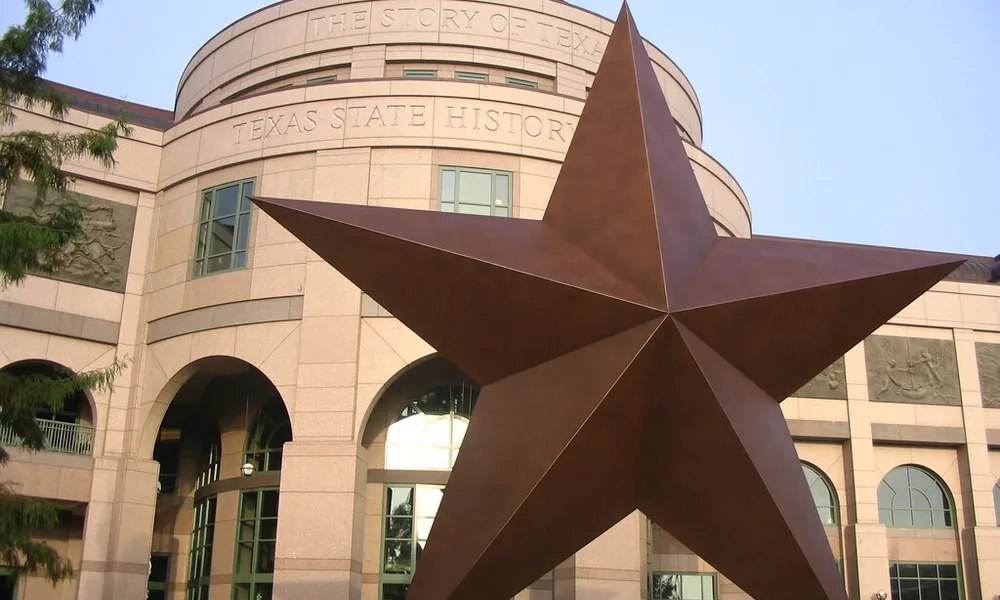
The Bullock Museum is the best place to start a first visit to Austin, because it tells the story of Texas from its earliest peoples to the present day in one building. The galleries move through Native American history, Spanish missions, independence, the oil boom and modern Texas, with objects, films and hands-on displays that keep the story moving.
The film about the story of Texas is a good place to begin, because it sets up everything you will see in the galleries. After that, follow the galleries in order if you can, and save time for the top floor, where the modern story of Texas comes together. The museum shop is also worth a look, with books and gifts that are far better than the usual museum fare. For a sense of how other cities tell their own stories, the guide to the best museums in Atlanta for first-time visitors follows the same approach of starting with the city story first.
The Blanton Museum of Art
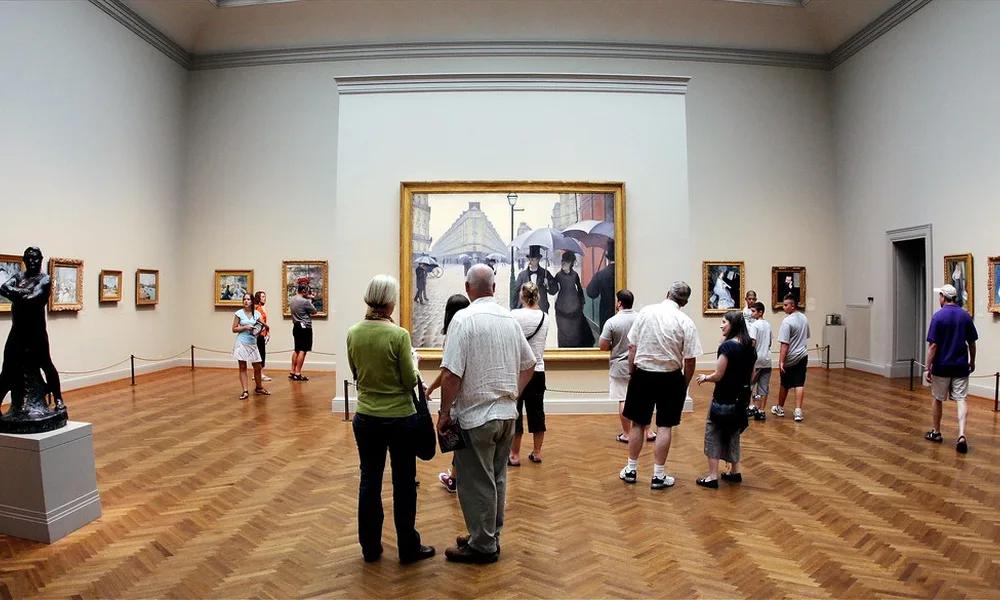
The Blanton Museum of Art, on the university campus, is the best art museum in Austin and one of the best university art museums in the country. Its collection covers European paintings, modern and contemporary art, and Latin American art, with a strong collection of prints and drawings.
First-time visitors should start with the highlights: the European galleries, the modern wing, and the light installation that fills a whole space with colour. Allow two hours, and leave time for a coffee in the museum cafe afterwards. The galleries are spacious and never feel crowded, which makes it a good choice for a hot afternoon.
The LBJ Presidential Library
The LBJ Presidential Library tells the story of Lyndon B. Johnson, the Texan who became president in 1963, and the turbulent decade he led. The library is on the university campus, and its exhibits cover the civil rights movement, the Vietnam War, the space programme and the Great Society, with recordings, photographs and objects from the period. It is a serious museum, but it is also a very human one, and it gives a real sense of how the 1960s felt.
Start on the top floor and work your way down, which is how the story is meant to be followed. Allow two hours, and do not rush the final galleries, which deal with the hardest parts of his presidency. The library is a good companion to the Bullock Museum, because the two together cover Texas history from its beginnings to the modern day.
Dinosaurs, nature and the Texas Memorial Museum
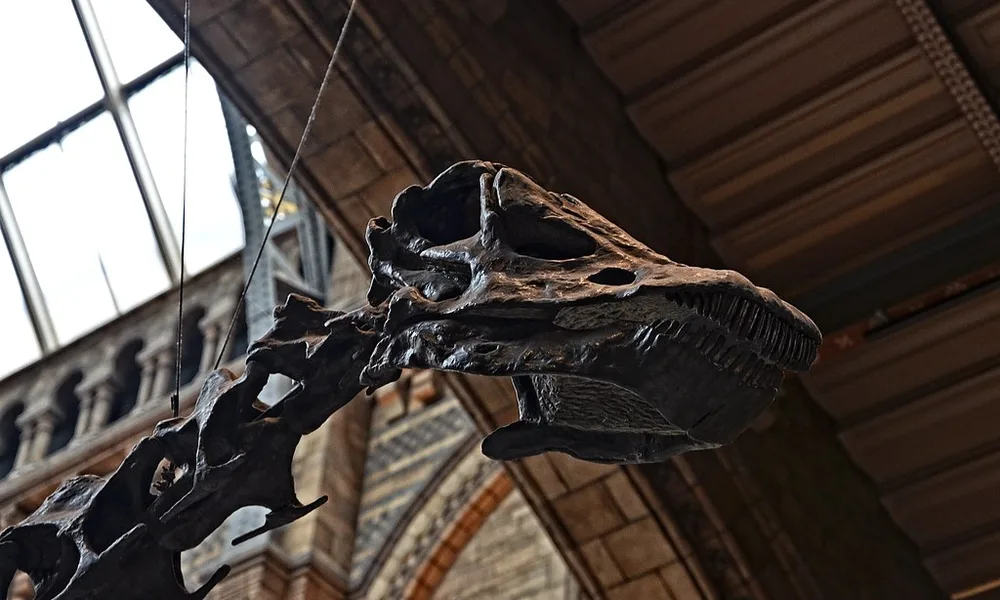
The Texas Memorial Museum is the natural history museum of the university, and its dinosaur skeletons are the first thing most visitors remember. The great hall has a long-necked dinosaur skeleton that stretches across the room, along with fossils, minerals and Texas wildlife displays. It is a smaller museum than the Bullock, and it is at its best with children, who can get close to the exhibits and ask the staff questions.
Go in the morning, when the museum is quiet and the light in the great hall is at its best. The dinosaur hall is the highlight, but the geology and wildlife galleries are worth your time too, especially if you plan to visit the Hill Country or the coast later in your trip. If you enjoy this kind of museum, the guide to the best museums in Denver for first-time visitors covers a similar mix of natural history and art in another American city.
The Thinkery and family museums
The Thinkery is Austin’s children’s museum, and it is the best choice if you are travelling with young children. It is a hands-on museum, with water play, building, light and sound exhibits, and a large outdoor play area. Children can touch almost everything, which is exactly what they want, and parents can sit down while the children burn off energy. Arrive at opening time, because it gets busy by late morning.
The Texas State Capitol and the history walk
The Texas State Capitol is free to visit, and it is one of the best free things to do in Austin. The pink granite building is taller than the United States Capitol, and its rotunda, chambers and grounds are open to the public. Free guided tours run through the day, and they are worth joining, because the guides tell the stories behind the building that you would otherwise miss.
Pair the Capitol with a walk down Congress Avenue, which runs from the Capitol to the lake and passes the Bullock Museum on the way. The avenue is lined with shops, cafes and historic buildings, and it gives you a feel for the city that no museum can.
Tickets, timing and a one-day plan
Tickets are simple if you plan ahead. The Capitol is free, and several museums have free days or free hours, usually on a weekday or a Sunday. The bigger museums charge admission, but the price is reasonable for a two- or three-hour visit, and many offer discounts for students, seniors and children. Check the museum before you go, and book a timed ticket if one is offered, because it guarantees your entry on a busy day.
Timing matters as much as tickets. Museums are quietest in the first hour after opening and in the last hour before closing, and they are busiest in the middle of the day, especially at weekends. A good one-day plan is a museum morning downtown, a long lunch, and a walk along Congress Avenue or the lake trail in the afternoon, with a second museum only if you still have energy.
If you have a second day, spend it on the university campus, with the Blanton and the LBJ Library in the morning. For more ideas on how to plan a first museum day in a new city, the guide to the best museums in Athens for first-time visitors uses the same one-day plan in a very different city.
Checklist: your first museum day in Austin
- Pick two or three museums at most, and plan one area per half day.
- Start with the Bullock Museum to learn the story of Texas first.
- Check opening days, free hours and timed tickets before you leave the hotel.
- Arrive at opening time or in the last hour, when museums are quietest.
- Bring water, comfortable shoes and a light layer for air-conditioned galleries.
- Leave time for a walk outside, because Austin is best enjoyed in the open air too.
Frequently asked questions
How many museums can I visit in one day in Austin?
Two or three at most. A big museum takes two to three hours, and a small one takes about an hour, so three museums plus lunch and travel is a full day. Trying to see more means rushing, and you will remember less.
Which museum should I visit first in Austin?
The Bullock Texas State History Museum is the best first stop, because it tells the story of Texas in one building and makes everything else you see in the city make more sense. The Blanton is the best first stop if art is your main interest.
Are Austin museums free?
The Texas State Capitol is free, and several museums have free days or free hours, usually on a weekday or a Sunday. The bigger museums charge admission, but the price is reasonable, and many offer discounts for students, seniors and children.
Is the Bullock Museum good for children?
Yes, especially for children aged eight and over, who will enjoy the films, the hands-on displays and the story of Texas. Younger children may prefer the Thinkery, which is designed for play, or the dinosaur hall at the Texas Memorial Museum.
Do I need to book museum tickets in advance?
Usually not, but it is worth booking a timed ticket at busy times, such as festival weekends and school holidays, because it guarantees your entry. Check the museum before you go, and book ahead if a timed ticket is offered.
What is the best time of day to visit Austin museums?
The first hour after opening and the last hour before closing are the quietest times, and the light is best in the morning. Avoid the middle of the day at weekends, when museums are at their busiest.
Bottom line
The best museums in Austin for first-time visitors are the Bullock Museum for the story of Texas, the Blanton for art, and the LBJ Library for recent history, with the dinosaur hall and the Capitol as the best extras. Pick two or three, go early, and leave time for a walk outside, because the city itself is part of the visit.


