The Best Pet Toothpastes of 2026: Enzymatic Pastes That Actually Clean Teeth
The best pet toothpastes of 2026 are the ones your dog or cat will let you use twice a week, because the most effective paste in the world does nothing sitting in the cupboard. Pet toothpaste is not human toothpaste in a pet-friendly tube. It is made to be swallowed, it tastes like something an animal actually wants in its mouth, and the good ones carry enzymes that keep working on plaque after you have put the brush down. This guide explains how pet toothpastes work, which types suit which pet, and how to pick one that cleans teeth instead of just freshening breath for ten minutes.
Dental disease is the most common health problem vets see in adult dogs and cats, and it starts quietly. Plaque forms on teeth within hours of eating, hardens into tartar within days, and tartar can only be removed by a vet under anaesthetic. By the age of three, most dogs and cats show some sign of gum disease. Brushing with a proper pet toothpaste is the single most effective thing you can do at home to slow that down, and it costs far less than a dental cleaning.
Key Takeaways
- Never use human toothpaste on a pet: it can contain xylitol and other ingredients that are toxic to dogs and cats, and pets swallow paste instead of spitting it out.
- Enzymatic pet toothpastes keep working after brushing, breaking down the plaque film so it is slower to harden into tartar.
- Look for the VOHC seal of acceptance, which means a product has been tested and shown to reduce plaque or tartar.
- Flavour matters more than brand: a poultry or malt paste your pet likes beats a premium paste your pet runs from.
- Toothpaste supports brushing but does not replace it; the brush does the scrubbing, the paste does the chemistry.

Why Pet Toothpaste Is Not Human Toothpaste in a Different Tube
The first thing to understand is that pets do not spit. A dog or cat swallows whatever goes into its mouth, so everything in a pet toothpaste has to be safe to swallow in small amounts. Human toothpaste is built on the opposite assumption: fluoride in the doses found in human paste, foaming agents, and sweeteners such as xylitol are all fine when spat out and rinsed away, but they can make a pet ill when swallowed regularly. Xylitol is the serious one. It is safe for people and highly toxic to dogs, where even small amounts can cause a dangerous drop in blood sugar and liver damage. A tube of human toothpaste left where a dog can chew it is a genuine emergency, not a mess.
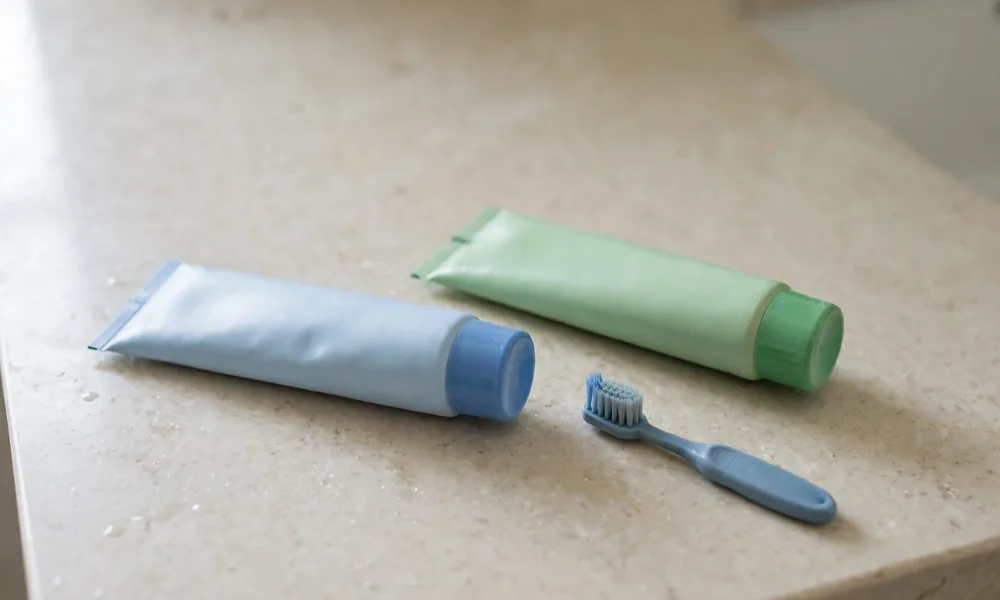
Pet toothpastes solve this by leaving out the risky ingredients and building flavour in instead. Dogs get poultry, beef, malt, or peanut flavours; cats usually get poultry, fish, or malt. That sounds like a gimmick, but it is the whole point of the product. A paste a pet enjoys turns brushing from a wrestling match into something the animal tolerates, and tolerance is what makes twice-weekly brushing actually happen. A paste also does not foam the way human toothpaste does, which matters when there is no rinsing and no spitting.
The other difference is what the paste is trying to do. Human toothpaste leans heavily on fluoride to strengthen enamel. Pet toothpaste leans on enzymes, mild abrasives, and antibacterial agents to break up plaque and slow the bacteria that cause gum disease. That is a different job, and it is why reading the label matters.
How Enzymatic Pet Toothpastes Work
Enzymatic pastes are the standard recommendation from most vets, and the idea is simple. The paste contains enzymes, usually glucose oxidase and lactoperoxidase, that react with compounds in saliva to produce a mild antibacterial effect. When you spread the paste on the teeth and gums, those enzymes start breaking down the sticky plaque film, and they keep working for a while after you finish brushing. That matters because plaque is a living bacterial film, not just food debris: it reforms within hours, so anything that slows regrowth buys real time between brushes.
Enzymes are not magic, and an enzymatic label does not excuse bad brushing. The paste still needs contact with the tooth surface and the gumline, which is where plaque collects. Smearing paste on the front teeth and calling it done misses the back teeth, where tartar builds fastest. But paired with even a short, gentle brushing session, an enzymatic paste does measurably more than a non-enzymatic one, and for pets that will only tolerate a quick wipe of paste along the gumline, it is the best fallback available.
The Main Types of Pet Toothpaste Compared
Pet toothpastes fall into a few clear types, and the right one depends on your pet’s size, temperament, and dental history. The table below compares them at a glance.
| Type | How it works | Best for | Watch out for |
|---|---|---|---|
| Enzymatic paste | Enzymes break down plaque and slow bacteria after brushing | Most dogs and cats, daily or twice-weekly brushing | Needs contact with teeth; not a substitute for brushing |
| Mild abrasive paste | Fine polishing particles scrub soft plaque off the tooth surface | Dogs with visible plaque that tolerates real brushing | Too harsh for inflamed gums or very small pets |
| Gel paste | Smooth gel coats teeth and gums, often with enzymes | Cats and nervous pets that dislike gritty textures | Less scrubbing power than a true paste |
| Finger-brush paste | Paste designed for use with a rubber finger brush | Puppies, kittens, and pets new to brushing | Hard to reach back teeth in large dogs |
| Water additive or rinse | Antibacterial agents in drinking water or a rinse | Pets that refuse all brushing, as a backup only | Weakest effect; never a replacement for brushing |
The pattern is clear: the closer the paste gets to the tooth surface with some mechanical action, the better it works. Gels and additives have their place as backups, but a real paste plus a brush remains the standard.
What to Look For When You Buy
Start with the VOHC seal. The Veterinary Oral Health Council awards its seal of acceptance to products tested in controlled trials and shown to reduce plaque or tartar, and it is the closest thing pet dental care has to an independent standard. Not every good paste carries the seal, because testing costs money, but a paste that does carry it has evidence behind its claims.
Ingredients to Avoid
Read the label before you buy, every time. Avoid xylitol completely, and be wary of pastes with long lists of artificial sweeteners, colours, and foaming agents. Fluoride is a grey area: it is toxic to pets in large doses, and most pet pastes leave it out entirely, which is the safer default. A short, readable ingredient list is a good sign. If you cannot pronounce most of it and the flavour is the only thing you recognise, keep looking.
Flavour and Texture
Flavour is a practical decision, not a luxury. Offer your pet a dab on your finger first: if they lick it happily, you have a paste you can build a routine around. If they turn away, try another flavour before you blame the brushing itself, because many pets reject the paste and not the process. Texture matters too. Cats and small dogs often prefer a smooth gel, while larger dogs tolerate a slightly gritty paste that scrubs better. Puppies and kittens do best with a mild, low-abrasion paste while their gums are still sensitive.
How to Brush With Pet Toothpaste
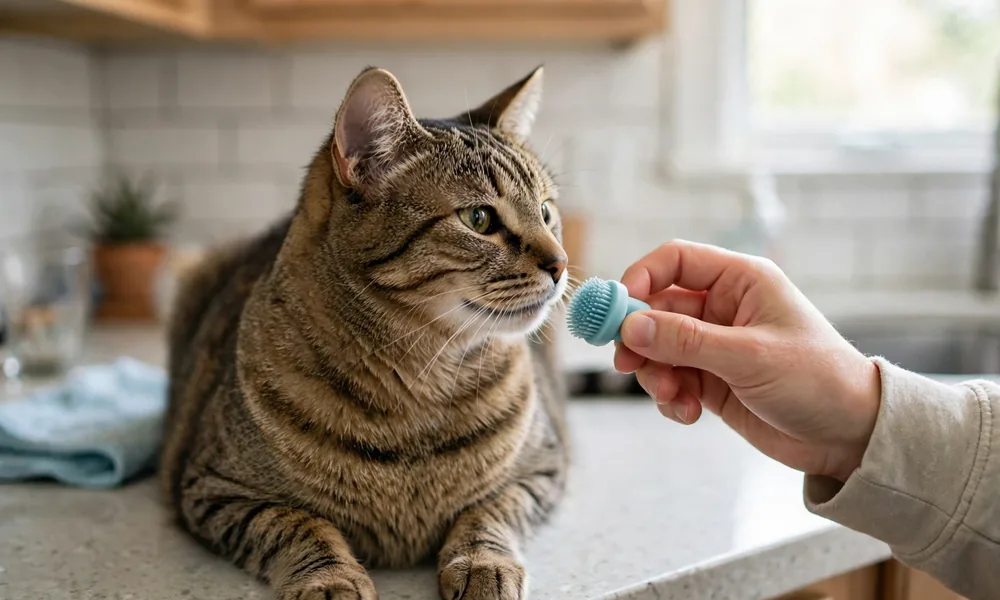
Build the routine slowly, over a week or two, and keep every session short. Start by letting your pet lick a dab of paste from your finger for a few days, so the flavour becomes a treat rather than a threat. Then rub a little paste along the gumline with your finger, and only then introduce a brush. The best pet toothbrushes have small heads and soft bristles, and a finger brush is the gentlest starting point for puppies, kittens, and nervous pets. When you brush, use small circles along the gumline on the outer faces of the upper back teeth, where plaque collects fastest, for about thirty seconds a side. Twice a week is the minimum that makes a difference; daily is better if your pet allows it.
Mistakes That Undo the Good Work
The most common mistake is brushing too hard, which inflames gums and teaches the pet to dread the brush. The second is brushing only the front teeth, which are the easiest to reach and the least likely to develop tartar. The third is stopping after a bad session: one difficult evening is normal, and consistency over months matters far more than any single brush. Another quiet mistake is pairing toothpaste with a dental chew and assuming the two together replace brushing. A good pet dental chew helps, but it cleans by a different mechanism and does not reach the gumline the way a brush does.
Finally, do not expect toothpaste to fix tartar that is already there. Once plaque has hardened into tartar, no paste or brush will remove it, and that is a vet cleaning under anaesthetic. The honest value of pet toothpaste is prevention: slowing the next layer of plaque so cleanings are needed less often. If your pet already has heavy tartar, bleeding gums, or bad breath that does not improve, see a vet before starting a home routine.
Your Pet Toothpaste Checklist
- Check the label for xylitol and skip any paste that contains it.
- Look for the VOHC seal of acceptance as evidence the paste works.
- Let your pet taste the flavour first and switch flavours if they refuse it.
- Use a pea-sized amount on a small, soft brush or finger brush.
- Brush the outer faces of the upper back teeth along the gumline.
- Brush at least twice a week, keep sessions short, and end with praise.
Frequently Asked Questions
Can I use human toothpaste on my dog or cat?
No. Human toothpaste can contain xylitol, which is toxic to dogs, along with fluoride and foaming agents meant to be spat out. Pets swallow paste, so use a paste made for animals.
How often should I brush my pet’s teeth?
Daily is ideal, but twice a week is the minimum that makes a real difference to plaque. Short, calm sessions you actually keep up beat ambitious daily plans that collapse after a week.
What is the best flavour of pet toothpaste?
Whichever flavour your pet likes. Poultry and malt are the most widely accepted, and beef and peanut work well for many dogs. Let your pet taste a dab before you commit to a tube.
Does enzymatic toothpaste really work?
Yes, when it reaches the teeth. The enzymes break down plaque and slow bacterial regrowth after brushing, which is a real benefit on top of the mechanical scrubbing of the brush.
Can toothpaste replace a dental cleaning?
No. Toothpaste slows new plaque; it cannot remove hardened tartar. If your pet already has heavy tartar or sore gums, a vet cleaning comes first and toothpaste keeps the result lasting longer.
What if my pet will not let me brush at all?
Start with paste on a finger, then a finger brush, over one to two weeks, and keep sessions under a minute. If brushing stays impossible, ask your vet about alternatives such as pet dental treats that scrub as your pet chews.
Bottom Line
The best pet toothpaste of 2026 is an enzymatic, VOHC-accepted paste in a flavour your pet actually likes, used with a small soft brush at least twice a week. Skip human toothpaste entirely, read the label for xylitol, and remember that the paste does the chemistry while the brush does the scrubbing. Bought well and used patiently, a tube of pet toothpaste is one of the cheapest ways to keep your pet’s teeth and gums healthy for years.