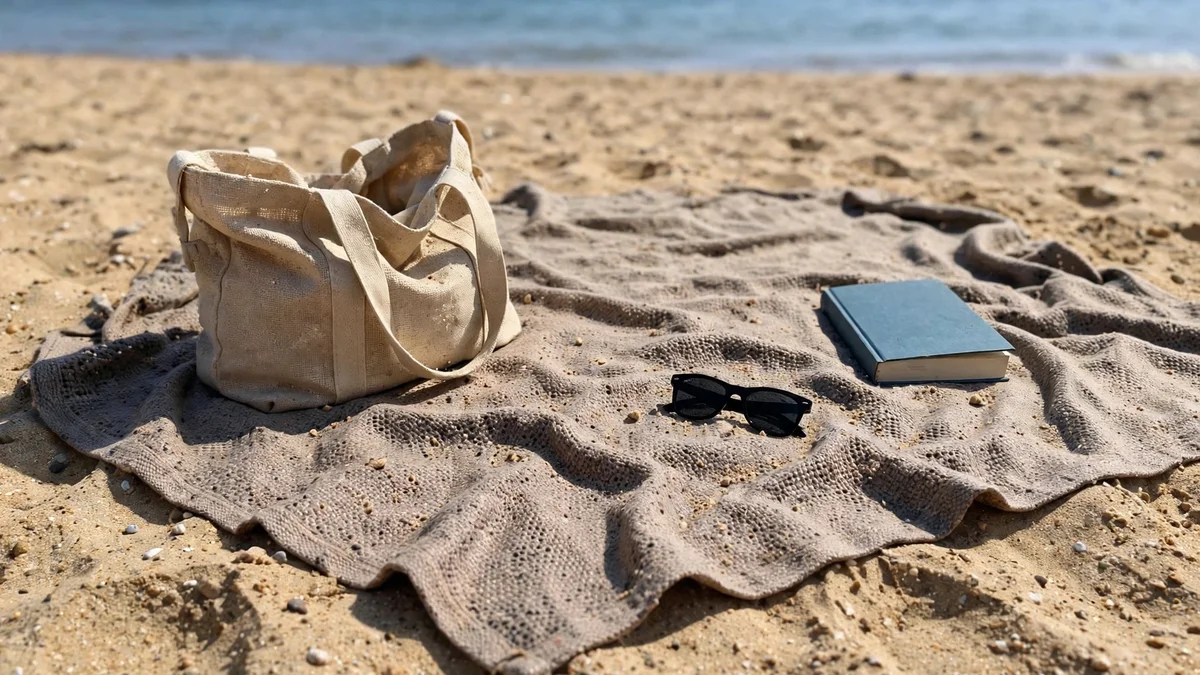
Which Picnic Blanket Is Worth Packing in 2026?
A picnic blanket is the one piece of outdoor kit that decides whether a picnic feels like a small holiday or a damp, gritty endurance test. The wrong blanket soaks through in minutes, lets every stone press into your back, and folds up into a soggy bundle that smells of grass for a week. The right one stays dry underneath, cushions the ground and shakes clean in seconds. The difference is not the price tag: it is the material, the size, and the details that separate a blanket made for the ground from one that just happens to be outdoors.
This guide explains what makes a picnic blanket work, how the main types compare, and how to pick one that earns its place in the boot of the car.
Key takeaways
- Waterproof backing is the single most important feature: without it, a blanket soaks through from damp grass and the picnic is over before it starts.
- Size matters more than pattern: a blanket for two needs about 130 by 145 centimetres, while a family blanket should be at least 180 by 200 centimetres.
- Weight and pack size decide whether the blanket actually gets used — a blanket that is a chore to carry stays at home.
- Machine-washable fabric beats hand-wash-only every time, because a picnic blanket will get muddy, and it will happen on the nicest day of the year.
- Sand, wind and uneven ground are the real tests: look for corner loops, a bit of weight, and a surface that shakes clean rather than trapping grit.
What a picnic blanket actually has to do
A picnic blanket has three jobs, and they pull in different directions: it has to keep you dry, with a waterproof layer on the underside; keep you comfortable, with enough padding to smooth out sticks, stones and bumpy ground; and stay portable, light and foldable. Every blanket is a compromise between those three jobs, and the best one matches how you actually picnic.
The dryness job matters most, because a wet blanket ruins everything else. Morning dew or damp grass will soak through an ordinary fleece or cotton blanket in minutes. A proper picnic blanket has a waterproof backing — usually PEVA, PVC or a coated polyester — that stops ground moisture coming through. Some cheaper blankets claim to be waterproof but only have a water-resistant coating that gives up after half an hour; test it by pouring a little water on the underside and seeing whether any comes through.
Comfort is the second job, and it is the one people underestimate. A thin blanket on hard ground is fine for twenty minutes and miserable after an hour. Quilted or padded blankets add foam or thick batting that makes sitting on grass genuinely comfortable and stops small stones digging in. The trade-off is bulk: padding makes a blanket heavier and harder to fold small. For a long afternoon it is worth it; for a quick sandwich on a walk, it is not.
The main types, compared
The picnic blanket shelf splits into a few clear types. The classic waterproof-backed fleece blanket is the all-rounder: soft on top, waterproof underneath, light enough to carry and cheap enough to replace. Quilted and padded blankets are the comfort choice, with a thick stitched layer that smooths out rough ground. Roll-up blankets with straps are the portable choice, designed to fold into a compact bundle. Waterproof tarpaulin-style blankets are the tough, wipe-clean option for muddy ground and beaches. Woven or cotton throws look beautiful but are usually the worst performers, because they absorb water and trap sand.
| Type | Top / backing | Best for | Watch out for |
|---|---|---|---|
| Waterproof-backed fleece | Soft fleece, PEVA backing | Everyday picnics, parks, light use | Thin padding; hard ground feels hard |
| Quilted / padded | Quilted fabric, waterproof base | Long afternoons, rough or stony ground | Heavy and bulky when folded |
| Roll-up with straps | Varies, often polyester | Walking, hiking, carrying with other kit | Often small; check the open size |
| Tarpaulin-style | Wipe-clean coated fabric | Muddy ground, beaches, children | Can feel plasticky; food slides around |
| Waterproof-backed cotton | Cotton top, coated backing | Looks good, feels natural | Stains easily; slower to dry |
| Woven throw | No backing | Indoor picnics, decoration | Soaks through; traps sand and grass |
The pattern is familiar: the blankets that look the prettiest in photographs are often the least practical on real grass. Choose for the ground you will actually sit on, not the one in the advertisement.
Size: the decision people get wrong
Picnic blankets are almost always smaller than people expect: a blanket that looks generous in the shop can feel cramped once two adults, a basket, a bottle and a couple of plates are on it. For two people, about 130 by 145 centimetres is the minimum that works without elbows and plates fighting for space. For a family of four, look for at least 180 by 200 centimetres — bigger still with children.
Shape matters too. Rectangular blankets suit most groups because plates and baskets sit naturally in rows. Oversized blankets sound like the answer, but they are harder to fold and heavier to carry, and they catch the wind like a sail.
Waterproofing, sand and wind
Waterproof backing is not a luxury; it is the whole point — but not all waterproofing is equal. A PEVA or PVC backing is genuinely waterproof and easy to wipe clean, while a DWR coating will resist a light dew and give up on wet grass. If you picnic in the morning, on rained-on grass, or near a beach, insist on a proper waterproof layer rather than a coating.
Sand is the second great enemy. A blanket with a tight, smooth surface shakes clean with one good flick, while a fluffy fleece or woven cotton traps sand in its fibres and carries it home. Beach picnics want a smooth, wipe-clean surface — the same tarpaulin-style blankets that handle mud also handle sand. On grass, a fleece top is fine, but shake the blanket before folding, or the grit comes home with you.
Wind is the third test, and it is the one that embarrasses the most blankets. A light blanket on a breezy hill lifts at the corners and flaps over the food. Corner loops let you stake the blanket down with pegs or weigh it with bags, and a heavier, quilted blanket stays put on its own. A good picnic basket helps here as well: a heavy basket in the middle anchors it better than anything else.

Cleaning and care
A picnic blanket will get dirty — grass stains, muddy footprints, spilled juice and crushed strawberries are all part of the deal — so it has to be easy to clean. Machine-washable is the feature to insist on: it is what separates a blanket you will use for years from one you will use twice.
The catch is that the waterproof backing and the washing machine do not always get along: some backings crack or peel after repeated hot washes, so check the care label and wash cold on a gentle cycle, and air-dry rather than tumble-drying. If it is only lightly dirty, a wipe with a damp cloth is usually enough.
Storage matters as much as washing: a damp blanket folded into a cupboard will smell of mildew within days, so always dry it fully before putting it away, and hang it up when you get home rather than leaving it in the car boot.
Packing the perfect picnic around it
The blanket is the base, but the picnic is the system around it. Keep the food in containers that do not leak, because a spilled bottle of juice is a mess no waterproof backing can prevent from the top.
Seating matters too. If anyone in the group finds sitting on the ground hard, a low cushion or a couple of folding chairs changes the whole afternoon. Shade is worth planning for: a blanket in full sun gets hot and food spoils faster, so look for a tree or a spot that gets sun in the morning and shade by lunchtime. A cooler bag keeps drinks and perishables safe while the blanket does its job.
Finally, think about the ground itself: a blanket on a gentle slope will slowly slide downhill, and everything on it will follow. Pick flat ground, clear away sticks and stones, and check for ants before the food comes out.

The mistakes that ruin a picnic blanket
The most common mistake is buying for looks instead of for the ground: a beautiful woven throw with no waterproof backing is a living-room blanket outdoors, and it will soak through on the first damp morning. The second is buying too small, which turns every picnic into a negotiation over space. The third is forgetting the wind: a blanket with no corner loops or weight will spend the afternoon trying to leave.
The fourth mistake is washing it wrong: hot washes and tumble dryers destroy waterproof backings. The fifth is putting it away damp, which is how a blanket acquires a permanent smell. And the sixth is expecting one blanket to do everything — the padded quilt that is perfect for a long family afternoon is a poor choice for a hike, and the ultralight roll-up that is perfect for a walk is a poor choice for a stony field.
Choosing well: a quick checklist
- Insist on a genuine waterproof backing, not just a water-resistant coating, and test it with a splash of water.
- Measure the open size against your group: about 130 by 145 centimetres for two, at least 180 by 200 for a family.
- Check the folded size and weight — if it is a chore to carry, it will stay at home.
- Choose machine-washable fabric, wash cold and gentle, and always air-dry before storing.
- Look for corner loops, a bit of weight, or sand pockets if you picnic in wind or on the beach.
- Pick a smooth, shake-clean surface for sand and a padded quilt for rough, stony ground.
Frequently asked questions
What size picnic blanket do I need for a family of four?
At least 180 by 200 centimetres: room for everyone to sit plus space for the food in the middle. Smaller blankets work for two people, but a family needs the extra room or the food ends up on the grass.
Are waterproof-backed picnic blankets really waterproof?
A proper PEVA or PVC backing is genuinely waterproof and will keep damp grass from soaking through all afternoon. A fabric with only a water-resistant coating will resist dew for a while and then give up.
Can I machine-wash a picnic blanket?
Most of them, yes, but wash cold on a gentle cycle and air-dry. Hot water and tumble dryers can crack or peel the waterproof backing, so read the care label before the first wash.
What is the best picnic blanket for the beach?
A smooth, wipe-clean tarpaulin-style blanket with sand pockets or corner loops. It shakes sand off instead of trapping it. Avoid fleece and woven cotton, which hold sand in their fibres.
How do I stop a picnic blanket blowing away?
Use the corner loops with pegs, weigh the corners with bags, or put the heaviest items in the middle. A heavier quilted blanket also resists wind far better than a light one.
Is a padded picnic blanket worth the extra weight?
For a long afternoon on rough ground, yes — the padding is the difference between comfort and aching hips. For a short stop on a walk, no — take a light roll-up instead.
The bottom line
The picnic blanket worth packing in 2026 is the one that matches how you actually picnic: waterproof-backed, big enough for the whole group, light enough to carry without thinking about it, and machine-washable so the mud and grass stains do not matter. A padded quilt earns its weight on long afternoons and rough ground; a light roll-up earns its place on walks. Get the backing and the size right, and the blanket will disappear into the background of a good day.