The best rain jackets in 2026 are the ones that keep you dry on the walk to the train, on a steep trail in a downpour, and on the school run when the sky opens without warning. A good rain jacket should block the rain, let sweat escape, and pack down small enough to live in your bag, because the jacket you leave at home is the one that never keeps you dry. Shells are lighter and more breathable than ever, but the right jacket depends on the rain you actually face.
Key Takeaways
- Look for at least 10,000 mm of waterproofing for steady rain, and 20,000 mm or more if you will be out for hours in a downpour.
- Breathability matters as much as waterproofing: a jacket that keeps rain out but traps sweat inside will still leave you wet.
- A three-layer shell suits serious hiking and long days out, while a 2.5-layer jacket is lighter and cheaper for commutes and day walks.
- The best rain jackets for commutes pack down small and have a hood that fits over a helmet or a hat.
- Reproof your jacket once or twice a year so water keeps beading on the surface instead of soaking into the fabric.
Rain Jacket Types at a Glance
Every rain jacket puts a waterproof barrier between you and the rain while letting water vapour escape from inside, but each type does it differently:
| Type | How it keeps you dry | Best for | Watch out for |
|---|---|---|---|
| Commuter shell | Waterproof membrane, tailored cut | Daily walks, train journeys | Less breathable on climbs |
| 3-layer hiking shell | Membrane bonded between two layers | Mountain hiking, long days out | Heavier, more expensive |
| 2.5-layer packable | Thin membrane, printed inner coating | Emergency cover, light day hikes | Wears faster under a backpack |
| Cycling rain jacket | Long back, close fit, reflective details | Riding to work in the rain | Too short at the front for walking |
| Insulated rain parka | Waterproof shell over warm insulation | Cold, wet winter days | Too warm for mild rain |
| Rain poncho | One waterproof sheet over everything | Covering you and your bag | Flaps in wind, no fitted hood |
What the Numbers on the Label Mean
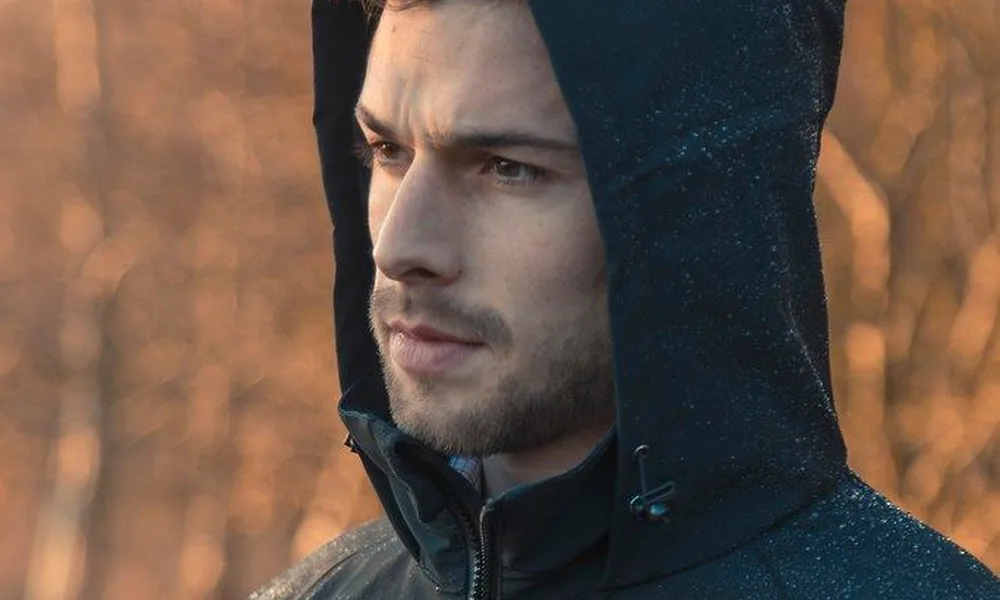
Waterproofing is measured in millimetres, and the number tells you how much water pressure the fabric can take before it leaks. A rating of 5,000 mm handles light rain and short showers, 10,000 mm copes with steady rain and the pressure of backpack straps, and 20,000 mm or more stands up to prolonged downpours. Breathability is measured in grams of water vapour per square metre per day, and 10,000 g/m² is a sensible minimum for anything more active than a gentle walk. Both numbers come from laboratory tests, so treat them as a guide: a jacket rated 20,000 mm will still wet out if its water repellent finish has worn off, and a breathable jacket will still feel clammy if you are working hard in warm rain.
Two Layers, Two-and-a-Half, or Three?
The layer count describes how the membrane is built into the fabric, and it is the quickest way to judge what a jacket is for. A two-layer jacket has a membrane bonded to the face fabric with a loose lining inside, which makes it comfortable and affordable but a little bulky. A 2.5-layer jacket replaces the lining with a thin printed coating, which makes it very light and packable, though the coating can wear faster where backpack straps rub. A three-layer jacket bonds the membrane between the face fabric and a protective inner layer, which makes it the most durable and the best breathing of the three, and also the most expensive.
The Best Rain Jackets for Commutes, Hikes and Downpours in 2026
Best for the Daily Commute: The Smart Commuter Shell
The commuter shell is the rain jacket for the walk to the station, the wait on the platform, and the dash from the bus stop to the office. It is cut to look smart over work clothes, long enough to cover your jacket and your bag strap, and quiet enough not to rustle through every meeting. The hood is the key detail: it should fit over a hat, adjust with one hand, and stay up in a gust without blocking your peripheral vision.
Best for Cycling to Work: The Cycling Rain Jacket
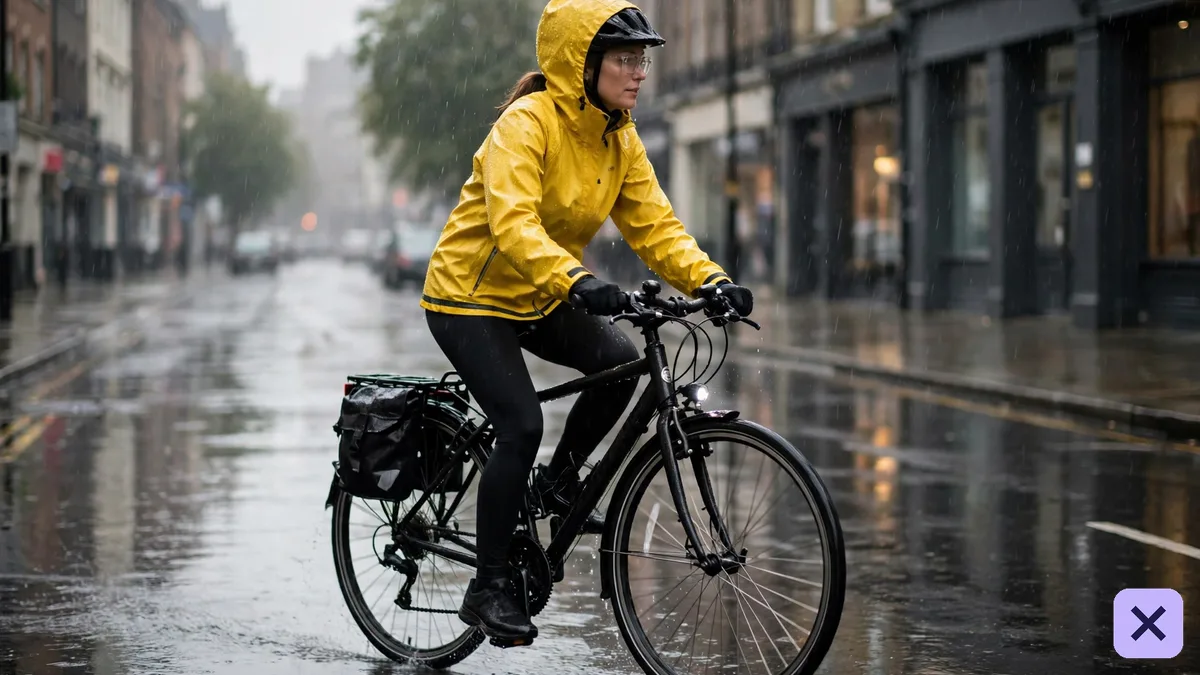
Cycling in the rain needs a jacket built for the bike, and an ordinary rain jacket will leave you with a wet back and cold hands. A cycling rain jacket has a longer back that covers you when you lean forward, a close fit that does not flap in the wind, and a high collar that seals around your neck. Reflective details matter more on a bike than anywhere else, since wet roads and low light make cyclists hard to see, so look for reflective strips on the back, the arms, and the hem.
Best for Hiking: The Three-Layer Mountain Shell
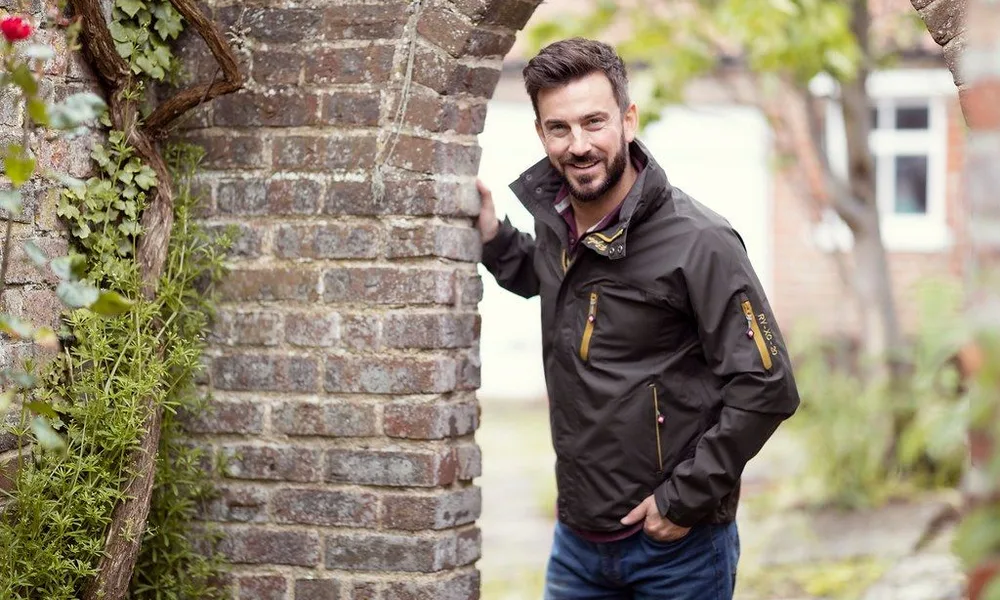
On a mountain trail, a rain jacket is safety gear, and the three-layer shell is the one serious walkers trust. It keeps out hours of rain, breathes well enough for a steep climb, and survives being stuffed into a pack and worn under heavy straps day after day. The hood is fully adjustable with a stiffened peak, the pit zips dump heat on a climb, and the pockets sit high enough to reach above a hip belt. If your hiking is mostly gentle day walks in light rain, a lighter shell will do, and our guide to the best rain jackets for hiking compares the trail-focused options in detail.
Best for Packing Light: The 2.5-Layer Emergency Shell
The emergency shell is the rain jacket you carry just in case. It weighs less than a paperback, packs down to the size of a water bottle, and lives at the bottom of your bag until the sky turns. It will not be as breathable or as tough as a three-layer shell, but for a sudden shower on a day walk, a festival, or a holiday, it is the difference between staying out and running for cover. Pair it with the rest of your kit, since dry feet and a dry pack make a wet day far more bearable, and the best versus worst hiking boots will tell you which footwear holds up when the path turns to mud.
Best for Heavy Downpours: The Storm Parka
Some rain does not stop, and for a full day in a downpour you want a storm parka rather than a lightweight shell. The longer length covers your thighs, the storm flap and high collar seal out driven rain, and the tougher fabric stands up to hours of wet weather without wetting through. This is the jacket for standing on a touchline in November, working outdoors in a storm, and walking the dog when the forecast says heavy rain all day.
Best for Everyday Value: The Everyday Waterproof Jacket
Not everyone needs a mountain shell or a cycling jacket. For most people, the best rain jacket is a well-made everyday waterproof that handles the school run, the dog walk, the shopping trip, and the occasional weekend walk without fuss. It should be waterproof enough for an hour in steady rain, breathable enough not to feel clammy, and tough enough to survive being thrown over a chair and washed regularly. The features that matter most are simple ones: a good hood, a full-length storm flap, pockets that actually close, and a fit that works over a jumper.
Fit, Hoods and Pockets: The Details That Matter
A rain jacket that fits badly will let water in no matter how good its fabric is. Too tight, and it pulls at the shoulders and lifts the hem when you move. Too loose, and the sleeves catch on everything while the hood flops over your eyes. The right fit leaves room for a fleece underneath, covers your hips, and lets you raise both arms without exposing your waist. Try the jacket on with your backpack straps done up, since a jacket that fits in the shop can feel very different under a loaded pack, and check that the pockets are still reachable. If you carry a lot on wet days, think about the bag as well as the jacket: the best versus worst hiking backpacks comparison shows which packs keep their contents dry and which ones soak through.

Rain Jacket Buying Checklist
- Decide your worst regular rain first: a short shower, a wet commute, or a full day on the hill.
- Check the waterproof rating and the breathability rating, and aim for at least 10,000 mm and 10,000 g/m² for real use.
- Try the jacket on over a fleece, with your backpack on, and with the hood up and your head turned.
- Test the hood, the pit zips, and the pockets: they are the features you will use every time it rains.
- Check that the seams are taped and the zips are waterproof or covered by a storm flap.
- Make sure it packs down small enough to live in your bag, or you will leave it at home on the day you need it.
Frequently Asked Questions
What waterproof rating do I need?
For light rain and short showers, 5,000 mm is enough. For steady rain, a commute, or a day walk, aim for 10,000 mm. For prolonged downpours or mountain hiking, choose 20,000 mm or more, since pressure from straps and knees can force water through a lower-rated fabric.
Why does my rain jacket feel wet inside?
Usually it is sweat, not rain. A waterproof jacket traps moisture from your body, so if you are working hard in warm rain, even a breathable shell can feel clammy inside.
How often should I reproof a rain jacket?
Once or twice a year for regular use, or whenever water stops beading on the surface and starts soaking into the fabric. Wash the jacket first with a technical cleaner, then apply a spray-on or wash-in treatment and let it dry fully.
Can I wash a rain jacket in a washing machine?
Yes, on a gentle cycle with a cleaner made for waterproof fabrics, with all zips and Velcro closed. Never use ordinary detergent, fabric softener, or bleach, since they damage the water repellent finish and can clog the membrane.
What is the difference between waterproof and water-resistant?
Water-resistant means the fabric sheds light rain for a while, but it will eventually soak through. Waterproof means the fabric has a membrane and taped seams rated to keep water out under pressure, so it stays dry in sustained rain.
Should a rain jacket be tight or loose?
Neither, exactly. It should fit over a fleece with room to move, without billowing in the wind. A close fit is better for cycling, a roomier fit is better for hiking with a pack, and in both cases the hem should cover your hips and the sleeves should cover your wrists when you reach.
The Bottom Line
The best rain jacket in 2026 is the one that matches your wet days: a smart commuter shell for the train, a cycling jacket for the ride to work, a three-layer shell for the mountains, or a storm parka for a full day in a downpour. Check the waterproof and breathability ratings, try the hood and the fit with your bag on, and buy a jacket that packs small enough to always be with you. Choose well, and the rain becomes weather you walk through, not weather that stops you.


