
Finding the best swimwear in 2026 is about far more than picking a colour you like. The best swimwear has to fit properly, stay put when you swim, dry quickly, hold its shape after dozens of washes, and survive sun, salt water and chlorine without fading or sagging. A swimsuit that looks perfect on the hanger can be a disappointment in the water, and the difference between a great piece and a bad one usually shows up in the details: the lining, the straps, the fabric and the cut.
The best swimwear of 2026 covers every kind of swimmer, from holiday beach days and long pool sessions to surfing, water sports and lazy afternoons by the resort pool. The right choice depends on what you will actually do in it, how much support you need, and how the fabric handles the water you will be in.
Key Takeaways
- Buy swimwear for the water you will actually be in: pool, sea, surf or sunbathing.
- Fit matters more than size labels, which vary wildly between brands.
- Chlorine-resistant fabric lasts far longer for regular pool swimmers.
- Good lining and secure straps are what keep swimwear comfortable and in place.
- Rinse swimwear in fresh water after every swim and it will last seasons longer.
How to Choose the Best Swimwear for You
Before you buy, think about how you will spend your time in the water. A swimsuit for laps in the pool needs a snug, streamlined fit and chlorine-resistant fabric. A swimsuit for a beach holiday needs comfort, sun protection and a style you feel good in. Swim shorts for surfing need a secure drawstring and a tough, quick-drying fabric, while shorts for lounging by the pool can be lighter and more relaxed. The activity decides the features, and the features decide which pieces are worth your money.
Start With Fit, Not the Label
Swimwear sizes are famously inconsistent, and the same size can feel completely different from one brand to another. A swimsuit should feel snug when you first try it on, because swim fabric stretches when it gets wet, and a suit that feels perfect in the changing room will often feel loose in the water. The straps should stay in place without digging into your shoulders, the bust should feel supported without squeezing, and the leg openings should sit flat against your body without cutting in.
For swim shorts, the waistband should sit comfortably without needing constant adjustment, and the length should suit how you move: shorter shorts dry faster and suit swimming, while longer boardshorts protect your legs when you surf or sit on rough surfaces. Try swimwear on, move around in it, raise your arms and bend over, and check that everything stays where it should.
Fabric Is What Makes Swimwear Last
The fabric decides how long swimwear lasts and how it feels. Most swimwear is made from a blend of nylon or polyester with elastane, which gives it stretch and shape. Polyester blends resist chlorine and sunlight far better than nylon, which is why regular pool swimmers should look for chlorine-resistant polyester. A higher elastane content gives a snugger, more supportive fit, but too much can make a suit feel tight and wear out faster.
Look for a suit that is fully lined in the front, and ideally throughout, because lining stops the fabric going see-through when wet and helps the suit hold its shape. Check the stitching too: neat, flat seams are comfortable against the skin, while rough or bulky seams rub and chafe during long swims.
Best Swimwear for Women in 2026
Women’s swimwear in 2026 covers every shape and style, from classic one-pieces to mix-and-match bikinis, sporty racerbacks and elegant long-sleeve suits. The best pieces are the ones that combine a flattering cut with real support, a fabric that holds its shape, and details that make the suit practical for the water you will be in.
One-Piece Swimsuits
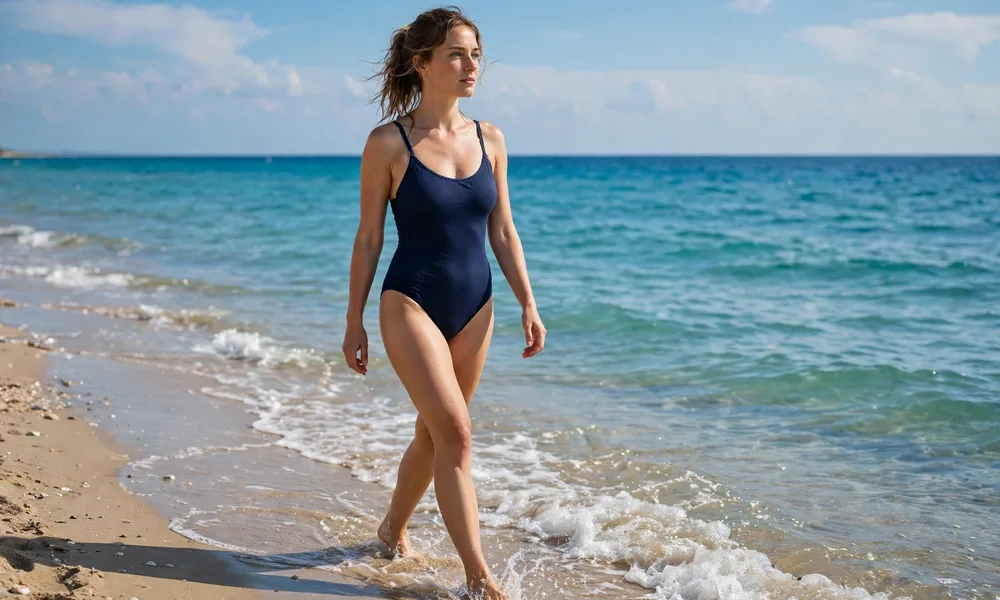
The one-piece swimsuit is the most versatile piece of women’s swimwear, and the 2026 designs prove it. A well-cut one-piece supports the bust, smooths the waist and stays put through swimming, diving and playing in the waves, which makes it the best choice for active days in the water. Look for adjustable straps, a supportive shelf bra or built-in cups, and a fabric with enough stretch to move with you without sagging.
Classic black and navy one-pieces are timeless and flattering, while bold colours and prints are perfect for holidays.
Bikinis and Mix-and-Match Sets
Bikinis suit sunbathing and relaxed beach days best, and the smartest way to buy them is as separates, so you can choose a different size for the top and the bottom. A supportive top with adjustable straps and a secure clasp matters far more than the pattern, and bottoms with a comfortable waistband and enough coverage to stay put are worth paying for. High-waisted bottoms are flattering and practical, while classic briefs dry faster and suit swimming.
Mix-and-match sets also let you build a small swim wardrobe from a few pieces, pairing one top with two bottoms in different colours. That flexibility makes packing for a holiday much easier, and if you are planning a beach trip, our guide to the best beach destinations in Europe for 2026 will help you pick the right spot for your new swimwear.
Sporty and Long-Sleeve Swimwear
Sporty swimwear is built for movement. Racerback one-pieces, zip-front suits and long-sleeve rash guards stay in place during laps, surfing and water sports, and they protect your shoulders and back from the sun. If you swim regularly, a sporty suit in chlorine-resistant fabric will outlast a fashion suit many times over, and the streamlined fit reduces drag in the water. Long-sleeve styles are also a smart choice for children and for anyone who burns easily, because they cover the skin that sunscreen often misses.
Best Swimwear for Men in 2026
Men’s swimwear in 2026 ranges from short, tailored swim shorts to longer boardshorts and sporty jammers, and the best choice depends on what you will do in the water. The strongest men’s swimwear dries quickly, holds its shape, and stays comfortable whether you are swimming laps, surfing, or spending the afternoon by the pool.
Swim Shorts for the Beach and Pool
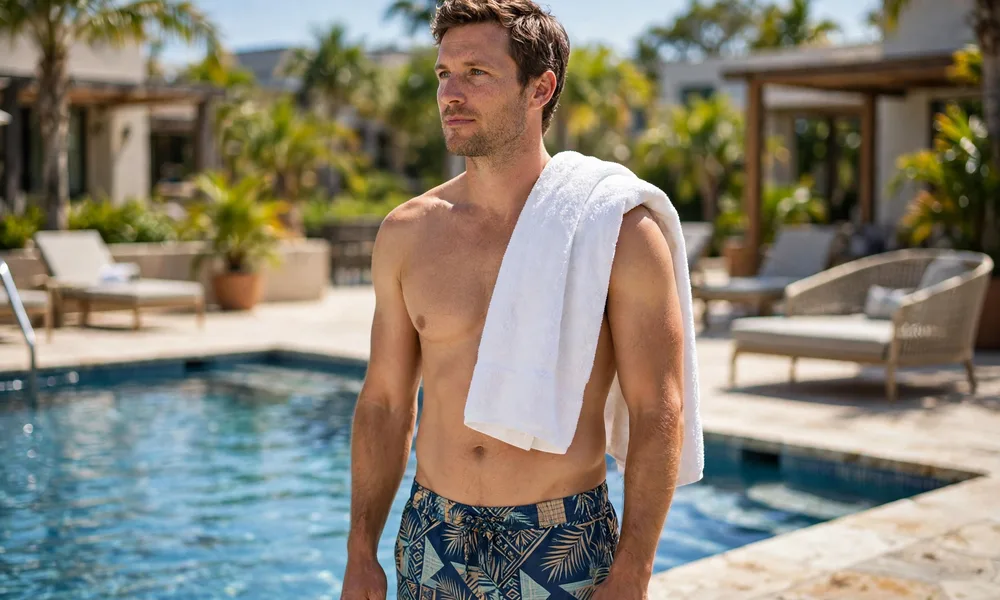
Classic swim shorts are the default for most men, and the best ones are made from quick-drying polyester with a mesh lining, a secure drawstring waist and a length that hits just above the knee. That length suits swimming and walking, dries faster than longer shorts, and looks smart enough for a beach bar or a poolside lunch. Look for a comfortable waistband that does not dig in, pockets that drain rather than filling with water, and a fabric that does not go heavy and saggy when wet.
Boardshorts for Surfing and Water Sports
Boardshorts are longer, tougher and built for active water sports. They sit below the knee, have a secure tie waist rather than an elastic one, and are made from durable, quick-drying fabric that can handle wax, sand and rough surfaces.
If you surf, paddleboard or kayak regularly, boardshorts are the right tool for the job. Either way, a pair of waterproof speakers makes a day by the water far better, and our guide to the best waterproof speakers of 2026 covers the ones that survive splashes and keep playing all afternoon.
Swimwear by Activity
Different water calls for different swimwear, and matching the suit to the activity is the simplest way to buy well. Pool swimmers need chlorine resistance above all, because ordinary swim fabric fades and loses its stretch within weeks of regular pool use.
Best Swimwear Compared
| Swimwear Type | Best For | Typical Price | Key Strength |
|---|---|---|---|
| One-piece swimsuit | Swimming, beach days, water sports | £40–£120 | Supportive, stays put, versatile |
| Bikini set | Sunbathing, relaxed beach days | £35–£100 | Flexible sizing, quick to dry |
| Long-sleeve swimsuit | Surfing, sun protection, kids | £50–£110 | UV protection, stays in place |
| Classic swim shorts | Beach, pool, poolside lounging | £30–£90 | Light, quick-drying, versatile |
| Boardshorts | Surfing, paddleboarding, kayaking | £40–£100 | Tough, secure, protective |
| Training swimsuit | Regular pool laps | £45–£110 | Chlorine-resistant, long-lasting |
How to Care for Swimwear So It Lasts
Swimwear care is simple, but it makes an enormous difference to how long a suit lasts. Rinse every piece in cool, fresh water as soon as you get out of the pool or the sea, because chlorine and salt keep damaging the fabric long after you have stopped swimming.

Drying and Storing Swimwear
Always dry swimwear in the shade, because direct sunlight fades colours and weakens elastic far faster than most people realise. Lay a swimsuit flat or hang it by the straps on a line, and let it dry naturally rather than using a tumble dryer, a radiator or a heated towel rail.
Packing swimwear for a trip is easier when everything has its place, and our guide to the best packing lists for beach holidays in 2026 will help you fit swimwear, towels and beach essentials into your case without the usual last-minute panic.
Swimwear Buying Checklist
- Decide the main activity first: pool, sea, surfing or sunbathing, then shop for that.
- Try swimwear on and move in it: raise your arms, bend and check that it stays put.
- Choose chlorine-resistant fabric if you swim in a pool more than once a week.
- Check the lining, straps and stitching before you buy, not after your first swim.
- Pick a colour and style you feel confident in, not just the one on the hanger.
- Buy two suits if you swim often, so each one dries fully between wears.
Frequently Asked Questions
How tight should a swimsuit be?
A swimsuit should feel snug but not uncomfortable when you first try it on, because swim fabric stretches when it gets wet. If it feels perfect in the changing room, it will usually feel loose in the water, so a slightly firm fit is the right starting point.
What is the best swimwear fabric for the pool?
Polyester blends with elastane are the best choice for regular pool swimming, because polyester resists chlorine far better than nylon. Look for suits labelled chlorine-resistant if you swim more than once a week, and they will keep their shape and colour for far longer.
How do I stop swimwear going see-through when wet?
Choose swimwear that is fully lined, especially in the front, and avoid very light colours in thin fabrics. A quality lining is the simplest way to make sure a suit looks the same wet as it does dry.
How long should good swimwear last?
A well-made swimsuit worn once or twice a week and cared for properly can last two or three seasons. A suit worn daily in a chlorinated pool will last less long, but a chlorine-resistant training suit will still outlast a fashion suit by many months.
Can I wash swimwear in the washing machine?
It is best not to. Hand-washing in cool water with mild detergent protects the elastic and the fabric, while machine washing, hot water and tumble drying all shorten a suit’s life. If you must use a machine, use a cold, gentle cycle and a mesh laundry bag.
What swimwear is best for surfing?
Long-sleeve rash guards and one-pieces for women, and boardshorts for men, are the best choices for surfing. They stay in place during wipeouts, protect your skin from the board and the sun, and are made from tough, quick-drying fabric built for active water sports.
The Bottom Line
The best swimwear in 2026 is the piece that fits well, suits the water you will be in, and still looks and feels good after a summer of swims. Start with the activity, choose a chlorine-resistant fabric if you swim in a pool, check the lining and the straps, and buy a fit that feels snug in the changing room.


