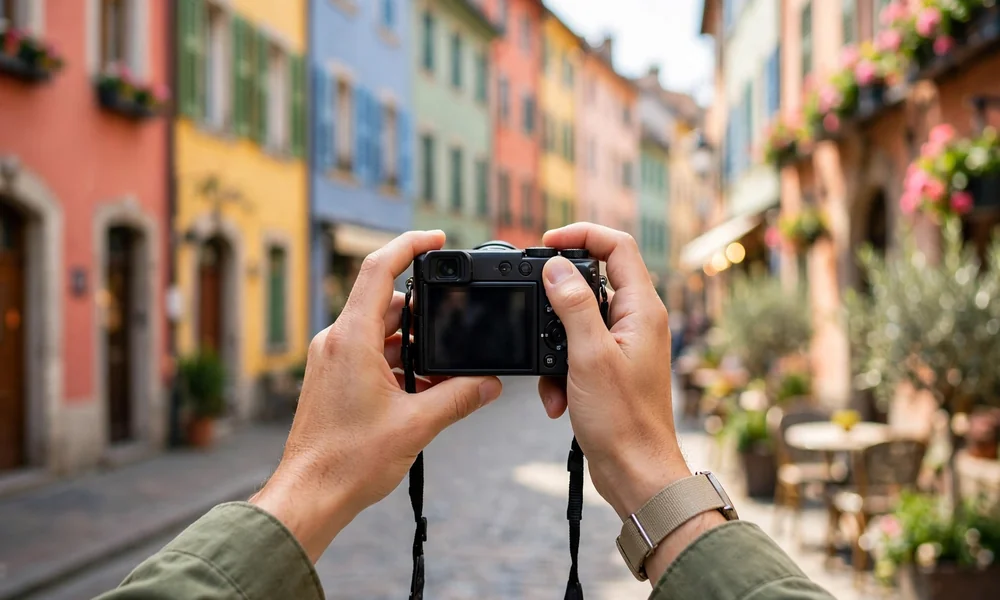
The best travel cameras 2026 has to offer share one quality that matters more than megapixels or brand names: they are cameras you will actually carry. A brilliant camera left in the hotel safe takes worse photographs than a modest one in your hand at sunrise, and every seasoned traveller learns this the same way, after lugging a heavy kit through an airport and wishing they had packed lighter. The right travel camera disappears into your day until the moment you need it.
Choosing well means balancing size, image quality, battery life and price against the kind of trips you really take. A city break demands something different from a two-week hike, and a camera that shines for street photography may frustrate you on a wildlife safari. This guide compares the strongest options of the year and explains the features that genuinely matter on the road.
We judged every camera here on the things that decide whether photographs come home with you: how it handles in real light, how long the battery lasts away from a charger, how much it weighs after eight hours on your shoulder, and how simple it is to use in the moment.
Key takeaways
- The best travel camera is the one you will carry every day, so weight and size matter as much as image quality.
- A one-inch sensor or larger makes a visible difference in low light, sunsets and dim restaurants.
- Battery life decides more photographs than any other specification, so carry a spare battery and charge overnight.
- Weather sealing is worth paying for if your trips include rain, dust, beaches or mountain weather.
- Buy the camera at least two weeks before departure and practise with it until the controls feel natural.
What Makes a Great Travel Camera in 2026
A travel camera lives a harder life than a camera that stays at home. It gets knocked against seatbelts, pulled out in rain and stuffed into daypacks. The best travel cameras are built for that life, with tough bodies, sensible controls and batteries that keep going when the day runs long, and a camera that fits in a jacket pocket can now produce photographs good enough for large prints.
Size and Weight Matter More Than Specifications
Every gram counts when a camera hangs from your neck for ten hours. A camera under 500 grams with its lens attached is easy to carry all day, while anything near a kilogram feels like a chore by the afternoon, and a heavy camera stays in the bag. A small camera also draws less attention in markets and on trains, which leads to more natural photographs, and it fits in jacket pockets, so it is always within reach.
Image Quality in Real Light
Travel photography happens in awkward light: harsh midday sun, dim museums, candlelit restaurants and the blue hour before sunrise. A larger sensor gathers more light in these conditions, which means cleaner images with less grain and more detail in the shadows. Resolution matters less than most buyers assume: twenty megapixels is plenty for prints and screens. What matters more is the lens: look for one starting around 24 millimetres for interiors and streets.
The Best Travel Cameras of 2026
The cameras below cover the full range of travel styles and budgets, from pocketable compacts to interchangeable-lens cameras. Each one earned its place by being genuinely good to travel with.
| Camera | Best for | Sensor | Weight | Standout strength |
|---|---|---|---|---|
| Compact all-rounder | Most travellers | One-inch | About 300 g | Pocketable with a versatile zoom |
| Premium fixed-lens compact | Street and city trips | APS-C | About 480 g | Superb image quality in a small body |
| Lightweight mirrorless | Serious photographers | APS-C | About 500 g with kit lens | Interchangeable lenses, fast autofocus |
| Full-frame mirrorless | Landscapes and low light | Full-frame | About 650 g with kit lens | Best image quality in this list |
| Budget compact | First travel camera | One-inch | About 340 g | Strong value, simple to use |
Best Overall: The Compact All-Rounder
For most travellers, a premium compact with a one-inch sensor and a zoom lens is the sweet spot. It slips into a jacket pocket, shoots excellent photographs in daylight and low light, and records video good enough for holiday films. The zoom covers wide street scenes and distant details without changing lenses, which means fewer missed moments. The compromise is a fixed lens: you cannot swap to a longer telephoto or a faster prime, though few travellers miss it in practice.
Best for Serious Photographers: Lightweight Mirrorless
Travellers who already know their way around manual settings will get more from a small mirrorless camera with interchangeable lenses. You can start with a compact kit zoom for general travel, then add a fast prime for evenings or a telephoto for wildlife on specific trips. Autofocus on the current generation is fast and reliable, and in-body stabilisation helps in low light without a tripod. The cost is bulk and complexity, but that trade is worth it if photography is a main reason for the trip.
Best on a Budget: The Sensible Starter
You do not need to spend a fortune to take excellent travel photographs. The budget picks in this class offer one-inch sensors, decent zooms and reliable autofocus at a price that leaves money for the trip itself. Image quality in good light is close to the premium compacts, and the main sacrifices are slower autofocus in dim conditions and shorter battery life. A budget camera also has a hidden advantage: it is cheaper to replace if it is lost, stolen or damaged on the road.
Compact vs Mirrorless vs Your Phone
Every traveller already carries a phone, and modern phones take remarkable photographs in good light. Their computational photography handles night modes and portraits with a polish dedicated cameras cannot match for convenience. Where a dedicated camera pulls ahead is in control and consistency: a real zoom lens beats digital cropping, a larger sensor holds detail in difficult light, and physical controls let you change exposure in a second. If you want to understand exactly how phone cameras compare, our comparison of Android vs iPhone camera quality breaks down the strengths and limits of the two leading phone systems in detail.
The honest answer for many travellers is to carry both: the phone for quick snaps, navigation and sharing, and the camera for the photographs you want to keep.
Key Features to Compare Before You Buy
Sensor size, lens range and weight are the headline numbers, but several quieter features decide how a camera behaves on a long trip. Battery life is first among them: look for a camera rated for at least 300 shots per charge, and budget for a spare battery regardless, because cold weather and heavy screen use drain batteries faster than laboratory tests suggest. Weather sealing deserves attention if your travels include rain, sea spray, dust or altitude. Fast, reliable autofocus matters more than burst speed: a camera that locks onto a subject first time is worth more than one that fires twenty frames a second but misses focus.
Connectivity is the feature travellers most often overlook. Built-in Wi-Fi or Bluetooth that transfers photographs to your phone quickly makes sharing and backing up painless. Charging over USB-C is a genuine convenience: one cable can serve your camera, phone and headphones.
Packing and Protecting Your Camera on the Road
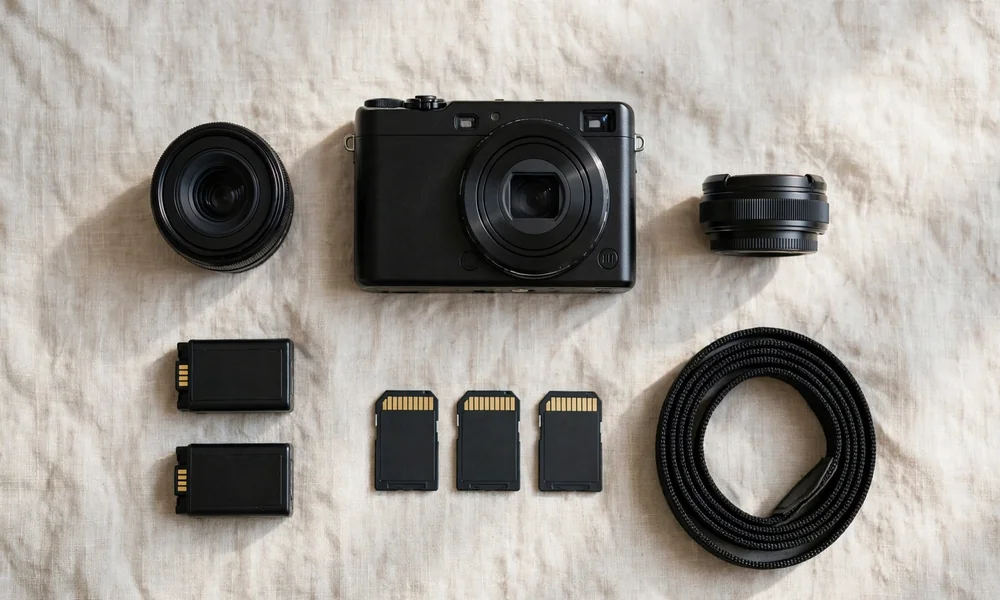
How you carry a camera matters as much as which one you buy. A padded insert inside an ordinary daypack protects the camera while keeping a low profile, and a simple wrist or neck strap prevents the most common travel accident: a camera slipping from tired hands. Pack two memory cards rather than one large one, and swap them regularly, so a lost card cannot wipe out an entire trip.
Insurance is worth sorting out before departure, not after something goes wrong. Check whether your home insurance or travel policy covers a camera away from home and what the single-item limit is. Our guide to the best travel insurance 2026 explains the cover to look for and the questions to ask before you buy a policy.
Common Mistakes Travellers Make With Cameras
The most common mistake is buying a camera the day before departure and learning to use it on the trip. A new camera needs a week or two of practice before its controls become automatic, and the first days of a holiday are the worst time to discover that you cannot change the ISO or switch to video quickly. The second mistake is carrying too much gear: most travellers use one lens for ninety per cent of their photographs, so pack the lens you will use most and leave the rest at home.
The third mistake is forgetting the small things, like a charged spare battery, a formatted memory card or the charger itself, any of which can end a day of photography before it starts. Finally, remember that different cameras serve different journeys: if most of your filming happens while driving, a dedicated road camera is the better tool, and our roundup of the best dash cams 2026 covers the strongest options for recording the drive itself.
Travel Camera Buying Checklist
- Set your budget first, then reserve part of it for a spare battery, a second memory card and a protective case.
- Hold the camera with its lens attached and carry it for ten minutes before you commit to buying it.
- Check the sensor size and the lens range, not just the megapixel count, when comparing cameras.
- Confirm the battery rating and the charging method, and buy a spare battery from a reputable source.
- Test the autofocus and the controls in dim light, not only under bright shop lighting.
- Buy at least two weeks before departure and practise until the essential controls feel automatic.
Frequently Asked Questions
What is the best travel camera for beginners?
A premium compact with a one-inch sensor is the best starting point for most beginners. It is small enough to carry everywhere, simple enough to use on automatic settings, and capable enough to grow with you as you learn manual controls.
Is a mirrorless camera better than a compact for travel?
A mirrorless camera offers better image quality and more flexibility, but it is larger, heavier and more expensive once lenses are included. A compact is better for travellers who value lightness and simplicity, while a mirrorless camera suits travellers who treat photography as a main activity.
How much should I spend on a travel camera?
Most travellers will be well served between the budget and mid-range classes, where the best value sits. Spending more buys better low-light performance, weather sealing and autofocus, which matter on demanding trips. Spending less still buys a capable camera.
Do I need a separate camera if I have a good phone?
Not always. A recent phone handles daylight, portraits and social sharing very well. A separate camera earns its place when you want a real zoom, better low-light results, more control over the image, or large prints.
What accessories do I really need for a travel camera?
A spare battery, a second memory card, a lens cloth and a simple strap or small padded case cover the essentials. A compact tripod is useful for night scenes, while a rain cover is cheap insurance in wet climates.
How do I keep my travel photographs safe on a long trip?
Use two memory cards and swap them regularly, back up to your phone or a portable drive each evening, and keep the backup in a different bag from the camera. Upload the best photographs to cloud storage whenever you have reliable Wi-Fi.
The Bottom Line
The best travel cameras 2026 offers are the ones that balance image quality with the simple reality of life on the road: light enough to carry all day, tough enough to survive it, and simple enough to use when a moment lasts only seconds. Pick the camera that matches how you actually travel, learn it properly before departure, and pack light.