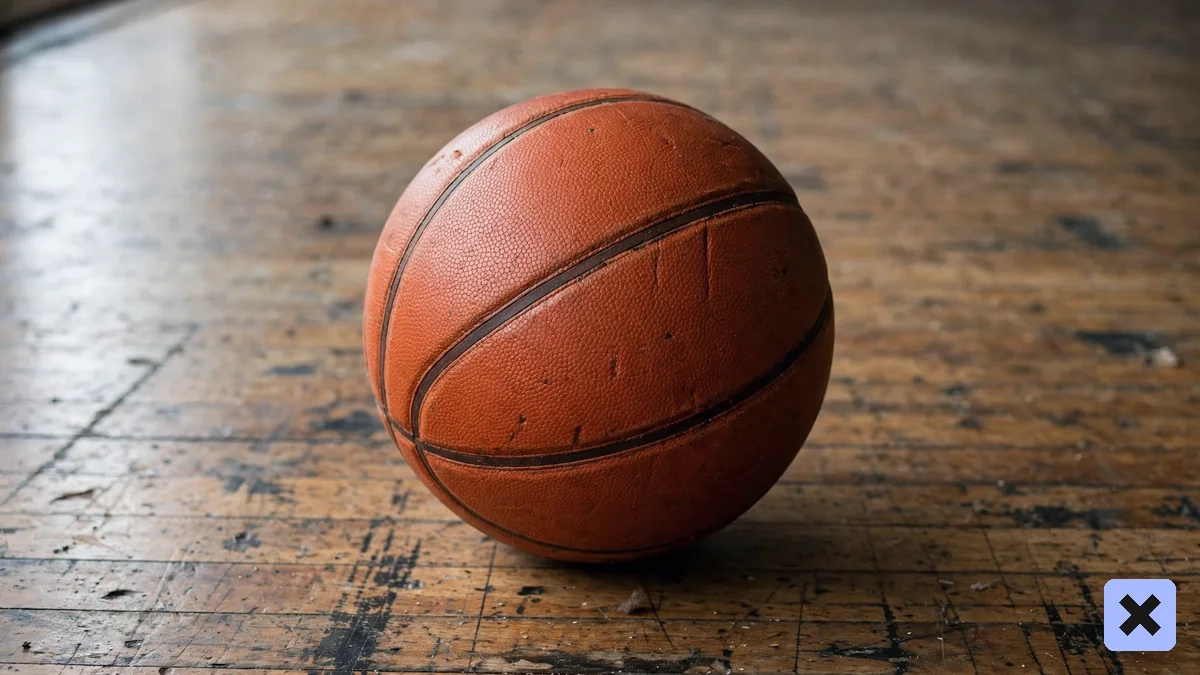
A basketball is a simple thing, and that is why it is so easy to get wrong. The best basketballs of 2026 feel right the moment you pick them up: they are round, they hold their shape, they bounce true, and they grip your hands just enough to shoot with confidence. The worst basketballs do the opposite. They go soft halfway through a game, they skid in your hands, and they make even a decent shot feel clumsy and uncertain.
This comparison puts the best basketballs of 2026 head to head against the worst, judging them the way you would actually use them: shooting hoops in the driveway, at a pickup game on a Saturday morning, on a worn court at the local gym, and on a cracked outdoor court in the park. We look at grip, bounce, shape, durability, how the ball behaves in the wet, and whether it is still pleasant to play with after a season of hard use. The same honest approach sits behind our guide to the best tennis rackets of 2026, because good kit should make the game easier, not harder.
Key Takeaways
- Judge a basketball by how it grips and bounces after a month of play, not by how shiny it looks in the shop.
- A true, round ball beats a flashy design every time, because a wobbling bounce ruins every dribble and shot.
- Match the ball to the surface: indoor wood, outdoor asphalt, and concrete all punish the wrong ball in different ways.
- Good grip and a proper bladder matter more than a famous name printed on the panels.
- Buy the ball for the games you actually play, not the ones you imagine playing one day.
What Makes a Basketball Good or Bad
A good basketball starts with being round, and staying round. The panels should be cut evenly and bonded tightly, so the ball keeps its shape when it is dribbled hard, bounced on concrete, or left in the boot of a car overnight. The best basketballs of 2026 use a proper butyl bladder inside, and they hold their air for weeks rather than going soft after a single evening. The worst basketballs often have a cheap bladder that leaks slowly, so the ball feels different every time you pick it up.
The second thing that separates good from bad is grip. A good ball has a pebbled surface that your fingers can feel, even when your hands are a little sweaty, and its channels are deep enough to guide your shot. A bad ball is either slick as plastic, so it slips out of your hands, or so rough that it stings your palms. You notice this within five minutes of a shootaround, and it never gets better, because the fault is in the material and the finish, not in your technique.
Bounce is the third test, and it is the one most buyers underestimate. A good ball bounces back to about waist height when dropped from shoulder height, and it does so every time. A bad ball is either dead, so you have to work hard just to keep it moving, or wild, so it leaps away from you on a hard floor. The best balls find the middle ground, and they keep it as they wear.
The Best Basketballs of 2026
The best basketballs of 2026 are mostly the honest ones, and that is exactly the point. They are the indoor and outdoor balls that do everything well without shouting about it: a true bounce on the court, a steady flight to the hoop, and a surface that still grips when your hands get damp. They are not the most expensive balls on the shelf, but they are the ones players reach for again and again.
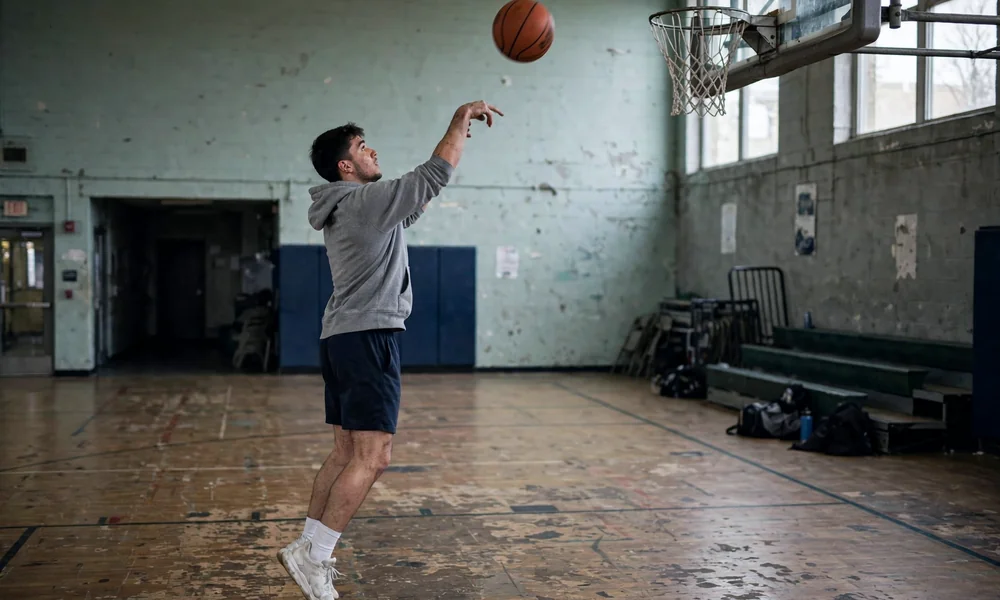
What the best basketballs share is consistency. Dribble one ten times and it comes back to your hand the same way ten times, which is what lets you practise properly and trust your shot in a game. Their surface stays grippy, their seams do not lift, and their shape survives being bounced on concrete or a wooden floor. A good ball also keeps its air: pump it up on Monday and it is still firm on Sunday.
Durability is another area where the best basketballs quietly win. Their outer material resists scuffs from rough outdoor courts, and it does not peel or crack after a few weeks in the sun. Whatever the surface, the best balls are honest about their limits: an indoor ball is sold as an indoor ball, and an outdoor ball is built for the harder, rougher life of asphalt and concrete.
The Worst Basketballs of 2026
The worst basketballs of 2026 are not always the cheapest, and that is what makes them so frustrating. Some look smart in the shop, with bright colours and a famous name, but within a few games the problems start: the ball goes out of round, the surface starts to peel, and the valve leaks air every night. Players find themselves pumping it up before every single game.

Grip is where many of the worst basketballs fall down hardest. They are often made with a shiny plastic surface that looks good on the shelf and feels like soap in your hands, and the result is a ball that slips on every dribble and every shot. On a fast break it can fly out of your hands entirely, and on a free throw it can slide off your fingers at the last moment. A ball you cannot hold is a ball you will grow to resent, however good it looks in photographs.
Then there is the bounce. The worst basketballs are often either dead, so every dribble feels like hard work, or wild, so the ball leaps away from you on a hard floor. Their surface can be so hard that it stings your hands, and their shape can be so uneven that the bounce is different every time. A basketball that hurts to play with is a basketball that stays in the cupboard.
Indoor, Outdoor, or Both: Which Ball Wins
Indoor basketballs are the finest of the three, and it is not close. A good indoor ball is usually made of leather or a soft composite, with a deep pebble grip and a gentle bounce on a wooden floor. The best indoor balls of 2026 feel wonderful in the hand, with a surface that grips without being sticky. Their weakness is wear: take one outside too often and the rough court will strip its skin in weeks, so keep it for the gym.
Outdoor balls are the tough ones, built for a harder life. A good outdoor ball uses a rubber or hard composite cover that can take the scrape of asphalt and concrete, and it keeps its shape after hundreds of bounces on a rough surface. A ball made for both surfaces sits in the middle: softer than a pure outdoor ball and tougher than a pure indoor one, and the best of them are a fine choice if you play in both places. The right kit around the ball matters too, and our guide to the best athletic socks of 2026 shows how much difference good socks make on court.
Sizes, Pressure, and the Numbers That Actually Matter
Size matters more than most buyers think. A size 7 ball is the standard for adult men, a size 6 suits adult women and older teenagers, and a size 5 is for younger players learning the game. Playing with the wrong size is like wearing the wrong shoes: everything feels slightly off, and bad habits creep in. The best balls are clearly marked with their size, and a good shop will help you pick the right one for the age and the game.
Pressure is the other number that matters, and it is the one most players ignore. A ball that is too hard bounces like a stone and stings to catch, while a ball that is too soft will not bounce true and goes out of shape. The best balls print their recommended pressure on the panel, and a cheap pump with a gauge is all you need to get it right. Check the pressure before a game, not after the ball has already let you down.
Weight and water resistance deserve the same attention. A good ball keeps its weight when it gets damp, because its outer layer does not soak up water like a sponge. A bad ball can gain a surprising amount of weight in the rain, turning into a heavy lump that is hard to shoot and painful to catch. You need somewhere to carry it all too, and our guide to the best duffel bags of 2026 covers the bags that carry a ball, shoes, and kit without falling apart.
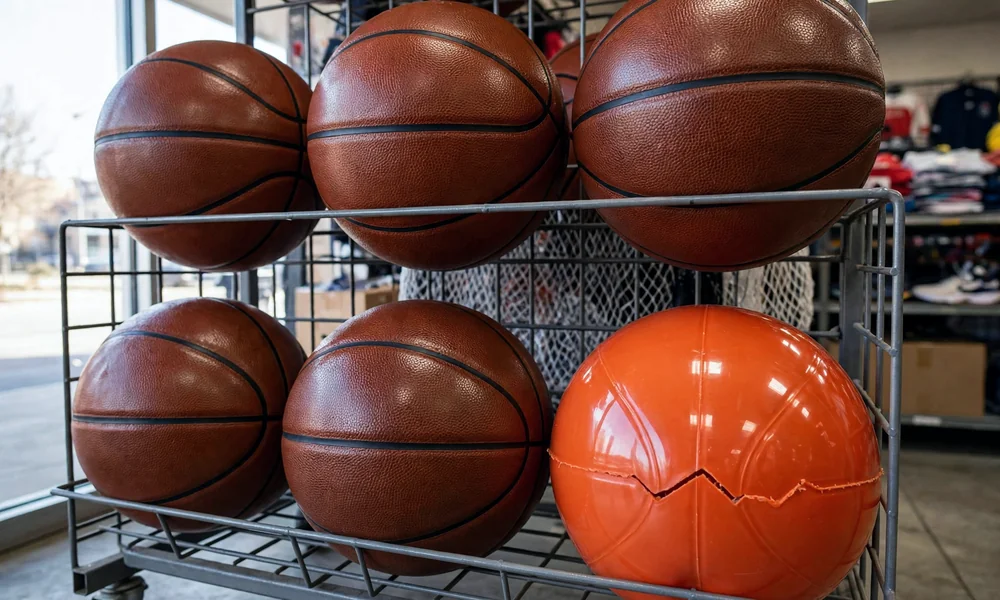
Finally, check the surface and the valve before you buy. Good grip feels pebbled and even under your fingers, with no smooth patches and no peeling edges. The valve should sit flush with the surface and hold air without hissing. A ball that fails either test in the shop will only get worse on the court, so put it back on the shelf.
How to Buy a Basketball Without Regret
The single most useful thing you can do before buying a basketball is to hold it, squeeze it, and bounce it. A good ball feels firm but not rock hard, and it bounces back to about waist height when dropped from shoulder height. Spin it on the floor and watch it: if it wobbles, it is not round, and no amount of pumping will fix that.
Check the details with real care before you pay. Feel the grip, look at the seams, and ask what the ball is made for: indoors, outdoors, or both. Read the size and the recommended pressure printed on the panel, and check that the valve holds air. If the ball is meant for a child, make sure the size and weight suit their age, because a ball that is too big will only frustrate them.
Finally, do not be rushed by a bargain. A good ball bought once is cheaper than three cheap balls that each last a month, and a ball that holds its shape will still be good next season. Buy from a shop you trust, keep the receipt, and if the ball goes out of shape within weeks, take it back.
The Verdict
The best basketballs of 2026 are the ones that make the game easier without asking for much in return. They are round, they hold their air, they bounce true, and they grip your hands in all weathers. They do not need to be the most expensive balls on the shelf: they simply work, game after game, indoors and out, with very little fuss.
The worst basketballs of 2026 are the ones that demand too much and give too little back: too much pumping, too much slipping, and too much of your time spent chasing a ball that will not bounce where you expect it. A basketball is the heart of the game, and when the ball fails, everything else in the game gets harder.
So buy with your head as well as your heart. Choose the size that fits the player and the surface that fits the court. Bounce it and spin it before you buy it, check the pressure and the grip, and walk away from anything that feels wrong. The right ball will not make you a better player overnight, but the wrong one will hold you back every single game.


