
A good book is hard to put down and even harder to forget. It keeps you reading past midnight, it follows you into the shower and onto the bus, and it leaves you a slightly different person when you finally close it. A bad book does the opposite. It sits on the bedside table for weeks, it makes your eyes heavy after two pages, and in the end you quietly give up on it and feel a little guilty about it, as if the failure were yours.
This comparison puts the best books of 2026 head to head against the worst, judging them the way you would actually read them: on a rainy afternoon, on a crowded train, in bed at night, and on a long holiday. We look at story, characters, pacing, writing, and whether a book is still worth thinking about a month after you finish it. The same honest approach sits behind our guide to the best mystery books for adults in 2026, because a great mystery shows how a strong plot and a fair set of clues can carry a whole novel.
Key Takeaways
- Judge a book by its middle, not its opening, because many weak books start well and run out of steam by page one hundred.
- Characters you care about matter more than a clever plot, since nobody finishes a book just to find out what happens to people they dislike.
- Pacing beats length every time, because a tight two-hundred-page novel can feel richer than a bloated six-hundred-page one.
- A book you finish and recommend is a good book, whatever the reviews said, and a book you abandon is a bad one for you.
- Pick the book for the reading you actually do, not the reading you wish you did, and you will finish far more of them.
What Makes a Book Good or Bad
A good book starts with a voice you want to spend time with. The sentences should feel natural rather than showy, and the story should move forward without the author stopping to admire their own cleverness. The best books of 2026 are written in plain, confident prose that disappears behind the story, and their authors trust the reader to keep up. The worst books are often the ones that try too hard: every sentence polished until it gleams, every paragraph stuffed with adjectives, and no room left for the reader to breathe.
The second thing that separates good from bad is character. A good book gives you people with real wants, real flaws, and real contradictions, and it lets them make choices that matter. You might not like them, but you understand them, and you want to know what they do next. A bad book gives you cardboard cut-outs who exist only to move the plot along, and when they do something foolish or cruel, it feels like the author pushing them rather than the character choosing it.
Pacing is the third test, and it is the one most readers feel without naming it. A good book knows when to slow down for a quiet scene and when to quicken for a chase or a revelation, and it never wastes your time on a subplot that goes nowhere. A bad book either rushes through its best scenes or lingers over dull ones, and by the halfway mark you start checking how many pages are left instead of wondering what happens next.
The Best Books of 2026
The best books of 2026 are mostly the ones that respect the reader, and that is exactly the point. They are the novels and non-fiction books that open with a clear promise and keep it, chapter after chapter: a mystery with clues you could have spotted, a family story that earns its tears honestly, and a history book that reads like a thriller without inventing anything. They are not always the loudest books on the shelf, but they are the ones readers press into the hands of their friends.
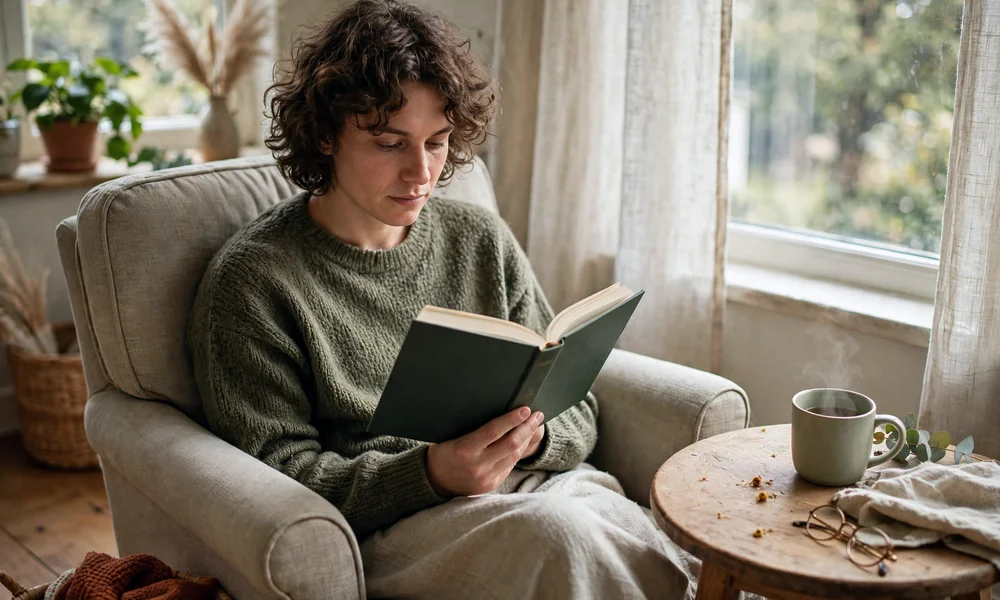
What the best books share is a feeling of care. The research is done properly, the details ring true, and nothing in the story feels like a shortcut the author hoped you would not notice. Their endings are satisfying too: not always happy, but always earned, so that when you close the book you feel the story has finished rather than simply stopped.
Variety is another area where the best books quietly win. The strongest novels of 2026 come from every corner of fiction, and the best way into a new genre is often a book written for newcomers. Our guide to the best science fiction books for beginners in 2026 shows how a welcoming first novel can open up a whole shelf of reading you never thought you would enjoy.
The Worst Books of 2026
The worst books of 2026 are not always the cheapest or the least famous, and that is what makes them so frustrating. Some arrive with glowing covers and famous names, but within fifty pages the problems start: characters who all sound the same, dialogue nobody would ever speak out loud, and a plot that relies on people forgetting things they plainly know. Readers find themselves skimming, then skipping, then quietly putting the book down.
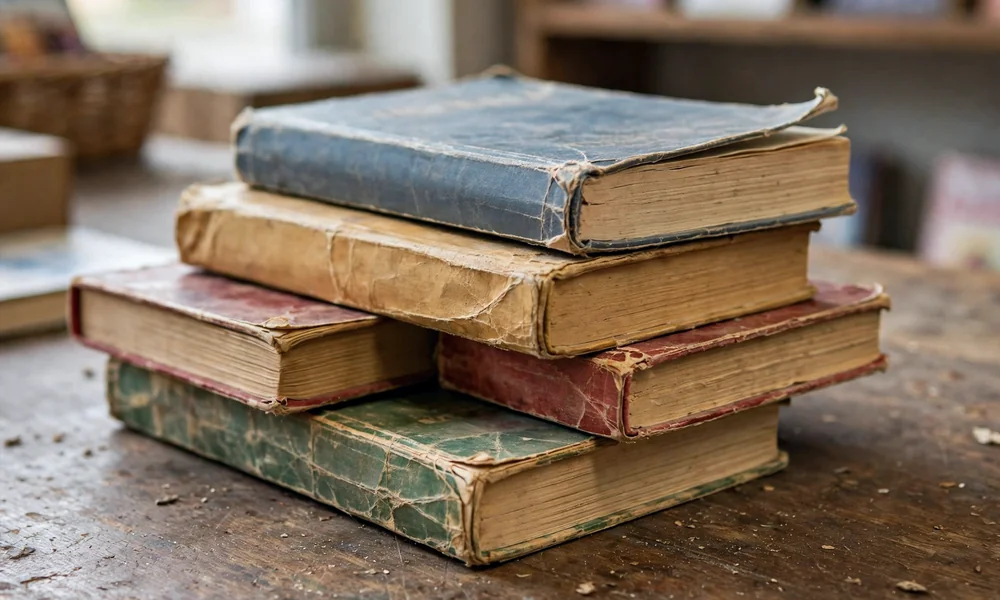
Repetition is where many of the worst books fall down hardest. They are often built around one idea repeated until it is threadbare, and the result is a book that feels padded, with the same argument or the same joke turning up every few chapters. On a long read the prose grows flat, the scenes blur together, and the reading that should have been a pleasure becomes a chore you keep putting off. A book that is tiring to read is a book you will grow to resent, however good it looked on the shelf.
Then there is the ending. The worst books often end with a twist that comes out of nowhere, a villain revealed with no clues at all, or a final chapter that ties everything up so neatly that it feels dishonest. A bad ending can undo two hundred good pages in a single paragraph, and readers remember it long after they have forgotten the middle. That is why the worst screen versions of good stories are so painful, and our list of the worst book adaptations of 2026 shows what happens when a weak ending is carried onto the screen.
Novels, Non-Fiction, or Short Stories: Which Wins
Novels win for most readers, and it is not close. A good novel gives you room to live inside another life for a week, with characters who change and a world that feels real. The best novels of 2026 are surprisingly varied, with mysteries, family sagas, and historical fiction all sharing the same strengths: strong voices, honest emotion, and stories that earn their length. Their weakness is time: a long novel asks for evenings you might not have. For a reader with a busy week, though, a good novel is often the most rewarding book of all.
Non-fiction is the quiet winner for curious readers. A good history, biography, or book about science can change the way you see the world, and the best ones are written with the same care as a novel. A dull non-fiction book, on the other hand, reads like a lecture, and no amount of interesting material can save it. Short stories are the sweet spot for readers short on time: a single story can be finished in one sitting, and a good collection gives you a dozen different worlds in one slim volume.
Paper, E-Reader, or Audiobook: The Format Question
Paper books remain the simplest choice for most readers in 2026, especially those who read at home or like to lend books to friends. A paperback is quiet, it never runs out of battery, and it is easy to flick back a few pages to check a detail. The best paperbacks are well printed, with type that does not tire your eyes, and a good hardback can last a lifetime on a shelf.
E-readers are the clever middle ground, and the best of them are now so good that many readers will never go back. They hold hundreds of books in a pocket, they let you change the type size, and they work in the dark without waking anyone else. For a reader who travels or reads in bed, a good e-reader is often the most practical way to read of all. Audiobooks are a separate question, and a great narrator can lift an ordinary book while a bad one can ruin a good one, so the voice matters as much as the words.

How to Choose a Book Without Regret
The single most useful thing you can do before buying a book is to read the first few pages properly. A blurb tells you what the publisher wants you to think, and a cover tells you what the designer thought would sell. The opening pages tell you what the book actually is: how the author writes, how the characters speak, and whether the story moves at a pace you enjoy. Read them slowly, in the shop or on a sample, and if anything feels wrong, trust that feeling.
Finally, do not be rushed. A good book today will still be a good book tomorrow, and a bookseller who pressures you to buy is telling you something about how they do business. Borrow from a library, ask a friend what they loved, and keep a short list of books you actually want to read. A book you choose slowly is a book you are far more likely to finish.
Best vs Worst Books 2026: At a Glance
| What to judge | The best books | The worst books |
|---|---|---|
| Writing | Clear, natural prose that serves the story | Showy or flat sentences that distract from it |
| Characters | Real people with flaws and choices that matter | Cardboard figures who only move the plot along |
| Pacing | Scenes land at the right length, nothing wasted | Rushed best scenes, dull ones that drag on |
| Ending | Satisfying and earned, happy or not | A twist from nowhere or a too-neat tidy-up |
| Afterwards | You recommend it and think about it for weeks | You forget it within days, if you finish it at all |
The Verdict
The best books of 2026 are the ones that make reading feel easy without asking for much in return. They are well written, well paced, and full of people you care about, and they stay with you because other readers want them too. They do not need to be long or famous: they simply work, page after page, in all moods, with very little fuss.
The worst books of 2026 are the ones that demand too much and give too little back: too much patience, too much money for a hardback you abandon, and too much of your time spent on a story that never earns it. A book is a companion you invite into your evenings, and when it fails, everything else you could have read feels like a loss.
So choose with your head as well as your heart. Pick the genre that fits your real reading life and the format that fits your real days. Read the first pages before you buy, check the middle before you commit, and walk away from anything that feels wrong.


