
The Best Body Butters for Soft Skin in 2026
The best body butters are the thickest, richest moisturisers you can buy, and they exist for the days when ordinary lotion is not enough. A good body butter melts into warm skin, seals moisture in for hours and leaves arms, legs and shoulders feeling soft and supple long after you have dressed. A poor one sits on the surface, feels greasy under clothes and never quite sinks in, however much you rub. The difference is the formula, and this guide explains how to tell a great butter from a disappointing one.
Key takeaways
- Body butter is mostly solid plant butter with very little water, which is why it is thicker and longer-lasting than lotion or cream.
- Shea butter is the all-rounder, cocoa butter is the richest and most protective, and mango butter is the lightest and fastest to sink in.
- Apply body butter to warm, slightly damp skin and use a small amount, because a pea-sized scoop per area sinks in far better than a thick layer.
- Butter beats lotion on very dry skin, in winter and on rough patches, while lotion wins on warm days, oily skin and mornings when you are in a hurry.
- Store butter somewhere cool and dry, because heat melts it, cold makes it hard, and water in the jar shortens its life.
What body butter actually is
A body butter starts with a solid fat that is firm at room temperature and melts on contact with warm skin. Shea butter, cocoa butter and mango butter are the three most common, and they are often whipped with a liquid oil, such as sweet almond, coconut or jojoba, to make them softer and easier to spread. The result is a thick, creamy product that feels almost solid in the jar and turns silky the moment you warm it between your hands.
What makes butter different from lotion is water. A lotion is mostly water, with a little oil mixed in, which is why it pours and feels light. A butter is mostly oil and fat, with very little water, which is why it is thick, takes longer to sink in, and why its moisture lasts so much longer.
Body butter vs lotion vs cream vs oil
| Product | Texture | How long it lasts | Best for |
|---|---|---|---|
| Body butter | Thick, solid in the jar, melts on skin | All day, often into the next morning | Very dry skin, winter, rough patches |
| Body cream | Rich but soft, spreads easily | Most of the day | Dry skin, normal skin in cold weather |
| Body lotion | Light, pours or pumps easily | A few hours | Normal skin, warm weather, quick mornings |
| Body oil | Liquid, sits on the surface | A few hours, best over a cream | Adding shine, sealing in moisture after a cream |
Shea, cocoa, mango and the rest
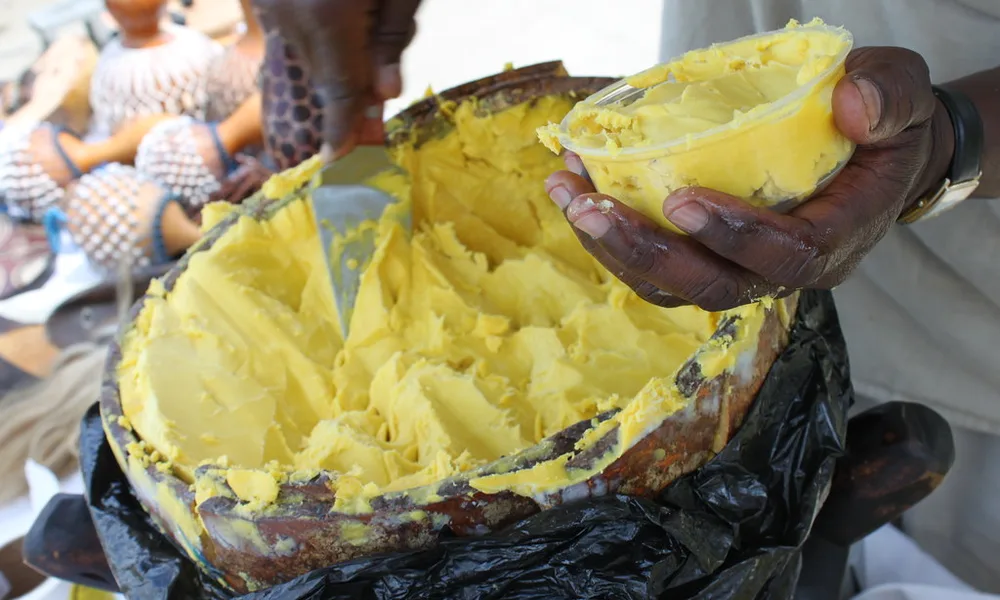
Shea butter is the workhorse of body butters, and it is in more jars than any other butter for good reason. It comes from the nuts of the shea tree, it is rich in vitamins and fatty acids, and it suits almost every skin type, including sensitive skin. It melts easily, sinks in reasonably quickly for a butter, and it is the best choice if you are buying your first body butter.
Cocoa butter is the richest of the three, and the most protective. It is firmer than shea, it smells faintly of chocolate, and it forms a thicker barrier on the skin, which makes it excellent for very dry patches, for skin that cracks in winter, and for heels and elbows that need serious help. Its one drawback is that it is slower to sink in, so it suits evenings and weekends better than rushed mornings.
Mango butter is the lightest of the three, and the easiest to wear. It is soft, almost fluffy when whipped, it has very little scent, and it sinks in faster than shea or cocoa, which makes it a good choice for people who find most butters too heavy. It is also a good choice for warmer weather, when you want the staying power of a butter without the weight.
Matching butter to your skin
Very dry skin
Very dry skin is where body butter earns its reputation. If your shins flake by lunchtime, your elbows feel rough no matter how much lotion you use, or your skin feels tight within an hour of showering, a butter is the right answer. Choose a shea or cocoa butter, apply it to damp skin after your shower, and give it a few minutes to sink in before you dress.
Normal skin
Normal skin does not need a butter every day, but it enjoys one in winter, after a long hot shower, or whenever the air turns dry. A whipped mango or shea butter is the best choice here, because it gives you the lasting softness of a butter without the weight. Our guide to choosing a body lotion for your skin type covers the lighter half of that routine.
Sensitive skin
Sensitive skin and body butter are a good match, as long as you choose an unscented butter with a short ingredient list. Shea and mango butters are naturally gentle, and a plain butter with no added fragrance is one of the least irritating moisturisers you can buy. Patch-test a new butter on the inside of your arm first, and avoid butters with heavy fragrance or essential oils until you know your skin tolerates them.
How to apply body butter so it sinks in
The secret to body butter is warmth and a small amount. Scoop out a pea-sized amount, warm it between your palms for a few seconds until it melts, and then smooth it over one area at a time. Scooped straight from the jar onto cold skin, the same butter sits in a thick layer and feels greasy for an hour.
Timing matters too. The best moment is straight after a shower, when your skin is warm and still slightly damp, because damp skin holds onto moisture far better than dry skin. Pat yourself dry, leave your skin a little damp, and apply the butter while the bathroom is still warm.
Work from the driest areas first. Shins, elbows, knees and heels usually need the most, so give them the first and fullest application, and use whatever is left on your hands for your arms and shoulders. If your skin still feels greasy after ten minutes, you used too much, and a thinner layer next time will fix it.
When butter wins and when it does not
Butter wins in winter, when cold air and indoor heating dry your skin out faster than lotion can replace the moisture. It wins on very dry skin, on rough patches, and on skin that has been scrubbed, because freshly exfoliated skin drinks in a rich butter far better than a light lotion. It also wins at night, when you have hours for it to sink in.
Butter loses on hot, humid days, when a thick layer feels sticky and heavy, and on mornings when you are in a hurry, because it needs a few minutes to sink in before you dress. It also loses on oily skin, on skin that is prone to spots on the chest and back, and anywhere you need a product to disappear instantly. On those days, a light lotion is the better tool.
Butter and the rest of your routine
Body butter works best as the last step of a gentle routine, not as a rescue for a harsh one. Start with a mild wash, because a strong wash strips the oils that butter is meant to replace. Our guide to the best body washes for every skin type explains which formulas are kindest to dry skin.
Exfoliation helps too. A scrub once or twice a week clears the dull layer that stops butter from reaching fresh skin, and butter applied to freshly scrubbed skin sinks in further and lasts longer.
Your face needs a different product, even though the idea is the same. Facial skin is thinner and more reactive than the skin on your body, and a body butter is far too heavy for it. Our guide to why the right moisturizer changes everything explains how to choose a face moisturiser that matches your skin.
Checklist: choosing your body butter
- Check the first ingredient: shea, cocoa or mango butter should come first, not water or mineral oil.
- Choose shea for everyday use, cocoa for very dry skin and winter, and mango if you want the lightest feel.
- Pick unscented if your skin is sensitive, and patch-test any new butter on the inside of your arm first.
- Buy a small jar first, because a butter you enjoy using gets finished, and a jar you dislike sits on the shelf.
- Plan to use a pea-sized amount per area, warmed between your palms, on damp skin after a shower.
- Keep a light lotion as well, for warm days and rushed mornings when a butter is too heavy.
Frequently asked questions
Can I use body butter on my face?
It is best not to. Body butter is made for the thicker skin on your body, and it is far too heavy for the face, where it can block pores and cause spots. Use a moisturiser made for the face instead, with a lighter texture and finer ingredients.
Is body butter better than lotion?
It is better for very dry skin, winter and rough patches, because it is thicker and lasts longer. It is not better for normal skin on warm days, or for mornings when you are in a hurry, when a light lotion is the smarter choice.
Why does my body butter feel greasy?
Usually because you used too much, or applied it to cold, dry skin. Warm a pea-sized amount between your palms first, apply it to warm, slightly damp skin, and wait a few minutes before dressing. If it still feels greasy, try a whipped or mango butter, which sinks in faster.
How long does body butter last on the skin?
A good butter keeps skin feeling soft for most of the day, and often into the next morning, which is much longer than a lotion. If your skin feels dry again within a couple of hours, the butter may be too light for your skin.
Can I use body butter in summer?
Yes, but choose a light one. A whipped mango or shea butter works well in summer, especially on shins and elbows, and after a day in the sun. Save the heaviest cocoa butters for winter, when your skin needs the extra protection.
Does body butter expire?
Yes. Most butters keep for six to twelve months after opening if stored somewhere cool and dry, and natural butters without preservatives go off faster. Throw a butter away if it smells rancid, changes colour or feels gritty in a way it did not when new.
The bottom line
The best body butter for soft skin in 2026 is the one that matches your skin and your life: shea for everyday use, cocoa for the driest days of winter, and mango when you want the softness without the weight. Buy a small jar, warm a little between your palms, and apply it to damp skin after your shower.


