Why the Right Moisturizer Changes Everything in 2026
The right moisturizer changes everything about your skin, and the wrong one changes it too, just in the wrong direction. A good moisturizer leaves your face soft, calm and comfortable for hours, holds makeup in place instead of fighting it, and quietly repairs the barrier that keeps water in and irritation out. A bad one sits on the surface, feels greasy or tight, pills under sunscreen, and by lunchtime your skin looks shinier, drier, or more irritated than it did before you put anything on. The difference is rarely the price on the jar, and it is almost never the brand name. It is the match between the formula and your skin, and this guide explains how to find it.
Key takeaways
- Skin type decides everything: a rich cream that saves dry skin will overwhelm oily skin, and a light gel that suits oily skin will leave dry skin tight.
- Apply moisturizer to slightly damp skin, straight after washing, when the skin is most ready to hold onto water.
- Texture tells you what a moisturizer will do: gels suit oily skin and warm weather, lotions suit most skin most of the year, and creams suit dry skin and cold weather.
- Ingredients matter more than marketing: look for ceramides, glycerin and hyaluronic acid, and be wary of heavy fragrance and drying alcohol.
- Less is usually enough: a pea-sized amount for the face, pressed in gently, beats a thick layer that pills and slides.
What a moisturizer actually does
A moisturizer does two simple jobs. First it adds water to the top layer of the skin, usually with humectants like glycerin and hyaluronic acid that pull moisture in from the air and from deeper layers. Then it seals that moisture in, with emollients and occlusives like ceramides, squalane and shea butter that fill the tiny gaps between skin cells and slow down water loss. Dry skin is often not skin that lacks water, but skin that cannot hold onto it because its barrier is damaged, and a good moisturizer repairs that barrier, which is why skin feels better after a week of the right cream than after the first day.
The best moisturizers at a glance
| Moisturizer | Best for | Texture | Key ingredients | Approx. price |
|---|---|---|---|---|
| Light ceramide lotion | Everyday, most skin | Light lotion | Ceramides, glycerin | $12–$22 |
| Rich fragrance-free cream | Dry skin | Thick cream | Ceramides, shea butter | $14–$28 |
| Weightless gel moisturizer | Oily skin | Clear gel | Hyaluronic acid, glycerin | $12–$24 |
| Balancing lotion | Combination skin | Fluid lotion | Niacinamide, squalane | $14–$26 |
| Soothing barrier cream | Sensitive skin | Soft cream | Ceramides, oat, no fragrance | $16–$30 |
| Peptide night cream | Mature skin, overnight | Rich cream | Peptides, ceramides | $20–$38 |
Choosing a moisturizer for your skin type
Dry skin: a rich, fragrance-free cream
Dry skin needs a different kind of moisturizer, and the best rich creams of 2026 are far more comfortable than the heavy, greasy pots of a few years ago. A good one contains ceramides, glycerin and a little shea butter, and it keeps skin soft all day without feeling like a mask. The finish is a soft, healthy glow rather than a greasy shine, which matters, because light reflected from comfortable skin makes it look plump and healthy, while a flat, tight feeling makes dry skin look dull and tired.
Oily skin: a weightless gel moisturizer
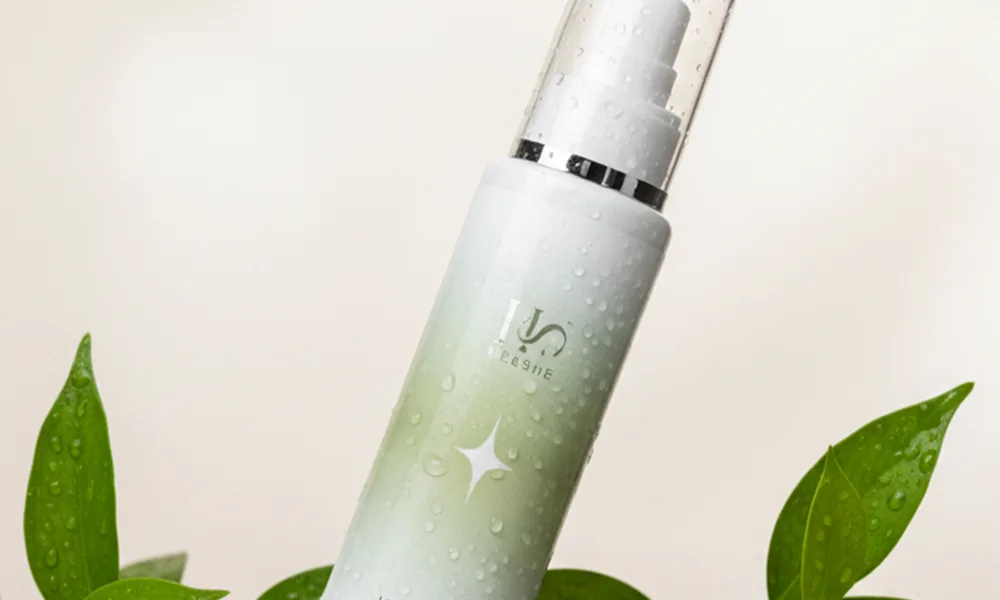
Oily skin still needs moisturizer, and skipping it is the most common mistake people with oily skin make. When skin is stripped and dry underneath, it often produces more oil to compensate, so the right gel moisturizer can actually leave you less shiny by the afternoon. The best gel moisturizers of 2026 are almost water-light, sink in instantly, and leave a clean, matte finish with no residue. A good gel should contain hyaluronic acid or glycerin for hydration, and little or no heavy oil.
Combination skin: a balancing lotion
Combination skin is oily across the forehead and nose and normal or dry everywhere else, and it needs a moisturizer that can do two jobs at once. A balancing lotion is light enough for the oily areas and hydrating enough for the dry ones, and the best ones use niacinamide to even out oil production and squalane to add light moisture without weight. Apply a thin layer all over, then add a second thin layer only on the dry patches, usually the cheeks, rather than loading the whole face with a heavy cream.
Sensitive skin: a soothing barrier cream
Sensitive skin needs the shortest ingredient list you can find, and a soothing barrier cream is built for exactly that. The best ones contain ceramides and oat, they have no fragrance, no drying alcohol, and no essential oils, and they feel like nothing at all going on, which is precisely the point. Sensitive skin reacts to almost everything, so the fewer ingredients there are to react to, the better. A barrier cream also doubles as a repair treatment after over-exfoliation, sunburn, or a reaction to a new product, because it gives the skin the fats it needs to rebuild itself.

Mature skin: a peptide night cream
Mature skin loses moisture faster and repairs itself more slowly, so it needs a moisturizer that works harder overnight, when the skin does most of its repair work. A peptide night cream is richer than a day cream, it contains peptides that support the skin’s own structure, and it is designed to be applied in a slightly thicker layer before bed and left to work for eight hours. The best ones also contain ceramides, because the barrier thins with age and needs more help holding water in.
How to layer moisturizer in your routine
Moisturizer sits in the middle of a skincare routine, after cleansing and any treatment products, and before sunscreen in the morning. The order matters because each layer needs to sink in before the next one goes on. Wash your face, apply any serum while the skin is still damp, wait a minute, then apply moisturizer, then wait another minute before sunscreen or makeup. Rushing the layers is the main reason products pill, and a minute of patience is worth more than any expensive formula. Serums and moisturizer work as a team rather than as rivals, and our guide to the best and worst serums explains which treatments pair well with a good moisturizer and which ones clash with it.
How much to use and when
A pea-sized amount is enough for the whole face, and a little more covers the neck. Most people use far too much, and the excess sits on the surface, pills under makeup, and makes skin look greasy without adding any benefit. Dot the moisturizer across your forehead, cheeks and chin, then press it in gently with your fingertips rather than rubbing hard, because pressing spreads it evenly and rubbing pulls at the skin. Apply it morning and night, every day, without exception, because the barrier needs daily maintenance, not occasional rescue.

Moisturizer through the seasons
Skin needs a different moisturizer in January than it does in July, and refusing to switch is one of the most common reasons a good cream stops working. In winter, cold air outside and heated air inside both strip moisture from the skin, so a richer cream is essential, and many people need to add a second layer at night. In summer, heat and humidity mean the skin holds onto water more easily, so a light gel or lotion is usually enough, and a heavy cream will feel greasy and make makeup slide. Spring and autumn are the transition seasons, when the skin is adjusting and often behaves unpredictably, so a balancing lotion is the safest choice while the weather settles.
The mistakes that waste a good moisturizer
The most common mistake is applying moisturizer to dry skin, which wastes half its power, because the humectants have no water to hold onto. The second is using too much, which causes pilling and shine. The third is rubbing it in hard, which irritates the skin. The fourth is skipping moisturizer because your skin is oily, which makes the oiliness worse. The fifth is buying by brand or price instead of by skin type. The sixth is expecting a moisturizer to fix everything on its own, when sun protection matters just as much, so our guide to the best sunscreens is worth reading alongside this one. And the seventh is forgetting the rest of the body: our guide to choosing body lotion for your skin type covers the skin below your chin.
Moisturizer buying checklist
- Know your skin type before you shop: dry, oily, combination, sensitive or mature, because the right texture follows from it.
- Check the ingredient list for ceramides, glycerin or hyaluronic acid, and avoid heavy fragrance and drying alcohol.
- Choose a gel for oily skin, a lotion for most skin, and a cream for dry skin and cold weather.
- Buy a size you will actually finish: a face moisturizer lasts about two to three months at twice-daily use.
- Patch test a new moisturizer on your jawline for two or three days before using it all over your face.
- Judge a moisturizer after two weeks, not two days, because the barrier needs time to repair and the first-day feeling is not the full story.
Frequently asked questions
Do I need moisturizer if my skin is oily?
Yes. Oily skin still loses water, and when it is dehydrated underneath, it often produces more oil to compensate. A light gel moisturizer hydrates without adding oil, and most people with oily skin find they are less shiny by the afternoon once they start moisturising properly.
Should I use a different moisturizer in summer and winter?
Usually, yes. Skin holds onto water more easily in warm, humid weather, so a light gel or lotion is enough in summer, while cold air and indoor heating strip moisture in winter, so a richer cream is needed. Switch when your skin tells you to, not when the calendar says so.
Can I use body lotion on my face?
You can in an emergency, but you should not make a habit of it. Body lotion is made for thicker skin and is often heavier and more fragranced than a face moisturizer, so it can clog pores and irritate the face. A dedicated face moisturizer is lighter, better matched to facial skin, and not much more expensive.
How long does it take for a moisturizer to work?
Comfort comes immediately, but real change takes about two weeks, because that is how long the skin barrier needs to repair itself. If your skin feels better after a fortnight of using the right cream, the moisturizer is working. If nothing has changed, the formula is not right for your skin.
Should I apply moisturizer before or after serum?
After serum. Serums are concentrated treatments designed to sink into the skin, and moisturizer goes on top to seal them in. Apply serum to damp skin, wait a minute, then apply moisturizer, then wait another minute before sunscreen or makeup.
Does expensive moisturizer work better than cheap moisturizer?
Not necessarily. The ingredients that matter, ceramides, glycerin and hyaluronic acid, are not expensive, and many affordable moisturizers contain them. What you pay for in a luxury jar is often the packaging and the brand, not better hydration. Judge a moisturizer by its ingredient list and by how your skin feels after two weeks, not by its price.
The bottom line
The right moisturizer changes everything because it does the quiet work that makes everything else possible: it holds water in the skin, repairs the barrier that keeps irritation out, and gives every other product a healthy surface to work on. Find the texture that matches your skin, apply it to damp skin twice a day, use a pea-sized amount pressed in gently, and switch textures when the seasons change. Do that, and your skin will be softer, calmer and more comfortable within a fortnight.