A serum is the smallest bottle in your skincare shelf and the one that promises the most. A good serum sinks into the skin in under a minute, leaves it soft and calm, and over a few weeks makes a visible difference: brighter, smoother, more even skin that holds moisture better. A bad one sits on the surface, feels sticky or greasy, pills under moisturizer, and after a month of faithful use your skin looks exactly the same, or worse. The difference is rarely the price on the bottle.
This comparison puts the best serums of 2026 head to head against the worst, judging them the way you would actually use them: how the texture feels on real skin, how fast it absorbs, whether it plays nicely with the rest of your routine, and whether your skin genuinely looks better after four weeks. The same honest testing sits behind our comparison of the best and worst moisturizers of 2026, because a skincare product earns its place the same way whatever it is: it has to work on a real person on a real day.
Key Takeaways
- One active ingredient, done well, beats five done badly: a serum with a clear job and a sensible strength works better than a crowded formula that does nothing properly.
- Texture tells the truth fast: a good serum sinks in within a minute, while a bad one stays sticky, greasy or tight long after you have applied it.
- Four weeks is the honest test: skin renews slowly, so a serum that promises overnight miracles is selling a story, not a result.
- Layering order matters: a serum goes on clean, slightly damp skin before moisturizer, and putting it on in the wrong order wastes most of the bottle.
- Irritation is a fail, not a sign it is working: stinging, redness and flaking mean the formula is too strong for your skin, whatever the label claims.
How a Serum Actually Works
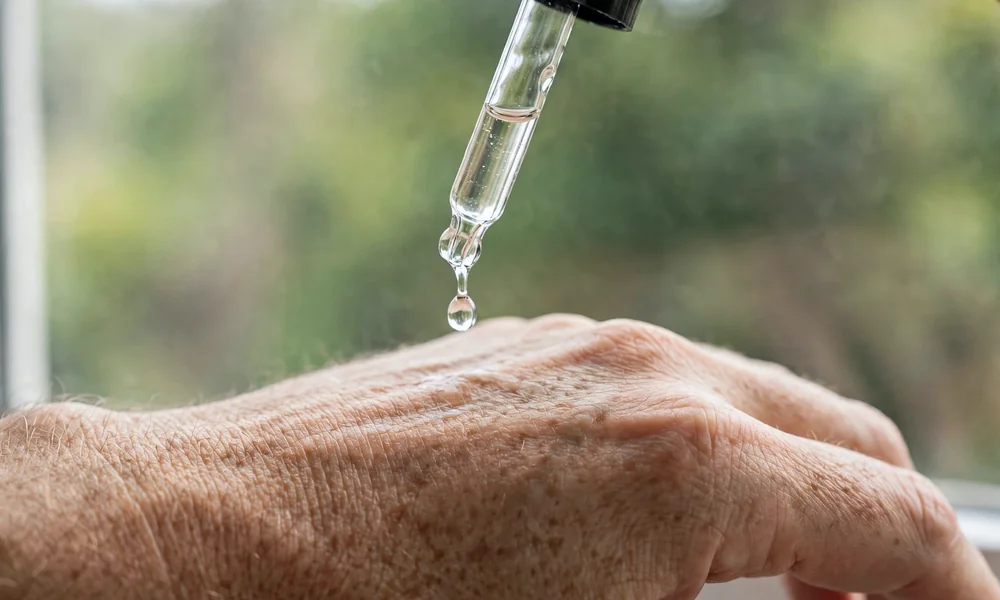
A serum is a concentrated liquid built around one or two active ingredients, with very little filler. Where a moisturizer is mostly water, oils and butters designed to sit on the skin and seal moisture in, a serum is designed to deliver a small amount of a strong ingredient as far into the skin as it can go. That is why serums come in dropper bottles and why a few drops are enough: the dose is small, the concentration is high, and the texture is thin so it can sink in rather than sit on top.
The active ingredient is the whole point, and the common ones each do a different job. Vitamin C brightens dull skin and helps even out tone, and it works best in the morning under sunscreen. Hyaluronic acid holds water in the skin and suits almost everyone, because it hydrates without oil. Niacinamide calms redness and helps the skin barrier, and it is one of the gentlest actives to start with. Retinol speeds up skin renewal and softens fine lines, but it is strong and needs to be introduced slowly.
What Makes a Serum One of the Best
The best serums of 2026 share one quality above all others: they do what the label says, at a strength your skin can actually use. The active ingredient is present in a meaningful amount, the formula is stable enough to stay effective until the bottle is finished, and the results show up gradually over three or four weeks. Your skin looks brighter, smoother or calmer, and the change is visible in daylight, not just in the bathroom mirror after you have just applied it. A good serum earns its place slowly and honestly.
Texture is the second mark of a good serum. A good one feels light on the skin, spreads easily with two or three drops, and sinks in within a minute without leaving a sticky film. It does not pill when you put moisturizer over it, and it does not leave your skin feeling tight or greasy an hour later. The dropper works cleanly, giving you the same few drops every time, and the bottle seals properly so the formula does not oxidise or dry out.
Compatibility matters too, because a serum never works alone. A good serum layers neatly under moisturizer and sunscreen, and it does not fight with the other products in your routine. A vitamin C serum sits happily under sunscreen in the morning, and a retinol serum works at night followed by a simple moisturizer. A good serum also tells you plainly what not to mix it with, because some combinations, like retinol and strong vitamin C together, irritate the skin rather than helping it. The best serums fit into a routine instead of demanding a new one.
Finally, a good serum is kind to the skin it is meant to help. It does not sting on application, it does not leave the skin red or flaky, and it does not make breakouts worse. For sensitive skin this matters most of all: a good serum for sensitive skin keeps its active ingredient gentle and its formula short, with no added fragrance to irritate. If your skin feels calm and comfortable an hour after applying, and still feels that way after a month, the serum has passed one of its hardest tests.

What Makes a Serum One of the Worst
The worst serums fail quietly, which is what makes them so annoying. The bottle promises brighter, firmer, younger skin, and after a month of twice-daily use nothing has changed at all. The active ingredient is present in such a tiny amount that it cannot do anything, or it is an unstable form that stopped working before the bottle was even opened. You have spent good money and a month of mornings on a bottle of scented water, and the only thing that changed is the level in the bottle.
Texture is the fastest way to spot a bad serum. A bad one stays sticky for half an hour, leaves a greasy shine that no moisturizer can fix, or dries so tight that your skin feels like it is shrinking. Some pill the moment you put anything over them, rolling into little white flakes that ruin your makeup. Others are so thick they are really a thin moisturizer pretending to be a serum, and they never sink in at all. A serum that fights your skin instead of sinking into it has failed its first job.
Irritation is the failure that matters most, because it is about your skin, not your appearance. A bad serum stings the moment it touches your face, leaves red patches that last for hours, or causes flaking and breakouts within a week. Some are so strong that they damage the skin barrier, leaving your skin more sensitive than before you started. A little tingling from a strong active can be normal, but pain, persistent redness and peeling are not a sign that it is working: they are a sign to stop. No result is worth skin that hurts.
The last sign of a bad serum is how it ages in the bottle. A vitamin C serum that turns dark orange or brown has oxidised and lost its power, and using it can irritate the skin. A dropper that clogs, a cap that never seals, and a bottle that leaks in the drawer all tell the same story: the packaging was an afterthought. Some serums change smell within a few weeks, which is a clear sign to throw them away. A bad serum costs you twice: once when you buy it, and again when you have to replace it far sooner than you should.

How to Test a Serum Before You Commit
The best test is the patch test, and it takes a minute. Put a few drops on the inside of your wrist or behind your ear, and wait a day. If the skin stays calm, with no redness, itching or bumps, the serum is probably safe for your face. This matters most with strong actives like retinol and vitamin C, which can irritate skin that is not used to them. A serum that fails the patch test will not get better on your face, so do not skip this step, however keen you are to start.
The second test is the four-week test, and it is the one most people skip. Use the serum once or twice a day for a full month, and take a photo of your skin in the same daylight at the start and at the end. Compare the two honestly: is your skin brighter, smoother, calmer or more even, or does it look exactly the same. A good serum shows a real, visible change by week four. A bad one shows nothing, and that is your answer. Keep the rest of your routine the same during the test, so you know the serum is what made the difference.
Texture and layering deserve their own test, because they decide whether you will keep using the bottle. Apply the serum on clean, slightly damp skin, wait a minute, then put your moisturizer over it. Does the serum sink in cleanly, does the moisturizer sit well on top, and does your skin still feel comfortable an hour later. A good serum layers neatly and plays well with the rest of your routine, as our comparison of the best vitamin C of 2026 shows: a well-made active product should fit into the routine you already have, not demand a new one. If the serum pills, stays sticky, or makes your moisturizer slide off, it is not going to get better with time.
Finally, check the bottle itself, because it tells you how long the serum will stay good. A vitamin C serum should be clear or pale, not dark orange, and it should smell neutral, not sharp or stale. The dropper should give clean, even drops, the cap should seal tightly, and the bottle should be kept out of sunlight and heat. Sun protection matters alongside any brightening serum, so it is worth reading our guide to the best sunscreens of 2026 too: a serum can only do its job if the sun is not undoing it every day. A serum that is already oxidised, clogged or stale when you open it was never going to work.
The Verdict
The best serums of 2026 are not the most expensive ones, and they are not the ones with the most dramatic advertising. They are the ones with a clear active ingredient at a sensible strength, a light texture that sinks in within a minute, a formula that layers neatly under moisturizer and sunscreen, and results you can genuinely see after four weeks. They treat your skin kindly, stay stable until the bottle is finished, and make your skin look like a better version of its own. Buy one of those and the rest of the routine becomes easy.
The worst serums fail quietly and keep failing: a sticky texture that never sinks in, an active ingredient too weak or too unstable to do anything, irritation that leaves your skin worse than before, and a bottle that goes off before you have used half of it. No amount of patience rescues them, and the money you save on the bottle you spend again in time and frustration. Spend a little more on a serum that behaves, patch-test it first, give it four honest weeks, and your skin will look better for longer with far less effort.