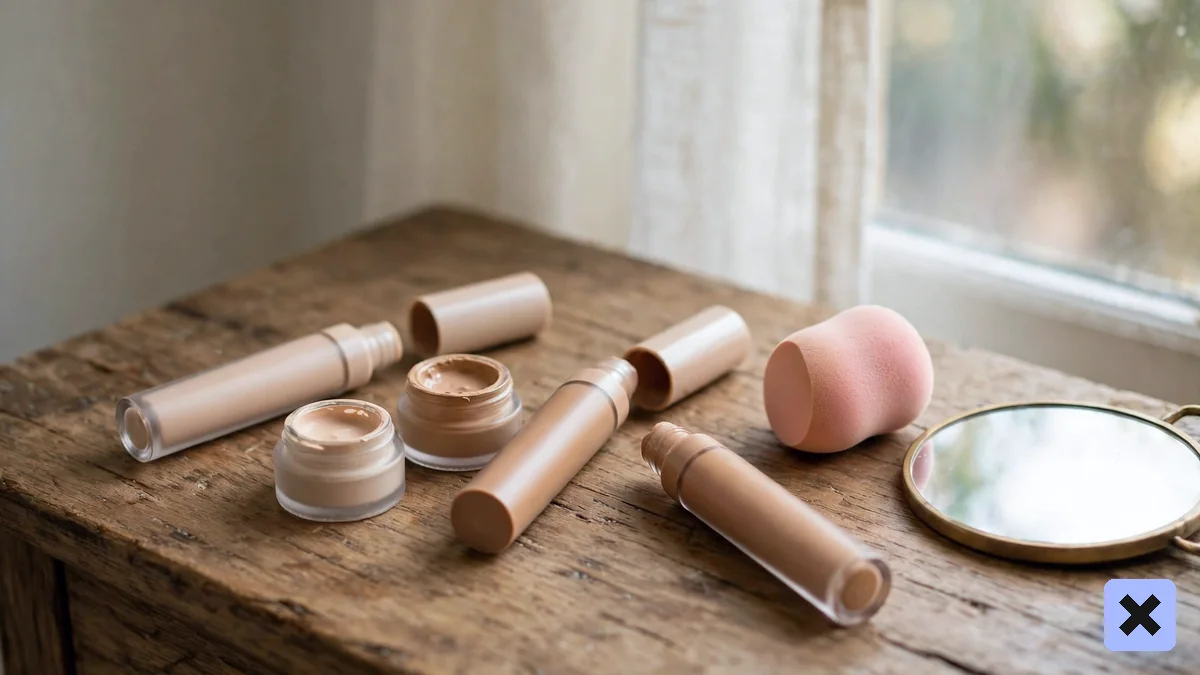
Concealer is the quiet workhorse of a makeup bag. It is the product that hides a spot before a meeting, brightens tired eyes on a Monday morning, and covers the redness around the nose on a cold day, all without anyone ever noticing it is there. When it works, it is invisible. When it fails, it is the first thing anyone sees: a pale patch under the eye, a cakey line in a crease, or a shade that turns grey by lunchtime. There is no product where the gap between good and bad is more obvious, or more personal.
This comparison puts the best concealers of 2026 head to head against the worst, judging them the way you would actually wear them: how naturally they blend, whether they crease or cake through the day, how honestly the shade matches real skin, and whether they stay comfortable on the thinnest skin on your face. Concealer works closest with foundation, so it helps to know how the two fit together, and our guide to the best and worst foundations of 2026 explains why a good base makes every concealer perform better.
Key Takeaways
- Shade and undertone matter more than coverage: a concealer one shade wrong looks worse than no concealer at all.
- Less product is more: three small dots blended well beat one thick stripe every time.
- The under-eye area needs a lighter, more flexible formula than a spot on the cheek.
- A good concealer stays put for eight hours without creasing, caking or turning grey.
- Price is a poor guide: some of the best concealers of 2026 cost less than a sandwich.
How Concealer Actually Works
A concealer is a highly pigmented cream, liquid or stick designed to cover a small area of skin completely. It is essentially foundation in concentrated form: more pigment, less spread, and a formula built to stay exactly where you put it. That concentration is what makes it powerful and what makes it risky.
Undertone is the part most people get wrong, and it is the reason so many concealers look grey or ashy on the skin. Skin has a warm, cool or neutral undertone beneath its surface colour, and a concealer must match that undertone as well as the depth of the shade. A warm-toned concealer on cool skin looks yellow, a cool-toned concealer on warm skin looks grey, and a shade that is simply too light creates a pale patch that draws the eye straight to the thing it was meant to hide. For dark circles, the fix is often a peach or salmon corrector underneath, because peach cancels out the blue and purple tones of tired under-eyes in a way that a beige concealer alone cannot.
Texture decides whether a concealer blends or fights you. The skin under the eye is the thinnest on the face, it moves constantly when you blink and smile, and it has almost no oil glands, so it dries out easily. A good under-eye concealer is flexible: it moves with the skin instead of cracking into fine lines. A thick, dry concealer does the opposite, settling into every crease within an hour and making the under-eye area look older rather than fresher. For blemishes the balance flips: you want a drier, firmer formula that grips the spot and stays put, because a creamy concealer will slide off a raised blemish by midday.
The Best Concealers of 2026
The best concealers share a simple quality: they disappear. They blend into the skin in seconds, they look like skin rather than makeup, and hours later they still look the same. The best formulas tend to be balanced rather than extreme: medium coverage that can be built up, a flexible texture, and a shade range that covers real skin tones rather than a handful of pale beiges.

Blendability is where the winners separate themselves. A good concealer melts into the skin with a fingertip, a sponge or a brush, and the edges vanish completely. The warmth of a fingertip is often the best tool for under-eyes, because it softens the product and presses it into the skin, while a damp sponge gives the most seamless finish for larger areas. The worst concealers resist blending: they sit in a stripe, they dry too fast to work with, or they go patchy the moment you try to spread them. If a concealer fights you in the first thirty seconds, it will not get better through the day.
Staying power is the second test, and it shows up at the end of a long day rather than in the morning. A good concealer survives eight hours, a commute, a warm office and a few laughs without creasing, fading or changing colour. It should not oxidise, which is the industry word for a formula that darkens or turns orange as it reacts with the air and the oils on your skin. The best performers stay true to their shade from morning to evening, and they do it without needing a heavy layer of powder on top. A light dusting of powder helps set the under-eye area, but a concealer that only works under a thick layer of powder is not a good concealer.
The Worst Concealers of 2026
The worst concealers fail in ways that are easy to recognise once you know what to look for. The most common failure is creasing: the product gathers in the fine lines under the eye within an hour, drawing attention to the exact area it was meant to smooth. This usually happens with formulas that are too thick, too dry, or simply too heavy for the delicate under-eye skin. Applying less helps, but a concealer that creases at any amount is a formula problem, not a technique problem, and no amount of setting powder will fully fix it.

Then there are the concealers that change colour on the skin. Oxidation is the most frustrating of these, because the shade looks perfect in the shop and wrong by lunchtime. A concealer that turns orange or grey as the day goes on is reacting with the warmth and oil of your skin, and it will do it every time you wear it. Shade ranges are the other quiet failure: many brands still offer a narrow band of light-to-medium beige, leaving deep skin tones with nothing that matches, and leaving warm and cool undertones with no real choice at all. A concealer cannot do its job if the right shade does not exist.
Finding Your Shade
Finding the right concealer shade is a practical skill, and it is worth doing properly rather than guessing. Test a shade on your jawline in daylight, not under shop lighting, and wait five minutes before judging it, because many formulas darken slightly as they dry. For under-eyes, choose a shade one step lighter than your foundation and slightly peachier, because that combination brightens without looking pale. For blemishes, match your foundation exactly, because anything lighter will highlight the spot rather than hide it. And always test on the area you will actually use it, because the skin under your eye is a different colour from the skin on your cheek.
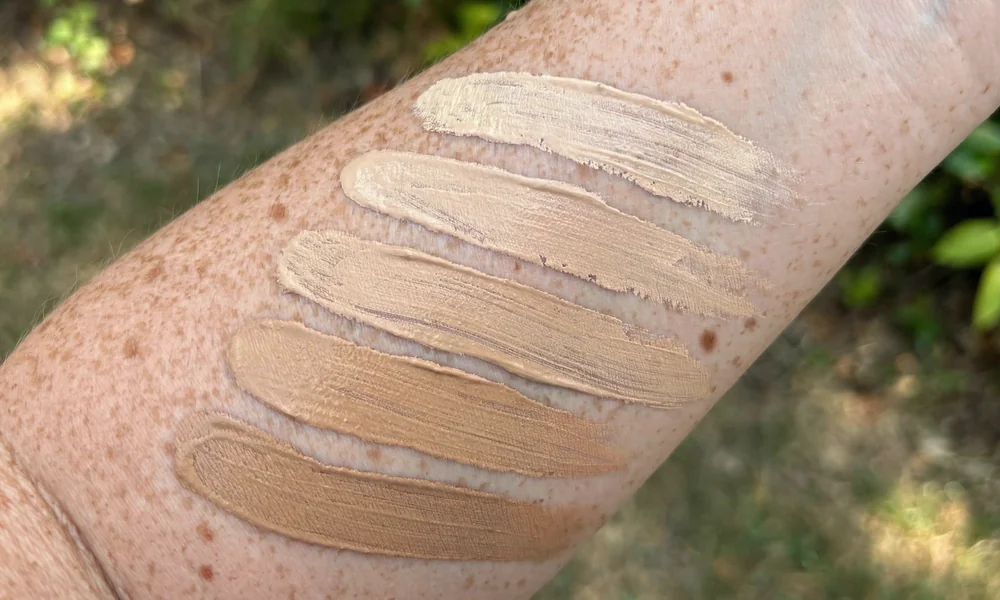
Undertone is worth a second look, because it is where most shade mistakes happen. Hold a concealer next to your bare skin in daylight and look at the edge where the two meet: if the concealer looks yellow against your skin, it is too warm; if it looks grey or pink, it is too cool; if the edge disappears, the undertone is right. If you struggle with dark circles that no beige concealer covers, try a colour corrector first: peach for blue and purple circles, and green only for strong redness. The tool you use matters too, and our comparison of the best and worst makeup brushes of 2026 explains which brushes blend concealer without leaving streaks.
How to Apply Concealer Properly
The honest way to apply concealer is to start with less than you think you need. Three small dots under each eye, or one tiny dot on a blemish, is usually enough, and you can always add a second thin layer if the first is not enough. Blend the edges, not the centre: press and pat the product into the skin with a fingertip or a damp sponge, and leave the middle of the dot where it is, because that is where the coverage lives. Blending the centre away is the most common mistake, and it is why so many people feel their concealer does nothing.
Skin preparation matters as much as the product itself. Concealer applied to dry, flaky skin will look dry and flaky, because it can only sit on the surface it is given. A light moisturiser, given a few minutes to sink in, makes an enormous difference to how a concealer blends and how long it lasts. Our comparison of the best and worst moisturisers of 2026 covers the creams that keep the skin around your eyes healthy enough for concealer to do its job. Avoid heavy eye cream right before concealer, though, because a greasy base makes the product slide, and always let each layer dry for a minute before adding the next.
The Verdict
The best concealers of 2026 are the invisible ones: the right shade, the right undertone, a flexible texture that blends in seconds, and a finish that stays true from morning to evening. They cost very little, they need only a few dots, and they make the skin look like better skin rather than made-up skin. The worst are the visible ones: the wrong shade, a formula that creases or oxidises, or a texture that cakes and cracks. Choose a concealer the way you would choose a good pair of shoes: fit matters more than fashion, comfort matters more than coverage claims, and the one you forget you are wearing is the one that fits.
Quick Answers
Should concealer go on before or after foundation? After, in almost every case. Foundation evens out the skin first, so you need far less concealer afterwards, and the concealer can target the few spots that remain. The exception is colour corrector, which goes on before foundation, because it needs the foundation and concealer on top to blend it into the skin.
Why does my concealer crease under my eyes? Usually because too much product was applied, or because the formula is too thick and dry for the thin under-eye skin. Use less, blend it well, and set it with a very light dusting of powder. If it still creases with a tiny amount, the formula is the problem, and a lighter, more flexible concealer will serve you better.
How do I stop concealer looking grey? Grey usually means the shade is too cool or too light for your skin. Try a shade with a warmer, peachier undertone, or add a thin layer of peach colour corrector underneath. Testing the shade in daylight, and waiting five minutes for it to dry before judging, will catch most grey problems before you buy.
How long does concealer last once opened? About six to twelve months for most liquid and cream concealers, and the wand or pot should be replaced sooner if the texture, smell or colour changes. A concealer that has dried out, gone clumpy or separated will not apply smoothly, and using old product around the eyes is not worth the risk. Keep the cap shut, store it upright, and keep it out of warm bathrooms where heat speeds up the drying.


