Foundation is the hardest makeup to buy and the easiest to get wrong. A good one disappears: it evens out skin, softens redness, and leaves people thinking you have great skin rather than great makeup. A bad one does the opposite. It sits on the surface, shows every dry patch, turns orange by lunchtime, and announces itself from across the room. The difference is rarely the price.
This comparison puts the best foundations of 2026 head to head against the worst, judging them the way you would actually wear them: how the shade looks in daylight, how the texture feels after an hour, whether it lasts through a working day, and whether your skin looks better at five in the afternoon. Good skin underneath helps every foundation, and our guide to vitamin C for brighter, healthier skin is a useful place to start, because even the best foundation cannot do the work of healthy skin on its own.
Key Takeaways
- Shade is everything: a foundation even slightly too dark, too light, too pink or too yellow will look wrong in daylight, however good the formula is.
- Test on your jawline, not your hand: the jawline shows whether a shade blends into your neck, while your hand is a different colour entirely.
- Finish should match your skin: a dewy finish flatters dry skin and overwhelms oily skin, while a matte finish does the exact opposite.
- Less is more: a thin layer, blended well, looks like skin, while a thick layer looks like makeup and cracks by the afternoon.
- Check it after an hour: a good foundation looks the same after an hour, while a bad one oxidises, cakes or slides.
How Foundation Actually Works
A foundation is a tinted cream, liquid or powder designed to even out skin tone, and its job is to look like skin, only better. At its heart it is pigment suspended in a base of water, oil or silicone, with ingredients that control shine, help it stick to the skin, and keep it from settling into lines. Change the balance and you change everything: more pigment gives more coverage but a heavier feel, more oil gives a dewy glow but less staying power, more powder gives a matte finish but a drier look, so every formula is a trade-off.
Coverage is the first thing to understand, because more is not always better. A sheer foundation lets freckles show through and takes the edge off redness, which is enough for most days. A medium foundation covers redness and uneven tone while still looking like skin. A full-coverage foundation hides almost everything, but it is hardest to apply well, most likely to cake, and most obvious in daylight.
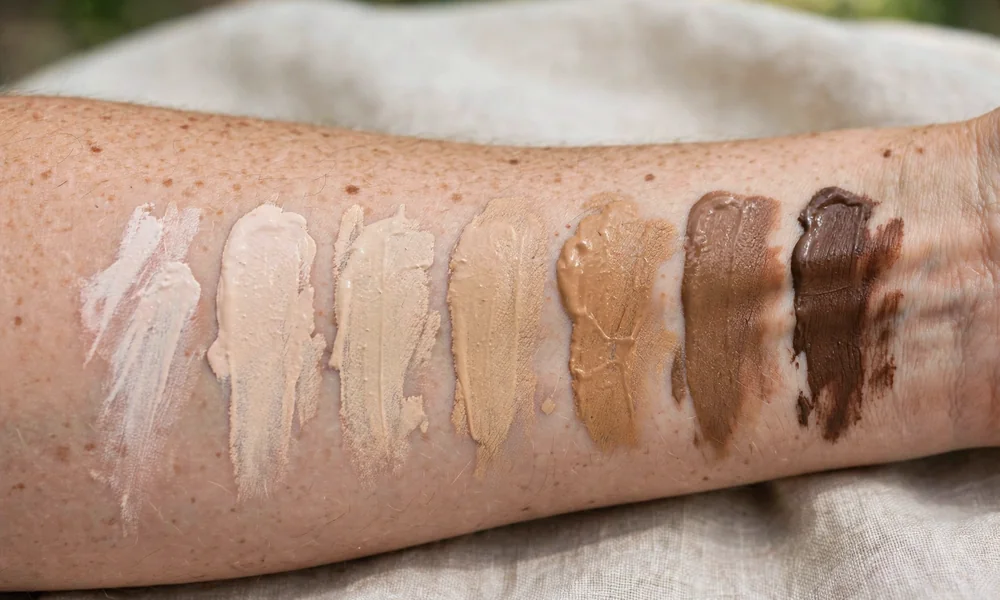
Undertone is the second test, and the one most people get wrong. A warm foundation has yellow or golden tones, a cool one has pink tones, and a neutral one sits between the two. Put a pink foundation on warm skin and it looks grey; put a yellow one on cool skin and it looks sallow. The only reliable test is on your own jawline, blended toward your neck, in daylight, after ten minutes.

The Best Foundations of 2026
The best foundations of 2026 share three traits. They match real skin in daylight, they feel light and comfortable for hours, and they look the same at the end of the day as they did at the start. Here are the three kinds worth buying this year.
Best for everyday wear: a medium-coverage satin foundation
For most days, the best foundation is a medium-coverage one with a satin finish, the kind that looks like healthy skin rather than makeup. It evens out redness and uneven tone, covers a spot or two without hiding your face, and lets a little natural texture show through, which is what makes it look real. A good one blends with fingers, a sponge or a brush, and sets within a minute.
The best everyday foundations come in wide shade ranges with clear warm, cool and neutral options, so you can find a true match instead of settling for the nearest one. Apply a thin layer to the centre of the face, where redness is worst, and blend outward, adding a little more only where you need it. If you can see where the foundation starts and stops, the shade is wrong or you have used too much.
Best for dry skin: a hydrating, dewy foundation
Dry skin needs a different kind of foundation, and the best ones in 2026 are hydrating formulas with a dewy, light-reflecting finish. They contain moisturisers and light oils that keep skin comfortable all day, and they glide over dry patches instead of clinging to them. The finish is a soft glow rather than a flat matte, which matters, because light reflected from the skin makes it look plump and healthy, while a flat matte can make dry skin look dull and tired.
Preparation matters more than the product here. Moisturise well, wait ten minutes, and apply with a damp sponge, pressing it into the skin rather than rubbing it across. A damp sponge sheers the foundation out and keeps it from gathering in dry patches. Avoid powders on top, which undo the glow and emphasise dryness, and avoid very matte foundations entirely: on dry skin they cake within hours.
Best for oily skin: a long-wear matte foundation
Oily skin needs the opposite approach, and the best long-wear matte foundations of 2026 are far more comfortable than the heavy, mask-like mattes of a few years ago. A good one controls shine for hours without feeling tight, resists sliding in warm weather, and keeps its colour true instead of turning darker as the day goes on. The texture should be light and fluid, not thick and pasty, and it should set to a soft matte rather than a flat, powdery finish.
Apply it thinly, because a thick layer of matte foundation is the fastest way to look caked. Use a brush or a sponge, blend quickly before it sets, and press a little powder only where you shine most, usually the forehead, nose and chin. A good matte foundation will still need a blot by late afternoon on very oily skin, and that is normal. What it should not do is slide off, separate around the nose, or turn orange by lunchtime.
The Worst Foundations of 2026
The worst foundations are not always cheap, and they are not always obvious in the shop. Some look wonderful for the first ten minutes and fall apart by lunchtime. These are the three kinds to walk past this year.
Worst for shade: the foundation that oxidises and turns orange
The worst foundations of 2026 are the ones that change colour after you apply them. They look like a perfect match in the mirror, then oxidise over the next hour, turning darker, warmer and unmistakably orange. By lunchtime your face is a different colour from your neck. This is an unstable pigment reacting with air, oil and warmth, and a sign of a cheap or poorly made formula.
These foundations are easy to spot if you test properly. Apply a stripe to your jawline, blend it toward your neck, and wait at least ten minutes, ideally an hour. If the colour darkens or turns orange, walk away, however good it looked at first. A foundation that oxidises will oxidise every time, and no primer or powder will stop it.
Worst for texture: the caking foundation that shows every dry patch
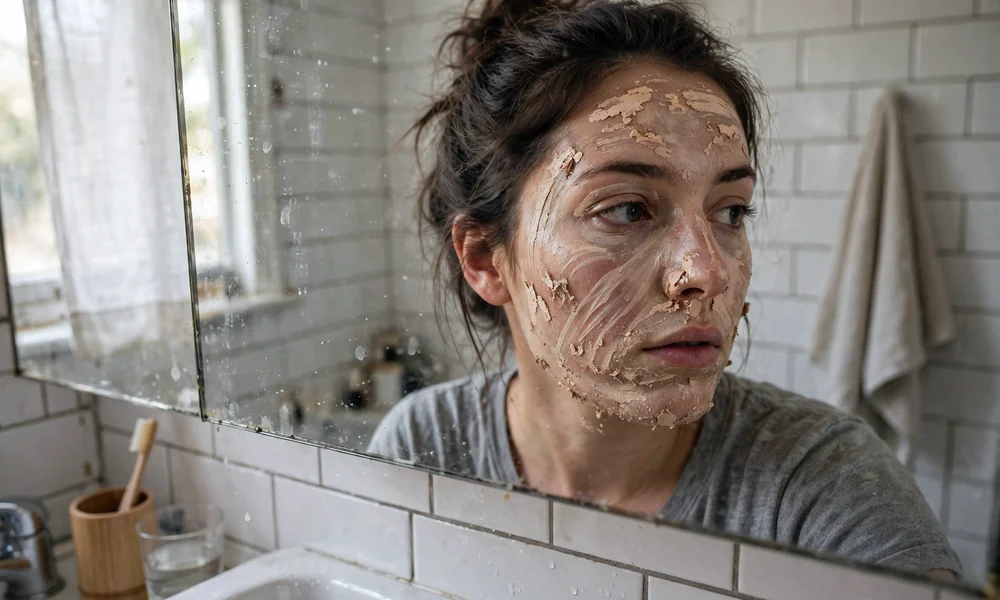
Some foundations fail not because of colour but because of texture. They are too thick, too dry, or too powdery, and they sit on the surface of the skin instead of blending into it. Every dry patch, fine line and pore is emphasised, and by the afternoon the foundation has gathered into creases, cracked across the cheeks, and started to flake. Instead of smoothing skin, it draws attention to every imperfection.
The giveaway is how it feels when you apply it. If it drags, pills, or needs heavy rubbing to blend, it is too thick or too dry for your skin. If it looks good in the bathroom mirror and terrible in daylight, the coverage is too heavy or the finish is too matte. A good foundation should disappear into the skin within a minute of blending. If you can still see it sitting there, it is the wrong foundation.
Worst for wear: the foundation that slides off by lunchtime
The third failure is wear. Some foundations look beautiful when first applied and then do not last. They slide off in warm weather, separate around the nose and chin, and transfer onto every phone screen, collar and cup you touch. By lunchtime half of it is gone, and what is left is patchy, shiny and uneven, so you either touch it up constantly or give up and wipe it off.
Wear is worst on oily skin and in warm weather, but a good foundation should cope with both. If it disappears within two hours on a normal day, the formula has too little staying power, and no setting spray will fully save it. Sun protection underneath matters too: a heavy sunscreen can make foundation slide, so our guide to sunscreens that sit well under makeup is worth reading before you blame the foundation alone. But if it slides even over a light, well-absorbed base, the foundation is the problem.
How to Choose a Foundation That Matches You
Start with your skin, not the shade. Cleanse, moisturise, and wait ten minutes before you try anything on. Foundation applied to dry skin will always look worse than the same foundation on looked-after skin. Skin health underneath matters too, and our guide to collagen powder and what actually matters before you buy is a useful reminder that what you put on your skin is only half the story.
Then test properly. Apply stripes of two or three shades along your jawline, blend each one toward your neck, and step into daylight. The right shade disappears into your skin; the wrong one leaves a visible line. Wait an hour if you can, and check again: the shade after an hour is the shade you will actually wear.
Think about your skin type, too. Dry skin needs a hydrating, dewy formula and a damp sponge. Oily skin needs a light, long-wear matte and a thin application. Combination skin usually needs a satin finish, with powder only on the shiny areas. If a foundation feels heavy or uncomfortable in the shop, it will feel worse at home, and one you forget you are wearing is almost always the right one.
The Verdict
The best foundations of 2026 are the ones that disappear: a medium-coverage satin foundation for everyday, a hydrating dewy formula for dry skin, and a light long-wear matte for oily skin. They match in daylight and feel comfortable for hours. The worst are the shades that oxidise and turn orange, the thick formulas that cake and show every dry patch, and the ones that slide off by lunchtime.
Buy fewer foundations, and buy better ones. Test on your jawline in daylight, wait an hour, and trust what you see over what the bottle promises: if a foundation looks like skin after an hour, it is probably a good one. The right foundation should make people notice your skin, not your makeup, and that is the whole point of wearing it.