Eyeshadow is the makeup that rewards a light hand and punishes a heavy one. A good shadow blends into a soft wash of colour, stays where you put it, and still looks fresh at the end of the day. A bad one drops powder all over your cheeks, fades within an hour, creases into a line above your eye, and by lunchtime looks patchy and tired. The difference is rarely the price of the palette.
This comparison puts the best eyeshadows of 2026 head to head against the worst, judging them the way you would actually wear them: how smoothly they blend, how much fallout they leave, whether they last through a working day, and whether the colour you see in the pan is the colour you get on your eyelid. A good base helps every shadow, and our guide to foundations that disappear into skin is a useful place to start,
Key Takeaways
- Blendability is everything: a good shadow melts into the skin with a brush, while a bad one sits in a hard, obvious line.
- Test on your own eyelid, not your hand: the eyelid is warmer, oilier and thinner than your hand, and shadows behave differently there.
- Matte and shimmer do different jobs: matte shades shape and define, shimmer shades catch the light, and a good look needs both.
- Less product is more: a little shadow, built up slowly, looks smooth, while a heavy load drops powder and creases.
- Check it after an hour: a good shadow looks the same after an hour, while a bad one has faded, creased or migrated.
How Eyeshadow Actually Works
An eyeshadow is coloured powder, cream or stick designed to sit on the eyelid, and its job is to add depth, light and colour to the eyes. At its heart it is pigment mixed with a base of powder, wax or oil, with ingredients that help it stick to the skin and stay put. Change the balance and you change everything: more pigment gives stronger colour but more fallout, more oil gives a creamier feel but less staying power, more powder gives a softer finish but a drier look, so every formula is a trade-off.
Finish is the first thing to understand, because matte and shimmer behave very differently. A matte shadow has no shine, which makes it perfect for shaping the crease and adding depth, but it can look flat and chalky if the formula is poor. A shimmer shadow contains tiny reflective particles that catch the light, which makes the eyes look brighter and more awake, but it can also emphasise texture and crease faster on oily lids.
Staying power is the second test, and the one most people get wrong. The eyelid is one of the oiliest parts of the face, and it moves thousands of times a day, so a shadow has to grip the skin and flex with it. A bad one slides into the crease within an hour, leaving a dark line and bare skin everywhere else.
The Best Eyeshadows of 2026
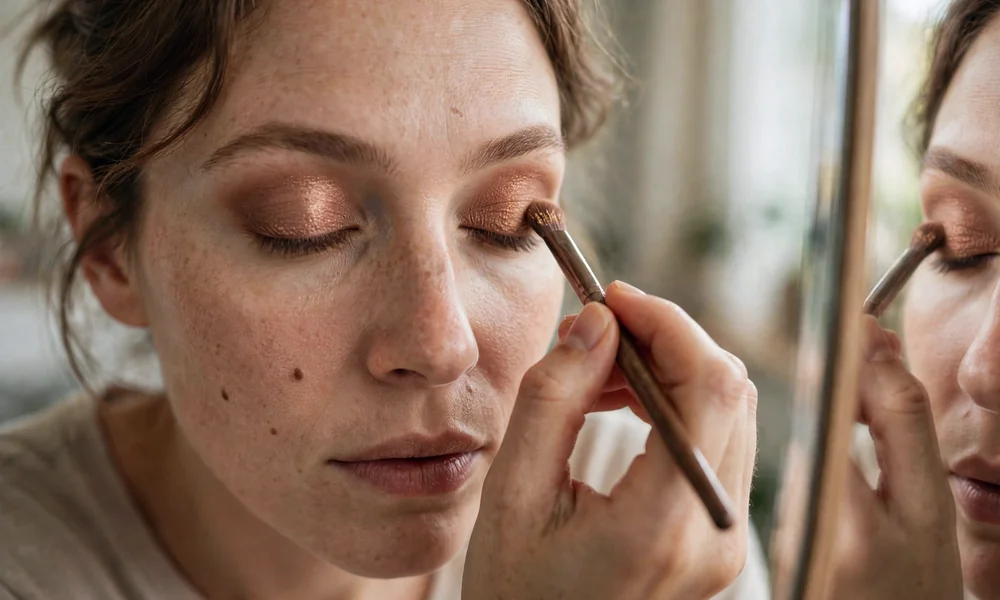
The best eyeshadows of 2026 share three traits. They blend smoothly with little effort, they stay put for hours without creasing, and the colour in the pan is the colour you get on your eyelid. Here are the three kinds worth buying this year.
Best for everyday wear: a soft matte neutral palette
For most days, the best eyeshadow is a small palette of soft matte neutrals, the kind that shapes the eye without shouting about it. A warm brown in the crease, a lighter bone shade under the brow, and a slightly deeper shade at the outer corner is enough for almost any day, and the result looks polished rather than made up. A good matte blends with two or three sweeps of a fluffy brush, and it layers without going patchy.
The best everyday palettes have a mix of warm and cool neutrals, so you can find shades that suit your skin instead of settling for the nearest one. Apply the lightest shade first, then build the crease colour slowly, blending in small circles, and add the deepest shade only at the outer corner.
Best for a bright look: a smooth shimmer shadow
Shimmer is where eyeshadow gets fun, and the best shimmer shadows of 2026 are smooth, finely milled formulas that catch the light without looking glittery. A good one glides onto the lid in one sweep, feels creamy rather than gritty, and makes the eyes look brighter and more awake. The finish is a soft glow rather than a disco sparkle, which matters, because light reflected from the lid makes the whole eye look open and fresh, while chunky glitter can make it look messy and tired.
Preparation matters more than the product here. Prime the lid first, or at least make sure it is clean and dry, and apply shimmer with a flat brush or a fingertip, pressing it onto the centre of the lid rather than sweeping it across. Pressing keeps the reflective particles where you want them, while sweeping drags them into the crease and onto the cheek.
Best for long days: a long-wear cream shadow
Some days need a shadow that will not move, and the best long-wear cream shadows of 2026 are far more comfortable than the stiff, drying creams of a few years ago. A good one sets within a minute to a soft, flexible finish, resists creasing in warm weather, and keeps its colour true instead of fading to nothing by lunchtime. The texture should be smooth and light, not thick and waxy, and it should blend with a finger before it sets.
Apply it quickly, because a cream shadow that sets fast will not wait for you. Use one finger or a flat brush, sweep it across the lid, and blend the edges before it dries, because once it sets, it will not move. What it should not do is crack, flake, or gather into a line within two hours of putting it on.

The Worst Eyeshadows of 2026
The worst eyeshadows are not always cheap, and they are not always obvious in the shop. Some look wonderful for the first ten minutes and fall apart by lunchtime. These are the three kinds to walk past this year.
Worst for mess: the shadow that falls out everywhere
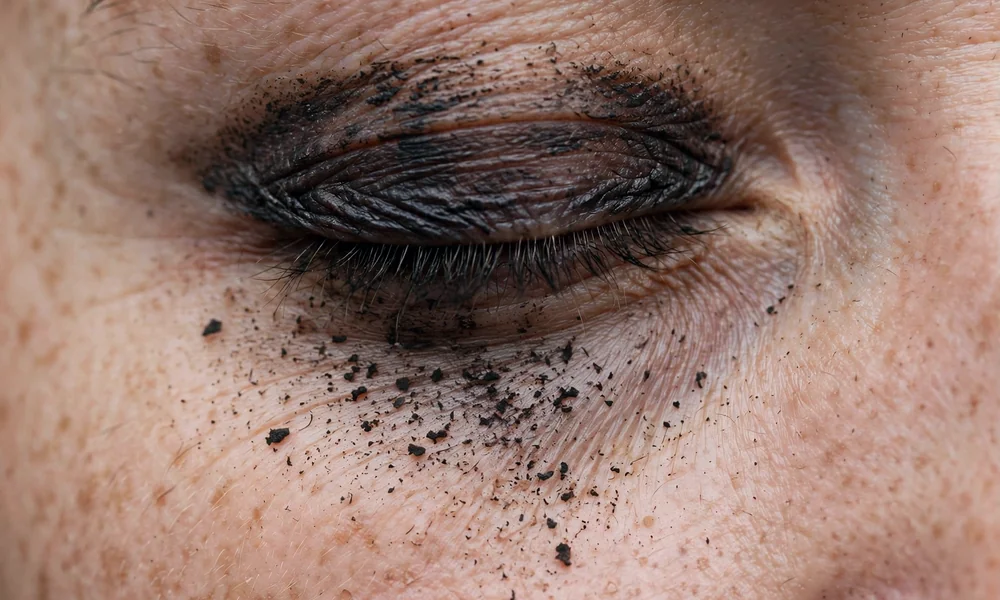
The worst eyeshadows of 2026 are the ones that shed powder all over your face. They look rich and pigmented in the pan, but the moment a brush touches them, powder rains onto your cheeks, your clothes and the bathroom counter. The cause is usually a dry, loosely pressed formula with too little binder, so the pigment has nothing to hold onto. By the time you have cleaned up the fallout, the colour on your lid is patchy, and the only fix is to start again.
These shadows are easy to spot if you test properly. Tap a brush into the pan once, hold it over the back of your hand, and watch how much powder drops. If it snows, walk away, however beautiful the colour looked in the shop.
Worst for wear: the shadow that creases within an hour
Some shadows fail not because of fallout but because of wear. They blend beautifully when first applied and then do not last. They gather into the crease of the eyelid, leaving a dark line and bare skin on either side, and the colour fades to almost nothing by lunchtime. Instead of defining the eyes, they draw attention to every line and fold.
The giveaway is how it looks after an hour, not after a minute. Apply a stripe to your lid, wait an hour, and check in the mirror. If a line has formed in the crease, the formula has too little staying power for your lids, and no primer will fully save a shadow that creases on its own. The rest of your makeup matters too, and our guide to lipsticks that last without drying is a useful reminder that long wear should never come at the cost of comfort.
Worst for colour: the shadow that looks nothing like the pan
The third failure is colour. Some shadows look rich, deep and vibrant in the pan, then turn up on the eyelid as a faint, chalky wash that bears no relation to what you bought. The cause is usually weak pigment, or a formula that needs a wet brush to show its true colour, which is not how most people apply shadow in the morning. By the time you have layered it three times to get any colour at all, it is patchy, heavy and already creasing.
Colour is worst on deeper skin tones, where a pale, weakly pigmented shadow can disappear entirely, but a good shadow should show up on every skin tone. If a swatch on your hand looks nothing like the pan, the shadow is the problem, not your skin.
How to Choose an Eyeshadow That Suits You
Start with your eyes, not the palette. Clean lids, a light primer, and a minute to let it set will make any shadow perform better than the same shadow on bare, oily skin. Sun protection underneath matters too: a heavy sunscreen can make shadow slide, so our guide to sunscreens that sit well under makeup is worth reading before you blame the shadow alone. But if it creases even over a light, well-absorbed base, the shadow is the problem.
Then test properly. Swatch two or three shades on your forearm to check the colour, then apply one to a single eyelid and wear it for an hour. The right shadow blends smoothly, stays put, and still looks like the colour in the pan after an hour. The wrong one leaves a hard edge, a crease line, or a dusting of powder on your cheek. If a shadow feels gritty or looks chalky in the shop, it will feel worse at home, and one you forget you are wearing is almost always the right one.
Think about your eye shape, too. Hooded eyes need matte shades in the crease and shimmer only on the centre of the lid. Deep-set eyes need a light shimmer to bring them forward. Round eyes need a deeper shade at the outer corner to add length.
The Verdict
The best eyeshadows of 2026 are the ones that blend and stay: a soft matte neutral palette for everyday, a smooth shimmer shadow for a bright look, and a long-wear cream shadow for long days. They blend with little effort, keep their colour for hours, and look like the pan on your lid. The worst are the shadows that fall out everywhere, the ones that crease within an hour, and the ones that look nothing like the pan.
Buy fewer palettes, and buy better ones. Test on one eyelid, wait an hour, and trust what you see over what the palette promises: if a shadow still looks smooth after an hour, it is probably a good one. The right eyeshadow should make people notice your eyes, not your makeup, and that is the whole point of wearing it.